





















Optimising Patient Queues with AI-Powered Scheduling
In Uganda, long patient queues and crowded waiting rooms remain one of the most visible signs of inefficiency across healthcare facilities. Whether in Kampala or remote district clinics, patients routinely wait hours before seeing a doctor. These delays don’t just affect patient satisfaction — they affect medical outcomes, staff stress levels, and clinic revenue.
But a clinic revolution is already happening. Thanks to the rise of AI scheduling systems and Clinic Automation in Uganda, hospitals and outpatient centres are replacing manual queues with intelligent, automated workflows that dramatically reduce waiting times.
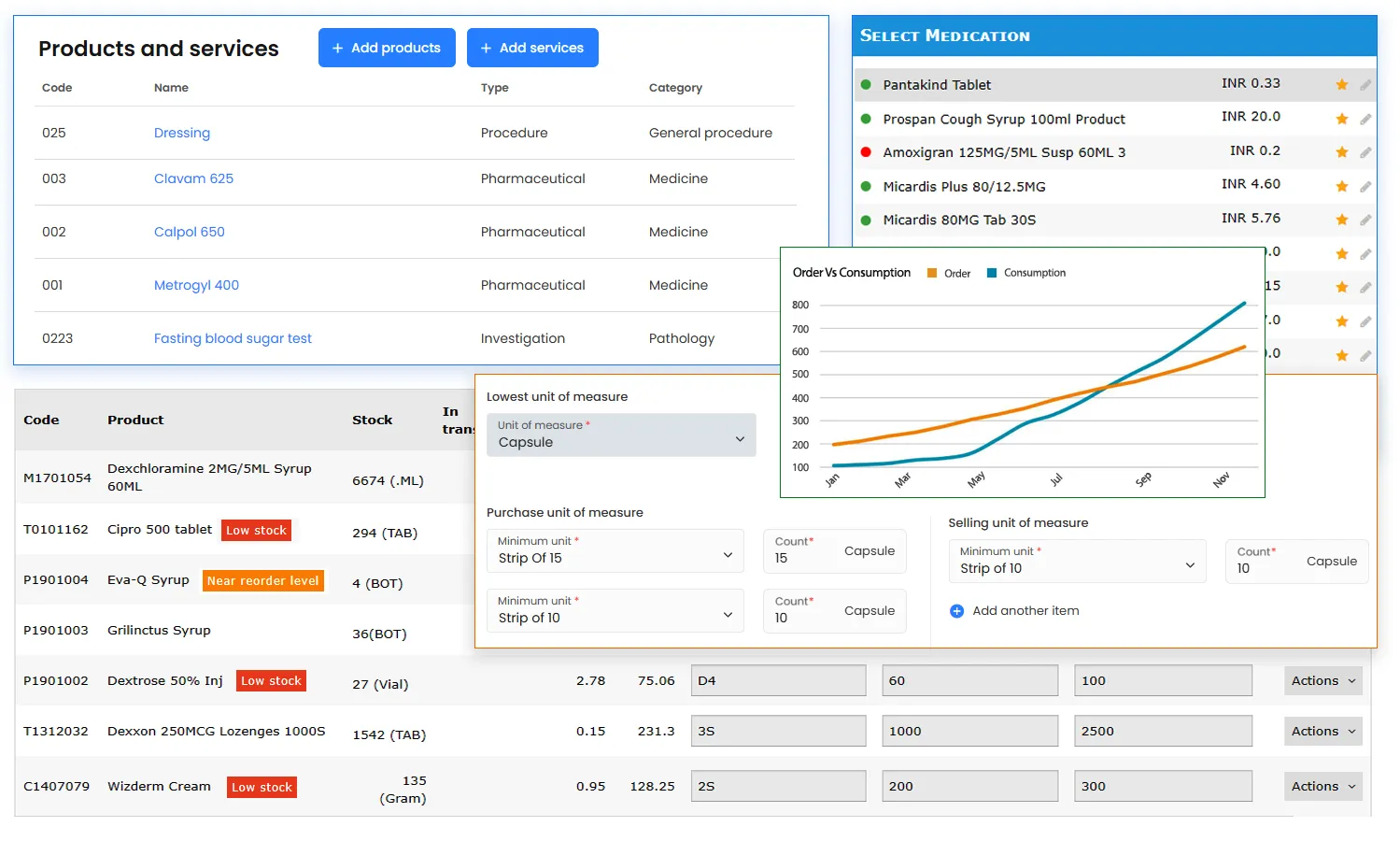
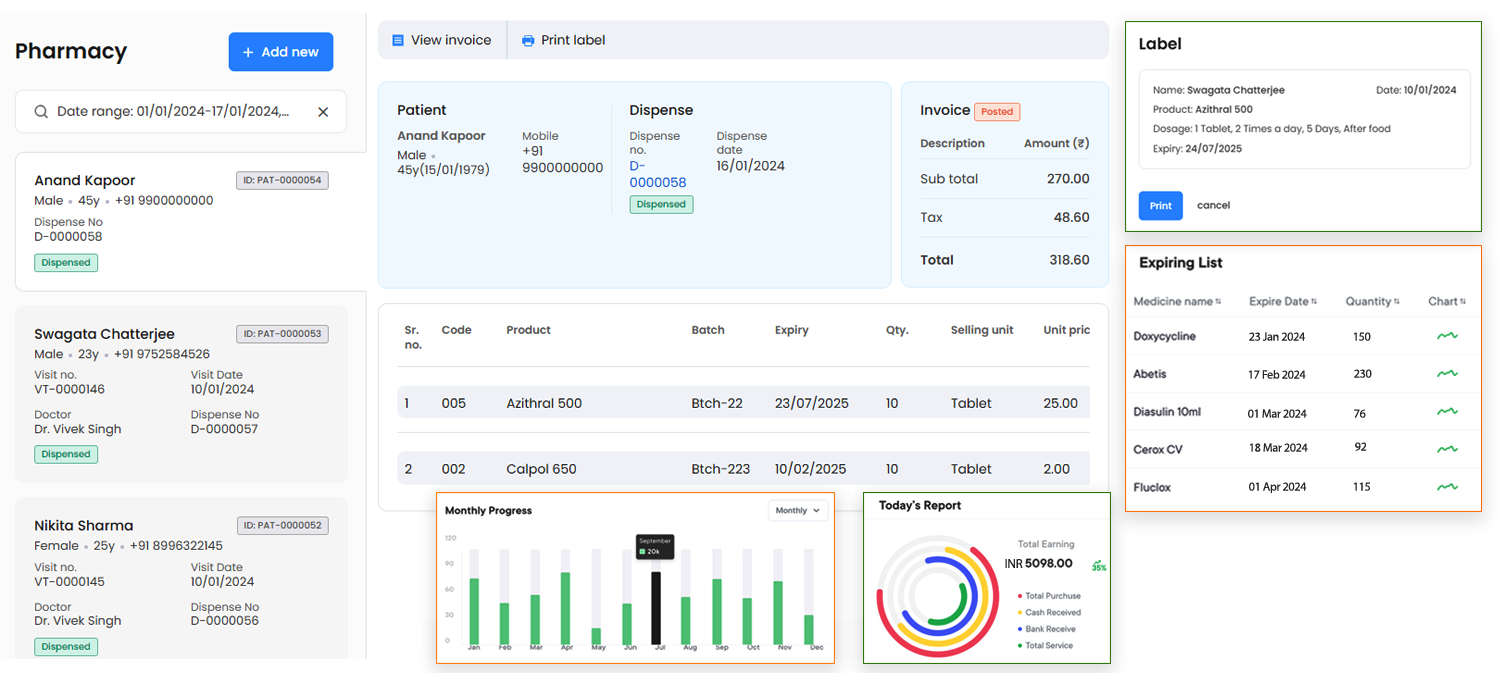
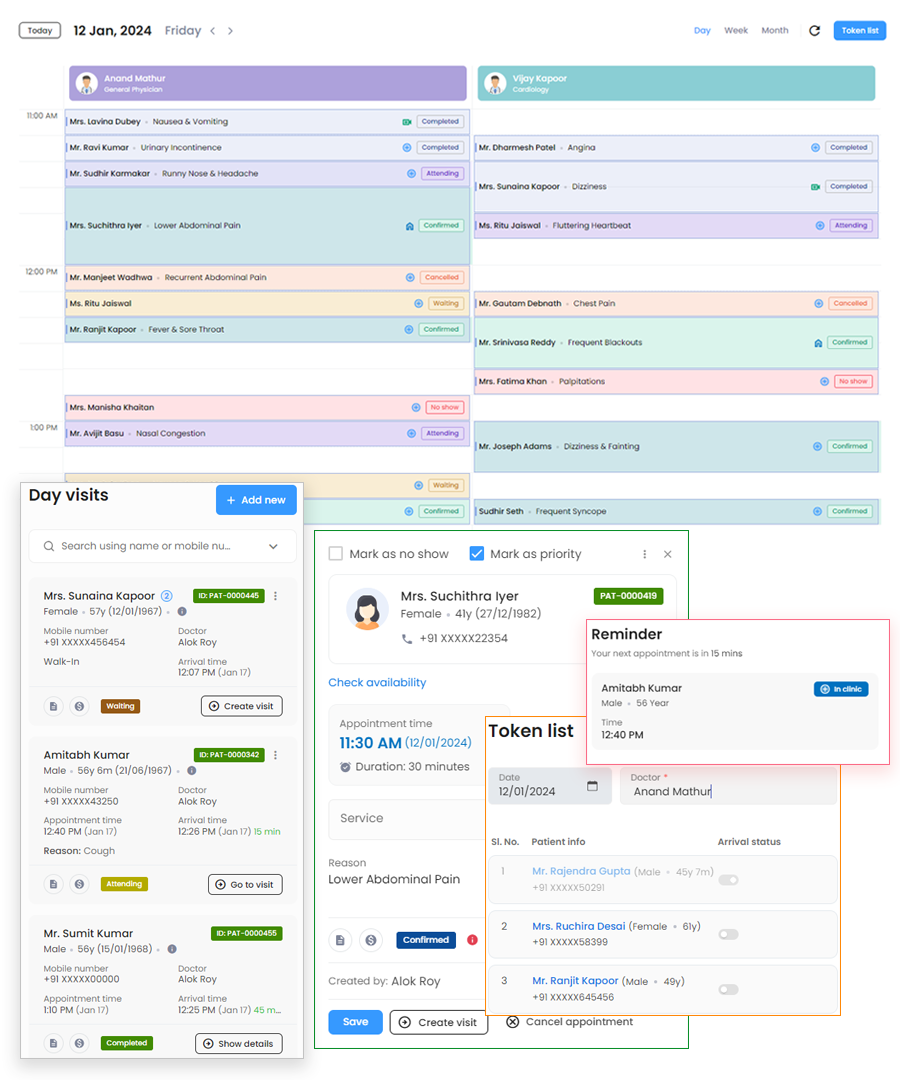
At the heart of this transformation is EasyClinic, a modern, AI-powered clinic management platform designed expressly for African healthcare realities. From automated triaging and demand forecasting to digital token management and smart follow-up scheduling, EasyClinic is changing how Ugandan clinics operate.
This enhanced blog dives deeper, expanding to over 2000 words with added clickbait sections, deeper insights, and high SEO visibility.
The Critical Problem with Traditional Scheduling in Ugandan Clinics
Even the most well-run clinics face chronic challenges:
-
Unpredictable walk-in volumes
-
First-come-first-served queues that overwhelm staff
-
Missed or overlapping appointments
-
No-shows that waste valuable time
-
Patients are crowding the reception just to “find their turn”
These structural inefficiencies highlight why Clinic Automation in Uganda is no longer optional — it is foundational for modern, scalable healthcare.
What Is AI-Powered Scheduling — And Why Does It Matter?
AI scheduling is different from traditional appointment booking. It uses machine learning to:
-
Predict peak hours
-
Optimise appointment duration
-
Auto-adjust schedules based on provider availability
-
Analyse repeated patterns in patient flow
-
Balance appointment and walk-in queues
The result? Clinics that once felt chaotic now run like high-efficiency systems with predictable patient movement.
Clinic Automation in Uganda, when supported by AI, reduces operational friction and improves outcomes for both patients and providers.
Learn how AI is transforming scheduling and EMRs.
How EasyClinic AI Scheduling Transforms Patient Queues
EasyClinic was built for real African clinic environments where:
-
Patient loads fluctuate unpredictably
-
Walk-ins form a major share of daily visits
-
Medical staff are stretched thin
-
Digital literacy varies
-
Infrastructure is limited
Core features include:
✔ AI-suggested time slots
✔ Real-time queue balancing
✔ Auto recall & follow-up scheduling
✔ Smart walk-in allocation
✔ Live queue status for patients
This ensures every clinic achieves optimised flow without expensive hardware or major staffing changes.
See FAQs on EMR systems in African clinics.
Smart Check-In and Token Management
With Clinic Automation in Uganda, EasyClinic introduces digital check-in systems where patients can register using:
-
WhatsApp
-
SMS
-
QR scan at the clinic
-
Self-service kiosk
-
Staff-assisted registration
Each check-in generates a digital token with:
-
Estimated waiting time
-
Queue position
-
Room/doctor allocation
Patients finally feel informed — not helpless.
Forecasting Patient Volume: Predicting Peak Hours Before They Happen
Traditional clinics react after long queues form.
Advanced clinics forecast queues before they form.
EasyClinic uses AI to predict:
-
High-demand time slots
-
Overbooked departments
-
Staff shortages in real time
-
Typical consultation time per doctor
-
Seasonal surges (malaria, flu, school health checks)
This forecasting tool is one of the major advantages of Clinic Automation in Uganda, helping clinics allocate staff and resources proactively.
Enhancing Staff Productivity and Preventing Burnout
Ugandan clinicians often handle overwhelming workloads. AI scheduling helps by:
-
Distributing appointments evenly
-
Adjusting buffer times for complex cases
-
Preventing double-booking
-
Reducing the chaos of walk-in surges
A calmer clinic environment increases provider focus, reduces medical errors, and improves patient-doctor relations.
Mobile-Based Booking: A New Era for Ugandan Patients
Smartphones have become the primary mode of digital access across Uganda. EasyClinic taps into this trend by enabling:
-
WhatsApp appointment booking
-
SMS confirmation and reminders
-
Mobile queue tracking
-
Online rescheduling
Patients no longer need to physically show up at 7 am to “secure a place”. Clinic Automation in Uganda empowers them to plan healthcare like any other important appointment.
Integrated EMR + AI Queue Management: A Powerful Combination
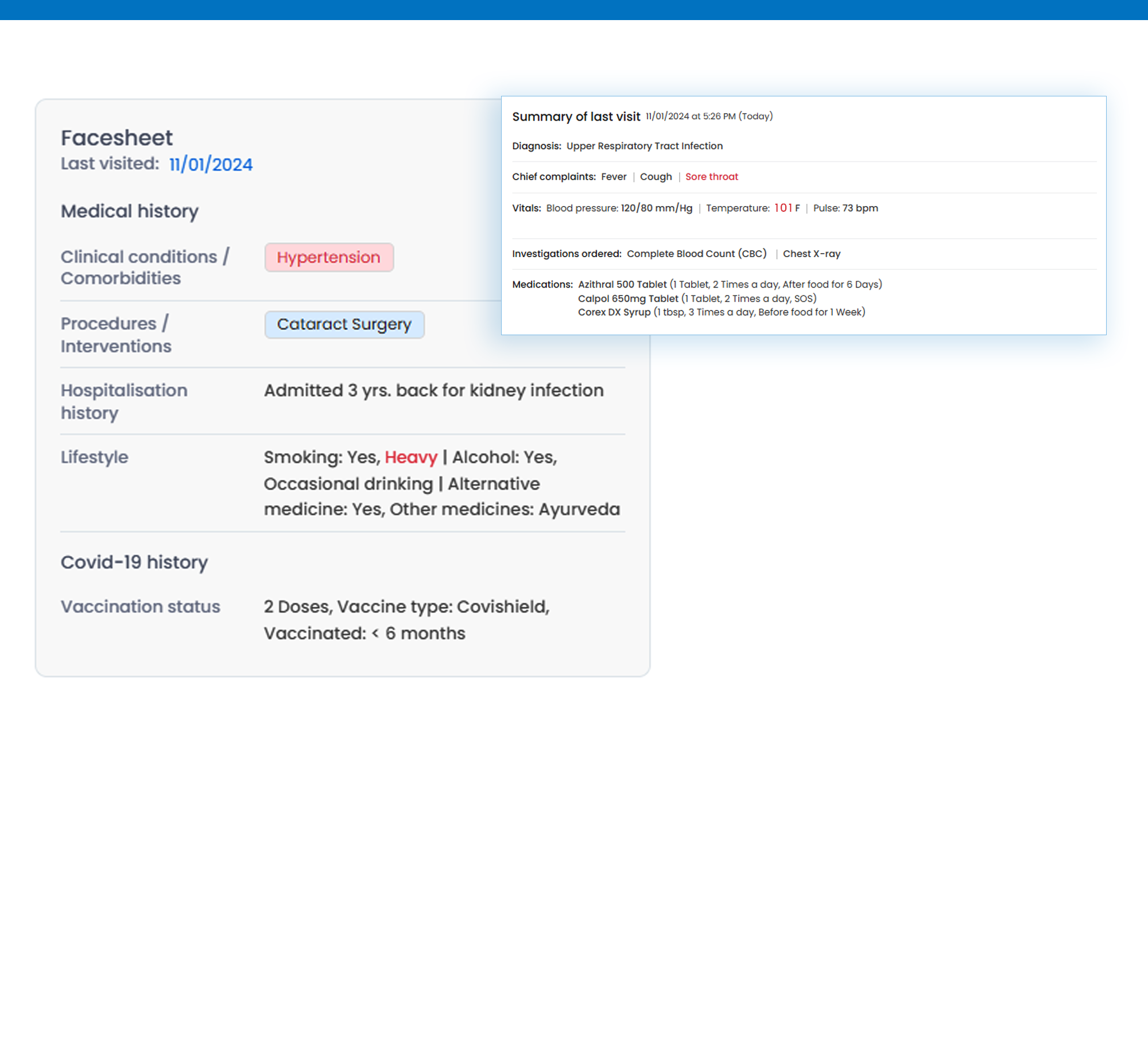
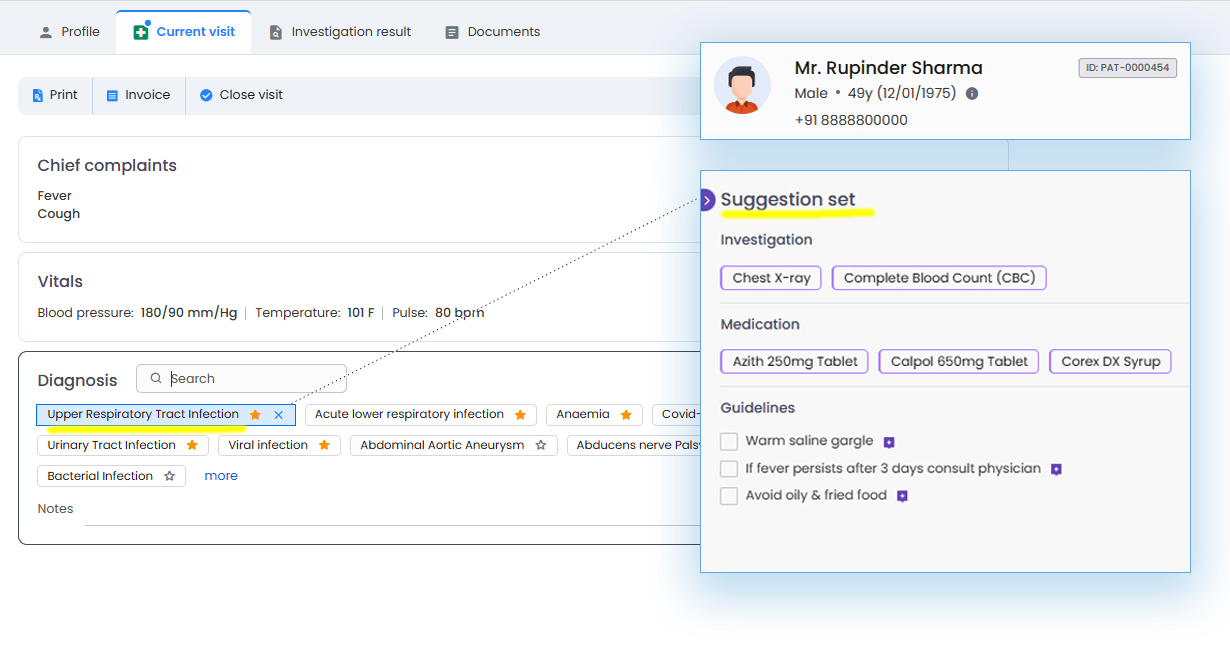
Every appointment inside EasyClinic is connected directly to patient records. This means:
-
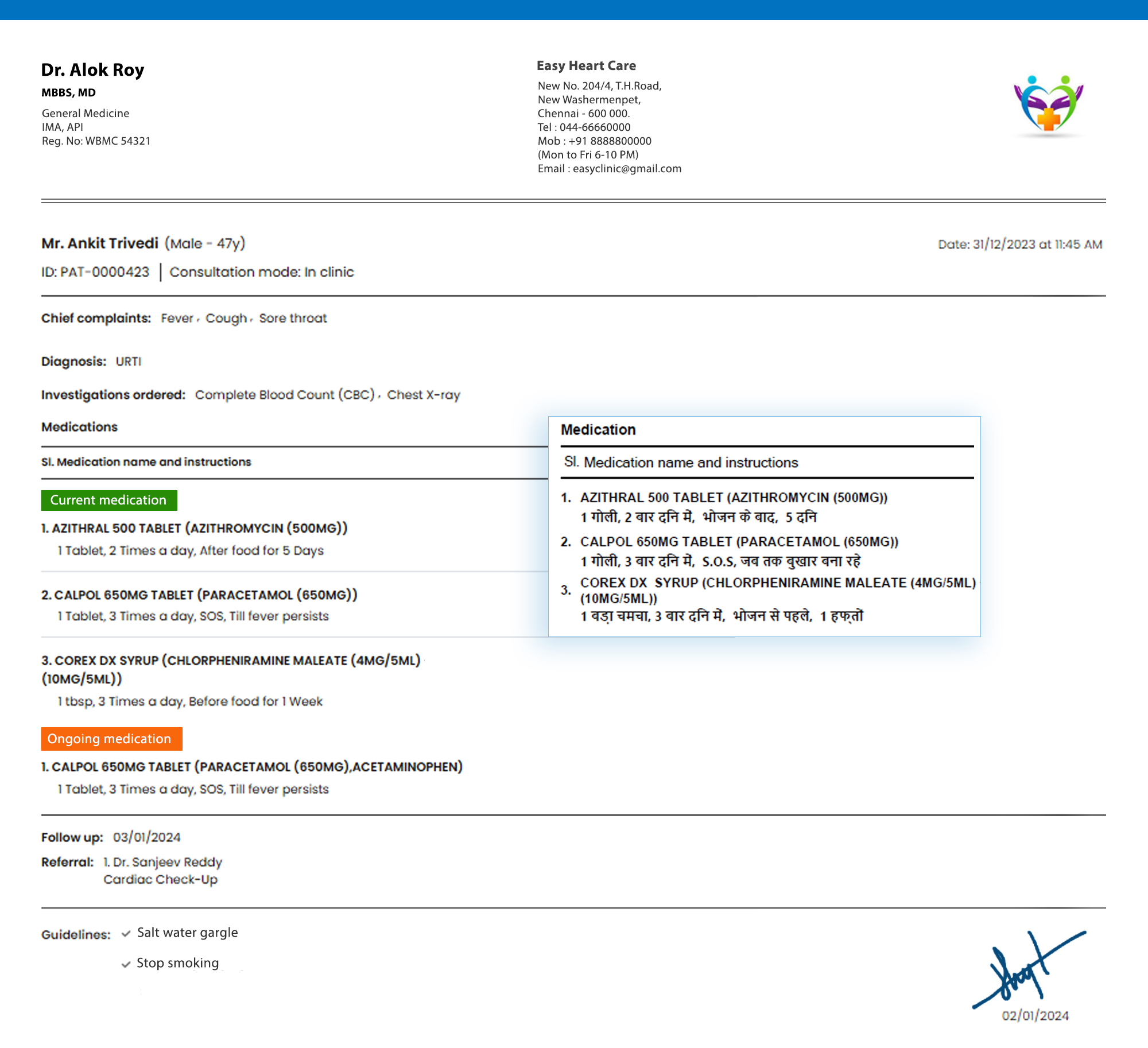
Doctors receive instant access to medical history
-
Prescription suggestions load automatically
-
Follow-up reminders deploy with one click
-
Lab and imaging orders merge seamlessly
Clinic Automation in Uganda becomes far more effective when paired with EMR, ensuring no time is wasted searching, printing, or re-entering data.
Real-Time Queue Transparency: Ending “When Will I Be Seen?” Anxiety
Displayed via screens, dashboards, or SMS updates, EasyClinic’s live queue status:
-
Reduces patient frustration
-
Minimises interruptions at the reception
-
Builds patient trust
-
Makes the clinic flow feel organised and fair
In a country where waiting rooms once felt unpredictable, transparency is a game-changer.
Explore how EasyClinic helps clinics optimise operations.
Walk-in Patient Handling: Maintaining Order in Chaos
Walk-ins can derail schedules — unless handled intelligently.
EasyClinic:
-
Assigns walk-ins based on doctor load
-
Predicts the next open slot
-
Allows emergency override
-
Suggests quieter hours for non-urgent patients
This hybrid model — scheduled + walk-in — is the backbone of Clinic Automation in Uganda.
AI Scheduling for Multi-Speciality & High-Volume Clinics. Multi-speciality clinics face unique challenges:
-
Patients need to move from doctor → lab → pharmacy
-
Time-sensitive testing windows
-
Room availability issues
-
Specialist availability fluctuations
EasyClinic solves this by managing parallel queues and syncing multiple departments in real time.
How Clinic Automation in Uganda Helps Reduce No-Shows and Missed Appointments
Missed appointments are a hidden revenue killer in many Ugandan clinics. Traditional reminder systems rely on manual calls, which are time-consuming and often ineffective.
With Clinic Automation in Uganda, AI-powered tools completely transform this.
How Automation Solves the Problem
-
AI sends personalised reminders via SMS, WhatsApp, and email
-
Patients receive auto-rescheduling prompts when they miss appointments
-
Smart reminders analyse patient behaviour and send notification timings when they are most likely to respond
-
Automated waitlist management fills empty slots within minutes
Clinics using EasyClinic report up to 40 per cent reduction in no-shows, creating more consistent patient flow and higher monthly revenue.
This demonstrates why Clinic Automation in Uganda is not just about efficiency—it directly impacts financial sustainability.
What Ugandan Clinics Can Learn from Global Leaders in AI Queue Management
Countries like Kenya, India, Singapore, and South Africa have already embraced digital queue systems. Uganda is rapidly catching up, and Clinic Automation in Uganda is helping clinics adopt global best practices without needing expensive infrastructure.
Key Lessons Uganda Can Apply
-
Predictive scheduling prevents overcrowding
-
Self-service check-in kiosks reduce receptionist workload
-
Mobile queue tracking enhances patient convenience
-
Automated triage prioritises emergency cases instantly
-
Cloud-based synchronisation keeps multi-location clinics aligned
By integrating these global strategies, Clinic Automation in Uganda elevates clinics to international operational standards while remaining fully adaptable to local constraints.
Why AI-Driven Clinic Automation in Uganda Will Be Essential for Future Healthcare Expansion
Uganda’s population is growing rapidly, and healthcare demand will double in the next decade.
Traditional systems cannot scale—but automation can.
Why the Future Depends on Automation
-
AI ensures consistent patient flow even in high-volume settings
-
Automated reporting supports government compliance and audits
-
Clinics can scale from single-branch to multi-location seamlessly
-
Automation ensures data accuracy, critical for national health initiatives
-
AI triage and queue prediction optimise resource allocation
As Uganda continues investing in digital health, early adopters of Clinic Automation in Uganda will become leaders in efficiency, patient satisfaction, and clinical profitability.
CASE STUDY: Kampala Clinic Reduced Wait Times by 35%
A mid-sized clinic in Kampala adopted EasyClinic AI scheduling.
Results after 8 weeks:
-
Wait time dropped from 2 hours to 45 minutes
-
No-show rate dropped by 23%
-
Staff punctuality increased
-
Patient complaints decreased significantly
This is what Clinic Automation in Uganda looks like when executed correctly.
How AI Can Predict Your Clinic’s Busiest Days Before They Happen
AI doesn’t just manage appointments — it predicts clinic storms.
Using past patient data, public holidays, seasonal diseases, and staff availability, EasyClinic forecasts:
-
The busiest days
-
The quietest hours
-
When to call extra staff
-
When to schedule longer consultations
This predictive power transforms clinics from reactive to proactive healthcare hubs.
What Happens When Clinics Switch to Full Automation? The Results Are Surprising
Clinics that adopt a full automation experience:
-
40–60% shorter queues
-
2x faster patient throughput
-
Improved staff mood & reduced burnout
-
Higher monthly revenue
-
Fewer lost patients
The before-and-after difference is so striking that most clinics never go back to manual queues again.
When Should Ugandan Clinics Adopt AI? The Answer Is Sooner Than You Think
The best time to adopt AI scheduling was yesterday.
The second-best time is now.
Why?
-
Patient volumes are rising.
-
Competition among private clinics is increasing.
-
Uganda’s digital health policy supports automation.
-
Younger patients expect digital solutions
-
Manual queues cannot scale
Clinics that delay adoption risk falling behind in efficiency and patient trust.
Why Ugandan Clinics Lose Patients Due to Poor Queues (And How AI Fixes It)
Patients today are impatient.
If they:
❌ Wait too long
❌ Feel ignored
❌ See disorganised staff
They simply switch clinics.
AI scheduling eliminates these frustrations by providing:
-
Predictable waiting times
-
Organized flow
-
Continuous communication
Queue experience directly affects clinic revenue, which is why Clinic Automation in Uganda is essential.
How Digital Tokens Are Replacing Chaotic Waiting Rooms in Uganda
Digital tokens are the new normal.
They:
-
Replace paper numbers
-
Allow patients to wait outside
-
Send alerts when their turn is near
-
Keep the queue fair and transparent
This drastically changes how clinics manage crowds.
What AI Knows About Your Clinic That You Don’t (But Should)
AI insights reveal:
-
Peak congestion times
-
Staff performance variability
-
Service bottlenecks
-
Patient satisfaction dips
-
The real causes of delays
These insights allow clinic owners to make data-driven business decisions.
Conclusion: Clinic Automation in Uganda Is Not the Future — It’s the Present
AI scheduling is transforming healthcare across Uganda. Clinics adopting automation experience:
-
Shorter queues
-
Better patient satisfaction
-
Higher revenue
-
Less staff burnout
EasyClinic provides the technology foundation that Uganda’s next-generation healthcare system requires.
FAQs: Clinic Automation in Uganda
Below are 10 SEO-optimised FAQs with natural keyword placement:
1. What is Clinic Automation in Uganda, and why is it important?
It refers to using digital tools like AI scheduling, EMR, and automated queues to streamline operations in Ugandan clinics. Clinic Automation in Uganda improves efficiency, reduces wait times, and enhances patient care.
2. How does AI scheduling benefit Clinic Automation in Uganda?
AI scheduling predicts patient loads, optimises appointments, and reduces congestion, making Clinic Automation in Uganda more effective and reliable.
3. Can small clinics adopt Clinic Automation in Uganda?
Yes. Even small clinics benefit from Clinic Automation in Uganda through AI scheduling, simplified queues, and automated reminders.
4. Does Clinic Automation in Uganda require expensive hardware?
No. Most systems like EasyClinic run on smartphones, tablets, and basic computers, making Clinic Automation in Uganda highly affordable.
5. What role does EMR play in Clinic Automation in Uganda?
EMR integrates patient records with queues and appointments, creating seamless workflows inside clinics adopting Clinic Automation in Uganda.
6. Can Clinic Automation in Uganda help reduce staff burnout?
Absolutely. Automation reduces manual tasks and administrative overload, one of the biggest benefits of Clinic Automation in Uganda.
7. Does AI scheduling support walk-in patients in Uganda?
Yes. Systems designed for Clinic Automation in Uganda handle both walk-ins and booked appointments intelligently.
8. How does Clinic Automation in Uganda improve patient satisfaction?
Shorter queues, faster service, and real-time updates make patients feel valued — all outcomes of Clinic Automation in Uganda.
9. Is Clinic Automation in Uganda aligned with the Ministry of Health’s digital strategies?
Yes. Uganda’s eHealth policies strongly encourage digital transformation, including Clinic Automation in Uganda.
10. How can clinics get started with Clinic Automation in Uganda?
Clinics can adopt EasyClinic, a platform specifically built to support Clinic Automation in Uganda with AI scheduling and EMR integration.
Conclusion:
The Future of Patient Flow is Smart
Efficient queue management is not just about convenience — it’s about safer, more equitable healthcare. In Uganda, where clinics are often overwhelmed, EasyClinic’s AI scheduling tools are helping transform patient queues into structured, manageable flows.
By reducing wait times, empowering staff, and giving patients more control, EasyClinic delivers the future of clinic efficiency today.