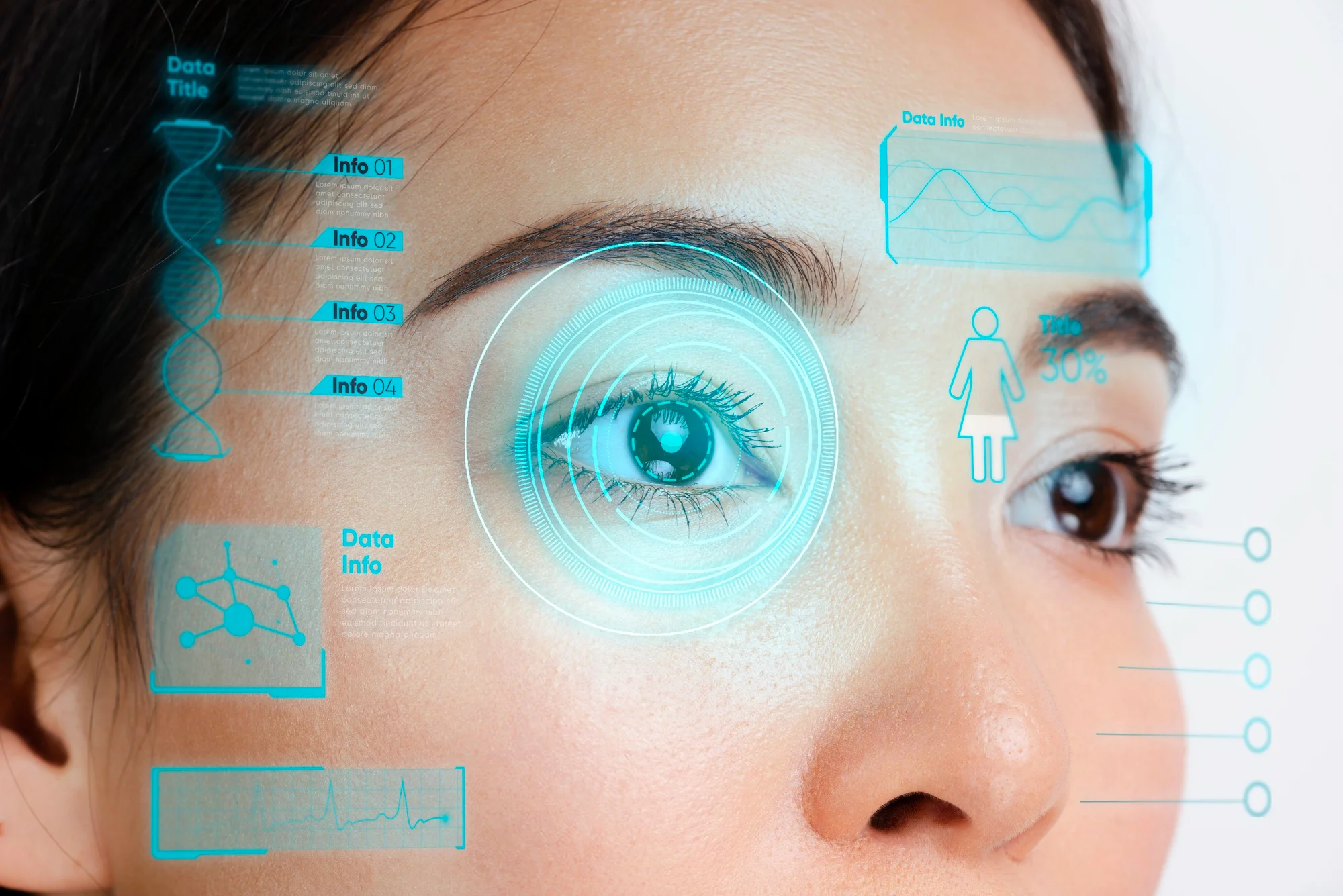
Empowering Ophthalmology Specialists Through Next-Gen AI in Ophthalmology presents a profound opportunity to revolutionize eye care across the nation. For far too long, our ophthalmology clinics have grappled with the twin challenges of escalating patient volumes and the increasing complexity of diagnoses. The sheer demand for quality eye care, coupled with the administrative burden of manual processes, often strains our dedicated specialists. We understand these pain points deeply – the long waiting lines, the exhaustive hours spent on documentation, and the constant pursuit of diagnostic precision. This is where the integration of advanced AI tools steps in as a game-changer, promising not just to alleviate these burdens but to elevate the standard of patient care we can deliver. We are on the cusp of a transformation that will empower us to serve our communities better, more efficiently, and with unparalleled accuracy. This era of digital innovation offers a clear path to optimizing `digital ophthalmology workflow` and enhancing every aspect of our practice.
The Dawn of a New Era: AI’s Impact on Ophthalmology
The landscape of healthcare is perpetually evolving, and nowhere is this more evident than in the rapid advancements of Artificial Intelligence. In India, the synergy between AI and healthcare is creating a vibrant new frontier, especially within specialized fields like ophthalmology. We are witnessing a monumental shift towards a more integrated and intelligent `AI healthcare India` ecosystem. This isn’t just about automation; it’s about intelligent augmentation that enhances every facet of a `digital ophthalmology workflow`. From initial patient intake to intricate surgical planning and post-operative care, AI is poised to redefine our capabilities, offering unprecedented levels of precision and personalization. The promise of AI lies in its ability to process, analyze, and interpret vast amounts of data at speeds and accuracies far beyond human capacity, thereby providing our specialists with invaluable insights.
For ophthalmologists, this means a paradigm shift from reactive treatment to proactive, preventative care. AI algorithms can analyze complex patterns in imaging data, patient history, and even genetic markers to predict disease progression, enabling earlier intervention. This leads to not only improved patient outcomes but also a more efficient allocation of resources within clinics. Moreover, the integration of AI can democratize access to high-quality eye care, particularly in remote areas of India, by extending the reach of specialists through intelligent diagnostic support systems. We believe that by embracing these innovations, we can significantly reduce the burden of preventable blindness and visual impairment across the nation, ensuring a brighter future for millions.
Revolutionizing Diagnostics and Treatment Planning with AI
One of the most profound impacts of AI in ophthalmology lies in its ability to transform diagnostic processes. Traditional methods, while effective, can be time-consuming and sometimes subject to human interpretation variances. AI algorithms, trained on vast datasets of ophthalmic images and patient records, can detect subtle patterns and anomalies that might escape the human eye, even that of an experienced specialist. This leads to earlier and more accurate diagnoses, particularly for conditions like diabetic retinopathy, glaucoma, and macular degeneration. The speed and objectivity that AI brings to diagnostics significantly enhance our ability to identify diseases at their nascent stages, which is critical for effective management and prognosis.
Enhanced Image Analysis and Pattern Recognition
AI-powered systems excel at analyzing high-resolution retinal scans, optical coherence tomography (OCT) images, fundus photographs, and other diagnostic images with remarkable precision. We can leverage these `ai tools for ophthalmology clinics` to automatically identify biomarkers of disease progression, quantify structural changes in the retina and optic nerve, and even predict future risks with a high degree of confidence. For instance, AI can meticulously map out microaneurysms in diabetic retinopathy or detect subtle nerve fiber layer thinning indicative of early glaucoma, often before these changes are clinically apparent. This capability provides our specialists with critical, data-driven insights, allowing for timely and targeted interventions that can preserve vision and dramatically improve patient outcomes. The sheer volume of images that AI can process in minutes would take human specialists hours, thereby reducing the diagnostic bottleneck and improving the overall efficiency of our `digital ophthalmology workflow`.
Furthermore, AI algorithms are constantly learning and improving. As more data is fed into these systems, their diagnostic accuracy continues to sharpen, ensuring that our clinics benefit from the latest advancements. This continuous learning process means that the `ai tools features` we implement today will only become more sophisticated and valuable tomorrow. For us, this translates into a powerful ally in the fight against vision loss, providing an objective second opinion and augmenting the expertise of our human specialists.
Predictive Analytics for Proactive Care
Beyond current diagnostics, AI empowers us with sophisticated `EMR analytics care`, utilizing vast amounts of historical patient data to predict disease onset or progression. Imagine knowing a patient’s likelihood of developing severe glaucoma years in advance, based on their genetic profile, lifestyle factors, and existing medical records. This predictive power allows us to shift from reactive treatment to proactive prevention and early management strategies. For example, AI can identify patients at high risk of developing age-related macular degeneration (AMD) and recommend personalized screening schedules or lifestyle modifications long before symptoms appear. This capability is a cornerstone of `personalized medicine AI`, ensuring that each patient receives care precisely suited to their unique needs and risk factors.
We are excited about the potential of AI to create dynamic patient risk profiles, integrating data from various sources to provide a holistic view of each individual’s ocular health trajectory. This means less guesswork for our specialists and more precise, evidence-based recommendations for our patients. The ability to anticipate health challenges not only improves clinical outcomes but also empowers patients to take a more active role in their health management, fostering a collaborative approach to care. This level of foresight is invaluable for managing chronic conditions prevalent in the Indian population.
Optimizing Clinic Operations with AI for Enhanced Efficiency
The administrative demands on ophthalmology clinics are immense. From managing appointments and patient flow to maintaining comprehensive records and ensuring regulatory compliance, these tasks can divert valuable time and resources away from patient care. AI offers powerful solutions to streamline these operational aspects, fostering a more efficient and productive environment for both our staff and our patients. This is where `clinic automation India` truly shines, transforming mundane tasks into seamless, intelligent processes that enhance our `clinic management` capabilities and allow our team to focus on what matters most: our patients.
Intelligent Appointment Scheduling and Patient Flow Management
AI algorithms can optimize appointment schedules by meticulously considering factors like practitioner availability, procedure duration, patient preferences, and even predicted no-show rates, thereby minimizing wait times and maximizing clinic capacity. Automated reminders via WhatsApp, SMS, or Email, powered by AI, significantly reduce no-shows and late arrivals, ensuring that our valuable clinic time is utilized effectively. We can also use AI to analyze patient flow patterns, predict peak hours, and allocate staff and resources accordingly, creating a smoother, less stressful experience for both patients and staff. This intelligent approach to scheduling is vital for maintaining a high-functioning `clinic management software` and improving patient satisfaction.
Furthermore, AI can assist in prioritizing urgent cases, ensuring that patients requiring immediate attention are seen promptly, while routine appointments are managed efficiently. This dynamic scheduling capability is a testament to how `ai tools features` can directly translate into better patient access and more equitable care delivery. We aim to eliminate the frustration of long waiting times, creating a more pleasant and efficient experience for everyone who walks through our doors.
Streamlining Administrative Tasks and Data Management
From automated billing and insurance claim processing to intelligent inventory management for optical supplies and surgical instruments, AI significantly reduces the manual workload. This allows our administrative staff to focus on more complex patient interactions, support, and personalized assistance, rather than repetitive data entry. We are seeing a future where `health plan automation` simplifies the intricate world of medical billing and insurance, reducing errors, accelerating reimbursements, and ultimately bolstering the financial health and sustainability of our clinics. AI can even flag potential coding errors, ensuring maximum claim accuracy.
Data entry, often a time-consuming and error-prone process, can be revolutionized by AI. Intelligent character recognition (ICR) and natural language processing (NLP) can extract relevant information from scanned documents or patient notes, automatically populating fields within our `clinic EMR`. This not only saves countless hours but also improves the consistency and accuracy of patient records, providing richer `clinic data insights` for analysis and decision-making. We believe that by automating these tasks, our teams can redirect their energy towards enhancing the patient experience and improving the overall quality of care.
Empowering Ophthalmology Specialists Through Next-Gen AI Tools in India: The Role of EasyClinic EMR
At EasyClinic, we believe that the true power of AI lies in its practical application within our daily workflows. We understand that `ai tools for ophthalmology clinics` need to be seamlessly integrated, user-friendly, and highly effective. This is precisely why our platform, EasyClinic, has been meticulously designed to bring these next-gen capabilities directly to your practice, transforming your `digital ophthalmology workflow` and enhancing `clinic data insights` comprehensively. Our `EMR software` is not just a record-keeping system; it’s an intelligent partner in patient care, designed with the specific needs of Indian ophthalmologists in mind.
EasyClinic is at the forefront of providing an advanced `clinic EMR` solution that caters specifically to the unique needs of ophthalmologists. We empower you with a robust `clinic management software` that is intuitive, fast, and incredibly flexible, making your daily operations smoother than ever before. We are committed to equipping our healthcare professionals with the best `healthcare software` available, ensuring they can focus on delivering exceptional patient care.
Electronic Medical Records (EMR): Easy, Fast, and Flexible
Our EMR system forms the backbone of your digital practice, offering unparalleled ease of use, speed, and flexibility. We’ve designed it to be exceptionally easy to use, ensuring quick adoption by your entire team, minimizing the learning curve. The speed at which you can access and update patient records means less time spent on administration and more time focusing on your patients. Its flexibility allows it to adapt to various sub-specialties within ophthalmology – whether you specialize in retina, glaucoma, cornea, or pediatric eye care, our system can be configured to match your specific requirements precisely. This ensures that your `EMR software` truly works for you, enhancing your efficiency and precision in every consultation.
30 Second Prescription: Ultra-Fast Prescription Generation
Imagine generating a complete, accurate, and legally compliant prescription in just 30 seconds. Our unique feature makes this a reality, significantly reducing consultation time and vastly improving patient flow. This is achieved through intelligent templates, pre-filled medication lists, and smart drug-interaction checks, all designed to streamline your process. This feature alone is a testament to how effectively our `clinic software` can boost efficiency without compromising accuracy. It’s a game-changer for busy ophthalmology clinics across India, allowing you to see more patients and dedicate more time to clinical examination and discussion.
Integrated Communication: WhatsApp, SMS, Email + AI-driven Messaging Automation
Effective and timely patient communication is absolutely crucial for patient engagement and adherence. EasyClinic integrates seamlessly with popular communication channels like WhatsApp, SMS, and Email, allowing you to connect with patients effortlessly and on their preferred platforms. Furthermore, our AI-driven messaging automation can handle routine queries, send personalized appointment reminders, provide crucial pre- and post-operative instructions, and even gather patient feedback, all autonomously. This frees up your administrative staff to focus on more complex tasks and ensures that patients always feel informed, supported, and connected to your clinic. This integrated approach to communication is a core part of our commitment to superior `clinic management`, enhancing the overall patient experience.
Customized EMR: Tailored to Each Doctor’s Specialty and Workflow
We know that no two ophthalmologists, nor their practices, are exactly alike. That’s why our EMR is fully customizable, adapting dynamically to your specific specialty and unique clinical workflow. Whether you require specific templates for glaucoma follow-ups, intricate surgical notes for cataract procedures, or detailed charts for pediatric amblyopia, our system can be configured to match your exact needs. This personalization ensures maximum efficiency and relevance, eliminating unnecessary fields and focusing on what matters most for your practice. This tailored approach truly reflects the spirit of `personalized medicine AI` within clinic operations, supporting your individual diagnostic and treatment philosophies.
AI-Powered Assistance: 3-Click Prescription Completion
Building on our 30-second prescription feature, our AI-powered assistance streamlines the prescription process even further. Through intelligent suggestions based on the patient’s history, current diagnosis, and common treatment protocols, you can complete prescriptions in as little as three clicks. This smart automation minimizes the potential for human error, reduces cognitive load, and dramatically enhances the speed of every consultation, embodying the practical benefits of advanced `ai tools features`. It’s like having an intelligent assistant guiding you through every step, ensuring accuracy and efficiency without compromising clinical judgment.
Visual Health Trend Analysis: Graphical Representation of Patient Vitals and Reports
Understanding patient health trends over time is vital for effective long-term management of chronic eye conditions. EasyClinic provides clear, intuitive graphical representations of patient vitals, intraocular pressure trends, visual acuity changes, and other key reports. This allows you to quickly visualize progress or deterioration, identify concerning trends at a glance, and make informed clinical decisions based on objective data. This feature directly contributes to superior `clinic data insights`, enabling better patient outcomes through visual clarity and longitudinal analysis. It empowers our specialists to track disease progression more effectively and adjust treatment plans proactively.
Efficient Patient Summaries: Auto-Generated Summaries and Facesheets
No more sifting through pages of notes or lengthy files to get a quick overview of a patient. Our system automatically generates concise, comprehensive patient summaries and facesheets, providing you with all the essential medical information—current conditions, medications, allergies, and key historical data—at a glance. This saves invaluable time during consultations, emergency situations, or patient handovers, ensuring continuity of care and enhancing the overall `digital ophthalmology workflow`. It’s an indispensable tool for busy clinics that prioritize efficient information retrieval.
Point and Click Input: Customizable Forms, Notes, Diagnosis, and Treatment Inputs
We’ve eliminated tedious typing and complex navigation wherever possible. With intuitive point-and-click input for customizable forms, clinical notes, diagnosis codes (e.g., ICD-10 for ophthalmology), and treatment plans, data entry becomes incredibly fast, accurate, and user-friendly. This design choice highlights our dedication to making our `healthcare software` accessible and efficient for all medical professionals, regardless of their tech proficiency. It speeds up documentation, reduces transcription errors, and allows you to capture detailed patient information with minimal effort, maintaining the flow of your consultation.
Comprehensive Medical History Record: Full Intake Form with Chronic Illness, Social, Family, and More
A complete and thorough understanding of a patient’s medical history is paramount for accurate diagnosis and safe treatment in ophthalmology. EasyClinic’s comprehensive intake forms allow for detailed recording of chronic illnesses (e.g., diabetes, hypertension), social history (smoking, alcohol, occupation), family medical history (glaucoma, blindness), and other crucial systemic factors that impact ocular health. This holistic view supports better diagnostic decisions, identifies potential drug interactions, and enables more effective long-term patient management, providing the rich, interconnected data needed for advanced `EMR analytics care`. This comprehensive approach ensures that every aspect of a patient’s health is considered in their eye care plan.
Actionable Tips for Integrating AI into Your Ophthalmology Clinic
Integrating new technology can seem daunting, but with a strategic and phased approach, your clinic can smoothly transition to an AI-powered future, reaping immediate and long-term benefits. Here are our actionable tips to help you get started on this transformative journey:
- Start Small and Scale Up: Don’t try to overhaul everything at once. Begin by implementing one or two AI tools that address your most pressing pain points or offer the clearest benefits, such as AI-assisted retinal image analysis or automated appointment scheduling. As your team becomes comfortable and proficient, gradually expand your AI integration to other areas of your practice. This incremental approach minimizes disruption and maximizes adoption.
- Invest in Comprehensive Staff Training: Technology is only as effective as the people using it. Provide thorough and ongoing training for your ophthalmologists, optometrists, technicians, nurses, and administrative staff on how to effectively use the new AI tools. Emphasize the benefits – how AI will augment their existing skills, reduce workload, and improve patient outcomes – rather than replacing their roles. Foster a culture of learning and continuous improvement.
- Choose Reliable and Relevant Technology Partners: Selecting the right AI solution providers is crucial. Opt for partners, like EasyClinic, that have a proven track record in healthcare, a deep understanding of the Indian market, and specific expertise in ophthalmology. Ensure their `ai tools for ophthalmology clinics` are robust, secure, clinically validated, and offer excellent technical support and customer service. A strong partnership ensures a smooth implementation and ongoing success.
- Prioritize Data Security and Patient Privacy: With AI heavily reliant on patient data, implementing robust data security protocols and ensuring strict compliance with all relevant privacy regulations (such as HIPAA-equivalent standards in India) is non-negotiable. Transparent data handling practices, consent mechanisms, and secure data storage build invaluable patient trust and protect your clinic from potential liabilities. Education on data privacy for staff is also key.
- Monitor and Evaluate Performance Continuously: Regularly assess the impact of your AI tools on various metrics, including clinic efficiency, diagnostic accuracy, patient satisfaction, and financial performance. Use this quantitative and qualitative feedback to refine your implementation strategy, identify areas for further improvement, and maximize the return on your AI investment. This iterative process ensures that your AI solutions are always optimized for your clinic’s evolving needs.
- Embrace a Culture of Innovation: Encourage your team to experiment with and provide feedback on new AI features. Celebrate successes and learn from challenges. Fostering an environment that embraces technological innovation will ensure your clinic remains at the cutting edge of ophthalmology, continuously improving patient care and operational excellence.
Why AI in Ophthalmology Matters: Operational and Financial Impact
The strategic adoption of AI in ophthalmology is not merely a technological upgrade; it’s a fundamental investment in the future viability and enduring success of our clinics. From an operational perspective, the efficiencies gained through `clinic automation India` are truly transformative. We see reduced administrative burdens freeing up our highly skilled staff to focus on complex clinical decisions, direct patient engagement, and specialized procedures. Automated processes lead to faster patient throughput, significantly shorter waiting times, and an overall smoother `digital ophthalmology workflow`. This means we can serve more patients with a higher quality of care, a crucial factor in India’s high-demand and often resource-constrained healthcare environment. The ability to predict patient no-shows, optimize resource allocation, and streamline diagnostic processes directly contributes to a more efficient and less stressful clinical environment for everyone.
Financially, the benefits of integrating `Empowering Ophthalmology Specialists Through Next-Gen AI Tools in India` are equally compelling and often immediate. Enhanced diagnostic accuracy through advanced `ai tools for ophthalmology clinics` can lead to earlier detection and treatment of conditions, preventing more costly and complex interventions down the line. Optimized resource allocation, streamlined billing processes, and reduced errors in documentation contribute directly to improved revenue cycles and decreased operational costs. For instance, AI-driven tools can identify coding discrepancies, ensuring maximum claim accuracy and faster reimbursements. Furthermore, clinics that proactively embrace these next-gen AI tools position themselves as leaders in the field, attracting both top-tier medical talent seeking cutting-edge environments and a discerning patient base actively seeking the most advanced and efficient eye care available. This competitive advantage is invaluable in today’s rapidly evolving healthcare market, ensuring long-term growth and sustainability for our practices. Ultimately, AI enables us to deliver superior care while simultaneously improving the financial health of our clinics.
Key Benefits of AI in Ophthalmology
AI tools empower ophthalmology clinics by enhancing diagnostic accuracy, streamlining workflows through automation, enabling personalized patient care, and providing superior clinic data insights. These advancements lead to improved operational efficiency, reduced costs, and elevated patient outcomes across India.
People Also Ask: FAQs on AI in Ophthalmology
Q: How does AI improve diagnostic accuracy in ophthalmology?
A: AI analyzes vast datasets of ophthalmic images (like OCT scans and fundus photos) and patient data, identifying subtle patterns and biomarkers often missed by the human eye, leading to earlier and more precise disease detection like glaucoma or diabetic retinopathy.
Q: Is AI-powered EMR secure for patient data?
A: Reputable AI-powered EMR systems, such as EasyClinic, prioritize robust data encryption, access controls, and strict compliance with global and local data privacy regulations to ensure patient information remains secure and confidential at all times.
Q: What are the primary challenges of implementing AI in Indian clinics?
A: Key challenges include the initial investment costs, the need for comprehensive staff training, ensuring high-quality and diverse data for AI algorithms, and navigating evolving regulatory frameworks. Choosing the right technology partner helps clinics overcome these hurdles effectively.
Q: Can AI truly personalize treatment plans?
A: Yes, `personalized medicine AI` leverages a patient’s unique genetic, lifestyle, and comprehensive medical history data to recommend highly tailored treatment strategies, optimizing outcomes, minimizing adverse effects, and improving adherence to care plans.
Q: How does AI contribute to better clinic data insights?
A: AI processes and interprets large volumes of structured and unstructured clinical data, revealing hidden trends, identifying high-risk patients, and offering actionable intelligence to improve operational efficiency and patient care quality, driving superior `clinic data insights` for strategic decisions.
Q: What are the immediate benefits of using `ai tools features` in an ophthalmology clinic?
A: Immediate benefits include faster diagnostics, automated scheduling, reduced administrative load, quicker prescription generation, and improved patient communication, all contributing to a more efficient and patient-centric practice from day one.
Resources for Further Exploration
- How AI-Powered EMR Software is Transforming Clinic Management
- FAQs on EMR Medical Software
- EasyClinic Doctor & Clinic Software: Your Practice, Elevated
- EasyClinic.io: Revolutionizing Healthcare Management
- World Health Organization: Blindness and Visual Impairment
- Indian Journal of Ophthalmology
Conclusion: A Brighter Future for Indian Ophthalmology
The journey towards `Empowering Ophthalmology Specialists Through Next-Gen AI Tools in India` is not just about adopting new technology; it’s about embracing a future where patient care is more precise, efficient, and profoundly human. We at EasyClinic are committed to being your dedicated partner in this transformative era. By integrating advanced AI-powered solutions into every aspect of your `digital ophthalmology workflow`, we can collectively overcome current challenges, unlock unprecedented possibilities, and ultimately provide a brighter vision for every patient across India. The time to innovate, optimize, and excel is now. Join us in shaping the future of ophthalmology, where advanced `healthcare software` like EasyClinic empowers every specialist to achieve their fullest potential, ensuring that superior eye care is accessible, efficient, and truly personalized for all. Let’s build a healthier, clearer future together.
EasyClinic is a powerful clinic management platform built for doctors and growing healthcare chains. From appointment scheduling and EMR to billing and analytics, EasyClinic helps you streamline operations and focus more on patient care. Ready to transform your clinic’s workflow? Visit EasyClinic.io to learn more or book a demo.