In an age where technology intersects with every aspect of our lives, healthcare is undergoing a radical transformation. Smart clinics are at the forefront of this change, seamlessly blending AI patient experience solutions with day-to-day medical operations. These next-generation clinics are designed to enhance both patient care and operational efficiency through innovations like automated scheduling, personalized treatment planning, and real-time analytics.
For clinics, doctors, and healthcare professionals, embracing smart clinic models means adopting technologies like EMR software, clinic software, and intelligent automation. These tools don’t just streamline clinic management; they actively reshape how care is delivered and experienced.
The Core of Smart Clinics: Integrating AI into Everyday Operations
Automating Administrative Tasks to Improve Focus
One of the most immediate benefits of smart clinics is the automation of time-consuming administrative tasks. Appointment scheduling, billing, insurance verification, and medical transcription can all be managed through AI systems:
- NLP-powered tools can transcribe doctor-patient conversations, reducing the burden of manual documentation.
- Smart scheduling tools automatically fill cancellations and send reminders to minimize no-shows.
Integrating these tools with your existing clinic management software drastically reduces operational bottlenecks and improves patient throughput.
Seamless EMR Integration
AI-powered EMR software ensures faster access to medical histories, lab reports, and diagnostics. Clinics that deploy clinic EMR systems report quicker diagnosis and fewer medical errors, thanks to data centralization and real-time access.
AI-Personalized Patient Journeys: From Entry to Exit
Creating Individualized Treatment Plans
A major leap in AI patient experience is the ability to deliver customized care using algorithms that analyze health history, symptoms, and even genomic data:
- AI personalized healthcare solutions craft treatment plans that match individual patient profiles.
- Predictive analytics help forecast disease progression, enabling preemptive intervention.
Pairing these with platforms like health data analytics gives clinics powerful decision-making tools.
Managing Chronic Conditions More Effectively
Smart clinics utilize AI to monitor and manage chronic illnesses such as diabetes, hypertension, and asthma:
- Devices connected to AI platforms track vitals continuously.
- Alerts are sent to clinicians when irregular patterns emerge, allowing for timely intervention.
This kind of proactive, tailored care is central to precision medicine and reduces both costs and complications.
Real-Time Communication and Engagement
AI-Enhanced Patient Communication
Through automated chat systems and smart apps, patients can:
- Book appointments
- Receive medication reminders
- Ask questions about their treatment plans
- Access post-consultation summaries and lab results
Using AI smart engagement tools improves transparency and patient satisfaction.
Teleconsultation with AI Assistance
Smart clinics leverage virtual care powered by AI to provide remote consultations, diagnosis assistance, and continuous follow-up.
- Chatbots and video assistants guide patients through pre-diagnosis questionnaires.
- Doctors receive a summary, reducing the time needed for each consultation.
This integration ensures that clinic software doesn’t just digitize processes but also enhances the overall experience.
Enhancing Diagnostic Accuracy and Reducing Errors
AI-Assisted Imaging and Risk Prediction
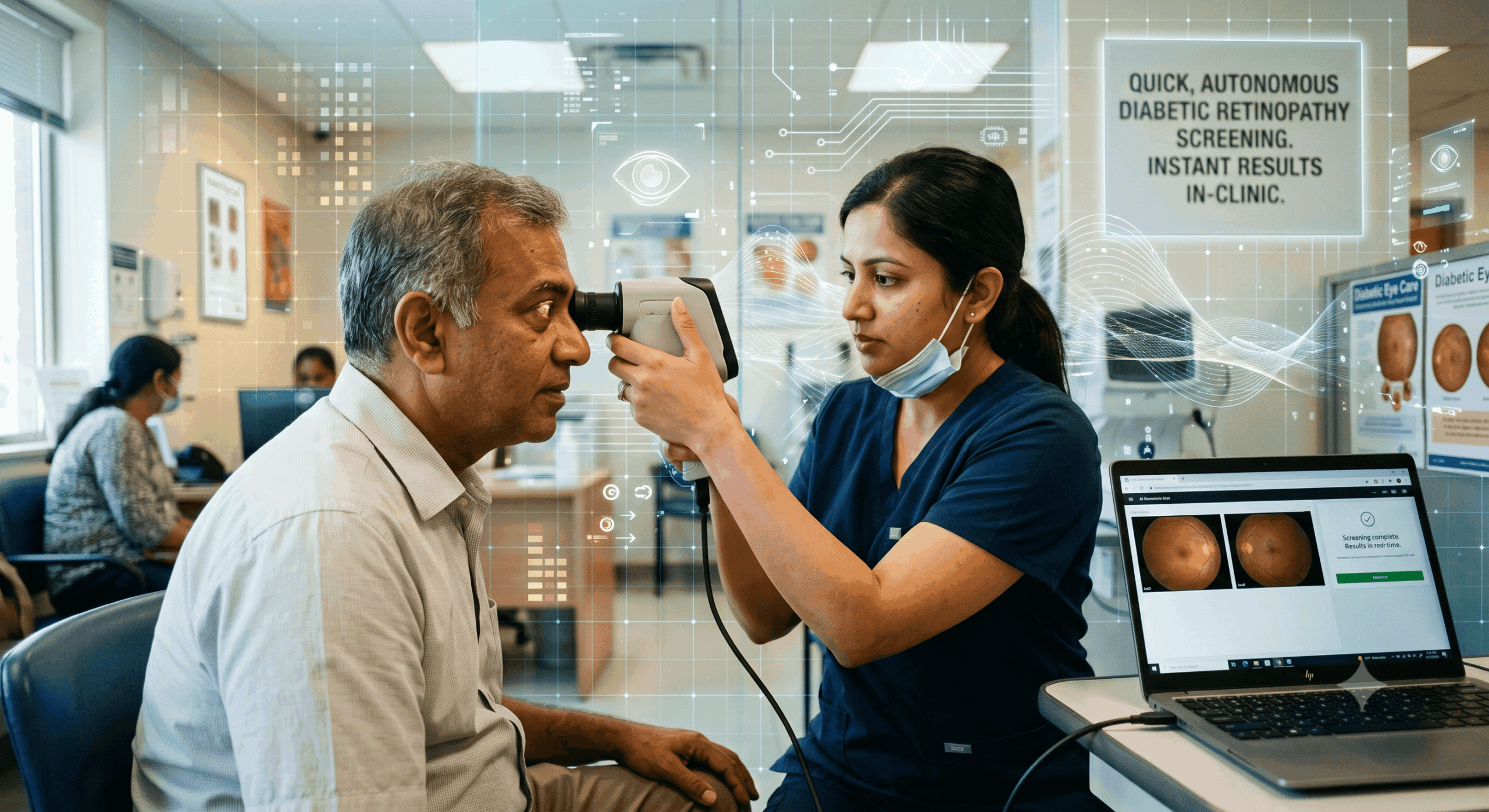
With the rise of AI patient experience platforms, smart clinics now use imaging tools that analyze scans for anomalies with greater speed and accuracy than traditional methods. Some applications include:
- AI tools that highlight abnormalities in X-rays or MRIs.
- Algorithms that detect early signs of cancer or cardiac risk.
Pairing AI with healthcare software ensures physicians make data-backed decisions, minimizing diagnostic delays and errors.
Predictive Safety Monitoring
Advanced AI systems in smart clinics monitor not just diagnostics but environmental and patient safety parameters:
- Predicting fall risks in elderly patients.
- Flagging incorrect medication dosages or interactions.
Boosting Operational Efficiency with AI and Analytics
Clinic Inventory and Billing Optimization
Smart clinics also use AI to manage backend tasks like inventory and financial reporting:
- AI-based inventory tools ensure timely restocking of medical supplies.
- Predictive billing systems reduce errors and automate claim submissions, linking seamlessly with clinic management software.
Intelligent Workflow Automation
From patient intake to discharge, AI guides every touchpoint, reducing administrative overload and wait times.
Training, Compliance, and Scalability
AI in Clinical Training
New doctors and practitioners benefit from simulated learning environments supported by AI:
- Virtual patients allow clinicians to practice diagnosing and treating complex conditions.
- Continuous performance analytics help guide improvement.
Ensuring Regulatory Compliance
Smart clinics also rely on AI to ensure they stay compliant with healthcare regulations:
- Auto-generating compliance reports.
- Tracking privacy settings for patient data across systems.
With such functionality built into modern EMR software, clinics can focus more on care and less on audits.
Real-World Examples of Smart Clinic Transformation
Case Study 1: Multispecialty Clinic in Bangalore
A clinic deployed AI-driven scheduling and a chatbot to handle incoming patient queries. The result:
- 35% reduction in missed appointments.
- 2x increase in daily consultations without extra staff.
Case Study 2: Dermatology Practice in Nairobi
By implementing diagnostic AI integrated with clinic EMR, the clinic saw:
- 25% improvement in diagnostic accuracy for skin disorders.
- Higher patient retention thanks to improved engagement.
The Future of AI in Smart Clinics
As the digital infrastructure of smart clinics matures, we can expect even greater enhancements in AI patient experience:
- Biometric-based patient ID and file retrieval.
- Real-time care coordination between specialists.
- Predictive tools for population health planning.
These advancements, when combined with tools like EasyClinic’s health data analytics and EMR solutions, will redefine what patients expect from clinical care.
Conclusion: Why Every Doctor Should Consider Smart Clinic Transformation
The shift to smart clinics is no longer a futuristic concept—it’s the new standard for competitive and patient-centered medical care. From AI patient experience enhancements to backend optimization, smart clinics transform every touchpoint of care delivery. Whether you’re a new doctor building your practice or a seasoned professional expanding services, adopting AI-driven workflows, integrated clinic software, and predictive tools will improve outcomes, reduce overheads, and future-proof your clinic.
To get started with transforming your practice into a smart clinic, visit EasyClinic or contact us for a customized digital health consultation.