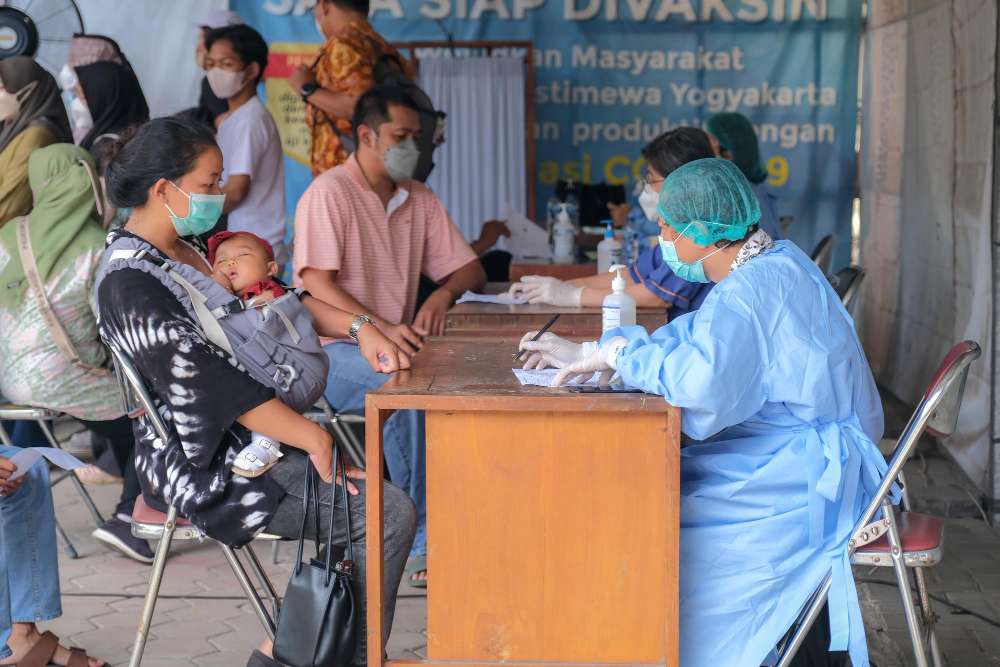
Volunteering as a doctor isn’t just an altruistic act; it is a profound journey of professional and personal transformation. In the demanding rhythm of daily clinic life, it’s easy to get caught up in the routines of appointments, diagnoses, and managing operations. Yet, many of us feel a deeper calling, a desire to give back to society, to apply our skills where they are needed most, often beyond the familiar environment of our own clinic. This pursuit of social impact in healthcare provides a unique opportunity for personal growth through service, fundamentally reshaping our perspectives on medicine, patients, and the world around us. We at Easy Clinic understand the drive behind this desire and support practitioners in finding balance and making time for such impactful work.
Beyond the Clinic Walls: Diverse Experiences Reshaping Perspective
Our worldviews as healthcare professionals are significantly shaped by the environments we work in and the patients we serve. While a busy private practice or hospital setting offers invaluable experience, volunteering as a doctor exposes us to realities that might otherwise remain unseen. These experiences challenge our assumptions, broaden our understanding of human resilience, and deepen our empathy in ways routine practice often cannot.
Local Community Service: Uncovering Hidden Needs
Often, the opportunity to give back to society is right in our backyard. Working in local free clinics, participating in community health fairs, or providing medical support at shelters reveals health disparities that exist even in seemingly affluent areas. We see firsthand the barriers to care faced by vulnerable populations – lack of insurance, transportation issues, language barriers, and the profound impact of social determinants like housing and food insecurity on health outcomes. Volunteering in these settings sharpens our diagnostic skills in resource-limited environments and teaches us the importance of resourcefulness. It highlights the need for accessible healthcare solutions and informs how we might structure our own practices or contribute to public health initiatives. Understanding these local needs can even influence how we utilize clinic data insights from our EMR software to identify patterns and potentially offer targeted support or free clinics ourselves.
International Medical Missions: Global Health Realities
Serving abroad, whether in response to a disaster or on a planned medical mission, catapults us into vastly different healthcare landscapes. Limited supplies, unfamiliar diseases, rudimentary facilities, and complex cultural contexts become the norm. These experiences foster incredible adaptability and resilience. We learn to innovate under pressure, collaborate with international teams, and communicate effectively across language and cultural divides. Witnessing global health inequities firsthand provides a stark perspective on the privileges and challenges of healthcare delivery worldwide. It deepens our commitment to global health and justice. Tools like Easy Clinic’s Integrated Communication features could even prove vital in coordinating with teams or patients across different regions, showcasing the universal need for efficient clinic management, regardless of location or resources.
Specialized Pro Bono Work: Applying Expertise for Equity
For doctors with specialized skills – surgeons, psychiatrists, dermatologists, etc. – offering pro bono services allows them to apply their high-level expertise to those who would otherwise never access it. Performing a life-changing surgery for someone who cannot afford it, providing critical mental health support, or diagnosing complex skin conditions in underserved communities reinforces the core mission of medicine. This type of social impact in healthcare is profoundly rewarding and highlights the stark disparities in access to specialized care. It strengthens clinical skills by presenting unique challenges and deepens the understanding of how economic barriers impact health outcomes. It underscores the value of each patient interaction and reinforces the purpose behind demanding years of training.
Public Health and Education Initiatives: Addressing Systemic Issues
Volunteering can extend beyond direct clinical care to public health campaigns, health education workshops, and advocacy. Participating in vaccination drives, teaching hygiene in schools, or contributing expertise to policy discussions reveals the power of prevention and population-level health strategies. It shifts our focus from individual patient encounters to understanding and addressing the systemic factors that influence health. This broadens our perspective on the physician’s role beyond the examination room and highlights the importance of community engagement. Insights gained here can directly inform how we leverage EMR analytics care within our own clinics to identify public health trends or patient populations at risk, contributing valuable clinic data insights to broader health initiatives. We can even use AI-Powered Assistance within our clinic EMR to flag patients who might benefit from public health resources we’ve become aware of through volunteering.
The Skills and Perspectives Forged Through Service
Volunteering as a doctor is a powerful catalyst for developing crucial skills and perspectives:
Enhanced Empathy and Cultural Competence
Working with diverse populations, often from different cultural or socioeconomic backgrounds than our usual patients, builds a deeper well of empathy and cultural sensitivity. We learn to listen more attentively, understand health beliefs that differ from our own, and navigate communication barriers with patience and respect. This translates directly to improved patient care in our regular practice, fostering stronger doctor-patient relationships and more personalized medicine AI approaches that consider the patient’s full context, captured effectively through a Comprehensive Medical History Record.
Resourcefulness and Innovation
Facing limitations in resources – be it equipment, medications, or personnel – forces us to think creatively and find innovative solutions. This problem-solving muscle is invaluable back in our clinics, making us more adaptable and efficient, even when resources are abundant. It teaches us the true meaning of ‘doing more with less’, a mindset that can lead to operational efficiencies within our clinic management.
Leadership and Teamwork
Volunteer settings often require rapid decision-making and effective collaboration with diverse teams (local healthcare workers, non-medical volunteers, community leaders). These experiences hone our leadership skills and our ability to function effectively as part of a multidisciplinary team, skills that are essential for running a successful and harmonious clinic.
Understanding Systemic Issues
Volunteering often provides a front-row seat to the systemic barriers that impact health – poverty, education, access to clean water, political instability. This understanding changes how we view individual patient cases, leading to more holistic care plans that consider the broader context of a patient’s life. This systemic perspective can inform how we use clinic data insights to advocate for community resources or tailor care strategies.
Increased Resilience and Reduced Burnout Risk
While demanding, the sense of purpose and fulfillment derived from volunteering as a doctor can act as a powerful antidote to the stresses and bureaucracy of daily practice. Connecting with the fundamental reasons we became doctors – to help others – can rekindle passion, build resilience, and provide a renewed sense of meaning, helping combat burnout.
Actionable Tips for Getting Started with Medical Volunteering
Ready to explore how volunteering as a doctor could shape your own worldview? Here are some tips to help you begin:
- Research reputable organizations: Look for established local charities, international NGOs like Doctors Without Borders (https://www.doctorswithoutborders.org/), or programs run by medical societies or universities.
- Start small: You don’t have to commit to a long international mission immediately. Consider local free clinics, health screening events, or offering pro bono hours a few times a month.
- Leverage your clinic’s efficiency: Utilize tools like EasyClinic’s clinic management software to streamline appointments, EMR tasks, and billing. Gaining back just a few hours a week through efficient workflows can create room for service. Our 30 Second Prescription and Point and Click Input features are designed to give you back valuable time.
- Talk to colleagues: Many doctors volunteer. Ask for recommendations and insights based on their experiences.
- Identify your passion: What population or health issue resonates most with you? Focusing your volunteering efforts will make it more meaningful and sustainable.
Why Volunteering Matters for Your Practice and Patients
The impact of volunteering as a doctor extends far beyond personal fulfillment. It directly enhances the quality of care you provide in your regular practice. The skills honed – adaptability, communication, resourcefulness, empathy – make you a better clinician and a more compassionate healer. A doctor with a broadened worldview is better equipped to understand the complex lives of their patients and provide truly comprehensive care, moving closer to the ideal of personalized medicine AI which requires deep patient understanding.
Furthermore, volunteering can positively impact your clinic environment. Sharing your experiences can inspire your team, boost morale, and foster a culture of service. The resourcefulness learned in challenging environments can spark innovative solutions to operational challenges within your own practice, perhaps leading to better use of EMR analytics care or optimizing patient flow. By leveraging modern healthcare software like EasyClinic to manage the complexities of running a modern clinic efficiently, you not only improve patient care but also create the capacity to pursue these enriching opportunities. The insights gained from volunteering can even inform strategies like health plan automation, ensuring your clinic is designed to support patients with diverse needs effectively.
Key Benefits of Medical Volunteering
Volunteering as a doctor offers significant benefits, including enhanced empathy, improved cultural competence, increased resourcefulness, stronger leadership skills, a deeper understanding of systemic health issues, and greater professional resilience against burnout.
Frequently Asked Questions About Medical Volunteering
Can I volunteer if I have limited time?
Yes, many organizations offer flexible opportunities, from a few hours per month at a local clinic to weekend events or short-term international trips. Finding time is easier when your practice operations are streamlined by efficient clinic software.
How do I find reputable volunteering opportunities?
Start with established organizations like the WHO, CDC, major non-profits, or your professional medical associations. Online databases also list vetted opportunities. Due diligence is key.
Does volunteering help with burnout?
For many, connecting with the core mission of medicine through service provides a powerful sense of purpose and fulfillment that can significantly help mitigate professional fatigue and burnout.
How does volunteering impact my clinical skills?
Working in diverse, often resource-limited settings can sharpen diagnostic abilities, improve adaptability, enhance communication, and expose you to conditions or challenges not commonly seen in your regular practice.
Can clinic management software help me make time for volunteering?
Absolutely. Clinic management software like EasyClinic streamlines administrative tasks – appointments, billing, EMR, communication – freeing up valuable time that can be dedicated to volunteering or other meaningful pursuits.
Resources for Exploring Medical Volunteering
- World Health Organization (WHO): Provides global health information and initiatives.
- Centers for Disease Control and Prevention (CDC): Offers domestic and international public health programs.
- Doctors Without Borders (MSF): A leading international medical humanitarian organization.
- EasyClinic.io: Explore how efficient clinic management can support your professional goals, including making time for service.
- EasyClinic: How AI-Powered EMR is Transforming Clinic Management: Learn how technology streamlines operations.
Conclusion
The decision to engage in volunteering as a doctor is a powerful step towards broadening your horizons and deepening your connection to the core values of medicine. It is an investment in personal growth through service that pays dividends in enhanced skills, increased empathy, greater resilience, and a richer, more nuanced understanding of the diverse patients we serve and the complex world of healthcare. These experiences shape not just individual careers but contribute to the broader social impact in healthcare. As you consider your own journey, remember that modern tools are available to support your practice, making it easier to manage demands and create space for the service that can transform your worldview and practice, allowing you to focus on delivering excellent care, perhaps even applying insights gained from volunteering towards more effective personalized medicine AI strategies facilitated by comprehensive EMR analytics care.
Easy Clinic is a powerful clinic management platform built for doctors and growing healthcare chains. From appointment scheduling and EMR to billing and analytics, Easy Clinic helps you streamline operations and focus more on patient care. Ready to transform your clinic’s workflow? Visit EasyClinic.io to learn more or book a demo.