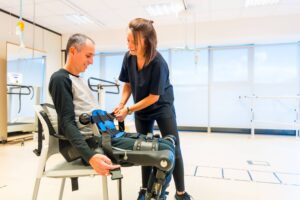
The “Before and After” Economy and How Clinics Build Trust Online
A patient walks into your clinic in India and says something that sounds simple, but changes everything.
“I saw your results on Instagram.”
Not your qualifications. Not your equipment. Not your years of experience. Results. Stories. Before and after patient stories.
This is the reality of healthcare growth today. Patients do not discover clinics the way they used to. They are not only asking friends and family. They are scrolling. Comparing. Watching. Deciding.
And they are deciding based on trust signals.
That is why patient stories marketing has quietly become the strongest form of modern clinic growth. Not because it is flashy, but because it feels real. It gives patients a mental preview of what care looks like, what the journey feels like, and what kind of clinic they will be walking into.
But most clinics in India are approaching this the wrong way.
They either avoid patient stories entirely because of privacy worries or they post random testimonials that do not translate into trust. The clinics that win are doing something different. They are building a structured system where healthcare storytelling becomes part of operations, not an occasional social media task.
This blog is a practical guide to building a compliant, credible, repeatable patient stories marketing engine using real clinic workflows. It shows how to turn patient journeys into trust online, while keeping care respectful, privacy safe, and operationally easy for your team.
Introduction: The Moment a Patient Chooses You Without Meeting You
In the past, a patient chose a clinic after meeting the doctor. Today, many patients choose a clinic before they ever step inside.
They have already formed an opinion based on:
A story they saw
A review they read
A testimonial, they believed.
A before-and-after patient story that felt like someone they know
This is where healthcare trust marketing begins.
Not with promotional claims. With proof. With narrative. With human moments.
The clinic that understands this creates a new kind of trust. The clinic that ignores it becomes invisible, even if clinical quality is strong.
This is why the “before and after economy” matters.
It is not only about aesthetics or cosmetic care. It is about confidence. It is about what patients believe is possible, and who they believe can help them.
And the most powerful way to shape that belief is patient stories marketing.
What The Core Problem Clinics Face
The core problem is not that clinics do not have good outcomes.
The core problem is that clinics struggle to translate outcomes into trust online.
Most clinics have patient success stories. They happen every week. A patient’s pain has reduced. A condition improves. Anxiety drops. A chronic issue becomes manageable. Life becomes easier.
But these stories stay inside the clinic walls.
Online, the clinic looks like every other clinic.
Generic photos
A few awards
A list of services
Occasional posts that feel promotional
This creates a trust gap. Patients want to know:
Does this clinic handle cases like mine
Do they explain things clearly?
Will I feel comfortable there?e
Will they follow up
Will they treat me respectfully?
This is why patient testimonials in healthcare are not optional anymore. They are part ofthe clinic brand trust.
But the way clinics usually do testimonials fails for one reason.
They treat stories as content, not as experience.
A story is not a quote. A story is a journey. It includes:
The starting point
The fear or frustration
The care process
The small wins
The moment the patient felt relief or clarity.
The after state that feels believable
Without that structure, your patient stories marketing effort becomes noise.
Why This Problem Is Getting Worse
The trust gap is widening because patient behaviour is changing faster than clinics are adapting.
Patients are comparing clinics like brands.
In India, patients now evaluate healthcare choices the same way they evaluate any high-involvement purchase. They check Google reviews. Instagram pages. YouTube videos. WhatsApp conversations. They form opinions quickly.
Attention spans are shorter.
A clinic has seconds to build trust. A wall of text does not work. A human story does.
Competition is rising in every city.
Even small cities now have clinics with good branding and digital presence. They may not be clinically better, but they look clearer, calmer, and more reliable online.
Misinformation spreads faster
Patients are exposed to misleading claims online. This makes them more cautious. They want proof, but they also want authenticity. That is the tension.
Privacy expectations are higher.
Clinics must be careful about consent and patient identity. This makes many teams avoid before-and-after patient stories altogether.
So clinics end up with two bad options.
Option one. Avoid stories. Stay invisible.
Option two. Post random stories. Risk, trust and compliance.
The better option is a system.
A clinic needs patient stories marketing that is structured, consent-led, and operationally simple.
Rethinking the Problem: Patient Stories Are Not Marketing Assets, They Are Trust Infrastructure
The shift is subtle but powerful.
Marketing tries to persuade.
Stories help patients decide.
A patient’s story is not about showing off. It is about reducing uncertainty.
Patients are not looking for perfection. They are looking for familiarity.
They want to see a patient like them. A concern like theirs. A journey that feels realistic. A clinic that feels respectful.
This is why healthcare storytelling works better than claims. A claim asks for belief. A story earns belief.
So the right framing is:
Patient stories are not a social media task.
Patient stories are your trust infrastructure.
When you treat patient stories marketing as infrastructure, you stop posting randomly and start building a pipeline that your clinic can run every week.
This is also where clinic brand trust becomes predictable rather than luck-based.
How EasyClinic Solves This in Practice
Most clinics fail at storytelling because they do not have the operational foundation to capture stories easily.
They rely on memory. Staff notes. WhatsApp screenshots. Informal follow-ups. That is messy and unreliable.
EasyClinic helps clinics create a workflow where patient journeys are organised and story-ready, without forcing doctors to do extra work.
The goal is not to turn your clinic into a content factory. The goal is to make patient stories easier to capture ethically and consistently.
When clinics use an AI-powered clinic management and EMR platform like EasyClinic, three practical things become possible.
1. Patient journeys become structured
A story needs a clear timeline. First visit. Follow-ups. Milestones. Outcomes. EasyClinic helps maintain continuity so that the journey is not lost.
2. Patient communication becomes consistent
Trust is built not only by outcomes but by how the clinic communicates. With structured workflows, the clinic can follow up reliably, which improves satisfaction and creates stronger stories.
3. Teams can collaborate without chaos
Doctors, admins, and front desk teams can coordinate patient follow-ups smoothly. That reduces friction and improves the experience patients talk about.
Explore how this operational foundation supports better clinic systems at http://143.198.231.228/features/.
For the broader platform overview, visit http://143.198.231.228/
Practical Wow Use Cases Clinics Rarely Think About
These are real clinic moments that create stronger stories than typical testimonials. They also work across specialities in India, not only in aesthetic clinics.
1. The story is not the outcome; it is the moment the patient felt understood
Many patients remember one sentence more than the entire treatment.
For example:
The doctor said, “Let’s make this simple. Here’s the plan.”
That moment is powerful healthcare storytelling because it represents clarity. Patients crave clarity. If your clinic records and workflow enable consistent explanations and follow-ups, patients will naturally share that.
This is patient stories marketing that feels believable.
2. The follow-up that surprised the patient
Most clinics do not follow up unless the patient returns.
A patient who receives a structured follow-up message feels cared for. They remember it. They mention it to family. They leave a review.
The story becomes:
They didn’t forget me after the visit.
That is healthcare trust marketing without any promotional push.
3. The patient who came for one issue and stayed for the experience
This happens often in India. Patients try one clinic once, then make it their long-term clinic because it feels organised.
If your clinic journey is smooth, your patient’s story becomes:
I didn’t have to chase them.
They guided me
Everything was clear
This is a clinic brand trust created by operations.
4. The front desk story nobody tells, but everyone feels
Patients notice the front desk tone. They notice confusion. They notice delays.
A clinic that runs on calm workflows creates a story patients repeat:
The staff were polite and organised.
I knew what to do
They handled everything smoothly.
That is patient stories marketing rooted in service design.
5. The mini milestone story
Not every story needs a dramatic transformation.
Small milestones are more relatable and more trustworthy. For example:
Sleep improved
Confidence returned
Pain reduced
Skin irritation stopped recurring.
Follow-ups became manageable.
These are powerful before-and-after patient stories because they feel realistic.
What Clinics Notice After Implementation
When clinics build a story-driven trust system, they notice changes in weeks.
Not in vanity metrics first. In behaviour.
Patients ask fewer anxious questions.
Because the clinic feels structured.
Repeat visits increase naturally.
Because trust is already built.
Referrals become more specific.
Patients do not say “good clinic.” They say “they handle this well.”
Reviews become richer
Instead of one-word ratings, patients describe the journey. Those reviews become marketing assets.
The clinic gains a recognisable identity
This is a healthcare brand positioning emerging naturally. Not forced.
Over time, patient stories marketing becomes the engine behind sustainable growth.
Patient Experience Transformation: What Trust Feels Like Online
A patient reading your online presence is looking for emotional certainty.
They want to feel:
I will be safe here
I will be guided
I will not be judged.
I will not be rushed.
This clinic will explain.
This clinic will follow up.
This is what patient-centric trust looks like.
Here is how patient stories change that perception.
Before stories
Patients feel alone with their problem. They fear being judged. They fear wasting money. They fear uncertainty.
After stories
Patients feel that their concern is normal. They see a path. They see clarity. They see a clinic that knows what it is doing.
That is the “before and after economy.” It is not only about outcomes. It is about confidence.
This is why before-and-after patient stories and patient testimonials in healthcare outperform generic clinic posts. They answer the question patients are afraid to ask:
Will this work for someone like me
Why EasyClinic Is Built for This Problem
EasyClinic is built for clinics that want growth without chaos.
Patient stories marketing works best when the clinic is operationally consistent. The story must match reality. Otherwise, trust breaks.
EasyClinic supports:
- Structured patient journeys
- Reliable follow-ups
- Better continuity across visits
- Calmer front desk coordination
- Systems that make care feel predictable
This operational consistency is what produces strong, authentic healthcare storytelling.
You can explore how EasyClinic supports modern clinic journeys here:
http://143.198.231.228/
http://143.198.231.228/features/
If you are planning for scale, explore platform readiness here:
http://143.198.231.228/pricing/
10 FAQs
1. What is patient stories marketing in healthcare
Patient stories marketing is using real patient journeys to build trust online by showing the experience, the process, and the outcome in a respectful, consent-led way.
2. Why do before-and-after patient stories work so well
They reduce uncertainty. Patients can see a relatable starting point and a believable transformation, which builds confidence in the clinic.
3. Are patient testimonials in healthcare better than ads
For trust, yes. Ads attract attention, but testimonials build belief. Healthcare trust marketing relies on proof more than promotion.
4. Can clinics use patient stories without revealing identities
Yes. Clinics can share stories with consent while removing identifiable details, using anonymised narratives or partial visuals when appropriate.
5. How do clinics build clinic brand trust using stories
By sharing consistent journeys, showing how care is delivered, and highlighting clarity, follow-ups, and respect, not just outcomes.
6. Which specialities benefit most from healthcare storytelling
Almost all. Dentistry, dermatology, fertility, physiotherapy, paediatrics, general practice, and even diagnostics benefit because patients value journey and clarity.
7. What makes a patient’s story feel authentic
Specific moments. Small details. Realistic timelines. Clear explanations. A focus on experience, not exaggerated claims.
8. How often should clinics share patient stories
Consistency matters more than volume. Even one strong story per week can build long-term trust.
9. What is the biggest mistake clinics make with before-and-after patient stories
Posting transformations without context. Without explaining the journey, stories feel like advertising and trust drops.
10. How does EasyClinic support patient stories marketing
By helping clinics maintain structured journeys and reliable communication, making it easier to capture real experiences patients want to share.
Conclusion: Patient Stories Marketing Is the New Trust Currency in India
In India, patients are choosing clinics online before they meet doctors.
They are choosing based on trust signals. And the strongest trust signal today is a real story.
That is why patient stories marketing is no longer optional. It is the new trust currency.
When clinics use before and after patient stories responsibly, they create healthcare trust marketing that feels human, not promotional. They strengthen clinic brand trust by showing clarity, consistency, and care.
Most importantly, they reduce patient uncertainty. They help patients decide with confidence.
The clinics that win the next decade will not be the loudest. They will be the most believable.
EasyClinic helps clinics build the operational foundation that makes authentic healthcare storytelling easier and more consistent.
Explore EasyClinic here:
http://143.198.231.228/
http://143.198.231.228/features/
Soft Call to Action
If your clinic wants to grow online, start with the most powerful question patients ask silently.
Can I trust you
Patient stories answer that better than any advertisement.
Explore EasyClinic to see how an AI-powered clinic management and EMR platform can help your clinic deliver smoother journeys, and patients are proud to share:
http://143.198.231.228/