Epigenetics healthcare is ushering in a new era of precision, personalization, and possibility in modern medicine. This rapidly advancing field delves into how heritable changes in gene expression—without altering the DNA sequence—can profoundly influence health, disease development, and treatment outcomes. As research reveals the pivotal role of epigenetics in cancer, neurodegeneration, metabolism, and immunity, healthcare providers are exploring how genetic therapies can offer curative, preventive, and diagnostic breakthroughs.
Clinics equipped with digital infrastructure such as EMR software, clinic software, and health data analytics tools are increasingly positioned to integrate epigenetic approaches into everyday practice. This article explores the scope, applications, and future of epigenetics in healthcare.
What is Epigenetics?
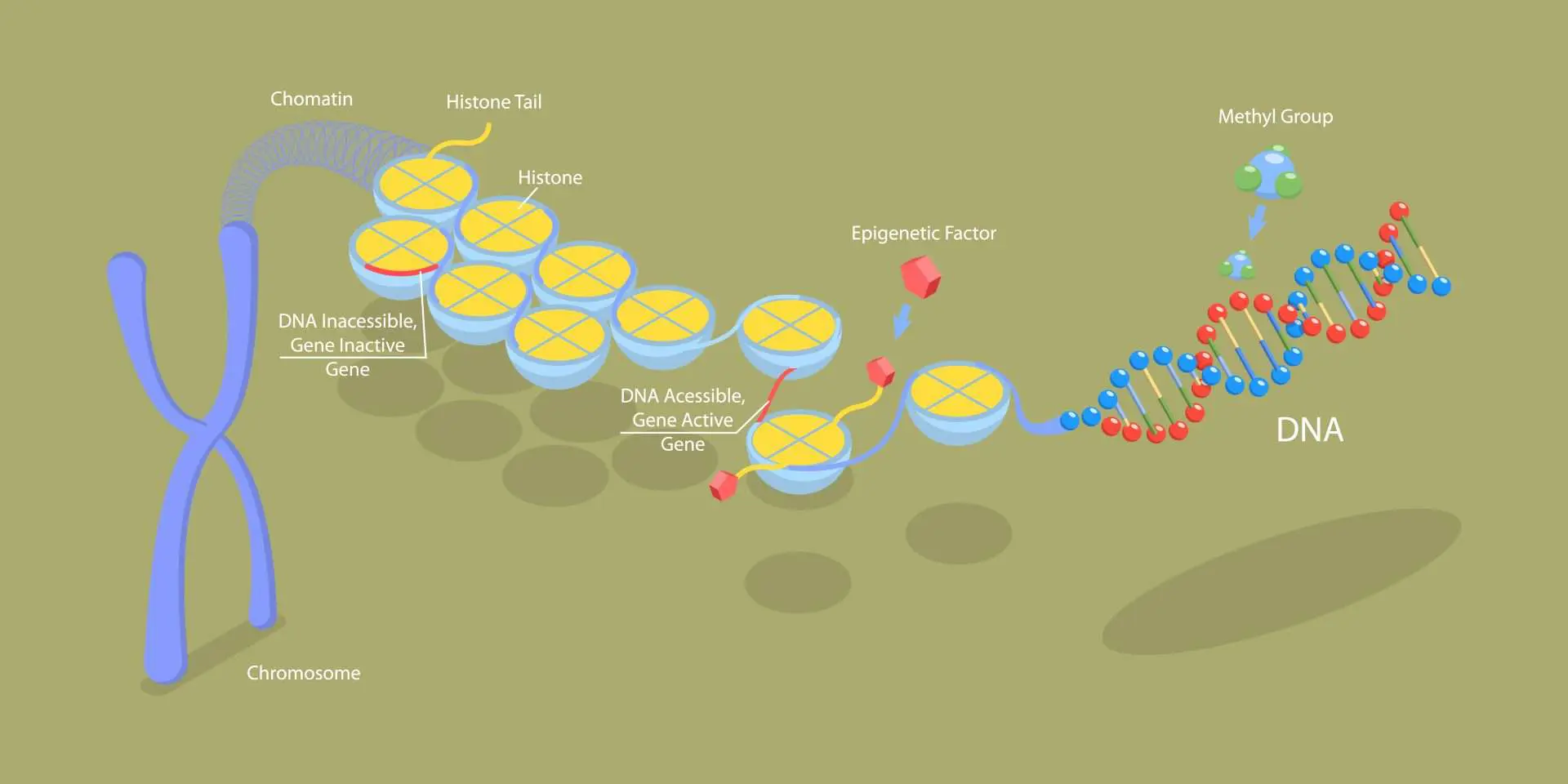
Epigenetics refers to the study of gene expression regulation that doesn’t involve changes in the DNA sequence itself. These modifications determine whether specific genes are turned “on” or “off,” and how actively they function in different cells.
Key Mechanisms of Epigenetic Regulation
- DNA Methylation: Addition of methyl groups typically silences gene activity.
- Histone Modification: Chemical changes to proteins around which DNA is wrapped influence gene accessibility.
- Non-Coding RNAs: Regulate gene expression at transcriptional and post-transcriptional levels.
These mechanisms are dynamic, can be influenced by environmental and lifestyle factors, and often remain stable enough to serve as biomarkers.
Epigenetics and Human Health
In normal physiology, epigenetic modifications guide development, aging, and tissue repair. When dysregulated, they contribute to disease pathogenesis.
Health Impacts of Epigenetic Changes
- Cancer: Tumor suppressor genes can be silenced or oncogenes activated via methylation.
- Neurological Disorders: Epigenetic alterations play roles in autism, schizophrenia, and Alzheimer’s disease.
- Autoimmune Diseases: Misregulation of immune-related genes affects disease susceptibility.
- Metabolic Disorders: Conditions like obesity and type 2 diabetes are linked to epigenetic profiles influenced by diet and stress.
Epigenetic shifts often precede symptoms, making them ideal for early detection through advanced clinic EMR systems.
The Promise of Genetic Therapies in Epigenetics Healthcare
Genetic therapies that target epigenetic mechanisms are redefining what’s possible in disease treatment and management.
Therapeutic Opportunities
- Reversibility: Unlike genetic mutations, epigenetic changes are reversible, allowing for novel drug interventions.
- Epigenetic Drugs: Approved drugs like azacitidine (for leukemia) and HDAC inhibitors are already improving outcomes.
- Combination Therapy: Epigenetic modulators can increase the efficacy of immunotherapy and chemotherapy.
Personalized epigenetic therapy regimens can be tracked and adapted through clinic management software that integrates genetic data with treatment history.
Diagnostic Potential: Beyond Symptoms
Epigenetics is expanding the diagnostic toolbox with new ways to detect disease risk, stage progression, and treatment responses.
Biomarker Innovation
- Liquid Biopsies: Methylation markers in blood or saliva can signal early disease.
- Cancer Detection: Assays like Epi proColon detect colorectal cancer from stool samples.
- Neurological Risk Prediction: Altered epigenetic profiles help identify at-risk individuals.
Future diagnostic platforms powered by AI-based healthcare software will use these markers for real-time disease monitoring.
Real-World Use Cases of Epigenetics
Epigenetics healthcare is already making a tangible impact across medical specialties.
Applications
- Cancer: Epigenetic drugs like DNA methyltransferase inhibitors and histone deacetylase (HDAC) inhibitors are FDA-approved for leukemia, lymphoma, and myelodysplastic syndrome.
- Neurological Disease: Early trials are testing HDAC inhibitors for Huntington’s disease and Rett syndrome, aiming to restore gene balance in brain cells.
- Metabolism: Studies have shown that epigenetic patterns in newborns can predict obesity and insulin resistance, allowing early interventions.
Using clinic software, practitioners can integrate such findings into risk assessments and preventive strategies.
Future Trends in Epigenetics Healthcare
The integration of epigenetics healthcare into mainstream medicine will bring several forward-thinking developments.
Emerging Trends
- Epigenetic Profiling in Preventive Care:
- Routine Testing: Epigenetic risk assessments will become as common as cholesterol tests.
- Predictive Analytics: AI models will forecast disease risks based on epigenetic data.
- Personalized Genetic Therapies:
- Targeted Delivery: Nanocarriers will deliver epigenetic drugs to specific tissues.
- Gene Silencing/Reactivation: RNA-based therapies will modulate gene activity directly.
- Integrated Data Platforms:
- Real-Time Monitoring: Continuous updates via wearable biosensors.
- Patient Portals: Enable engagement through AI-powered communication tools.
Clinics that implement these trends with the help of EMR software will improve outcomes and patient loyalty.
Implementation in Clinics and Practice Settings
To incorporate epigenetics healthcare, clinics must build workflows that bridge research and practice.
Recommended Strategies
- Staff Training: Educate providers on reading and interpreting epigenetic tests.
- Integrated Documentation: Record findings in clinic EMRs for long-term tracking.
- Inventory Planning: Stock reagents and test kits using AI-enabled inventory systems.
- Ethical Consent: Maintain transparency about potential impacts using clinic management tools.
Challenges and Considerations
Despite its promise, epigenetics healthcare faces several challenges.
Current Barriers
- Complexity: The dynamic nature of epigenetics makes it harder to standardize treatments.
- Safety Concerns: Overcorrecting gene expression may lead to unwanted effects.
- Cost: Advanced testing and therapies remain expensive.
As technology evolves, these hurdles will be reduced by efficient systems and better clinical understanding.
Conclusion: A New Era in Personalized Care
Epigenetics healthcare represents a powerful shift from reactive to proactive, personalized medicine. By understanding how genes are regulated—and how that regulation can be changed—we unlock new methods to prevent, diagnose, and treat complex conditions.
As genetic therapies evolve and become more integrated into daily practice, clinics must prepare with the right infrastructure: from EMR software and patient engagement platforms to AI-based decision support tools.
To learn how EasyClinic can help your practice embrace epigenetics and precision care, contact us today.