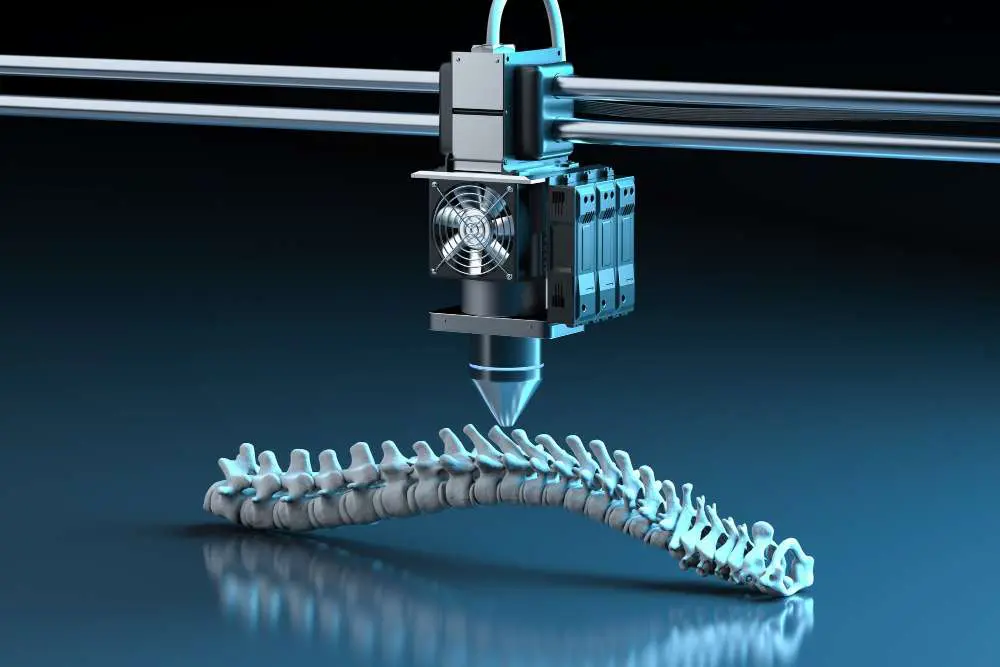
3D printing medicine is transforming the global medical landscape through innovation, personalization, and accessibility. From printing custom medical devices and anatomical models to advancing bioprinting and pharmaceutical manufacturing, healthcare innovation driven by 3D printing is making patient care more precise and responsive. This evolution is especially critical for clinics looking to offer cutting-edge services, optimize care workflows, and streamline diagnostics using tools like EMR software and clinic management software.
Personalized Medical Devices: Tailoring Solutions to Patients
One of the most impactful aspects of 3D printing medicine is its ability to deliver highly customized medical devices designed for an individual’s anatomy and needs.
Key Applications
- Prosthetics: Personalized limb prosthetics improve comfort and functionality.
- Orthopedic Implants: Joint replacements and spinal cages customized for fit and performance.
- Dental Appliances: Crowns, bridges, and aligners printed for optimal patient match.
- Surgical Guides: Patient-specific templates help surgeons plan precise incisions.
These tailored devices reduce complications and support long-term patient satisfaction, especially when tracked through clinic EMR platforms.
Enhancing Surgical Planning and Simulation
Surgeons can now use 3D-printed anatomical models to better prepare for complex procedures.
Clinical Benefits
- Anatomical Accuracy: Models replicate patient-specific features from CT/MRI scans.
- Pre-Surgical Simulation: Teams can rehearse complex surgeries, improving outcomes.
- Informed Consent: Helps patients understand surgical risks and expectations.
These models are especially valuable in orthopedic, cardiac, and craniofacial surgeries and can be seamlessly documented using modern clinic software.
Accelerating Innovation Through Rapid Prototyping
3D printing medicine dramatically shortens the design-to-deployment cycle for medical devices.
Advantages
- Speed: Prototypes can be printed in hours rather than weeks.
- Lower Cost: Reduces reliance on traditional mold-based manufacturing.
- Design Flexibility: Iterations can be tested and refined quickly.
Clinics and startups can use this approach to develop customized tools, supported by AI-powered health data systems to assess performance metrics.
On-Demand Pharmaceutical Manufacturing
Healthcare innovation is also extending into drug formulation. 3D printing allows for personalized, localized production of medications.
Key Breakthroughs
- Tailored Dosages: Medications with variable drug strengths and release profiles.
- Polypills: Combine multiple medications into a single, convenient pill.
- Decentralized Production: Reduces supply chain bottlenecks and facilitates emergency manufacturing.
With EMR software, dosage records and medication schedules can be auto-synced for patient safety.
Bioprinting: The Future of Transplant Medicine
The frontier of 3D printing medicine is bioprinting—printing living tissues, and one day, entire organs.
Current and Future Applications
- Skin Grafts: Engineered for burn victims and wound healing.
- Cartilage and Bone: Used in joint reconstruction and trauma recovery.
- Organ Prototypes: Labs are printing early-stage liver, kidney, and heart tissues.
- Personalized Transplants: Reduces rejection risks by using a patient’s own cells.
Though in early stages, bioprinting is poised to transform regenerative medicine and can be documented and monitored via healthcare software systems.
Revolutionizing Medical Education and Patient Communication
3D printing has significant implications in training and education.
Educational Tools
- Anatomical Replicas: Teach medical students without relying solely on cadavers.
- Pathology Models: Show disease progression in physical form.
- Patient Counseling Aids: Help explain complex procedures visually.
These tools improve comprehension and allow patient-centered discussions in practices powered by clinic management software.
Advanced Drug Delivery Devices
Custom drug-delivery systems improve treatment adherence and convenience.
Innovations
- Smart Pills: Deliver medication at specific locations within the GI tract.
- Implants: Provide long-term drug release.
- Patient-Specific Devices: Adapt shape, dose, or delivery timing to the individual.
These innovations can be managed via AI-powered patient engagement systems that track outcomes and adherence.
Economic Efficiency and Scalability in Clinical Operations
Beyond the clinical advantages, 3D printing medicine can drive down healthcare costs.
Economic Impact
- On-Site Production: Avoids external procurement delays.
- Material Efficiency: Reduces waste.
- Streamlined Logistics: Eliminates storage issues by printing on demand.
With clinic software, inventory control and supply monitoring can be automated for efficiency.
Real-World Use Cases in Clinics
3D printing medicine is already making a difference in clinical settings.
Proven Success Stories
- Orthopedic Surgery: 3D-printed guides reduce surgical time by 20–30%.
- Craniofacial Implants: Custom implants offer better cosmetic and functional outcomes.
- Dental Applications: Crowns and bridges printed same-day in clinic labs.
- Surgical Planning Models: Used extensively in cardiac and neuro procedures.
All use cases benefit from integration into EMR platforms that link 3D plans, models, and procedural reports.
Challenges and Regulatory Considerations
Adoption of 3D printing in healthcare still faces hurdles.
Current Limitations
- Regulatory Approval: Medical device certification can be slow.
- Biocompatibility: Some printed materials still pose risks.
- Cost of Equipment: High setup costs for clinics.
- Workflow Integration: Need for clinician training and protocol adjustment.
Solutions include establishing protocols within clinic management systems for workflow automation and compliance.
Future Outlook: What’s Next in 3D Printing Medicine?
The future of 3D printing medicine is filled with possibility.
Emerging Trends
- AI-Driven Designs: Create device blueprints based on patient data.
- Point-of-Care Printing: Devices and drugs made during consultations.
- Biohybrid Implants: Combine synthetic and living tissue components.
- Global Access: Decentralized production in low-resource settings.
Clinics that adopt these trends with support from EMR software will lead the innovation curve.
Conclusion: The Future of Healthcare Innovation is 3D Printed
From precision devices and on-demand pharmaceuticals to bioprinted organs and advanced educational models, 3D printing medicine is the embodiment of healthcare innovation in action. As technology continues to evolve, the ability to provide better, faster, and more affordable care is becoming a reality.
To discover how EasyClinic can support your practice’s digital innovation, patient engagement, and 3D printing integration, contact us today.