In a time where virtual consultations, real-time patient monitoring, and remote surgeries are reshaping how healthcare is delivered, 5G telehealth is taking center stage. The rollout of 5G networks promises to transform not only connectivity speeds but the very fabric of patient-doctor interactions. With its ultra-low latency, enhanced bandwidth, and real-time responsiveness, 5G is paving the way for more dynamic, data-driven, and fast healthcare communication models—especially in clinics and telehealth setups.
This blog explores how 5G is empowering clinic management software, enhancing EMR software systems, and unlocking a future where distance is no longer a barrier to quality care.
The Foundation of 5G: What Makes It Ideal for Telemedicine?
5G telehealth brings three primary features that make it a game-changer for clinics and hospitals:
- High Data Throughput: Speeds up to 100 times faster than 4G allow real-time transfer of imaging diagnostics, large patient files, and video feeds.
- Ultra-Low Latency: Near-instantaneous data transmission allows seamless communication and remote surgical control.
- Massive Connectivity: Supports a vast array of IoT-connected healthcare devices, wearables, and sensors.
When paired with clinic software or EMR systems, these capabilities enhance not just operations, but also patient outcomes and satisfaction.
Enhanced Virtual Consultations and Fast Healthcare Communication
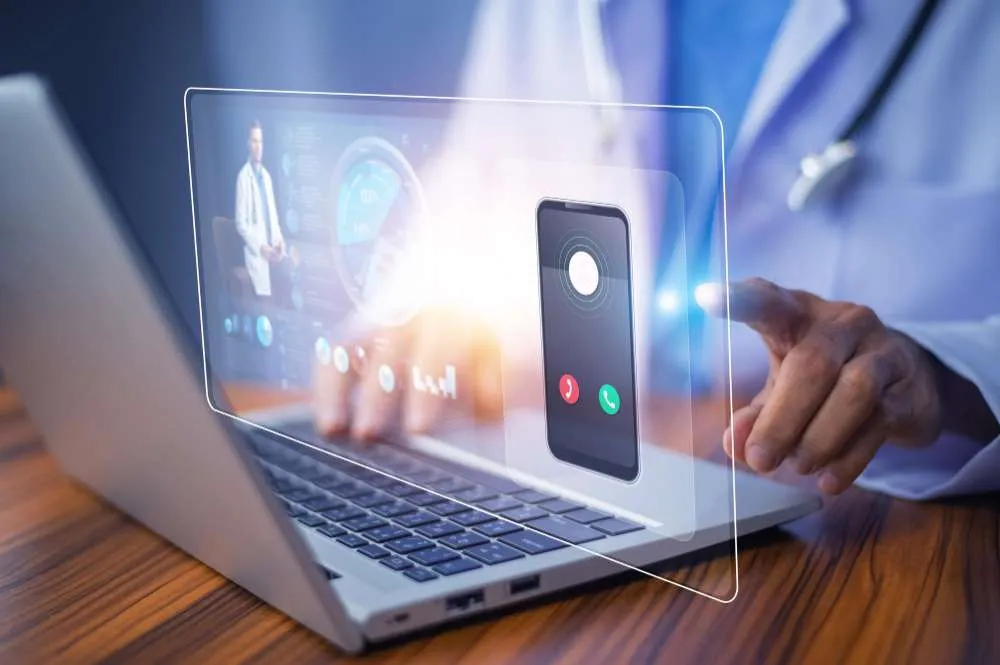
5G telehealth enhances video quality, reduces buffering, and improves voice clarity during virtual consultations. Doctors using EMR software can access and update records live, share test results, and even consult specialists mid-call—without delays.
Benefits
- Lag-free consultations using HD video and audio
- Real-time access to diagnostic tools and patient histories
- Better clinical decision-making and patient engagement
Learn how EasyClinic’s platforms are optimized for high-speed environments like 5G.
Real-Time Remote Patient Monitoring Using Wearables
With 5G, healthcare software can receive continuous data streams from wearables and connected devices:
- Blood pressure monitors
- Glucose sensors
- Smart inhalers
- Heart rate and sleep trackers
5G telehealth ensures uninterrupted data transmission, improving proactive intervention. This is critical for managing chronic diseases like diabetes or cardiac conditions remotely.
Related Resource: Patient Engagement with Wearables
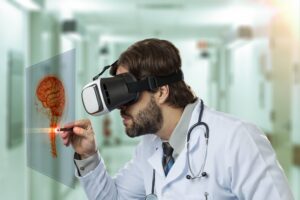
AR/VR in Remote Surgeries and Medical Training
Augmented Reality (AR) and Virtual Reality (VR) in surgery demand split-second responsiveness. 5G supports immersive simulations, tele-surgeries, and remote procedural training with:
- Real-time overlays during procedures
- Tactile feedback for robotic instruments
- Remote collaboration with global experts
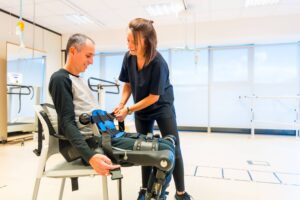
This transforms clinical training and expands specialist care into smart hospitals or rural clinics.
The Rise of AI-Powered Diagnostics with 5G Support
With fast healthcare communication, AI tools can analyze real-time imaging and lab data:
- Immediate diagnostic feedback
- Personalized treatment recommendations
- Data integration into clinic EMR systems
Explore AI-powered analytics in combination with high-speed 5G networks.
Remote Ultrasound and Teleradiology
5G allows live control of diagnostic tools from a distance. Doctors in urban hubs can now guide rural technicians performing:
- Ultrasounds
- Echocardiograms
- MRIs or CT scans
With live image streaming, radiologists can provide real-time feedback, significantly expanding diagnostic reach into underserved communities.
Benefits of 5G for Clinics and Telehealth Providers
- Enhanced patient access and engagement
- Improved operational efficiency
- Scalable remote care delivery
Relevant Links: Clinic Management with 5G
Data Security and Compliance in 5G Telehealth
While 5G enhances communication, it also necessitates robust data protection and healthcare cybersecurity practices:
- Encrypted transmission protocols
- HIPAA-compliant cloud storage
- Secure device access control
Tools like EasyClinic provide secure platforms compatible with 5G deployments.
See Also: Secure Billing Practices
Use Cases of 5G in Telehealth
- Urban-Remote Collaborative Care: A metro-based oncologist collaborates with a rural general practitioner on a cancer patient’s treatment using 5G telepresence tools.
- ICU Monitoring from Afar: Specialists monitor ICU patients in a satellite hospital through real-time sensors and cameras, improving care consistency.
- Home-Based Post-Op Monitoring: Patients recovering from surgery at home are monitored via smart wound sensors and wearables that transmit updates directly to their clinic.
Challenges and Considerations in Adopting 5G Telehealth
- Infrastructure Investment: Clinics must upgrade routers, modems, and compatible devices.
- Training and Adoption: Teams need onboarding and SOPs tailored to fast healthcare communication systems.
- Regulatory Navigation: Clinics must comply with both national and regional telecom-healthcare policies.
For support, consult EasyClinic.
Future Outlook: What Clinics Should Expect from 5G
As 5G matures, expect even more from your clinic management software and digital tools:
- Multi-stream remote diagnostics with AI integrations
- On-demand virtual specialists accessible 24/7
- Expanded use of healthcare software in cross-border care
Telemedicine isn’t just an option—it’s becoming the foundation for modern clinic EMR strategies.
Conclusion: Embracing 5G Telehealth for Smarter Clinics
The fusion of 5G telehealth with innovations like AI diagnostics, wearable monitoring, and remote imaging is revolutionizing healthcare delivery. Clinics that adopt fast healthcare communication strategies will gain a distinct edge in efficiency, accuracy, and patient trust.
To future-proof your clinic, explore platforms like EasyClinic that align with emerging 5G capabilities and empower modern medical practices.