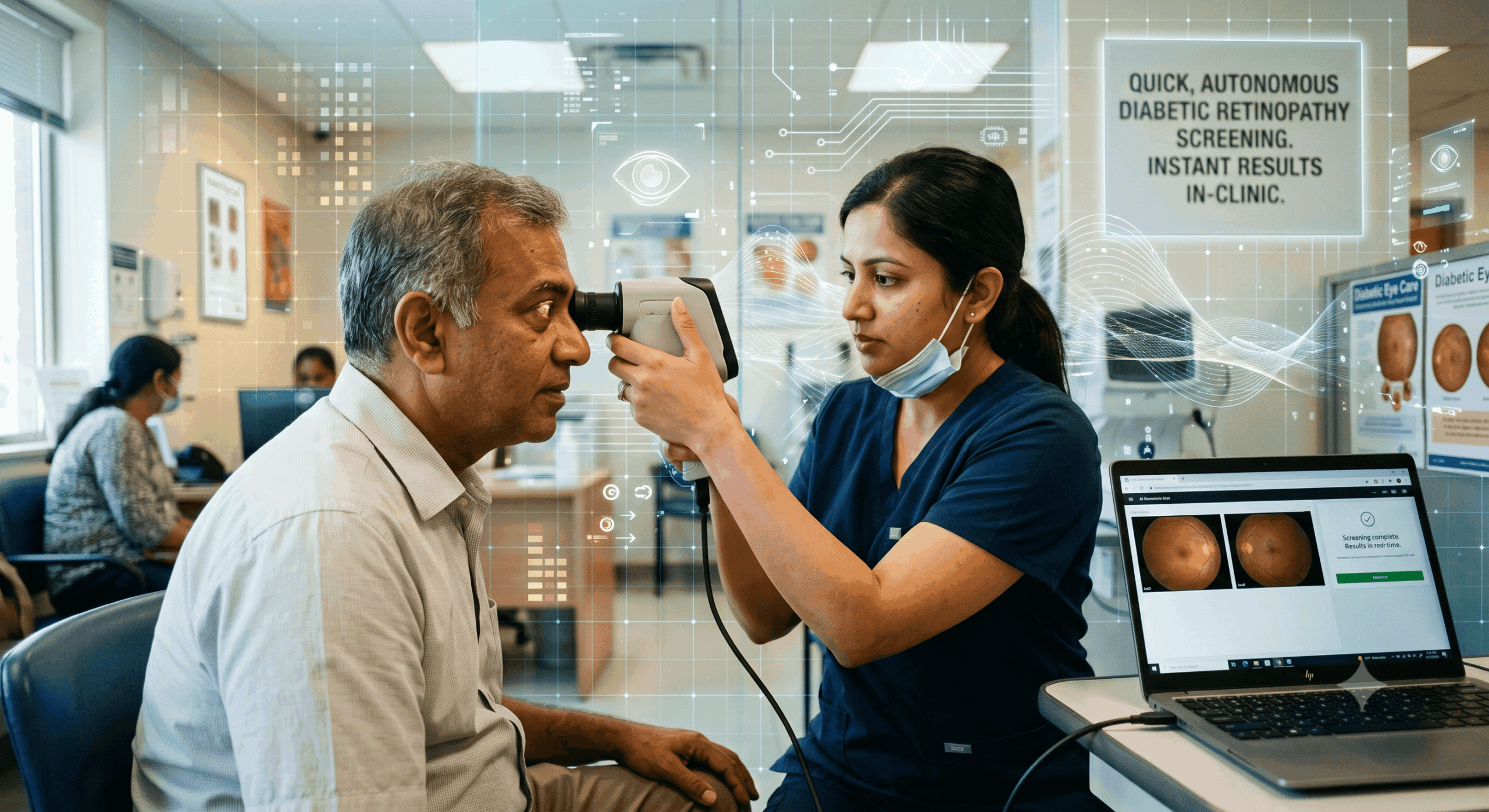
In today’s dynamic healthcare environment, keeping up with clinical guidelines 2025 is critical for clinicians, specialists, and healthcare administrators. With new healthcare regulations coming into play, clinics and doctors must adapt to maintain compliance, ensure patient safety, and improve care outcomes. From evidence-based medicine and patient-centric care to digitized workflows via EMR software, these updates reshape how care is delivered and managed.
Why Clinical Guidelines Matter More Than Ever
Clinical guidelines 2025 are a set of systematically developed statements intended to assist practitioner and patient decisions about appropriate healthcare. While not legally enforceable, they form the backbone of responsible medical practice and play a vital role in guiding treatment plans.
Key Benefits
- Promote consistency across practitioners and institutions.
- Encourage evidence-based treatments and better patient outcomes.
- Serve as benchmarks for compliance with healthcare regulations.
Incorporating these guidelines into clinic EMR systems allows doctors to align with best practices automatically.
Standard Treatment Guidelines: Elevating Quality and Equity
Standardized treatment pathways ensure patients receive care that is evidence-based and efficient, regardless of their location or provider.
Core Components
- Developed collaboratively by experts and stakeholders.
- Used in budgeting, care planning, and monitoring.
- Promote clinical accountability and measurable outcomes.
Smart clinic management software supports seamless adherence by integrating guideline-based protocols.
Evidence-Based Medicine: Foundation of 2025 Guidelines
At the heart of clinical guidelines 2025 is a reinforced commitment to evidence-based medicine. Doctors are encouraged to blend patient values, clinical expertise, and the latest research.
Benefits for Providers and Patients
- Treatments are based on data, not tradition.
- Prevents unnecessary tests and interventions.
- Builds patient trust through transparency.
Clinic software platforms can offer real-time access to these data-backed decisions, improving clinical accuracy and patient engagement.
Quality of Care: The 2025 Mandate
Improving the quality of care is a central aim of the clinical guidelines 2025. It’s not just about clinical outcomes, but also about enhancing the overall healthcare experience.
Focus Areas
- Reducing variability in clinical practices.
- Implementing consistent safety standards.
- Bridging research and practice in day-to-day clinical care.
These priorities can be operationalized via EMR software dashboards and analytics modules.
The Global Health Network’s Influence on Guidelines
A WHO Collaborating Center, the Global Health Network has made valuable contributions to international healthcare regulations. Their guidance influences:
- Clinical trial standards.
- Public health reporting tools.
- Cross-border regulatory harmonization.
Healthcare software must now accommodate international compliance features, making global alignment possible.
National Medical Commission (NMC) Guidance for Doctors
Key doctor updates have been released by India’s NMC to standardize clinical conduct:
- Prescription Writing: Emphasis on legibility and generic names.
- Generic Drug Use: Promoting affordability and access.
- Patient Consent and Education: Advocating for transparency in treatments.
These updates can be embedded into clinic EMR to automate compliance and boost patient trust.
How Guidelines Are Developed and Implemented
The process behind clinical guidelines 2025 is multi-layered:
- Literature reviews.
- Stakeholder engagement.
- Pilot testing.
Implementation in clinics is supported by training, workshops, and clinic management tools that simplify the shift.
Disease-Specific National Guidelines to Watch
Examples of condition-specific clinical guidelines 2025 include:
- Tuberculosis diagnostics and treatment.
- Mental health management protocols.
- Hearing loss and auditory care strategies.
- Epidemic containment and infectious disease controls.
These updates must be quickly integrated into EMR templates for swift application during consults.
Overcoming Barriers to Adoption
Despite their value, implementing new guidelines presents challenges:
- Limited Access: Not all clinics have timely access to updated materials.
- Time Constraints: Doctors often lack the time to read and apply new rules.
- Workflow Disruption: Legacy systems may resist new standards.
Solutions include:
- Digital Integration: EMRs that auto-flag outdated procedures.
- Training Modules: E-learning built into clinic software.
- Peer Networks: Forums and discussion boards to share use cases.
The Role of Technology in Enhancing Compliance
With rising demands on healthcare professionals, digital platforms are essential for streamlining adherence to clinical guidelines 2025.
Tech Innovations Supporting Doctors
- AI-based analytics: Help detect gaps in care.
- Smart inventory systems: Ensure guideline-recommended supplies are always available.
- AI billing tools: Improve coding accuracy and reduce claim denials.
Real-World Application: Case Examples
- Pediatrics: Clinics now use digital growth charts to align with new child development benchmarks.
- Geriatrics: EMRs prompt fall risk assessments per updated geriatric protocols.
- Primary Care: Vaccination reminders triggered by guideline changes are sent via AI patient engagement tools.
Professional Development and Continuous Learning
Doctors must adopt a mindset of lifelong learning to keep pace with doctor updates and best practices.
Action Steps for Clinicians
- Attend CME sessions.
- Join digital communities for peer review.
- Subscribe to guideline updates via their EMR.
Platforms like clinic management software can help coordinate staff training and certification.
Conclusion: Embracing Clinical Excellence in 2025 and Beyond
Staying current with clinical guidelines 2025, understanding the latest healthcare regulations, and incorporating doctor updates is essential for elevating care quality and ensuring regulatory compliance. Clinics that align their practices with these guidelines—supported by robust healthcare software and digital platforms—are best positioned to lead in outcomes, patient satisfaction, and operational efficiency.
To learn how EasyClinic can help integrate the latest guidelines into your daily practice, contact us today.