How Wearable Technology in Predictive Diagnostics Is Shaping the Future of Healthcare
Health wearables are redefining how healthcare professionals monitor, diagnose, and manage diseases. These devices enable continuous, real-time monitoring of physiological data, offering critical insights into a patient’s health well before symptoms become apparent. Coupled with artificial intelligence and healthcare software, predictive health monitoring is no longer futuristic—it is today’s innovation driving tomorrow’s care.
This guide explores how wearable technology is integrated into clinical workflows, empowering clinic software users, physicians, and care teams to provide data-driven, personalized healthcare.
The Rise of Health Wearables in Predictive Diagnostics
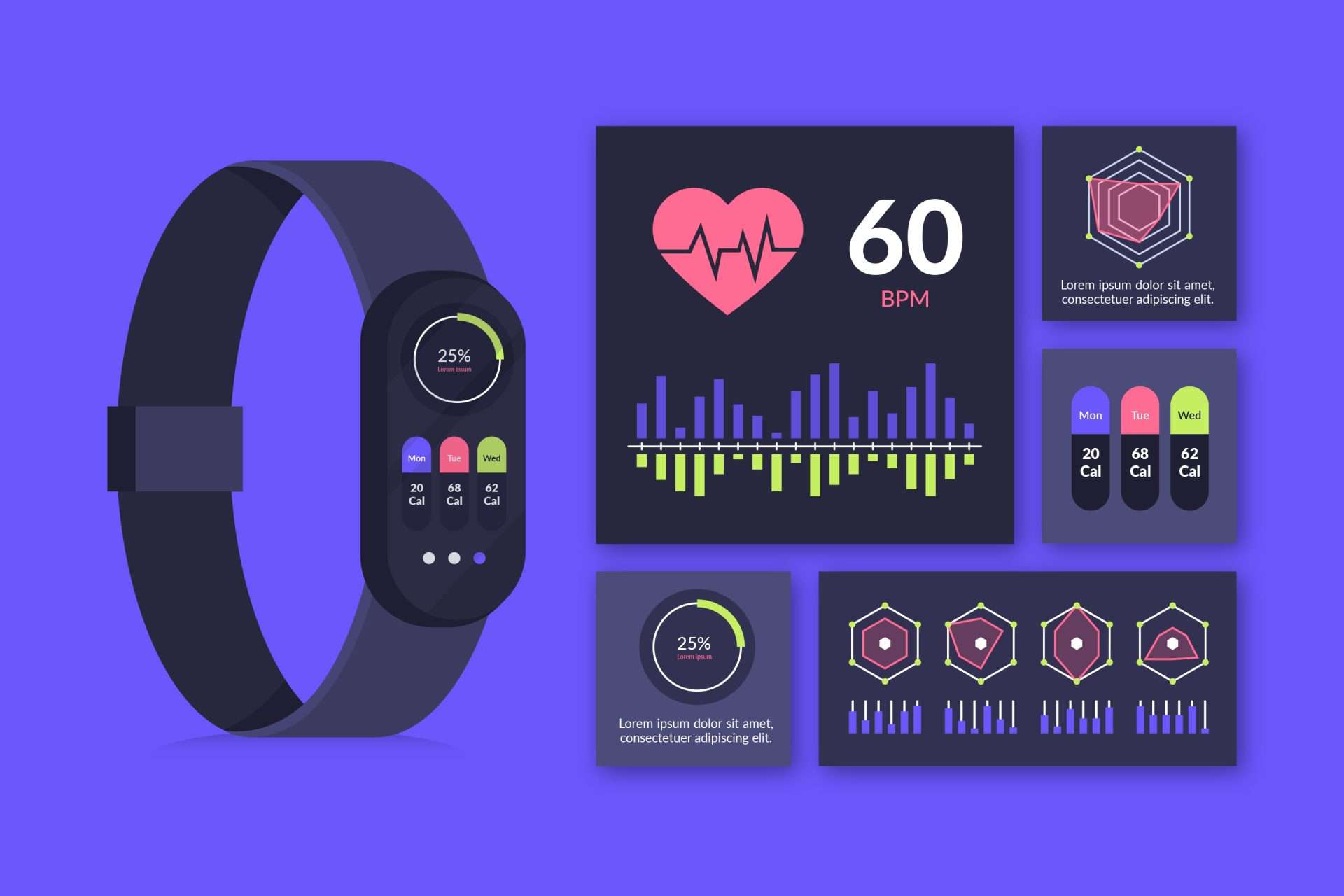
Wearable technology has evolved beyond fitness tracking into a powerful diagnostic ally. Smartwatches, biosensors, and implantable monitors now gather a wide range of data points that can detect diseases earlier, manage chronic conditions more effectively, and promote proactive well-being.
Core Functions of Health Wearables
- Continuous Monitoring: Devices gather data on heart rate, respiration, glucose levels, sleep quality, and more, 24/7.
- Real-Time Alerts: AI-driven platforms detect abnormalities and notify both patients and providers.
- Data Transmission: Wearables share data with EHRs and clinic EMRs, ensuring a complete view of the patient’s condition.
Modern practices leverage this data using EMR software for longitudinal tracking, remote monitoring, and risk stratification.
Benefits of Predictive Health Monitoring
The true potential of predictive health monitoring lies in transforming healthcare from reactive to proactive.
Key Benefits
- Early Detection of Illness: Wearables detect early signs of conditions like atrial fibrillation, sleep apnea, or hypertension.
- Chronic Disease Management: Continuous data aids in managing diabetes, COPD, heart failure, and more.
- Cost Efficiency: Preventing complications and hospitalizations reduces costs for both patients and health systems.
- Increased Engagement: Wearables empower patients to track their progress and participate in care plans.
Practices using clinic management software can integrate wearable data into dashboards and alerts to personalize treatment.
Examples Across Medical Specialties
Health wearables are making a measurable impact across nearly every field of medicine.
Applications Across Specialties
- Cardiology: Devices like the Apple Watch and ECG monitors detect arrhythmias, monitor blood pressure, and support rehab.
- Pulmonology: Devices track respiratory patterns and help patients manage asthma and COPD.
- Neurology: Seizure detection, Parkinson’s symptom tracking, and fall prediction are now possible with wearables.
- Endocrinology: Continuous Glucose Monitors (CGMs) enable precise diabetes control, while hormone level tracking supports fertility and thyroid care.
In each scenario, physicians can receive alerts, review summaries, and engage with patients directly through AI-powered patient platforms.
Role of AI in Wearables
Artificial intelligence magnifies the power of wearable technology by making sense of the data collected.
AI Contributions
- Early Risk Detection: Machine learning identifies at-risk patterns before symptoms occur.
- Personalized Treatment Insights: Recommends lifestyle or medication adjustments based on trends.
- Population Health Management: Aggregated data helps detect health trends across regions.
Predictive analytics tools integrated with clinic EMRs allow clinics to stratify risk and intervene earlier.
Personalized Healthcare with Wearable Data
Wearables facilitate a personalized approach to care, where treatment plans are tailored based on real-world data.
Advantages of Personalized Care
- Dynamic Interventions: Treatment plans adapt as patient data changes.
- Higher Adherence: Patients respond better to individualized care strategies.
- Reduced Readmissions: Predictive insights reduce acute care episodes.
Personalized medicine supported by wearables improves outcomes and patient satisfaction, especially when used with clinic software to manage care coordination.
Overcoming Challenges in Wearable Health Monitoring
Despite the potential, wearable adoption comes with challenges.
Key Barriers
- Data Accuracy: Sensors must be validated to avoid false positives or negatives.
- Privacy & Security: Sharing of biometric data must comply with HIPAA and other regulations.
- Integration Complexity: Not all wearables integrate seamlessly into EMR systems.
- Patient Compliance: Wearables must be comfortable, intuitive, and rewarding to use.
Future platforms must focus on interoperability, patient education, and secure data channels.
Future Trends in Health Wearables and Predictive Diagnostics
The convergence of wearables, telemedicine, and AI will define the next wave of predictive health monitoring.
Emerging Innovations
- Expanded Biometrics: Upcoming wearables will monitor hydration, cortisol, and other real-time markers.
- Virtual Clinics: Wearable diagnostics will support fully remote evaluations.
- Smart Implants: Bio-integrated wearables that function internally for more accurate monitoring.
- Behavioral Insights: AI interprets behavioral trends to assess mental and emotional health.
Clinics prepared with smart inventory management tools will be better equipped to adopt and scale wearable-supported care.
Clinic-Level Integration: Best Practices
Healthcare providers can build workflows that utilize wearable data to support diagnosis, triage, and care planning.
Implementation Tips
- Define Clinical Goals: Focus on specific metrics (e.g., blood pressure, sleep) relevant to practice focus.
- Automate Documentation: Integrate with EMR software to chart trends and notes.
- Educate Patients: Use engagement tools to guide wearable use and follow-up.
- Enable Remote Check-Ins: Combine wearables with virtual visits for ongoing support.
When implemented strategically, wearables bridge the gap between clinic visits and continuous care.
Conclusion: Wearables and the Future of Health Monitoring
Health wearables are no longer optional tech accessories—they are essential tools for predictive health monitoring that support early diagnosis, chronic disease management, and individualized care. By combining wearable technology with AI and integrated clinic EMR systems, healthcare professionals can detect disease before it starts, personalize treatment, and reduce care costs.
To explore how EasyClinic can help your practice harness the full potential of wearable technology, contact us today.