Transforming Medical Learning with VR Medical Training
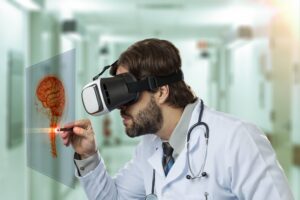
In today’s fast-evolving healthcare environment, the ability to train doctors and medical staff efficiently, safely, and cost-effectively is more important than ever. VR medical training is emerging as a game-changing solution that provides immersive, realistic simulations for doctors, surgeons, and clinic practitioners. With the increasing demand for better clinical outcomes and enhanced patient safety, virtual reality is transforming medical education by making it more interactive, accessible, and engaging.
From medical students to experienced practitioners, VR offers the opportunity to rehearse procedures, understand anatomy in 3D, and develop communication and decision-making skills in a risk-free virtual environment. Clinics and training institutions are rapidly integrating this virtual healthcare education into their curriculum, setting the stage for a smarter, safer healthcare system.
How VR Medical Training Supports Skill Development
Realistic, Repetitive, Risk-Free Learning
In traditional training, students are limited by access to cadavers, availability of mentors, and hospital patient flow. With VR medical training:
- Trainees can practice surgeries or medical procedures on-demand.
- Complex anatomical concepts are visualized in three dimensions.
- Mistakes in a virtual setup have no real-world consequences.
This new training format is particularly impactful for doctors who want to specialize or refine new techniques without impacting real patients.
Anatomy and Procedure Visualization in 3D
Understanding human anatomy has always been fundamental in medical education. VR enhances this process through:
- Interactive 3D models
- Zoom and rotation features for different anatomical layers
- Dynamic demonstrations of physiology and disease progression
Such immersive visualization supports better memory retention, deeper understanding, and faster mastery of complex topics. This complements clinic-based EMR documentation and supports integration with advanced EMR software.
VR Training for Surgical Precision and Dexterity
From Simulated Scalpel to Real Results
One of the most significant areas impacted by VR is surgical training. Surgeons can now:
- Perform high-stakes procedures virtually
- Refine hand-eye coordination
- Gain confidence before entering the operating room
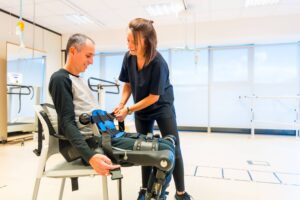
Training platforms equipped with force-feedback and gesture tracking simulate the tactile experience of surgery. These simulations reduce errors and shorten the learning curve, particularly in specialties like orthopedics, neurosurgery, and cardiovascular interventions.
Virtual Reality for Communication and Emergency Scenarios
Soft skills are critical in patient-centered healthcare. VR helps medical professionals develop interpersonal abilities and emergency response confidence through:
- Simulated conversations with virtual patients
- Role-playing with difficult or emotional cases
- Team-based emergency simulations (e.g., trauma, cardiac arrest)
For clinics focused on clinic management software, integrating VR into team-based learning fosters communication and boosts coordinated patient care.
Enhancing Learning Efficiency and Engagement
Virtual healthcare education doesn’t just replicate traditional learning – it elevates it. VR delivers:
- Active participation versus passive observation
- Multisensory experiences for better engagement
- Customizable modules that cater to individual learning styles
This results in improved knowledge retention and more confident medical professionals ready to handle real-world clinical scenarios.
Remote Learning and Global Collaboration
VR bridges geographical barriers in healthcare education. It allows:
- Remote collaboration between international experts
- Students from rural or underserved regions to access world-class training
- Clinics and hospitals to onboard new staff more efficiently
By embedding clinic software and VR into onboarding processes, medical facilities improve consistency and reduce variability in training quality.
Case Studies: VR Medical Training in Practice
1. Johns Hopkins University
Used VR to train surgeons on spinal surgery procedures. Results showed faster skill acquisition and fewer errors compared to traditional methods.
2. Oxford Medical Simulation (OMS)
Implemented immersive VR modules for CPR, respiratory emergencies, and communication, helping nurses and medical students practice responses without risking patient safety.
3. Stanford Medicine
Adopted VR anatomy labs to supplement cadaver-based teaching, leading to higher student satisfaction and test scores.
Benefits of Virtual Healthcare Education for Clinics
- Improved Performance: Doctors demonstrate better accuracy and lower error rates.
- Cost Efficiency: Reduces costs of live training equipment and travel.
- Scalability: Easily deployed across multiple clinic branches.
- Safety: No risk to real patients during skill acquisition.
Paired with healthcare software and EMR solutions, VR becomes a cornerstone of modern digital healthcare infrastructure.
VR Integration with Clinic Software and EMR Platforms
Integrating VR data with clinic EMR and performance tracking allows administrators to:
- Monitor trainee performance metrics
- Customize learning paths based on clinical objectives
- Identify gaps in training and address them proactively
This kind of integration fosters a culture of continuous improvement and aligns with broader clinic management software strategies.
Challenges and Considerations
While the promise is strong, clinics should be mindful of:
- Initial Investment: High setup costs for hardware and custom content
- Technical Requirements: Need for stable systems and dedicated support staff
- User Adoption: Training and comfort levels vary among staff
Despite these challenges, the long-term ROI and performance gains make VR a valuable investment.
Future of VR in Medical Education and Practice
The future of VR medical training is moving toward:
- AI-integrated adaptive learning
- Augmented reality overlays during live surgeries
- Cloud-based simulation libraries
Clinics that embrace these innovations position themselves as forward-thinking, high-performance healthcare providers.
Conclusion: VR Medical Training is the Future of Virtual Healthcare Education
Incorporating VR medical training into your clinic isn’t just about technology – it’s about empowering your staff, reducing training costs, and improving patient outcomes. As virtual healthcare education matures, it becomes an essential component of modern clinic operations, complementing everything from clinic software to patient engagement platforms.
Now is the time for healthcare providers to adopt VR and reimagine what training and education can look like for doctors, nurses, and clinical teams alike. Contact EasyClinic to explore how VR can enhance your training programs.