Transforming Patient Care with AI Personalized Healthcare in Modern Clinics
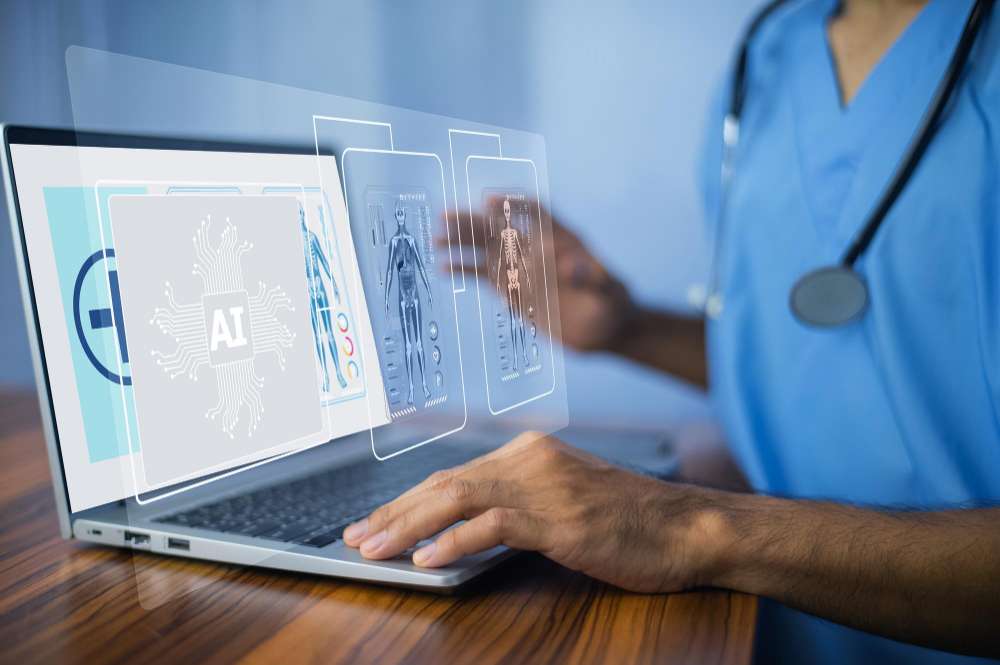
In modern clinical practice, efficiency, accuracy, and personalization are no longer just preferences; they are expectations. With the rapid growth of AI personalized healthcare, doctors are now empowered to tailor treatment plans more precisely than ever before. Whether in a small private clinic or a multispecialty hospital, artificial intelligence is helping to shift the medical landscape from one-size-fits-all care to targeted, data-driven decisions that significantly improve outcomes.
This revolution in precision medicine is being enabled by cutting-edge algorithms that can process vast quantities of patient data, including genetics, lifestyle, medical history, and even behavioral trends. These systems, when seamlessly integrated into EMR software and clinic management software, are dramatically reshaping care delivery for the better.
How AI Personalized Healthcare Works in Real Time
Personalized healthcare is grounded in the idea that each patient is unique. With the help of AI, this concept is taken further by analyzing multiple data streams to guide decision-making in clinics and hospitals.
Predictive Analysis and Risk Scoring
AI tools can ingest large sets of EMR data, lab results, and even wearable device inputs to forecast:
- Disease risk
- Likelihood of treatment success
- Potential adverse reactions
This capability enables clinics to act proactively rather than reactively.
Biomarker Detection and Diagnostics
Through image recognition and pattern analysis, AI models can identify biomarkers that signal early signs of cancer, cardiovascular diseases, or neurological conditions, which can then be treated before symptoms manifest.
Personalized Drug Prescriptions
AI algorithms examine genetic and metabolic profiles to determine how a patient will respond to specific drugs. This makes pharmacogenomics—the study of how genes affect a person’s response to drugs—more accessible and practical in daily clinic workflows.
Explore how AI-powered EMR software supports advanced decision-making in patient care.
AI and Clinic Management: Real-World Applications
Modern clinics are increasingly turning to AI in patient care to simplify operations and elevate patient satisfaction.
Oncology: Tailored Cancer Therapies
AI systems analyze tumor genomics and suggest the best chemotherapy combinations based on historical efficacy and patient genetics. This eliminates trial-and-error approaches and shortens treatment timelines.
Cardiology: Real-Time Monitoring and Risk Prevention
Patients with cardiac issues can be continuously monitored using connected devices. AI then interprets this data to alert practitioners of any red flags in real-time.
Diabetes Management: Lifestyle-Linked Insights
Clinics can use AI to combine data from glucose monitors with dietary habits and EMR logs to offer custom dietary and treatment recommendations.
Learn how healthcare software integrates AI to enhance chronic condition care.
Benefits of AI in Personalized Patient Treatment
The integration of AI personalized healthcare into treatment protocols offers numerous advantages for both doctors and patients:
Faster, More Accurate Diagnoses
By analyzing historical patient data and comparing it against a global dataset, AI helps pinpoint conditions earlier and with greater confidence.
Improved Patient Outcomes
AI-led treatment personalization leads to:
- Reduced medication side effects
- Faster recovery times
- Higher treatment compliance
Optimized Use of Resources
AI reduces unnecessary testing and referrals, leading to cost-effective care delivery.
Enhanced Engagement and Adherence
With AI-driven patient portals and reminders, clinics report increased adherence to care plans.
Consider integrating AI tools for patient engagement to support better outcomes.
Challenges in Implementing AI Personalized Healthcare
While the promise of AI is vast, there are challenges that must be addressed:
Data Privacy and Protection
Handling sensitive patient data requires secure platforms and compliance with global standards. For example, HIPAA and GDPR regulations must be maintained rigorously.
Clinician Training and Adoption
Not every clinic is equipped with the technical expertise to use AI tools effectively. Continuous training is key to maximizing impact.
Integration with Existing Systems
Merging AI with legacy clinic software, clinic EMR, and healthcare software can present interoperability issues.
For support in transitioning smoothly, check EMR FAQs or contact our team.
Future of AI in Precision Medicine
The possibilities for AI in precision medicine continue to expand. Some upcoming advancements include:
AI-Powered Digital Twins
Imagine a virtual model of your patient that helps simulate treatment scenarios before applying them in real life.
AI for Real-Time Surgery Decision Support
In high-stakes operations, AI can offer real-time feedback on incision paths, surgical tools, and procedural steps.
Behavioral and Mental Health Prediction
AI is evolving to detect early signs of depression or anxiety based on EMR logs, wearable data, and patient interaction.
To explore this further, learn how AI for doctors is transforming clinical practice.
How to Start Using AI for Personalized Treatment in Your Clinic
1. Assess Your Clinic’s Needs
Understand which conditions you treat most often and whether your current system supports precision diagnostics and monitoring.
2. Choose Compatible Software
Ensure your EMR and clinic management software supports AI plugins or has built-in tools that can be activated.
3. Train Your Staff
From physicians to receptionists, everyone should understand how AI fits into the care pathway.
4. Set Patient Expectations
Communicate how AI assists (but doesn’t replace) your clinical judgment.
Explore clinic software that support precision treatment.
The Role of AI in Building Patient Trust
Modern patients appreciate transparency and personalized attention. Clinics that leverage AI personalized healthcare build stronger relationships by:
- Giving patients more accurate health forecasts
- Offering tailored suggestions for diet, medication, and lifestyle
- Sharing data in understandable formats using dashboards and visual tools
Platforms like EasyClinic offer these features natively, making adoption seamless.
Conclusion: AI is the Future of Patient-Centered Care
The use of AI personalized healthcare in tailoring treatment plans is more than a trend; it’s a paradigm shift. As data becomes central to clinical operations, practitioners embracing precision medicine will lead the way in providing proactive, customized, and efficient care. Clinics integrating these tools with robust clinic EMR and healthcare software platforms can expect improved patient satisfaction, outcomes, and operational success.
To begin your clinic’s journey into AI-powered care, explore health data analytics and see how it enhances diagnosis, treatment, and management at every step. Contact EasyClinic to get started.