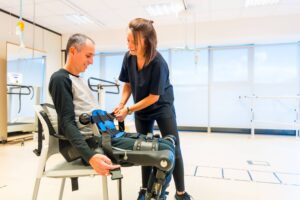
Building Patient Trust Through Compassionate Healthcare
In modern clinical practice, empathy isn’t an optional soft skill—it’s a clinical necessity. In a world increasingly reliant on technology, the human connection between provider and patient remains central to quality healthcare. Empathetic care boosts communication, strengthens relationships, and builds lasting patient trust.
Understanding and integrating empathy in healthcare helps clinics deliver more than just treatment. It fosters a healing environment where patients feel heard, respected, and involved in their own care decisions. In this blog, we explore how empathy shapes patient satisfaction and outcomes, and how it integrates with clinic management software, EMR software, and healthcare software systems.
1. Empathy as the Foundation of Patient Communication
Strengthening Trust and Transparency
Effective patient communication begins with active listening and emotional recognition:
- Acknowledge patient fears, especially during first visits or diagnoses.
- Use compassionate body language and tone.
- Reflect and validate their concerns.
Clinics can encourage this approach through structured intake forms, real-time notes in EMR software, and prompts for care follow-ups.
Empathy ensures that each patient is treated as an individual, not a checklist. This personalized connection is a catalyst for stronger therapeutic alliances and boosts overall satisfaction.
2. Empathy Enhances Diagnostic Accuracy
Improving Outcomes Through Deeper Understanding
Patients who feel comfortable and safe with their provider are more likely to disclose:
- Sensitive or lifestyle-related symptoms
- Emotional triggers linked to physical conditions
- Underlying causes of chronic stress
When doctors build patient trust, they receive more accurate health information, which leads to better diagnostics and fewer medical errors. Integrating these notes within a patient’s clinic EMR enables consistent care across teams.
3. The Link Between Empathy and Adherence
Fostering Commitment to Care Plans
Empathy plays a key role in ensuring patients stick to their treatment. When healthcare professionals show understanding:
- Patients are more motivated to adhere to medication and therapy
- They engage in healthier behaviors post-discharge
- Missed appointments and readmissions decrease
Tools like patient engagement systems allow clinics to send follow-up reminders, medication prompts, and health tips in personalized formats that reinforce empathetic care.
4. Creating an Empathy-Driven Clinic Culture
From Front Desk to Physician
Empathy isn’t just a physician’s skill—it’s a clinic-wide mindset:
- Train reception staff to greet patients with patience and understanding
- Encourage nurses to check in with emotional well-being
- Create protocols for follow-up calls and wellness check-ins
Using clinic management software, these touchpoints can be logged, tracked, and built into the patient workflow, ensuring no concern is left unaddressed.
5. Empathy and Technology: Bridging Digital with Human Care
Augmenting Human Connection with Smart Tools
In an increasingly digital clinic environment, empathy must be embedded into the tech stack. With tools like:
- AI prompts in healthcare software to detect high-risk or emotional patient responses
- Natural language processing to highlight emotional triggers in patient records
- Personalized dashboards that reflect not just conditions but concerns
Clinics can design systems that remind providers to ask the right follow-up questions and deliver holistic care.
6. Building Long-Term Patient Relationships
Retention Begins with Emotional Connection
Empathy builds loyalty. Patients are more likely to return to a provider who remembers personal details, listens without rushing, and respects their journey. Consider implementing:
- Loyalty and wellness tracking through AI-powered insights
- Birthday or milestone messages
- Check-ins after procedures or diagnoses
This strengthens retention, referrals, and even clinic reputation.
7. Empathy Reduces Provider Burnout
Reconnecting with the Purpose of Care
While empathy benefits patients, it also supports caregivers. When physicians and clinic staff connect with patients on a human level:
- Emotional fatigue decreases
- Job satisfaction improves
- Purpose-driven motivation increases
Embedding empathy through tech tools and team workflows helps maintain emotional balance, even in high-pressure settings.
8. Empathy in Crisis Situations
Managing Patient Anxiety in Uncertain Times
From COVID-19 to chronic illness diagnoses, crises require a deeper well of empathy:
- Proactively update patients via SMS or WhatsApp through healthcare messaging tools
- Offer virtual consults with added emotional support
- Create safe spaces in your clinic for private conversations
Empathetic crisis care builds resilience, reinforces patient trust, and enhances public perception.
Final Thoughts: Empathy as a Clinical Strategy
Empathy in healthcare is more than a virtue—it’s a core clinical competency. In a field driven by data and protocols, genuine emotional connection makes the difference in outcomes, loyalty, and healing.
From initial interactions to diagnosis, treatment, and follow-up, an empathy-first approach fosters patient satisfaction and better health. When integrated with the right EMR software and digital tools, it becomes measurable, trackable, and scalable.
To embed empathy across your practice, explore how EasyClinic helps clinics personalize engagement, automate compassionate workflows, and enhance every patient interaction.