A Silent Revolution in Indian ENT Care
In India, ENT specialists treat millions of patients every year — from children struggling with chronic ear infections to adults losing sleep over sinus congestion or hearing loss. For doctors, every case tells a story. But managing dozens of these stories daily, with manual paperwork, unstructured data, and long queues, can feel overwhelming, so there is a huge demand for AI software for ENT clinics.
The country faces a growing challenge. A shortage of ENT specialists means one doctor often sees hundreds of patients weekly. Diagnostic imaging, endoscopic exams, and reports pile up. Small clinics, in particular, juggle between patient care and administrative chaos.
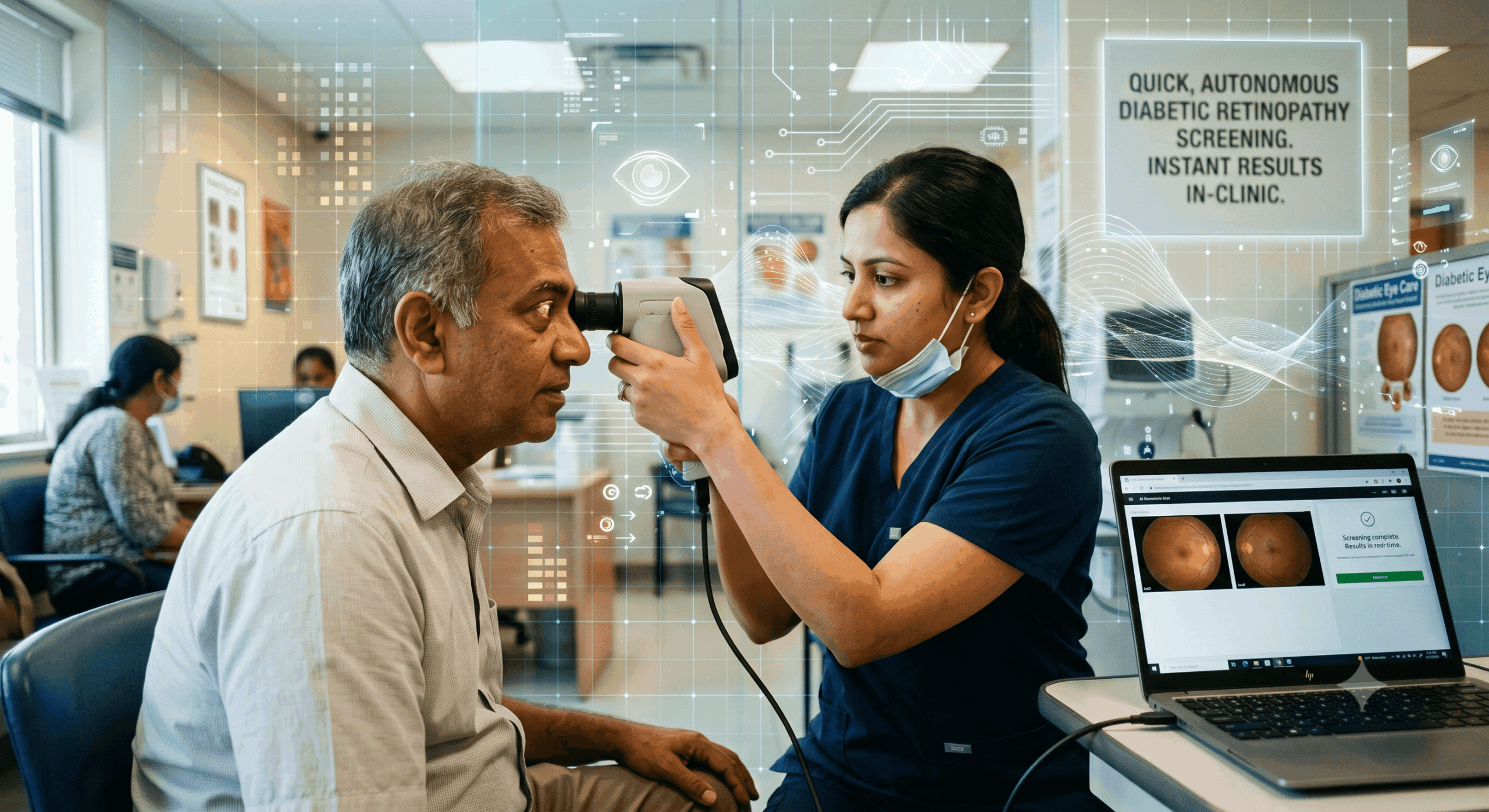
Now, things are changing. The entry of AI software for ENT clinics has turned routine processes into streamlined, intelligent workflows. What once required hours of chart reviews and manual note-taking now happens in seconds. Artificial intelligence doesn’t replace the doctor — it enhances their ability to serve.
Across India, ENT specialists are embracing tools like EasyClinic — a platform that merges AI-powered diagnostics, automated record-keeping, and smart patient engagement into one integrated system. The result? Happier patients, faster care, and clinics that finally breathe easy.
What Is AI Software for ENT Clinics?
Let’s simplify this: AI software for ENT clinics is like having a tireless, data-driven assistant working beside every doctor. It analyses clinical data, interprets test results, and even identifies patterns invisible to the human eye.
In ENT care, where accuracy defines recovery, AI can:
- Analyse otoscopic images to detect ear infections or perforations.
- Evaluate CT scans or nasal images to identify sinus blockages.
- Study voice recordings to detect vocal cord strain or nodules.
- Predict treatment outcomes based on previous case histories.
For a doctor, this means fewer diagnostic doubts and more time to talk to patients. For clinics, it means smoother coordination, automated billing, and faster decision-making.
Most importantly, for Indian practices that often struggle with time and resource constraints, AI becomes a force multiplier — delivering hospital-grade efficiency within neighbourhood clinics.
Core Features of AI Software for ENT Clinics
AI platforms built for ENT care aren’t just about diagnostics. They integrate technology into every touchpoint of the clinical journey. Here’s how.
1. AI-Powered Imaging and Analysis
- Detects infections or abnormalities in ear and nasal endoscopy images.
- Highlights critical regions automatically, improving diagnostic confidence.
- Works seamlessly with routine equipment already used in clinics.
2. Smart Voice and Sound Analysis
- AI analyses pitch, tone, and frequency to detect early signs of vocal disorders.
- Especially helpful for singers, teachers, or public speakers.
3. Integrated EMR and Smart Data Tracking
- EasyClinic’s EMR organises all patient records — prescriptions, scans, reports — in one secure dashboard.
- AI reminders flag overdue follow-ups or tests, reducing missed visits.
4. Predictive Care and Insights
- Tracks chronic ENT conditions like sinusitis or otitis media to predict flare-ups.
- Suggests next best actions for better outcomes.
5. Automated Administration
- Handles appointment scheduling, digital billing, and reporting.
- Frees staff from repetitive paperwork and reduces waiting times.
6. Inventory and Equipment Monitoring
- Tracks medical supplies and surgical instruments automatically.
- Sends low-stock alerts to prevent delays.
In a nutshell, AI tools blend efficiency with empathy — allowing doctors to focus less on systems and more on stories.
Why AI Software For ENT Clinics Is a Need Now?
In India, ENT care is deeply intertwined with environmental and lifestyle shifts. Air pollution, allergies, and noise exposure have increased ENT-related disorders significantly in recent years. Clinics are busier than ever, but most still depend on outdated workflows.
Challenges Faced by Indian ENT Clinics
- Manual recordkeeping: Patient files get misplaced, slowing treatment continuity.
- Delayed diagnostics: High patient volumes limit the time per consultation.
- Data overload: Scans, lab results, and follow-up notes scattered across formats.
- Limited reach: Patients in smaller towns travel hours for expert consultations.
Government initiatives like the Ayushman Bharat Digital Health Mission (ABDM) are encouraging digital healthcare integration, but the gap between policy and practice remains wide.
This is where tools like EasyClinic bridge the gap — combining compliance, affordability, and intelligence. Doctors can go paperless, patients stay informed, and clinics finally operate like connected ecosystems.
The Real Benefits of Using AI in ENT Clinics
AI isn’t just about automation; it’s about making every patient encounter meaningful. Here’s what happens when technology meets empathy.
1. Faster and More Confident Diagnoses
According to research published in Nature Scientific Reports, AI-powered image analysis tools identify ear infections with over 90% accuracy, even outperforming general practitioners in certain cases.
Doctors no longer rely on time-consuming manual image reviews. AI filters key details instantly, providing a second opinion within seconds.
2. Smarter Follow-Ups and Patient Engagement
AI-driven EMRs send automatic reminders to patients for follow-ups, medication renewals, or lab tests.
Imagine never having to chase missed appointments again — your system does it for you.
3. Reduced Burnout for Doctors
Repetitive data entry and billing tasks can be mentally draining. EasyClinic’s automation ensures doctors spend time doing what they love — treating patients, not filling forms.
4. Personalised Treatment Plans
AI tracks patient progress and suggests tailored care strategies. For example, a patient with recurring sinusitis may receive lifestyle modification alerts and medication reminders automatically.
5. Consistent Quality Across Multiple Branches
For multi-location ENT practices, EasyClinic ensures unified workflows and real-time patient record sharing — all under NDHM-compliant cloud storage.
A Real Example: How AI Transformed a Chennai ENT Clinic
A senior ENT surgeon in Chennai ran a busy two-room clinic that saw over 80 patients daily. Managing reports, scans, and follow-ups became overwhelming.
After adopting EasyClinic’s AI-enabled EMR, the change was remarkable:
- AI image analysis reduced diagnostic time by 40%.
- Automated reminders cut no-shows by 35%.
- Digital billing and record management improved patient satisfaction scores.
“The software didn’t just make my work easier,” said Doctor, “it made my practice feel more human again. I spend less time typing and more time listening.”
Cost and Pricing Models in India
AI in healthcare no longer demands massive capital. Subscription-based tools like EasyClinic make innovation accessible for every clinic size.
| Type | Average Monthly Cost (INR) | Highlights |
| Global ENT Suites | ₹60,000–₹90,000 | High-end imaging tools, complex setup |
| Mid-Tier SaaS Tools | ₹15,000–₹25,000 | EMR + AI + admin automation |
| EasyClinic | Flexible and affordable | Cloud-based, multilingual, NDHM-ready |
What makes EasyClinic unique is its pay-as-you-grow model. You only pay for the modules you use, keeping costs sustainable even for small-town clinics.
Challenges in Adopting AI in Indian ENT Clinics
Change always meets resistance, especially when it involves technology. Here’s what most clinics face — and how they overcome it.
1. Internet Dependence
Some regions still have inconsistent connectivity. EasyClinic offers offline functionality, syncing automatically once the internet is available.
2. Lack of Technical Training
Doctors worry about the learning curve. EasyClinic’s onboarding includes personalised training and ongoing support, making adoption seamless.
3. Privacy Concerns
ENT data includes sensitive audio and imaging files. EasyClinic encrypts all patient data and meets India’s Digital Personal Data Protection Act (DPDPA) standards.
4. Mindset Barriers
Many clinics equate digital transformation with complexity. But once implemented, AI tools often simplify work instead of adding layers to it.
The Future of AI in ENT Care
The next decade will redefine ENT medicine in ways we can already see taking shape.
1. AI-Guided Surgeries
Real-time AI assistance is helping ENT surgeons identify vital landmarks during sinus or ear surgeries. A SpringerLink study shows AI-guided navigation can reduce errors and operative time by 25–30%.
2. Voice-Based Diagnostics
Machine learning is now being used to detect laryngeal cancer or paralysis by analysing voice recordings. For early detection, this could be revolutionary.
3. Hearing Diagnostics through AI
Smart audiology tools can identify sensorineural and conductive hearing loss with precision, offering customised rehabilitation plans.
4. Rural Accessibility via Tele-Otolaryngology
In partnership with telemedicine, AI allows smaller clinics to screen patients remotely — an essential step for India’s rural healthcare expansion.
5. Predictive ENT Analytics
Soon, AI will forecast disease risks using patient data trends, helping clinics shift from reactive to preventive care.
Comparing ENT AI Software Options
| Software | Key Features | Pros | Cons | Best Suited For |
| OtoVision AI (Global) | Advanced imaging, ear pathology detection | High accuracy | Expensive | Large hospitals |
| RhinologyX (Asia) | AI-based sinus surgery assistance | Surgical precision | Limited local support | ENT surgeons |
| EasyClinic (India) | AI EMR, billing, patient engagement, analytics | Affordable, localised, NDHM-compliant | Minimal setup required | Private ENT clinics, startups |
EasyClinic stands out because it’s built for India, not adapted to it. It bridges the gap between advanced AI features and local practicality.
The Human Side of AI in ENT Practice
Behind every piece of technology lies a patient story waiting to be told.
A 10-year-old boy named Rohan from Nashik struggled with recurring ear infections for years. His parents had visited multiple clinics without clear answers. When they reached a local clinic using EasyClinic’s AI-integrated platform, the doctor analysed his ear scan through AI in real-time.
Within seconds, it highlighted early-stage infection signs. Rohan’s treatment began immediately, sparing him from a potential surgery. His parents still recall how “the machine spotted what everyone else missed.”
That’s what technology does at its best — not replace human skill, but strengthen it with precision and compassion.
Conclusion: Where Intelligence Meets Compassion
The future of ENT care in India is unfolding right before our eyes — intelligent, connected, and deeply human.
AI isn’t about replacing expertise; it’s about amplifying it. For doctors, it means accuracy without exhaustion. For clinics, it means productivity without complexity. And for patients, it means faster diagnoses and better outcomes.
Platforms like EasyClinic make this transformation real. They simplify operations, secure patient data, and ensure every clinic — big or small — can access the power of artificial intelligence.
If you’re an ENT specialist in India looking to modernise your practice, start today. Explore EasyClinic’s features, check pricing plans, or read the compliance guide.
Because the future of medicine is not about man versus machine — it’s about how both can work together to heal better, faster, and smarter.