Introduction
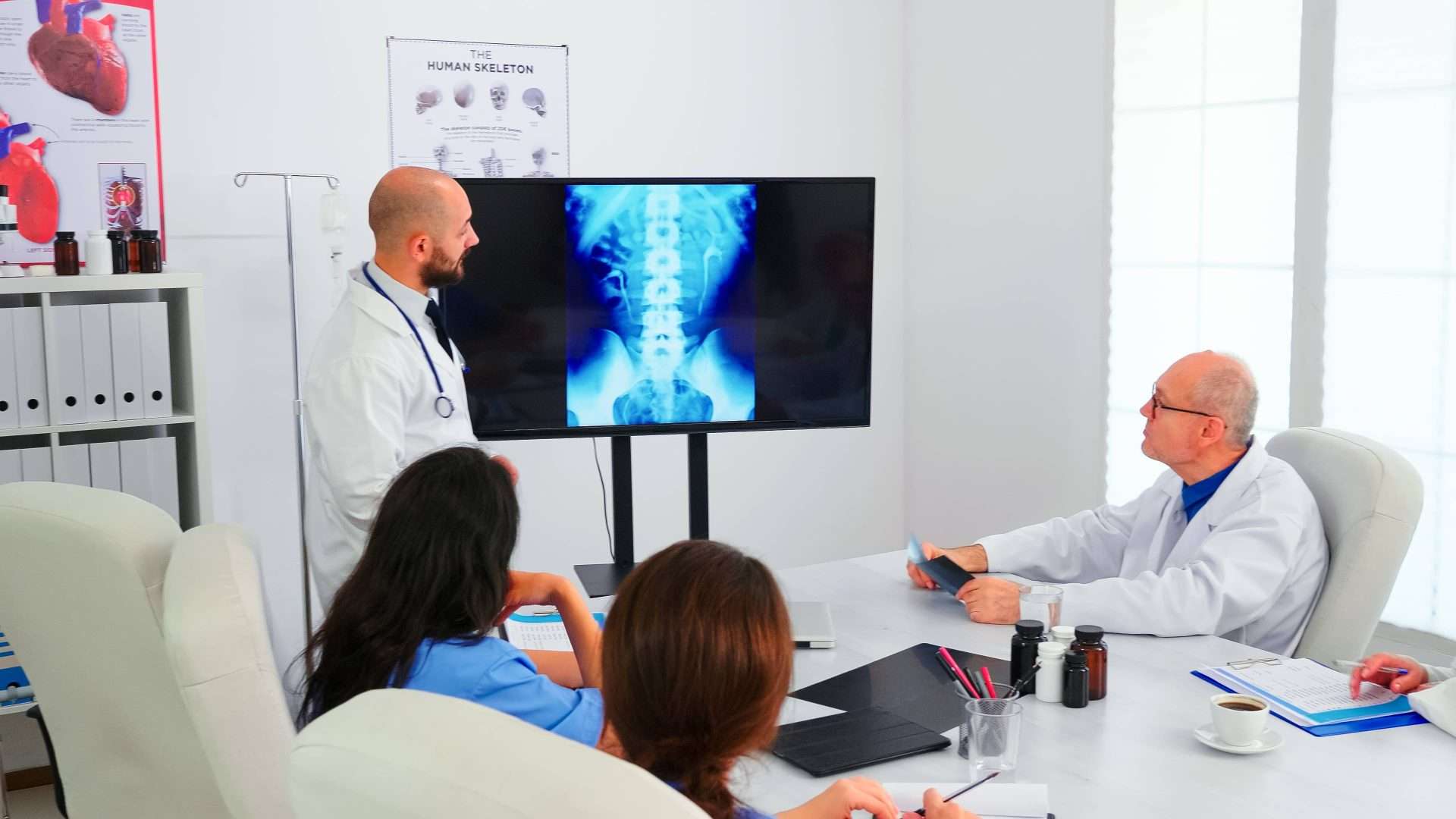
Every morning, the waiting area at CityCare Imaging Centre in Pune filled up faster than the X-ray machines could cool down. Scans were completed within minutes, but reports took hours. Patients waited anxiously, technicians juggled paperwork, and radiologists worked late into the night trying to keep up.
This isn’t just a Pune story — it’s the reality of many radiology clinics across India. Despite advances in imaging technology, the administrative and interpretive bottlenecks remain. In a field where every minute can influence diagnosis and treatment, AI automation in radiology is quietly reshaping how clinics operate — from scan to report, and from chaos to clarity.
Today, AI-driven automation tools are not replacing radiologists; they’re helping them focus on what truly matters — accuracy, efficiency, and patient care. With platforms like EasyClinic, radiology centres across India are learning that digital transformation isn’t just about technology — it’s about regaining time, trust, and precision.
The Everyday Problems in Speciality Clinics in India
Radiology clinics in India operate under immense pressure. Between the growing patient volumes, staff shortages, and complex reporting workflows, many specialists find themselves caught in a cycle of backlog and burnout.
The Pain Points Radiologists Know Too Well
- Manual Documentation: Reports are typed manually, cross-checked, printed, and signed — consuming hours each day.
- Delayed Turnaround: While scans take minutes, reports often take several hours or even days to deliver.
- Miscommunication and Lost Data: Patient details or findings can get misplaced between departments.
- Overwhelming Workload: A single radiologist in a busy centre might interpret hundreds of scans a day, increasing fatigue and error risk.
- Lack of Integration: Most clinics use separate systems for scheduling, imaging, billing, and reporting — none of which talk to each other.
A Real-World Glimpse
At a small imaging clinic in Mumbai, Dr Raman’s team struggled to keep up with reporting. Despite owning a state-of-the-art CT scanner, they were drowning in administrative delays. One afternoon, a patient’s urgent report got misplaced during hand-off between the technician and the typist. The result was a delayed diagnosis — and a shaken trust that no clinic wants to face.
For Dr Raman, that moment became the turning point. Within six months of adopting an AI-powered automation platform, his team’s average report delivery time dropped from six hours to under forty-five minutes — restoring both workflow efficiency and patient confidence.
The Digital Transformation Story: How AI Tools Are Changing Radiology Care
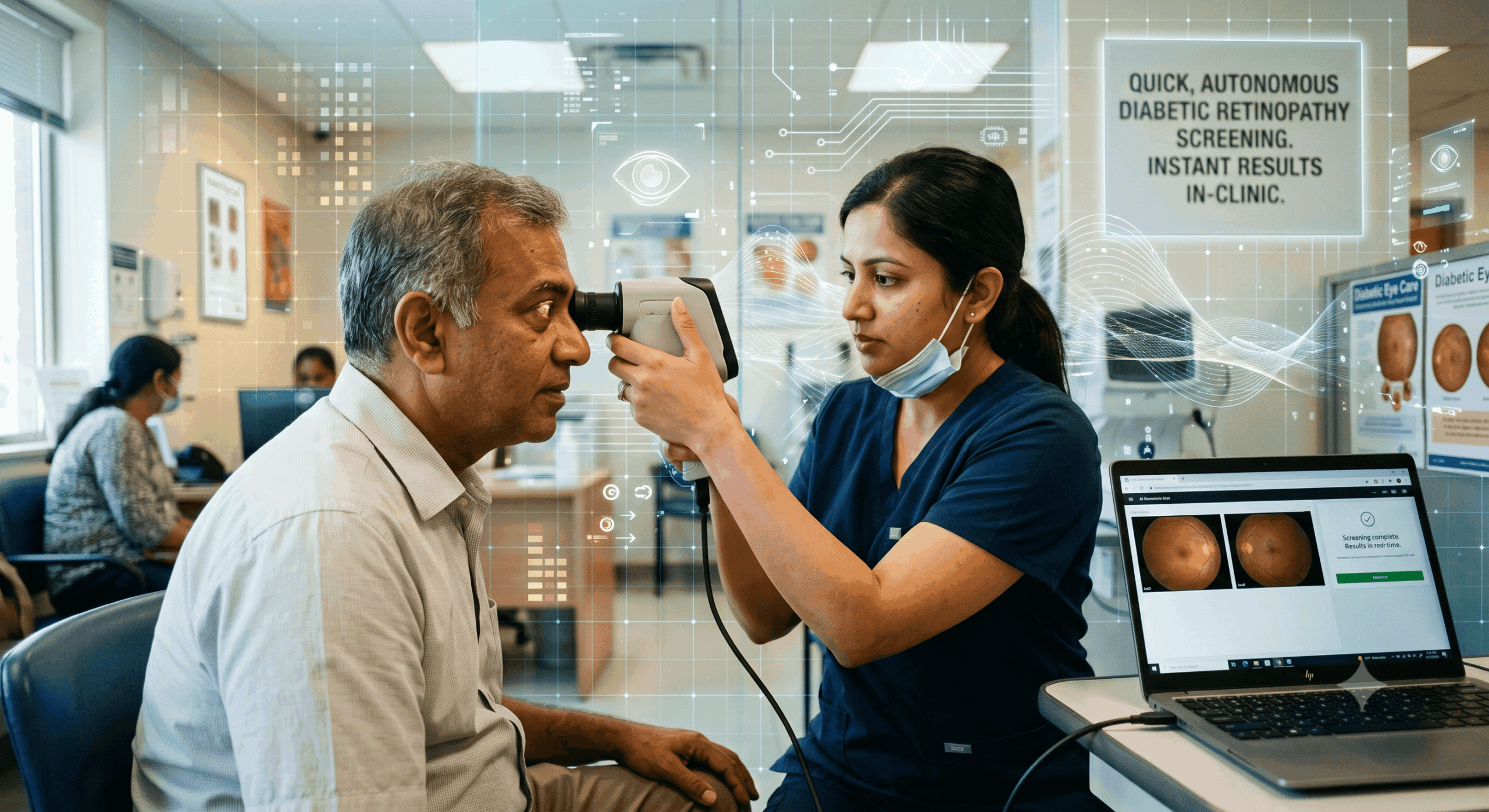
Across India, healthcare digitisation is accelerating — but radiology stands out as one of the biggest beneficiaries. From AI-assisted image analysis to automated workflow coordination, clinics are discovering the power of intelligent automation.
Before AI Automation:
- Reports depended entirely on manual input.
- Radiologists spent more time editing text than reading images.
- Patients made multiple follow-ups for results.
After AI Automation:
- Reports generate automatically from structured templates.
- AI highlights abnormalities for review within seconds.
- Patient notifications and digital copies go out instantly.
In Chennai, a mid-sized diagnostic centre integrated EasyClinic’s automation module to manage both imaging data and patient records. Within weeks, the clinic saw a 30 % improvement in turnaround time and a noticeable rise in patient satisfaction scores.
The shift isn’t about replacing human expertise — it’s about amplifying it.
What Is an AI Automation Tool for Radiology Clinics?
Think of it as a digital assistant built specifically for radiologists and imaging centres.
An AI automation tool for radiology connects imaging machines, EMR systems, and reporting templates into one seamless workflow. It automates repetitive tasks — scheduling, image sorting, report generation, billing, and communication — while giving doctors intelligent insights based on patient data.
Technical Role in Simple Terms
- Automation: Handles data entry, report formatting, and patient communication.
- AI Integration: Uses pattern recognition to flag potential abnormalities or errors.
- Analytics: Tracks turnaround time, report quality, and revenue metrics.
- Interoperability: Syncs with hospital EMRs, PACS, and cloud storage for smooth data flow.
Why It Matters for India
In India, where one radiologist often serves thousands of patients, automation helps bridge workforce shortages, cut delays, and align with the government’s Ayushman Bharat Digital Mission (ABDM) — paving the way for a more connected, patient-centric system.
Core Features of AI Automation Tools for Speciality Clinics
1. Intelligent Workflow Automation
- Automatically routes scan data to the right radiologist.
- Generates structured preliminary reports using AI templates.
- Sends auto-alerts for pending approvals or abnormal findings.
2. Integrated EMR and Imaging Data
- Links images and reports directly within EasyClinic’s EMR for instant retrieval.
- Eliminates duplication of patient data.
- Enhances traceability across consultations.
Explore EasyClinic’s EMR features.
3. Automated Billing and Inventory
- Tracks consumables (contrast agents, films).
- Creates instant invoices post-report generation.
- Provides analytics on revenue leakage and stock movement.
4. Predictive Analytics
- Forecasts patient load, staffing needs, and machine utilisation.
- Generates performance dashboards for administrators.
5. Patient Communication Automation
- Sends SMS or WhatsApp alerts when reports are ready.
- Enables online access to results.
- Improves follow-up compliance and patient retention.
Each feature translates directly into fewer manual tasks, faster diagnostics, and stronger patient relationships.
Local Healthcare Context in India
India’s healthcare ecosystem is massive — but uneven. Urban imaging centres often run cutting-edge equipment, while smaller clinics struggle with outdated systems and manual processes.
Challenges Include:
- Shortage of qualified radiologists in Tier-2 and Tier-3 cities.
- Fragmented data systems with little inter-clinic connectivity.
- Compliance pressures under new data protection laws (DPDPA 2023).
Government initiatives such as the Ayushman Bharat Digital Mission (ABDM) and Make in India HealthTech push for standardisation and interoperability.
Platforms like EasyClinic help radiology clinics align with these policies through:
- Secure cloud-based data storage.
- NDHM-ready health ID integration.
- Local language support for multi-region operations.
By embracing automation now, clinics aren’t just modernising — they’re future-proofing.
The Problem–Solution–Result Framework
1. Problem: Diagnostic Delays
At Dr Menon’s Radiology Studio in Bengaluru, urgent MRI results often took eight hours due to manual transcription.
Solution: EasyClinic’s AI report templates automatically structured findings, which Dr Menon could verify and finalise in minutes.
Result: Average turnaround dropped by 70 %, allowing same-day delivery for critical cases and doubling patient throughput.
2. Problem: Missed Follow-Ups and Revenue Leakage
In Lucknow, a diagnostic centre lost 15 % of potential revenue each month from missed patient revisits and unclaimed reports.
Solution: The AI automation tool integrated reminders and digital report links directly into the EMR.
Result: Patient recall improved by 40 %, and unpaid invoices dropped significantly within one quarter.
3. Problem: Data Errors and Compliance Risks
A Jaipur clinic still used spreadsheets to record imaging results. Data mismatches caused reporting confusion and patient complaints.
Solution: EasyClinic automated data capture from machines and maintained audit trails.
Result: Zero data mismatches in three months and full compliance with DPDPA standards during inspection.
These stories highlight that digital adoption isn’t an abstract idea — it’s a measurable upgrade to daily life inside clinics.
Cost & Pricing Models in India
| Model | Description | Average Cost (₹) | Ideal For |
| SaaS Subscription | Cloud-based access, updates included | ₹1,000 – ₹5,000 per user/month | Small & mid-size imaging clinics |
| On-Premise Setup | Installed locally on clinic servers | ₹10 – ₹25 lakh one-time | Large hospitals |
| Hybrid Model (EasyClinic) | Cloud EMR + AI automation module | ₹5,000 – ₹8,000 per user/month | Multi-location radiology chains |
EasyClinic’s pricing plans are transparent and flexible, allowing clinics to start small and scale features as adoption grows — with local support and NDHM-compliant hosting.
Overcoming Challenges in Adopting AI in Radiology in India
1. Internet and Infrastructure
Smaller towns often struggle with bandwidth for large imaging files.
EasyClinic Solution: Lightweight cloud compression and offline-sync capability.
2. Training and Change Resistance
Staff may fear AI will replace their roles.
EasyClinic Solution: Onboarding programs and multilingual support that emphasise collaboration, not replacement.
3. Cost Concerns
Clinics worry about ROI.
EasyClinic Solution: Tiered subscriptions and clear data on productivity gains within the first three months.
4. Integration Complexity
Existing PACS or EMR systems may seem incompatible.
EasyClinic Solution: Open-API design ensures interoperability with major radiology platforms.
Measurable Outcomes After Adopting AI Automation Tools
- Report Turnaround Time: Reduced by 60–80 %.
- Operational Efficiency: Radiologists save 2–3 hours daily on paperwork.
- Patient Satisfaction: Feedback scores rise by 25–40 %.
- Revenue Impact: Clinics record up to a 20 % increase in monthly throughput.
“Before EasyClinic, we were always behind schedule,” says Dr Meera Patel, radiologist at a Hyderabad imaging centre. “Now, reports are ready almost as soon as the scan ends. Patients notice — and that’s the difference.”
These quantifiable outcomes prove that AI automation delivers tangible returns — financially and professionally.
Future Trends for AI Automation in Radiology in India
- Predictive Diagnostics: AI will not only detect anomalies but also predict disease risk before symptoms appear.
- Federated Learning Networks: Clinics will collaborate securely to improve AI accuracy across diverse datasets.
- Voice-Enabled Reporting: Radiologists will dictate reports in regional languages directly into EMR systems.
- Smart Scheduling: Predictive algorithms will allocate scan slots automatically based on case urgency.
- AI + Robotics: Automated patient positioning and image capture will further reduce manual workload.
EasyClinic continues to evolve alongside these trends, building compatibility for emerging technologies and ensuring Indian radiology clinics stay at the global frontier.
Comparison with Alternatives
| Platform | Key Features | Pros | Cons | Price (₹/Month) |
| EasyClinic (India) | AI automation, EMR, billing, analytics | Localised support, ABDM compliant | None major | 1,500–5,000 |
| Generic Cloud Tool A | Basic EMR + storage | Global presence | Lacks India compliance | $200+ |
| Generic Tool B | PACS integration | Good imaging UI | No automation | ₹10,000+ |
| Generic Tool C | AI analysis only | Strong diagnostics | No admin features | $300+ |
Why EasyClinic Wins:
- Designed for India’s healthcare landscape.
- Offers compliance, affordability, and scalability.
- Bilingual interface and real-time analytics for administrators.
Conclusion
A decade ago, radiology’s challenge was capturing clear images. Today, it’s managing the avalanche of data that those images create. The story of CityCare Imaging Centre — from six-hour report delays to instant digital turnaround — is now being repeated across India, powered by AI automation in radiology.
By blending machine efficiency with human expertise, tools like EasyClinic help radiologists reclaim their most valuable resource — time. Faster reports mean happier patients, less stress, and more trust in modern healthcare.
In the end, automation isn’t about machines taking over — it’s about giving doctors back their focus, their rhythm, and their purpose.
Explore EasyClinic Features | Check Pricing | Visit Homepage