The Rise of Augmented Surgery
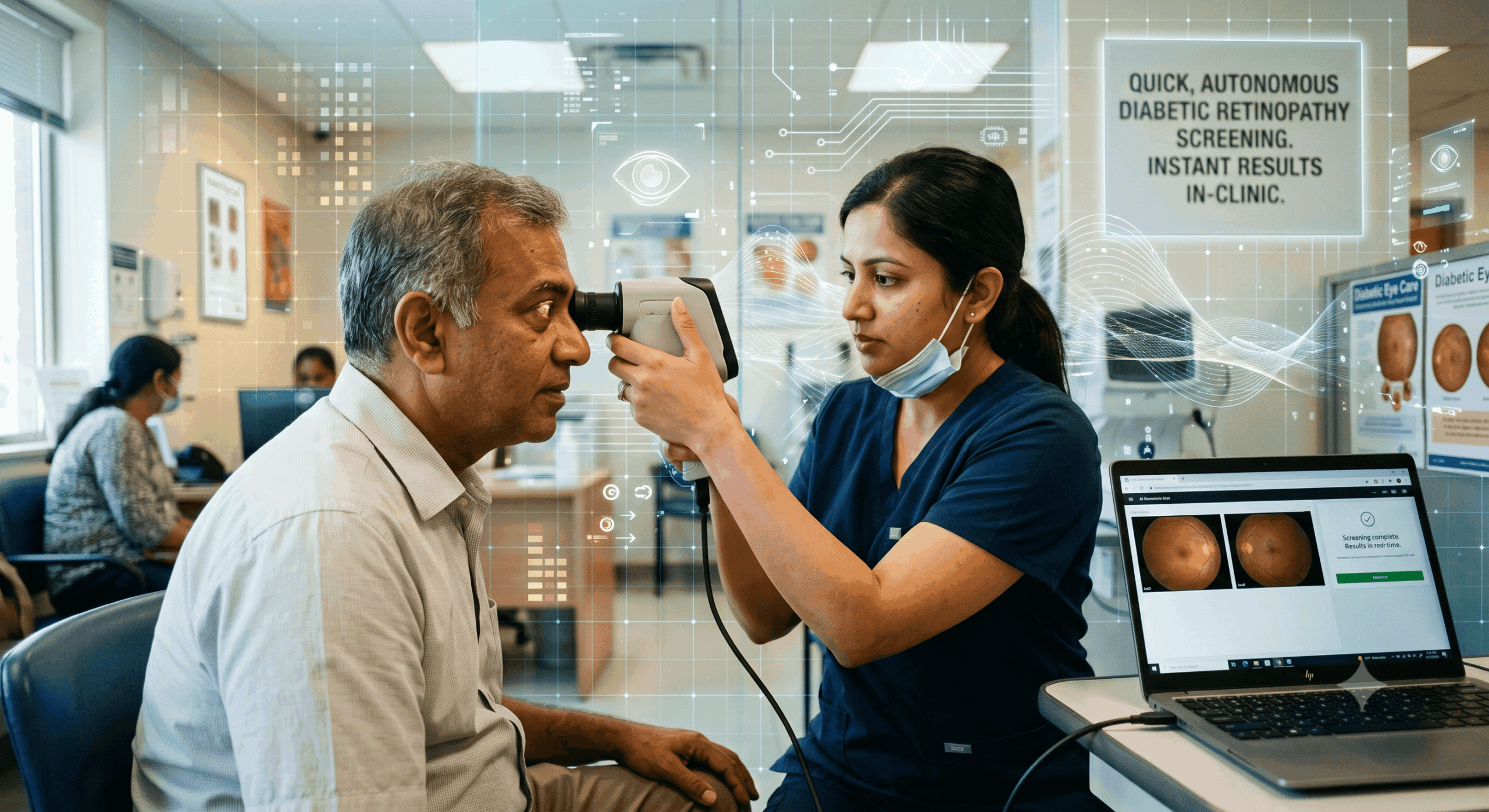
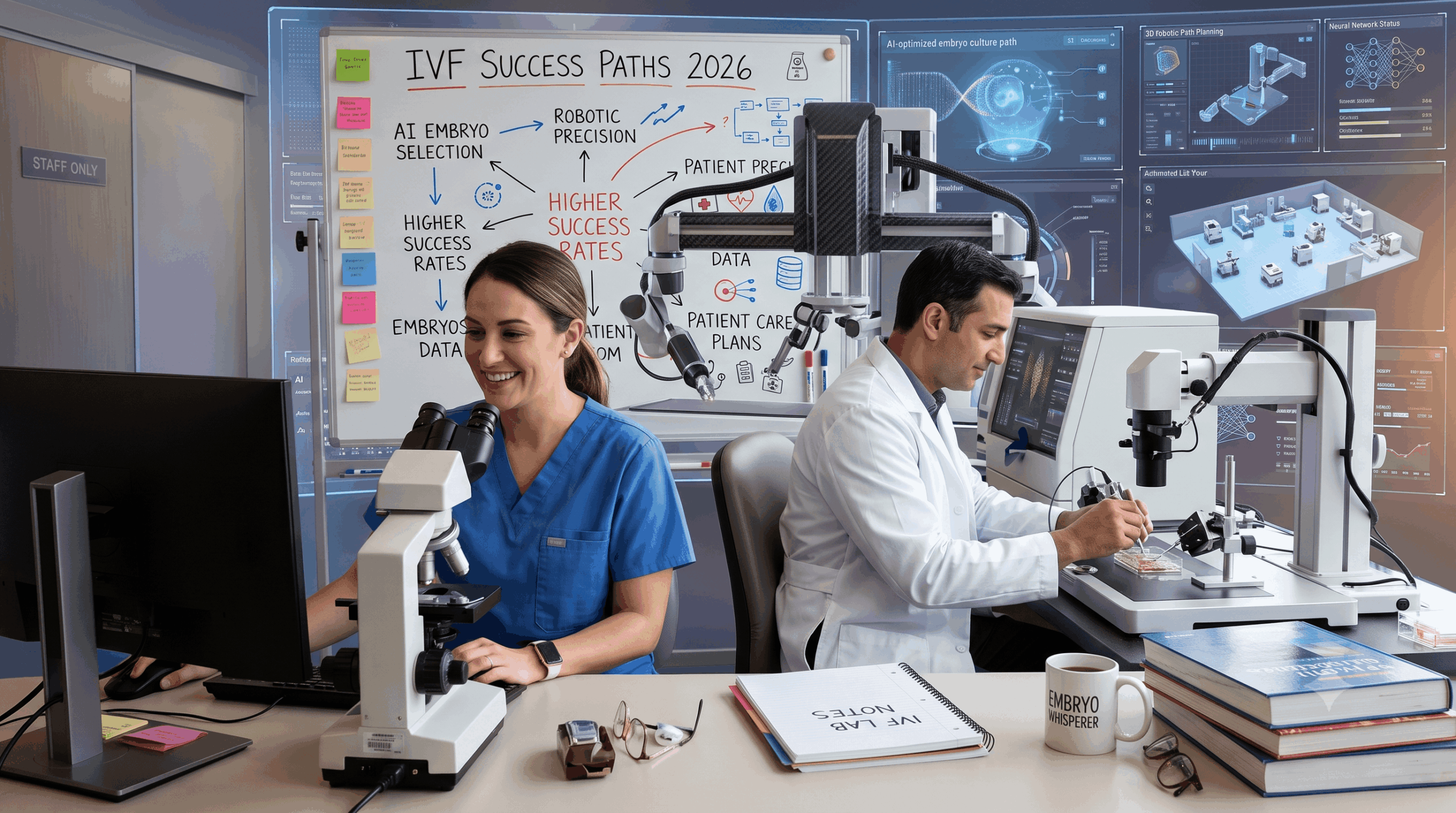
AI-powered clinics are no longer experimental. Surgical robots assist with millimetre-level precision. Augmented reality overlays guide incisions in real time. Intelligent software now analyses patient data faster than traditional workflows ever could. Across the world, surgery is entering an era of augmented healthcare, where technology enhances human expertise rather than replacing it.
In India, the pressure is even greater. Rising surgical volumes, workforce shortages, and growing patient expectations are forcing surgery clinics to modernise faster than ever. Globally, the adoption of AI and robotics in surgical care is accelerating, and clinics that delay may risk falling behind technologically enabled competitors.
This is where augmented healthcare for surgery clinics becomes a defining advantage. Platforms such as EasyClinic, an AI-powered clinic management and EMR platform available at Easyclinic, enable surgery clinics to integrate AI insights, robotic data, and human decision-making into a single operational system.
The question for Indian surgery clinics in 2026 is simple. Are you augmenting your surgeons with AI, or are you still running modern surgical care on outdated systems?
1. What Are the Recent Robotic, Augmented Reality, and AI Automation Trends in Surgery in 2026?
| Technology Trend | What’s Changing in 2026 | Impact on Surgery Clinics |
| AI-Assisted Surgical Planning | Machine learning models analyse imaging, history, and outcomes before surgery | More accurate planning, reduced complications |
| Robotic-Assisted Precision Surgery | Robots enhance steadiness and consistency under surgeon control | Higher precision and fewer invasive errors |
| Augmented Reality Surgical Overlays | AR glasses project anatomical data during procedures | Better intraoperative decision-making |
| AI-Powered Risk Prediction | Predictive models flag high-risk patients early | Improved patient safety and outcomes |
| Digital Twin Simulation | Virtual surgery simulations before real procedures | Reduced uncertainty and better preparation |
| AI Clinical Copilots | Assist surgeons with guidelines and data insights | Lower cognitive load and faster decisions |
| Integrated Surgical EMRs | Centralised data from diagnostics, robots, and outcomes | Complete visibility across surgical workflows |
These trends clearly show that AI-augmented surgery clinics are not replacing surgeons. They are amplifying surgical intelligence.
The Rise of Augmented Surgery in 2026
| Aspect of Augmented Healthcare | What It Means for Surgery Clinics in 2026 |
| Shift from Automation to Augmentation | AI is no longer replacing tasks but actively supporting surgeons by enhancing precision, judgment, and confidence during complex procedures |
| Explosion of Surgical Data | Imaging, vitals, lab results, procedural history, and outcomes are growing faster than humans can manually process, creating decisions.on overload |
| AI as a Real-Time Surgical Partner | AI systems analyse data instantly and surface insights exactly when surgeons need them, before, during, and after surgery |
| Rising Surgical Demand in India | Increasing population, lifestyle diseases, and access to care are driving higher surgical volumes with limited specialist availability. Lability. |
| Pressure for Minimally Invasive Procedures | Patients now expect faster recovery, smaller incisions, and technology-assisted precision as standard care |
| Augmented Reality and Spatial Guidance | AR overlays improve anatomical visibility, reduce error margins, and support complex navigation during procedures |
| Robot. ics Enhancing Physical Precision. | Surgical robots execute movements with stability and consistency that complement human skill |
| Predictive Analytics in Pos. t-Op Care | AI flags early risks such as infection, complications, or delayed recovery using recovery pattern analysis |
| Surgeon Burnout.t and Cognitive Load | Augmented intelligence reduces mental fatigue by handling data interpretation and documentation support |
| Need for Workflow Orchestration | Augmented surgery succeeds only when AI, robotics, and clinical workflows are coordinated through an intelligent system |
| Role of AI-Powered EMRs | Modern EMRs transform from record storage tools into active decision-support and care coordination platforms |
| Why EasyClinic Matters Ea.rly | AI-powered platforms like EasyClinic enable surgery clinics to operationalise augmentation instead of running disconnected technologies. |
2. Why Surgery Clinics in India Are Under Pressure Right Now
Indian surgery clinics are facing a perfect storm. Patient volumes are increasing, especially for minimally invasive and speciality procedures. At the same time, skilled surgical staff are stretched thin, and regulatory compliance is becoming stricter.
Many clinics are still managing modern surgical demand with fragmented systems that were never designed for AI-driven workflows. Patient records remain scattered. Billing errors go unnoticed. Post-operative follow-ups are inconsistent. Surgeons spend hours navigating systems instead of focusing on patient care.
AI-powered platforms like EasyClinic’s clinic management and EMR system at Features are helping Indian surgery clinics modernise without disrupting care delivery. Clinics that adopt augmentation-first technology are reducing stress, improving outcomes, and staying competitive.
3. The Biggest Operational Problems Holding Surgery Clinics Back
Even the most skilled surgeons struggle when operational systems fail them.
Manual scheduling creates chaos, delays, and underutilised operating theatres. Fragmented patient records force clinicians to rely on memory instead of data. Billing leakages quietly erode revenue. Follow-ups depend on staff availability rather than structured systems. Leadership lacks real-time insight into clinic performance.
Imagine a surgery clinic still printing case sheets while competitors use AI-generated summaries integrated into their EMRs. This gap widens every year.
4. Why AI Diagnostics, AR, VR, and Robotics Are Exploding in Surgery Clinics in 2026
The explosion of augmented intelligence in surgical care is driven by one truth. AI does not replace surgeons. It replaces inefficiency.
AI-assisted diagnostics support augmented healthcare for surgery clinics for earlier detection. AR and VR help surgeons visualise complex anatomy. Robotics provide stability and repeatability. Predictive analytics identify complications before they occur. AI copilots assist with clinical decisions and documentation.
These technologies work best when connected through an intelligent EMR. This is why AI-driven clinic management platforms, such as EasyClinic’s surgical EMR ecosystem available at easyclinic features, are becoming essential.
5. How AI-Powered EMR Software Solves These Problems
When AI is embedded into a modern EMR, the transformation is immediate.
Smart scheduling reduces no-shows and maximises theatre utilisation. AI-organised patient records give surgeons instant access to history and imaging. Predictive analytics optimise patient flow and staffing. Automated billing audits prevent revenue loss. Dashboards provide clinic owners with real-time operational clarity.
AI-powered clinic management platforms like EasyClinic are designed specifically to support human AI collaboration in surgery, not automation for its own sake.
6. Real-World Use Cases Clinics Can Relate To
A mid-sized dental surgery clinic adopted AI scheduling and reduced patient waiting time by 30 per cent within three months. A cardiology surgery centre integrated predictive analytics and cut post-operative complications significantly. A multi-speciality surgical clinic gained full financial visibility by centralising data through an AI-powered EMR.
These outcomes are becoming common as clinics adopt AI-powered systems like EasyClinic’s clinic management platform at http://143.198.231.228/.
7. Robotics, AR, VR, AI, and EMR: The Bigger Picture in Surgery Clinics
- Robotics, augmented reality, virtual reality, and AI are powerful individually, but their true impact emerges only when they operate as a unified ecosystem.
- Surgical robots generate high-volume, high-precision procedural data that must be captured and contextualised to be useful beyond the operating room.
- AR and VR systems provide augmented healthcare for surgery clinics, spatial intelligence, and immersive guidance, but without integration, insights remain limited to the procedure itself.
- AI interprets imaging, vitals, and outcomes, transforming raw data into predictive and actionable intelligence.
- Without coordination, these technologies become isolated tools, increasing cost without delivering system-wide efficiency.
Why the EMR Becomes the Central Nervous System
- An AI-powered EMR connects pre-operative planning, intraoperative insights, and post-operative recovery into one continuous workflow.
- Surgical insights automatically inform documentation, billing accuracy, compliance, and long-term patient management.
- Surgeons no longer need to switch between systems or manually reconcile data from multiple sources.
- Risk alerts, recovery deviations, and follow-up recommendations surface automatically within clinical workflows
Operational Impact for Surgery Clinics
- Reduced administrative friction and documentation burden for surgeons and staff
- Consistent application of best practices across procedures and providers
- Population-level insights into outcomes, complications, and efficiency gaps
- Better utilisation of operating rooms, staff, and equipment
Why Augmented Healthcare Fails Without Integration
- Robotics without workflow intelligence becomes expensive automation.
- AI insights without EMR integration remain underused.
- Fragmented systems push staff back into manual coordination.
- Clinics lose the scalability and reliability needed for growth.
How EasyClinic Completes the Picture
- EasyClinic positions the EMR as the operational backbone of augmented surgery
- AI, analytics, robotics, data, scheduling, billing, and compliance operate within one unified platform.
- Augmented intelligence translates into repeatable clinical and business outcomes.
- Clinics achieve precision, safety, scalability, and financial clarity simultaneously.
The Bigger Truth of Augmented Healthcare
- Augmented healthcare does not replace surgeons; it amplifies human expertise.
- Robotics enhance physical precision, AI enhances cognitive precision, and EMRs ensure continuity and control.
- Surgery clinics that adopt this ecosystem mindset will lead to outcomes, efficiency, and patient trust in 2026 and beyond.
8. What Surgery Clinics in India Must Do to Stay Competitive
Clinics must digitise workflows end-to-end. AI-first systems should replace fragmented tools. Surgical teams should prepare for deeper robotics integration. Most importantly, clinics must choose scalable platforms that support augmentation, not replacement.
EasyClinic helps surgery clinics transition into AI-first operations without disruption, enabling augmentation at every stage of care.
9. Cost, ROI, and Business Impact of AI Clinic Management
The cost of not adopting AI is rising rapidly. Missed revenue, inefficiencies, and lost patients add up. Clinics using AI-powered EMRs see measurable ROI through time saved, revenue protected, and scalable growth.
Transparent pricing and long-term value make EasyClinic’s pricing model, available at Pricing Page, attractive for growing surgery clinics.
10. Be a Breakthrough Pioneer in AI-Driven Surgery Healthcare in India
Be a Breakthrough Pioneer in AI-Powered EMR Software for Surgery Clinics in India
Early adopters of augmented healthcare for surgery clinics are already winning. AI and robotics are reshaping surgical care today, not tomorrow. Clinics that act now position themselves as leaders rather than followers.
Talk to EasyClinic to explore how AI-powered EMR software can transform your surgery practice at Easyclinic.
11. Frequently Asked Questions
Is augmented healthcare replacing surgeons
No. Augmented healthcare enhances surgeon capability and decision-making.
How does AI improve surgical outcomes?
AI provides predictive insights, planning support, and real-time data access.
Are robotics safe in surgery clinics?
Yes, when guided by trained surgeons and integrated systems.
Can small surgery clinics adopt AI?
Yes. Scalable platforms like EasyClinic support clinics of all sizes.
Is AI compliant with Indian healthcare regulations?
When implemented through compliant EMRs, yes.
Does AI increase surgical costs?
In most cases, it reduces long-term operational costs.
How long does implementation take?
Modern platforms enable gradual, non-disruptive adoption.
Is staff training required?
Minimal training is needed with intuitive systems.
Can AI help with post-operative care?
Yes, through automated follow-ups and monitoring.
Why is EMR integration critical?
Without EMRs, AI insights cannot be operationalised.
Conclusion: The Future of Surgery Is Augmented, Not Automated
AI-powered surgery clinics are becoming the standard. Robotics and augmented intelligence will continue to widen the gap between modern and outdated practices. Clinics that adapt now will lead in precision, safety, and scalability.
The future of surgery in India belongs to clinics that combine human expertise with intelligent systems. With EasyClinic’s AI-powered clinic management and EMR platform, available at Easyclinic, that future is already here.