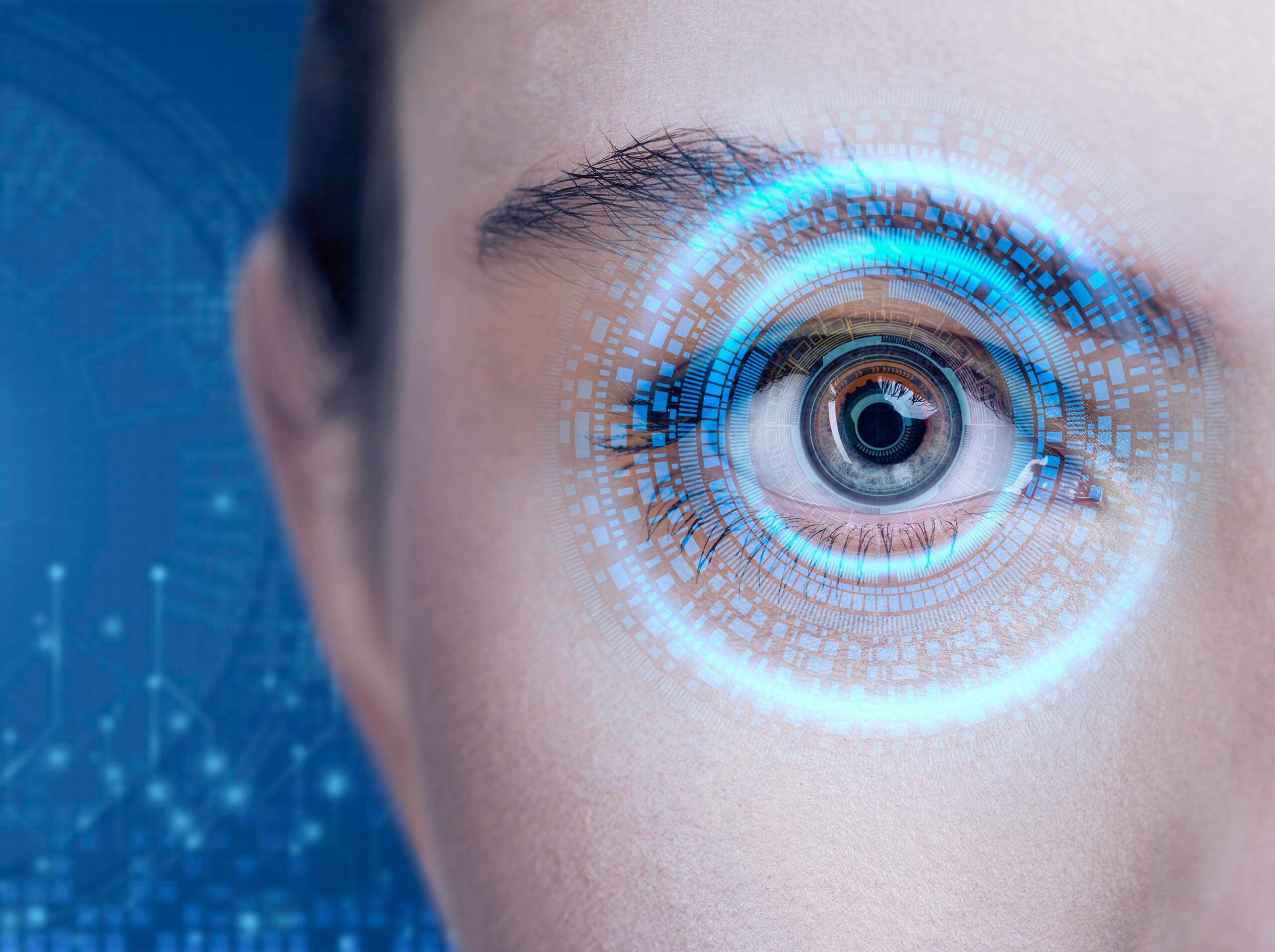
A patient walks into an eye clinic in India complaining of blurred vision. The front desk is managing appointments, an assistant is checking visual acuity, the doctor is reviewing old reports, and another patient is waiting for a retinal scan. In that moment, ophthalmology clinic technology is not just about machines. It is about how quickly the clinic can diagnose, explain, document, bill, and follow up without creating confusion.
In 2026, modern eye care is becoming more digital, more image-driven, and more patient-focused. Research and industry coverage increasingly show that AI, fundus photography, OCT, visual field testing, teleophthalmology, and workflow design are becoming central to ophthalmology care. (Frontiers)
For clinic owners, doctors, administrators, and front desk teams, the real question is not, “Should we buy more devices?” The better question is, “Which ophthalmology clinic technology will help us run a safer, faster, more trusted eye clinic?”
What The Core Problem Clinics Face
Many eye clinics invest in good ophthalmology clinic equipment, but still struggle with daily operations. The doctor may have advanced diagnostic tools, yet the patient record may be incomplete. The front desk may schedule appointments manually. Follow-ups may depend on memory. Reports may sit separately from prescriptions and billing.
This creates a gap between clinical capability and clinical experience.
Common problems include:
- Long waiting times during peak hours
- Scattered patient history
- Manual appointment coordination
- Delayed reports and follow-ups
- Poor visibility into recurring eye conditions
- Difficulty managing diagnostic images and treatment notes
- Front desk pressure during busy OPD hours
- Limited tracking of patient outcomes and repeat visits
This is where ophthalmology clinic technology must be seen as a full clinic system, not a collection of machines.
Why This Problem Is Getting Worse
Eye clinics in India are handling more complexity than before. Diabetes related eye screening, glaucoma monitoring, cataract evaluation, pediatric eye care, refractive errors, retinal imaging, and chronic follow-ups all require structured documentation.
AI is also moving faster into ophthalmology because eye care depends heavily on imaging such as fundus photography, OCT, and visual field testing. (Frontiers) In India, AI-based diabetic retinopathy screening has also been developed for lower-resource settings, showing how digital eye screening may expand beyond large hospitals. (The Times of India)
But advanced tools alone do not solve the clinic’s problem. If advanced ophthalmology devices are not connected to patient records, appointment flow, billing, and follow-up tracking, the clinic still feels fragmented.
This is why modern eye clinic technology must combine diagnostics, workflow, EMR, and patient communication.
Rethinking The Problem
The smartest eye clinics in 2026 will not simply buy the most expensive devices. They will build connected workflows.
That means ophthalmology clinic technology should answer practical questions:
- Can the doctor see the previous eye history quickly?
- Can diagnostic findings be linked to the patient record?
- Can the front desk manage appointments without chaos?
- Can follow-ups for glaucoma, cataract, diabetic retinopathy, or post-procedure care be tracked?
- Can billing and prescriptions move smoothly after consultation?
- Can the clinic owner understand which services are growing?
This is the shift from equipment ownership to ophthalmology practice management.
Top 7 Ophthalmology Clinic Technology Investments
| Technology | What It Supports | Why It Matters |
| AI-assisted screening | Retinal and disease risk screening support | Helps clinics manage high-volume screening |
| Digital imaging systems | Fundus images, OCT, diagnostic visuals | Improves documentation and patient explanation |
| Ophthalmology EMR | Eye history, prescriptions, reports, follow-ups | Connects clinical and operational workflows |
| Visual field testing tools | Glaucoma and optic nerve monitoring | Supports long-term disease tracking |
| Teleophthalmology systems | Remote review and outreach care | Expands access and follow-up options |
| Smart appointment and billing tools | Reception, payments, and visit tracking | Reduces front desk pressure |
| Analytics and inventory systems | Clinic performance and stock visibility | Helps owners manage growth better |
1. AI-Assisted Eye Screening
AI-assisted screening is one of the most important areas of ophthalmology clinic technology. It can support high-volume screening workflows for conditions like diabetic retinopathy and glaucoma, especially when used under clinical supervision.
AI does not replace the ophthalmologist. It helps organise attention, support screening, and reduce pressure in busy clinics.
For Indian eye clinics, this is especially relevant because diabetic eye disease screening requires scale. Portable fundus cameras and AI tools are being discussed as ways to bring screening closer to patients and improve access. (CareCredit)
2. Digital Fundus Imaging And OCT Systems
Fundus cameras and OCT systems are core advanced ophthalmology devices because they help doctors see what patients cannot explain clearly.
A patient may say, “My vision feels cloudy.” But imaging helps the doctor examine the retina, optic nerve, macula, and other structures with more clarity.
Digital imaging improves:
- Patient education
- Long-term comparison
- Disease monitoring
- Documentation
- Referral communication
In modern eye clinics, ophthalmology clinic equipment should not only capture images. It should help the doctor explain findings in a way patients can understand.
3. Ophthalmology EMR And Smart Clinic Software
A modern eye clinic needs more than devices. It needs a digital brain.
An ophthalmology EMR helps manage patient history, prescriptions, diagnosis notes, appointments, billing, and follow-ups. This is where EasyClinic becomes relevant for clinics that want a connected workflow.
For example, a patient with glaucoma may need repeat visual field tests, medication reviews, pressure checks, and follow-ups. If this is managed on paper, the clinic may lose continuity. With digital workflows, the doctor and front desk can track the journey more clearly.
Explore EasyClinic features to see how patient records, appointments, prescriptions, billing, and analytics can work together.
4. Visual Field Testing Technology
Visual field testing is important for glaucoma monitoring and optic nerve-related conditions. It helps doctors understand functional vision changes that may not be obvious to the patient.
This type of eye clinic technology is valuable because many eye diseases progress silently. A patient may feel fine until significant vision loss occurs.
When visual field results are connected to patient history and follow-up planning, clinics can build better continuity of care.
5. Teleophthalmology And Remote Follow-Up Systems
Teleophthalmology is becoming important because not every patient can visit frequently, especially in smaller cities, rural areas, or post-procedure follow-ups.
Teleophthalmology and portable systems are increasingly discussed as part of AI-enabled eye care expansion. (Frontiers)
For clinics, this does not mean every consultation becomes remote. It means the clinic can manage selected follow-ups, report reviews, patient education, and outreach more efficiently.
This is a practical form of ophthalmology clinic technology that improves access without overloading the doctor.
6. Smart Appointment, Billing, And Patient Flow Tools
One of the most overlooked investments is front desk technology. A clinic may have premium diagnostic machines but still lose patient trust because appointments, billing, and reporting are disorganised.
Smart appointment and billing tools support:
- Faster registration
- Better queue visibility
- Smoother billing
- Reduced staff confusion
- Improved patient communication
- Easier follow-up planning
This is where clinic management software becomes an essential part of ophthalmology practice management.
7. Analytics, Inventory, And Growth Visibility
Clinic owners often know the clinic is busy, but do not know what is driving growth.
Are cataract evaluations increasing? Are diabetic eye screenings growing? Are glaucoma follow-ups being missed? Are certain medicines or consumables running low?
Analytics and inventory tools help clinics make better decisions. This is a practical but powerful part of ophthalmology clinic technology.
A clinic cannot scale confidently if the owner sees only the waiting room and not the workflow behind it.
How EasyClinic Solves This In Practice
EasyClinic helps ophthalmology clinics connect clinical care with daily operations.
Imagine a patient coming for diabetic eye screening. The front desk registers the visit. The doctor records findings. Imaging notes are linked to the patient profile. A prescription is created digitally. Billing is completed. A follow-up is planned. The next time the patient visits, the old record is available.
This creates a smoother journey for the doctor, staff, and patient.
EasyClinic supports:
- Patient records
- Appointments
- Digital prescriptions
- Billing workflows
- Inventory visibility
- Follow-up management
- Clinic analytics
- Multi-user coordination
This makes it a practical layer of ophthalmology clinic technology for growing clinics in India.
Clinics can explore the EasyClinic platform and review implementation planning through the pricing page.
Practical Wow Use Cases
1. The Diabetic Patient Who Needs Yearly Screening
A patient with diabetes may forget eye screening until vision changes begin. A smart clinic workflow can help track screening history and follow-ups more consistently.
2. The Glaucoma Patient Who Looks Stable But Is Not
Glaucoma can progress quietly. Visual field testing, pressure history, and follow-up notes help the doctor see patterns over time.
3. The Cataract Patient Who Brings Family Members
Cataract decisions often involve family discussion. Digital records and imaging make it easier to explain the condition clearly.
4. The Front Desk During A Crowded OPD
The most advanced ophthalmology clinic equipment cannot prevent front desk chaos. Appointment and billing workflows help reduce pressure.
5. The Clinic Owner Planning A Second Branch
Before expansion, the owner needs visibility into patient volume, services, staff load, and follow-up discipline. Analytics make growth planning more practical.
What Clinics Notice After Implementation
When clinics invest in the right ophthalmology clinic technology, the improvement is felt across the clinic.
Doctors access history faster. Patients understand diagnoses better. Staff members coordinate more smoothly. Follow-ups become more disciplined. Billing becomes clearer. Clinic owners get better visibility.
Within weeks, clinics may notice:
- Reduced patient confusion
- Faster registration and billing
- Cleaner patient records
- Better follow-up planning
- Easier doctor staff coordination
- More organised diagnostic workflows
- Improved patient confidence
- Better growth visibility
Patient Experience Transformation
Patients judge an eye clinic through trust. They want to know that the doctor understands their condition, the clinic remembers their history, and the next step is clear.
Strong ophthalmology clinic technology supports this trust naturally.
Patients feel the difference when:
- Old records are available
- Images are explained clearly
- Prescriptions are readable
- Follow-ups are scheduled properly
- Billing is organized
- The clinic feels calm and professional
Modern eye clinic technology helps patients feel guided, not rushed.
Why EasyClinic Is Built For This Problem
EasyClinic is built for modern clinics that need practical digital transformation. Ophthalmology clinics need more than machines. They need an operating system for patient flow, clinical records, billing, follow-ups, and growth.
EasyClinic helps clinics move away from scattered records and manual coordination. It gives doctors and teams a more connected way to manage daily work.
This is why EasyClinic fits the future of ophthalmology practice management. It supports the clinical and administrative journey without making the team feel overwhelmed.
10 FAQs
1. What is ophthalmology clinic technology?
Ophthalmology clinic technology includes diagnostic devices, imaging tools, EMR software, appointment systems, billing workflows, teleophthalmology tools, and analytics used to run an eye clinic efficiently.
2. What equipment does an ophthalmology clinic need?
Common ophthalmology clinic equipment includes a slit lamp, fundus camera, OCT, visual field analyser, autorefractometer, tonometer, lensometer, and digital record systems.
3. Why is AI important in eye clinics?
AI can support screening, image review, workflow prioritisation, and early identification support when used under clinical supervision.
4. Is ophthalmology clinic software necessary?
Yes. Ophthalmology clinic software helps manage records, appointments, prescriptions, billing, inventory, and follow-ups.
5. What is the role of advanced ophthalmology devices?
Advanced ophthalmology devices help doctors diagnose, monitor, and explain eye conditions with greater clarity.
6. Can small eye clinics use digital systems?
Yes. Small clinics benefit from digital workflows because they often need to manage high patient flow with limited staff.
7. How does EasyClinic help eye clinics?
EasyClinic helps clinics manage patient records, appointments, prescriptions, billing, follow-ups, and operational workflows.
8. What is ophthalmology practice management?
Ophthalmology practice management means organising the clinical, administrative, financial, and patient communication workflows of an eye clinic.
9. What technology improves patient trust in eye clinics?
Digital imaging, clear prescriptions, organised records, follow-up tracking, and smooth billing all improve patient trust.
10. Where can clinics explore EasyClinic?
Clinics can visit EasyClinic, explore features, or review pricing for implementation planning.
Conclusion
In 2026, ophthalmology clinic technology will no longer be optional for eye clinics that want to grow with confidence. The future belongs to clinics that combine advanced diagnostic tools with connected digital workflows.
AI-assisted screening, digital imaging, OCT, visual field testing, teleophthalmology, smart appointment systems, billing workflows, analytics, and inventory visibility all play a role. But the strongest transformation happens when these tools work together.
For Indian clinics, this is the real opportunity. Do not invest only in machines. Invest in a connected clinic system that improves patient trust, doctor efficiency, staff coordination, and long-term growth.
To build a future-ready eye clinic, explore EasyClinic and its complete clinic management features.