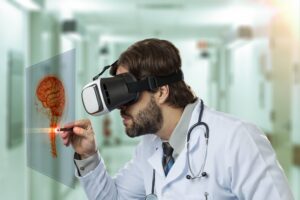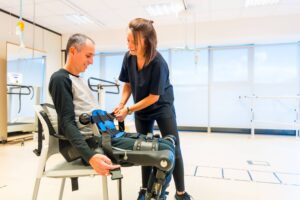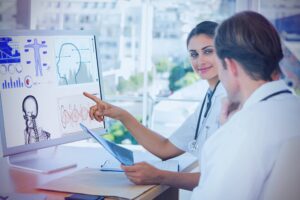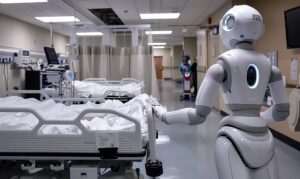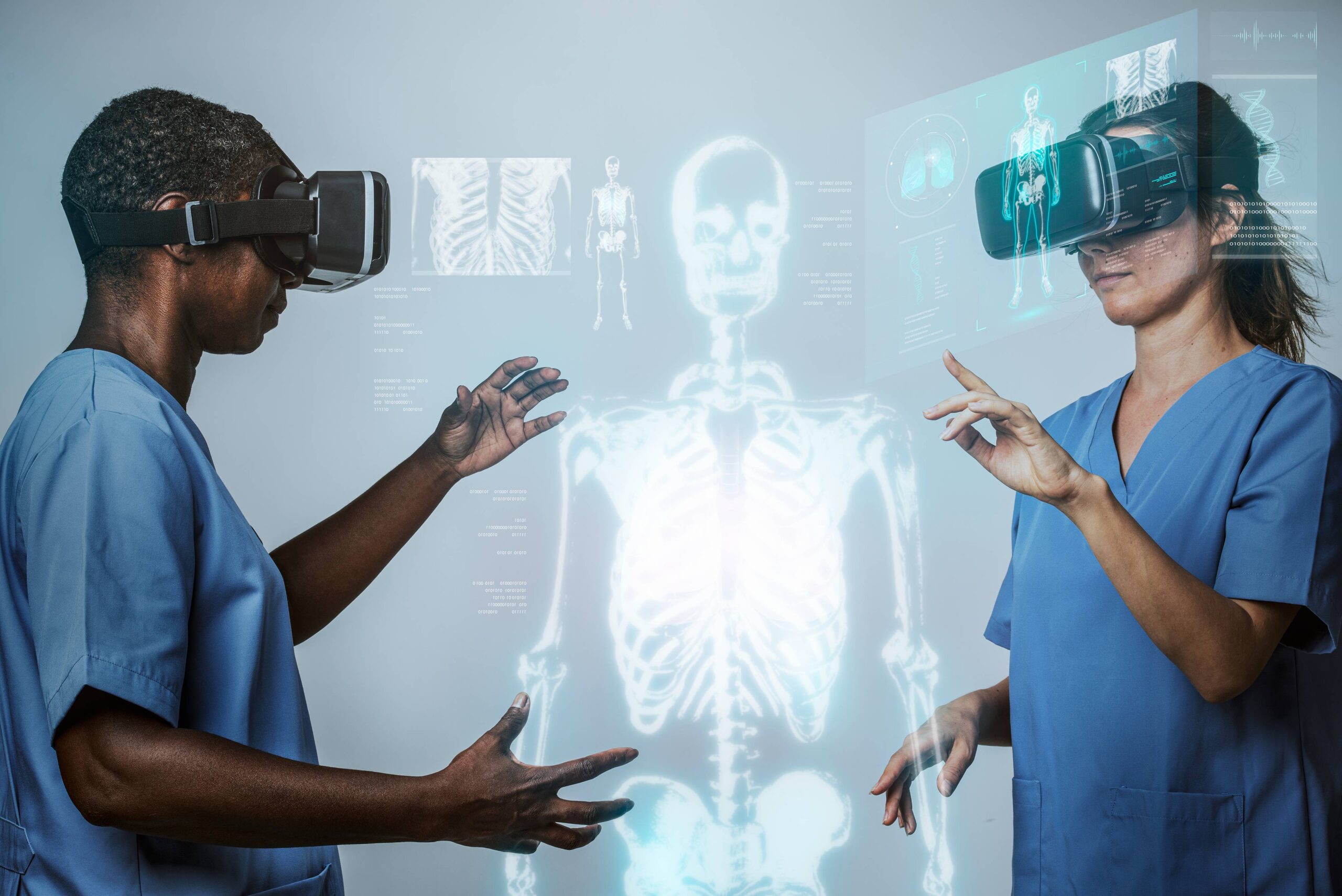
A patient in a small town has recurring stomach pain, but the nearest gastroenterologist is hours away. Earlier, the choice was simple and difficult: travel, wait, or delay care. In 2026, that picture is changing. Remote healthcare is no longer limited to video calls. Robotic telemedicine is bringing specialist presence, robotic diagnostics, telepresence robots, and AI-powered diagnostics into the patient journey.
For India, this matters deeply. The Government of India has highlighted AI-powered diagnostics, telemedicine, and digital health tools as part of the country’s healthcare transformation, especially to improve access and affordability. (Press Information Bureau)
For modern clinics, robotic telemedicine is not a science fiction idea. It is a signal that remote care is becoming more intelligent, more interactive, and more operationally demanding. Platforms like EasyClinic help clinics prepare for this shift by organising patient records, teleconsultation workflows, follow-ups, and clinic operations into one connected system.
What the Core Problem Clinics Face
Most clinics already understand telemedicine. The problem is that basic video calls only solve one part of remote care.
A doctor can speak to a patient online, but the clinic still needs:
- Patient history
- Consent and intake
- Diagnostic reports
- Vitals
- Follow-up reminders
- Prescription sharing
- Billing coordination
- Escalation when physical care is needed
Without these systems, remote care becomes fragmented.
This is why robotic telemedicine is becoming important. It adds physical presence, remote interaction, and diagnostic capability to virtual care. Telepresence robots can help doctors interact with patients remotely. Robotic diagnostics can collect or assist with clinical data. AI-powered diagnostics can help interpret information faster.
But the clinic still needs a strong digital backbone. Robotics without a clinic workflow becomes another disconnected tool.
Why This Problem Is Getting Worse
India has a specialist access gap across many regions. Patients in smaller cities and rural areas may need expert care but struggle with travel, cost, time, and availability. At the same time, patients now expect faster digital access, online booking, remote follow-up, and clearer communication.
The healthcare system is moving from episodic care to connected care. AI and telemedicine are already being used in public and private healthcare settings in India to bridge delivery gaps. (Press Information Bureau)
Remote healthcare technology is also becoming more advanced. Capsule endoscopy already allows patients to swallow a small camera capsule that captures images of the digestive tract, according to Mayo Clinic. (Mayo Clinic) Endiatx describes PillBot as a low-cost, disposable, remote-controlled endoscopy pill under development. (Endiatx)
The direction is clear. Remote care is moving from conversation to examination.
That creates both opportunity and pressure for clinics. If clinics continue using basic systems while diagnostics become smarter, the workflow gap will grow.
Rethinking the Problem
The future of telemedicine is not just “doctor on screen.”
It is doctor plus data plus device plus workflow.
That is the new meaning of robotic telemedicine.
A telepresence robot may help a specialist move through a remote facility. A swallowable robotic capsule may support gastrointestinal visualisation. AI-powered diagnostics may help identify patterns in images, X-rays, scans, or vital signs. But none of these tools delivers full value unless the clinic can manage the patient journey around them.
So clinics should stop asking:
“Should we offer online consultations?”
They should start asking:
“Can we manage remote care as a complete clinical workflow?”
That means intake, triage, diagnostics, documentation, prescription, payment, referral, and follow-up must work together.
Recent Robotic Telemedicine and AI Diagnostics Trends in 2026
| Trend | What It Means | Why It Matters for Clinics |
| Telepresence robots | Doctors can remotely interact with patients through robotic systems | Extends specialist access to remote locations |
| Swallowable robotic capsules | Capsule devices can capture digestive tract images from inside the body | Supports less invasive gastrointestinal diagnostics |
| AI-powered diagnostics | AI assists in interpreting images, vitals, and clinical data | Helps improve speed and consistency of diagnostic workflows |
| Remote patient monitoring | Devices track patient vitals outside the clinic | Supports chronic care and early risk detection |
| Robotic dentistry | AI and robotic systems are being explored for dental procedures | Shows how procedure automation may reshape speciality care |
| Digital health integration | EMR, telemedicine, diagnostics, and follow-up become connected | Makes remote care operationally scalable |
Robotic capsule endoscopy has seen active research, with reviews discussing intelligent capsule robots and their future requirements. (PMC) Robotic dentistry is also advancing, with reports noting that a fully automated dental procedure was completed using robotic arms, AI, and 3D imaging. (World Economic Forum)
How EasyClinic Solves This in Practice
EasyClinic helps clinics build the operational foundation needed for robotic telemedicine and AI-powered diagnostics.
A robot or diagnostic device may generate data. But someone still needs to manage:
Who is the patient?
What is the clinical context?
Where is the report stored?
Who reviews it?
What happens next?
How is the follow-up scheduled?
EasyClinic supports this workflow through digital records, appointment management, patient communication, billing, and operational visibility. You can explore the platform on the EasyClinic homepage and review workflow capabilities through EasyClinic features.
From Remote Consultation to Remote Care Journey
A modern remote care journey should look like this:
- Patient books online
- Clinic captures symptoms and history.
- Vitals or reports are uploaded.
- Doctor consults remotely
- AI-powered diagnostics support review
- Prescriptions and advice are shared.
- Follow-up is scheduled.
- Records stay organized
This is where robotic telemedicine becomes practical. It is not only about the robot. It is about the clinic system that makes the robot useful.
Practical Wow Use Cases
1. Rural Gastroenterology Support
A patient with recurring digestive symptoms may not have easy access to a specialist. A remote consultation alone may be limited. But robotic diagnostics, capsule imaging, and structured digital records can help specialists assess patients more effectively.
Capsule endoscopy already uses a swallowable camera to capture digestive tract images. (Mayo Clinic) As remote-controlled capsule technologies evolve, clinics will need systems that can manage imaging data, appointments, and follow-ups.
2. Telepresence for Specialist Review
A multi-speciality clinic in a smaller city may not have every specialist available daily. Telepresence robots can allow remote doctors to interact more naturally with patients and staff.
This can help clinics extend access without forcing every specialist to be physically present.
3. AI-Powered Triage Before Consultation
Before a remote doctor joins, AI-powered diagnostics and triage tools can help organise patient symptoms, vitals, and risk signals.
This does not replace the doctor. It helps the doctor start with a better context.
4. Remote Monitoring for Chronic Patients
Patients with diabetes, hypertension, or respiratory conditions may need continuous monitoring. Remote healthcare technology can help track patterns between clinic visits.
When integrated with EMR workflows, the clinic can identify who needs attention before a routine visit becomes urgent.
5. Dental Automation and Future Clinic Planning
Robotic dentistry is still emerging, but it signals a broader shift. AI, 3D imaging, and robotic systems are entering procedure planning and execution. The World Economic Forum reported that Perceptive used a robotic arm, AI, and 3D imaging in a fully automated dental procedure. (World Economic Forum)
For clinics, the lesson is simple. Speciality care is becoming more technology-driven. The clinic operating system must be ready.
What Clinics Notice After Implementation
Clinics that prepare for robotic telemedicine and AI-powered diagnostics usually notice improvements in coordination first.
- Remote consultations become easier to manage.
- Reports are easier to store and retrieve.
- Patients receive clearer next steps.
- Doctors get a better context before consultations.
- Follow-ups become more predictable.
The biggest change is confidence.
The clinic no longer treats remote care as a side activity. It becomes part of the main workflow.
This matters because remote healthcare technology only works when the clinic team knows what to do before, during, and after the remote interaction.
Patient Experience Transformation
Patients do not care whether a clinic uses a robot, an AI model, or a digital platform. They care whether care becomes easier.
They want:
- Less travel
- Faster access
- Clear instructions
- Reliable reports
- Continuity after consultation
- Confidence that the doctor has enough information
That is where robotic telemedicine can improve patient experience. It can bring specialist attention closer to the patient. It can reduce unnecessary travel. It can support faster diagnostics.
But the experience only feels complete when the clinic has strong communication and follow-up systems.
This is why EasyClinic matters. It helps clinics manage the human journey around advanced technology.
Why EasyClinic Is Built for This Problem
EasyClinic is built for modern clinics in fast-growing healthcare markets where digital care, telemedicine, and AI are becoming part of everyday operations.
It helps clinics organise the foundations needed for robotic telemedicine:
- Digital patient records
- Appointment workflows
- Teleconsultation readiness
- Report management
- Patient communication
- Follow-up coordination
- Operational visibility
Advanced tools create more data. EasyClinic helps clinics turn that data into organised care.
If your clinic is preparing for remote diagnostics, telepresence robots, or AI-powered diagnostics, the first step is building a clean workflow foundation. You can review platform fit through EasyClinic pricing.
Frequently Asked Questions
1. What is robotic telemedicine?
Robotic telemedicine uses robotic systems, telepresence devices, or remote diagnostic tools to help doctors interact with or assess patients from a distance.
2. How is robotic telemedicine different from a video consultation?
Video consultations allow conversation. Robotic telemedicine can add physical interaction, guided examination, remote diagnostics, or device-assisted care.
3. What are robotic diagnostics?
Robotic diagnostics use robotic devices or automated systems to collect diagnostic information, such as images, vitals, or internal body views.
4. What are telepresence robots in healthcare?
Telepresence robots allow doctors to remotely move, see, hear, and interact in clinical environments through robotic systems.
5. Are swallowable robotic capsules real?
Capsule endoscopy is already used to capture digestive tract images, and companies are developing remotely controlled capsule technologies. (Mayo Clinic)
6. Can AI-powered diagnostics replace doctors?
No. AI-powered diagnostics should support clinical review, not replace doctor judgment.
7. Why is robotic telemedicine important for India?
India has large geographic access gaps. Robotic telemedicine can support specialist access in smaller cities, rural areas, and remote care settings.
8. What should clinics prepare before adopting robotic telemedicine?
Clinics should prepare digital records, appointment workflows, report storage, consent processes, follow-up systems, and staff training.
9. How does EasyClinic support robotic telemedicine workflows?
EasyClinic helps organise records, scheduling, patient communication, reports, billing, and follow-ups so remote care becomes structured.
10. Is robotic telemedicine only for hospitals?
No. While advanced robotics may begin in hospitals, clinics can prepare by adopting telemedicine workflows, AI-ready records, and remote diagnostic coordination.
Conclusion
Remote healthcare is moving beyond simple video calls.
Robotic telemedicine is creating a future where doctors can interact remotely, diagnostic devices can collect richer data, and AI-powered diagnostics can support faster clinical review. For India, this is especially important because access, affordability, and specialist availability remain major challenges.
But technology alone is not enough.
Telepresence robots need workflows. Robotic diagnostics need records. AI-powered diagnostics need clean data. Patients need clear communication and follow-up.
That is why clinics must prepare now.
To build a stronger foundation for remote healthcare technology, explore EasyClinic, review the features, and assess clinic fit through pricing.