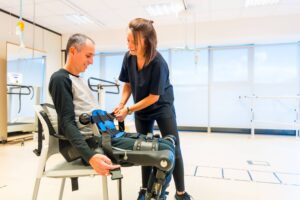
In the fast-evolving world of healthcare, AR surgery (augmented reality in surgery) is establishing itself as one of the most exciting and transformative technologies. By integrating digital visualizations with the physical environment, surgeons gain real-time anatomical insights that enhance precision and reduce procedural risk. As healthcare innovation accelerates, clinics and hospitals embracing AR are unlocking new levels of operational efficiency and patient safety.
For doctors, specialists, and clinic managers already using EMR software, clinic software, or other platforms, AR tools are becoming essential additions to the digital operating room.
How AR Surgery Enhances Visualization and Surgical Navigation
One of the most impactful applications of AR surgery is in visual and spatial guidance during complex surgical procedures.
Key Capabilities
- Anatomical Overlay: AR systems can project 3D digital maps of organs, blood vessels, and tumors directly onto the patient’s body, guiding surgeons through minimally invasive or high-risk operations.
- Reduced Imaging Burden: By reducing reliance on intraoperative X-rays and fluoroscopy, AR decreases radiation exposure to patients and surgical staff.
- Improved Planning: Surgeons can visualize preoperative scans and simulate surgical approaches, allowing for better decisions during the procedure.
This level of detail not only improves accuracy but also supports better integration with clinic EMR systems that store patient-specific anatomical data.
Real-Time Collaboration and Remote Surgical Assistance
AR surgery enables remote collaboration by connecting operating rooms to specialists around the world.
Benefits for Surgeons and Clinics
- Live Expert Consultations: Surgeons can receive real-time support from experts via AR-enabled headsets.
- Multisite Collaboration: Teams in different locations can visualize the same surgical field, improving communication and shared decision-making.
- Emergency Support: In urgent or unfamiliar scenarios, AR allows frontline surgeons to receive immediate guidance from experienced specialists.
For clinics investing in healthcare software and remote consultation tools, AR acts as a bridge between innovation and practical use.
Training Future Surgeons with AR Technology
Beyond real-time operations, AR surgery is revolutionizing medical education by offering immersive, hands-on learning environments.
Training Applications
- Realistic Simulations: Surgical trainees can practice complex procedures in AR environments, reducing reliance on cadavers or live patients.
- Skill Refinement: Repetitive practice within an AR setting allows residents to hone motor skills and decision-making.
- Assessment and Feedback: AR can track performance metrics to assess proficiency and suggest improvements.
These benefits support educational institutions and private clinics using AI-driven tools to standardize training and competency evaluation.
Specialized Use Cases of AR in Surgical Disciplines
The versatility of AR surgery makes it valuable across a range of medical specialties.
Current and Emerging Applications
- Neurosurgery: Enhanced neuronavigation and visualization of microscopic brain structures.
- Spine Surgery: Real-time navigation systems help surgeons place screws and hardware with precision.
- Plastic and Reconstructive Surgery: AR allows detailed simulation of aesthetic and reconstructive procedures.
- Organ Transplants: Helps visualize vascular and anatomical fit between donor and recipient tissues.
- Minimally Invasive Surgery: Offers superior visualization when endoscopic views are limited.
For specialists in any of these fields, pairing AR with a robust clinic management software platform maximizes procedural safety and outcomes.
Overcoming Challenges in Implementing AR Surgery
While AR surgery holds promise, certain technical and operational challenges remain.
Barriers to Adoption
- Image Registration Accuracy: Aligning digital projections with real-world anatomy requires high precision.
- System Latency and Stability: Delays in visual feedback can hinder surgeon performance.
- Integration with Existing Workflows: AR systems must work in tandem with EMR software and surgical suites.
- Surgeon Training: Adoption requires time and resources to train surgical teams.
To mitigate these challenges, clinics can implement AR tools alongside existing clinic software, ensuring seamless workflow and team alignment.
Future Trends in AR Surgery and Healthcare Innovation
As research and technology advance, the future of AR surgery will offer even more capabilities that redefine healthcare innovation.
What’s on the Horizon
- Haptic Feedback: Integration of touch simulation to enhance tactile precision.
- AI-Driven Insights: Combining AR with real-time AI analytics for personalized surgical pathways.
- Cloud Integration: Storing and sharing AR-enhanced surgical planning data for collaborative care.
- Patient-Specific Simulations: Custom simulations based on EMR data for individualized surgical rehearsals.
These innovations align with broader health data analytics and patient engagement tools that support long-term treatment strategies.
Real-World Success Stories Using AR in Surgery
Several pioneering institutions are already implementing AR surgery with remarkable results.
Case Examples
- Johns Hopkins University: Surgeons used AR to place spinal screws in patients with 98% accuracy.
- Imperial College London: AR is helping train students and assisting in robotic surgeries.
- Cedars-Sinai Medical Center: AR headsets are used to overlay live MRI scans during brain tumor removal.
These real-world implementations serve as blueprints for private clinics and group practices planning to adopt AR solutions.
Integrating AR Surgery into Clinical Practice
Implementing AR in surgical settings requires thoughtful strategy and alignment with existing tech infrastructure.
Steps for Adoption
- Assess Clinic Needs: Identify surgical departments that would benefit most from enhanced visualization.
- Choose Compatible Systems: Select AR solutions that work with existing clinic management software and medical devices.
- Pilot and Train: Begin with pilot programs and provide robust training to surgical teams.
- Monitor Outcomes: Use health data analytics to track clinical performance and patient outcomes.
Conclusion: AR Surgery Is the Future of Healthcare Innovation
From spine surgery to transplants and medical education, AR surgery is reshaping how clinics operate and how surgeons perform. Its ability to enhance visualization, reduce procedural risk, and support real-time collaboration positions it as a cornerstone of healthcare innovation.
Clinics that integrate AR with their existing clinic software, EMR software, and EMR systems are not only investing in patient safety but in the future of surgical precision.
To explore how AR and digital solutions can elevate your surgical practice, contact EasyClinic today.