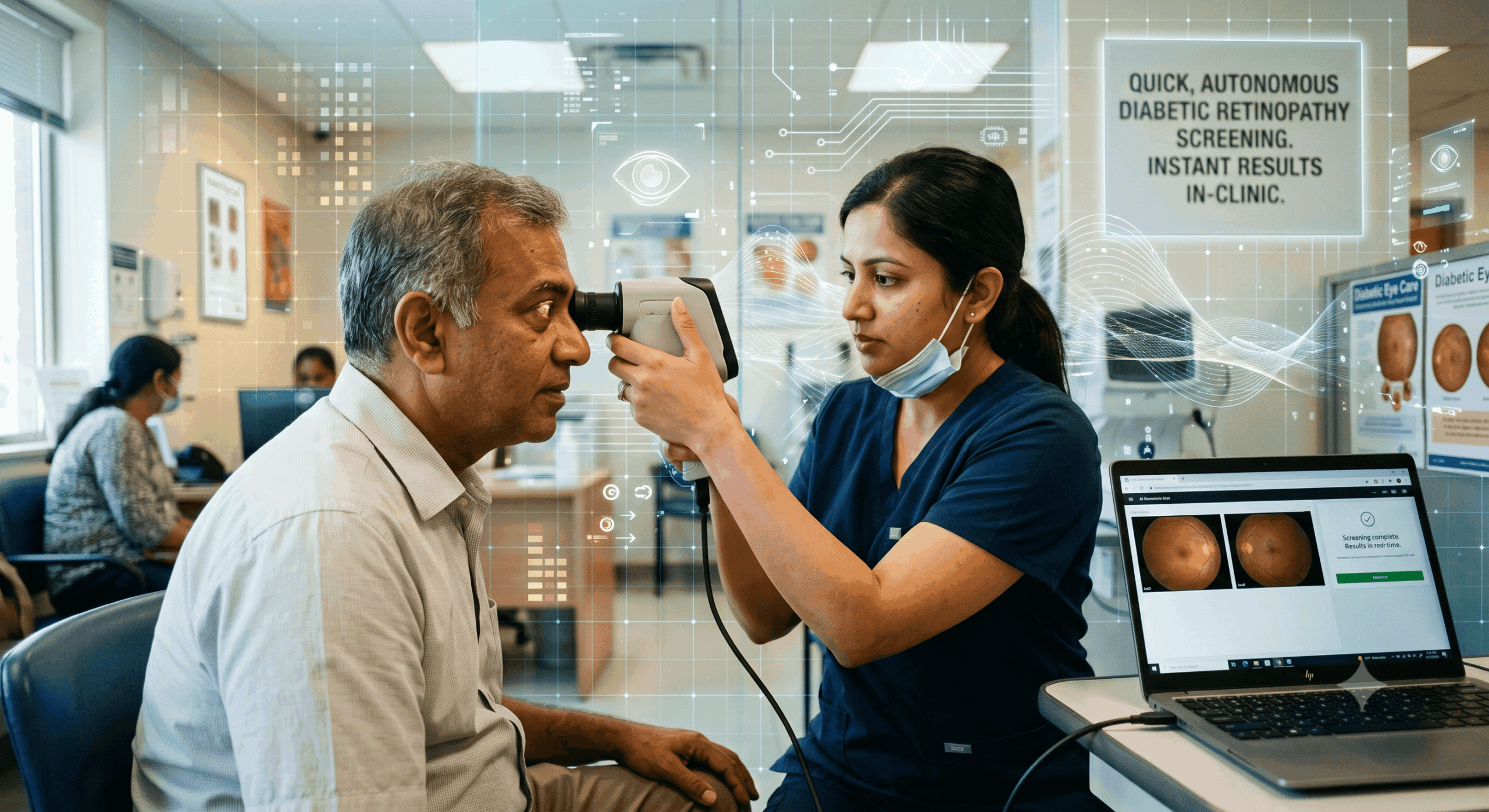
AI clinical trials are ushering in a transformative phase in healthcare innovation, reshaping how new treatments are developed, validated, and delivered. Through intelligent systems and medical research automation, clinics, hospitals, and pharmaceutical companies are now able to streamline trials, personalize patient matching, improve safety, and accelerate drug discovery. For clinics embracing modern technologies like EMR software and clinic management software, AI-based clinical trials are the next logical evolution in digital transformation.
Streamlining Processes with Medical Research Automation
The integration of medical research automation is revolutionizing how clinical trials are designed and executed. Traditional clinical research often involves extensive manual work, prone to delays and errors.
Key Innovations in Process Automation
- Automated Data Collection: Tools powered by AI collect information from wearable devices, apps, and clinic EMR platforms, reducing manual entry.
- Real-Time Monitoring: AI systems flag data inconsistencies, adverse events, or missed timelines, improving oversight.
- Advanced Analytics: Large datasets are processed swiftly for insights on patient responses, treatment effectiveness, and risk patterns.
- Adaptive Algorithms: AI customizes workflows and analytics dashboards depending on trial phase and objectives.
With the help of healthcare software, clinical workflows now experience less friction and higher accuracy.
Optimizing Patient Recruitment and Retention
One of the biggest hurdles in trial efficiency has been finding the right patients. AI clinical trials simplify recruitment by processing vast patient databases to find matches based on genetics, medical history, and behavioral data.
Benefits for Clinics and Research Facilities
- AI-Powered Matching: Precision algorithms match eligible participants faster and more accurately.
- Personalized Outreach: Machine learning tools create targeted messaging to improve response rates.
- Increased Diversity: AI systems can locate underrepresented populations to improve study inclusivity.
- Dropout Prevention: Predictive analytics flag participants at risk of dropout for timely intervention.
Integrating AI-driven recruitment into clinic software improves not just efficiency, but also patient engagement and study robustness.
Accelerating Drug Development and Enhancing Safety
AI clinical trials aren’t only about automation—they’re also enabling faster, smarter drug development by predicting adverse events and identifying promising compounds early.
AI-Powered Drug Development
- Predictive Modeling: AI anticipates how drugs interact with different demographics and genotypes.
- Safety Analytics: Algorithms monitor symptoms, side effects, and abnormal metrics in real-time.
- Molecular Simulation: Machine learning supports virtual testing of compounds before real-world application.
- Faster Approval Cycles: Faster insights lead to better documentation and quicker regulatory submissions.
With access to AI in health data analytics, doctors can assess trends and prepare for broader applications in treatment.
Enhancing Regulatory and Data Management
Every clinical trial must meet strict regulatory standards. AI improves compliance through automation, alert systems, and intelligent documentation.
Tools Making It Possible
- Automated Regulatory Reports: AI systems auto-generate submission-ready documents.
- Clean Data Pipelines: Anomalies are corrected in real-time, reducing rework.
- Patient Consent Tracking: Digital tools monitor consent status and remind teams about updates.
- Support for Decentralized Trials: Allows virtual participation and data capture from remote patients.
For clinics using clinic management platforms, these capabilities reduce paperwork and facilitate patient safety.
Future Trends in AI Clinical Trials
As AI becomes embedded in clinical research, new technologies are expanding the limits of what trials can achieve.
Innovations on the Horizon
- Digital Twins: Simulated patient avatars that help model responses without risk.
- Generative AI: Designs unique molecules or treatment combinations.
- Real-Time Personalization: Treatments are adjusted mid-trial based on participant response.
- Predictive Enrollment Forecasting: AI estimates recruitment timelines based on historical and demographic data.
These advancements will continue to be supported by real-time monitoring features available through EMR software.
Clinical Trial Applications for Doctors and Clinics
Medical professionals are increasingly involved in trials as principal investigators or referral sources. For these users, AI clinical trials offer many advantages.
Real-World Use Cases
- Post-Market Surveillance: AI tools monitor long-term effects in patients using clinic EMRs.
- Adverse Event Management: Dashboards display alerts, visualizations, and recommendations.
- Precision Medicine Integration: Trials are linked with patient-specific data for tailored therapy plans.
- Remote Monitoring: Trials can be managed through clinic EMR and wearable-integrated dashboards.
These functionalities enhance care coordination, follow-up adherence, and compliance.
Transforming Clinic Infrastructure for Research Integration
Clinics planning to participate in trials must update their technological backbone to align with evolving requirements.
Smart Implementation Strategies
- Upgrade to Compliant EMR Systems: Choose tools that support documentation, timestamping, and digital signatures.
- Use AI in inventory management: Ensure trial drugs and devices are accurately stocked.
- Adopt AI billing solutions: Streamline reimbursement claims for trial activities.
Clinic management software should seamlessly integrate research modules for long-term scalability.
Boosting Patient Engagement in Research
AI enhances patient experience by ensuring that participants understand, agree with, and feel valued throughout their participation.
Tools to Improve Engagement
- Smart Consent Forms: Interactive digital forms improve comprehension.
- AI Chatbots: Guide patients through processes and answer questions.
- Real-Time Feedback Surveys: Gather insights for improving retention.
These features, available through AI patient engagement tools, make trials more inclusive and patient-friendly.
Challenges and Solutions in AI-Powered Clinical Trials
Despite the promise, there are limitations that stakeholders must navigate.
Common Challenges
- Algorithm Bias: Poorly trained models can lead to data skew.
- Data Privacy: Sensitive information must be securely managed.
- Staff Training: Physicians need upskilling in tech-enabled research tools.
Solutions
- Transparent AI: Use explainable models with auditing capabilities.
- Secure Platforms: Encrypt data in healthcare software infrastructure.
- Professional Development: Offer training modules on AI for doctors.
Conclusion: The Smart Future of Clinical Research
AI clinical trials and medical research automation are no longer futuristic concepts—they’re already transforming clinics, CROs, and hospitals worldwide. These innovations are not just improving outcomes—they’re also enabling more efficient, inclusive, and safer research environments. For medical practices looking to evolve, now is the time to invest in smarter, AI-enabled clinic software solutions that bridge the gap between research and care.
To learn how EasyClinic can support your clinic’s involvement in AI-powered research, contact us today.