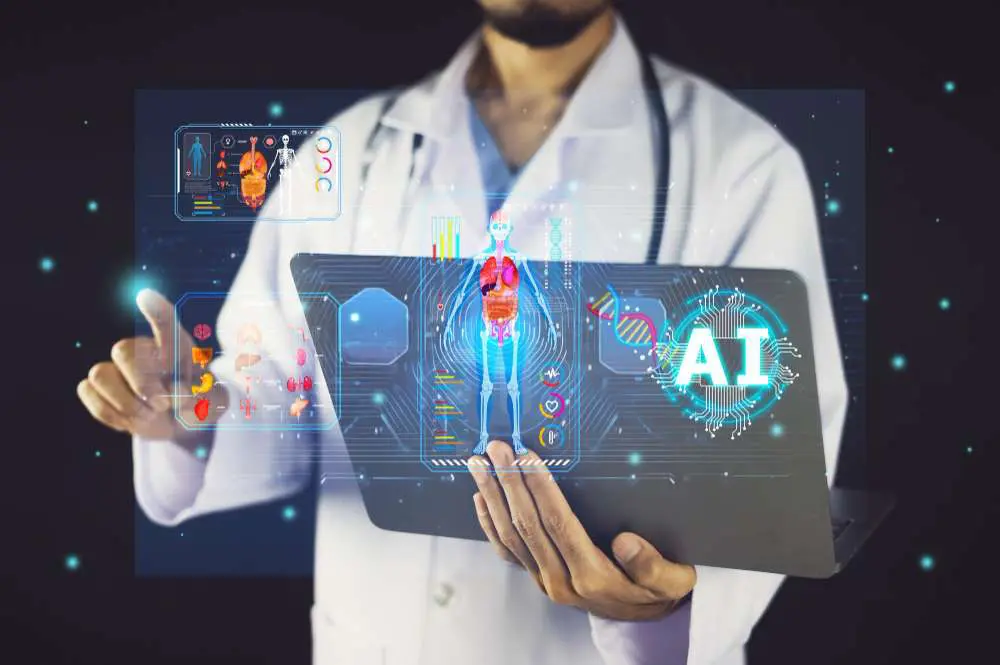
Chronic diseases such as diabetes, hypertension, and heart disease require ongoing monitoring and timely interventions. Managing these conditions manually can be overwhelming for both healthcare providers and patients. AI in chronic care is transforming the way clinics handle long-term illnesses by automating processes, improving patient engagement, and ensuring proactive treatment.
Challenges in Chronic Care Management
Caring for patients with chronic conditions presents several challenges:
- Frequent Monitoring: Patients need regular check-ups and health tracking.
- Data Overload: Doctors must process vast amounts of patient data.
- Delayed Interventions: Without real-time alerts, worsening conditions may go unnoticed.
- Patient Compliance Issues: Adherence to treatment plans is often inconsistent.
How AI Transforms Chronic Care
AI in chronic care enhances healthcare efficiency by:
- Automating Patient Monitoring: AI-driven health tracking ensures real-time data collection from wearable devices and home monitoring tools.
- Predicting Disease Progression: AI analyzes patient history and identifies risk factors before symptoms worsen.
- Clinic Automation for Better Workflow: Automates appointment scheduling, medication reminders, and follow-up alerts.
- Integrating with EMR for Chronic Care: AI-enhanced EMR software compiles and analyze patient data for personalized treatment plans.
Benefits of AI-Powered Chronic Care Management
With AI in chronic care, clinics and hospitals experience:
- Early Detection & Prevention: AI detects early signs of deterioration and alerts medical staff.
- Personalized Treatment Plans: AI customizes care strategies based on patient data trends.
- Better Patient Engagement: Patients receive automated reminders, health education, and progress tracking tools.
- Reduced Hospital Readmissions: Predictive analytics help prevent emergency visits through proactive care.
Real-World Impact: AI in Action
Consider a diabetic patient who struggles with fluctuating blood sugar levels. With AI in chronic care, an AI-driven EMR continuously tracks glucose levels, sends automated alerts for abnormal readings, and reminds the patient about medication adherence. Doctors receive real-time data, allowing them to adjust treatment plans without unnecessary clinic visits.
Conclusion
Managing chronic conditions is complex, but clinic automation powered by AI is revolutionizing long-term care. By integrating AI in chronic care with easyclinic’s EMR for clinics can enhance efficiency, improve patient outcomes, and deliver proactive healthcare. Discover how AI can transform chronic disease management in your clinic today.