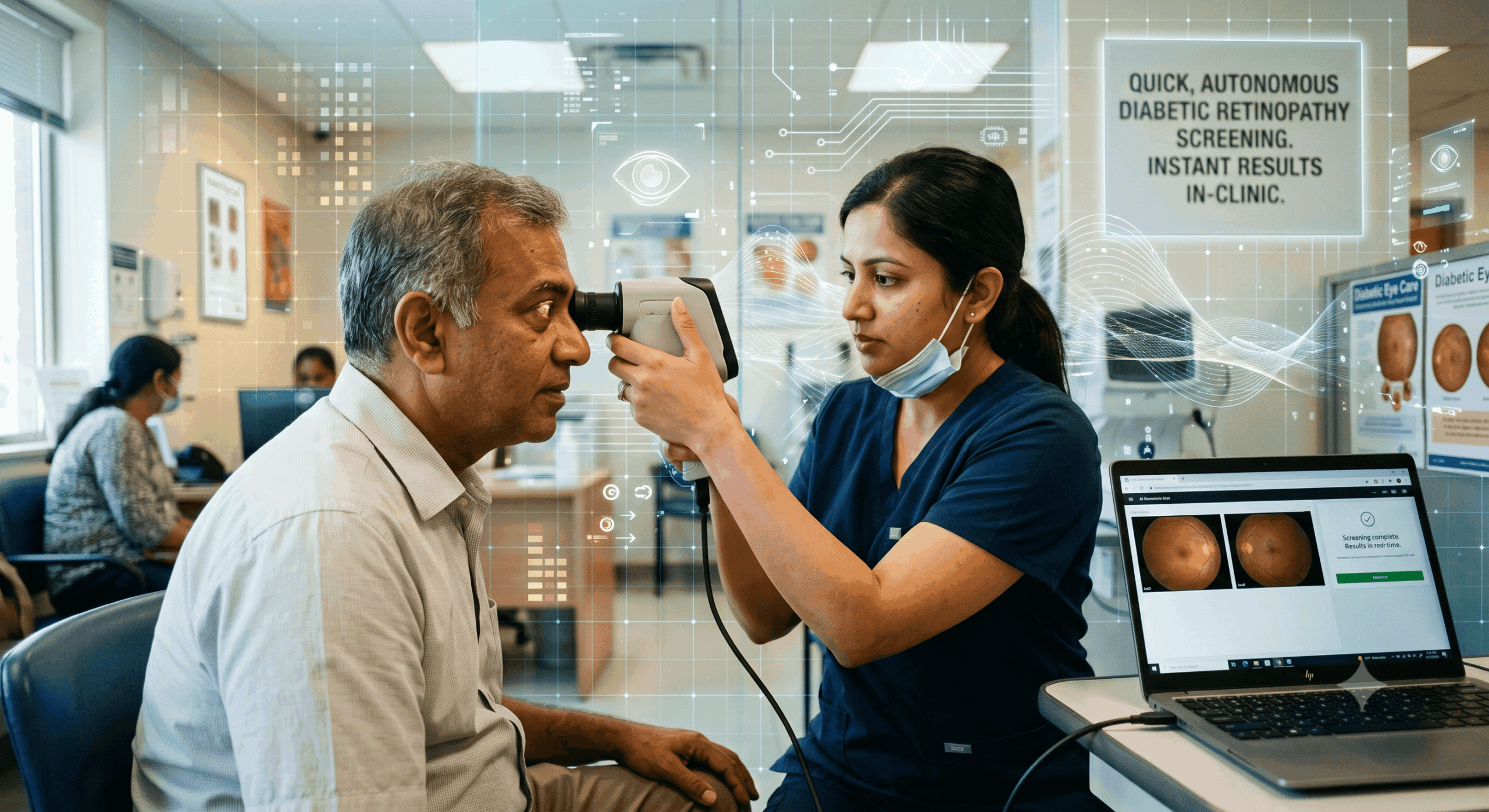
In today’s digital age, clinics handle vast amounts of sensitive patient data, from medical records to billing information. Protecting this data is not just a legal obligation but also a critical component of patient trust. With the rise of cyber threats, AI in Clinic Data Security is emerging as a powerful solution to safeguard patient privacy. By leveraging robust data protection measures and role-based access control, AI is helping clinics secure their data like never before. In this blog, we’ll explore how AI is transforming clinic data security, the benefits it brings, and why it’s essential for modern healthcare practices.
The Challenges in Clinic Data Security
Healthcare data is a prime target for cybercriminals due to its sensitive nature. Clinics face several challenges in protecting patient information:
- Increasing Cyber Threats: Hackers are constantly evolving their tactics, making it difficult for traditional security measures to keep up.
- Complex Data Management: Clinics store data across multiple platforms, including EMR systems, billing software, and cloud storage, increasing vulnerability.
- Human Errors: Mistakes like weak passwords or accidental data sharing can compromise security.
- Regulatory Compliance: Clinics must adhere to strict regulations like HIPAA, which require advanced security measures.
These challenges highlight the need for smarter, more proactive solutions—enter AI in Clinic Data Security.
How AI in Clinic Data Security Works
AI-powered solutions are designed to address the complexities of healthcare data security. Here’s how they’re making a difference:
1. Robust Data Protection
AI provides robust data protection by continuously monitoring systems for unusual activity. It can detect and respond to threats in real time, preventing data breaches before they occur.
2. Role-Based Access Control
With role-based access control, AI ensures that only authorized personnel can access sensitive data. For example, a nurse may only have access to patient records, while a billing specialist can only view financial information.
3. Advanced Threat Detection
AI algorithms analyze patterns in data access and usage to identify potential threats. This includes detecting unauthorized logins, unusual file transfers, or suspicious behavior.
4. Automated Compliance Monitoring
AI helps clinics stay compliant with regulations by automatically auditing data access logs, generating reports, and flagging potential violations.
Benefits of AI in Clinic Data Security
The adoption of AI in Clinic Data Security offers numerous benefits for both clinics and patients:
Enhanced Data Protection
AI’s ability to detect and respond to threats in real time ensures that patient data remains secure, even against sophisticated cyberattacks.
Improved Efficiency
Automating security tasks like threat detection and compliance monitoring frees up IT staff to focus on other critical tasks.
Greater Patient Trust
When patients know their data is secure, they’re more likely to trust the clinic and share accurate information, leading to better care outcomes.
Regulatory Compliance
AI simplifies the process of adhering to regulations like HIPAA, reducing the risk of penalties and legal issues.
Cost Savings
Preventing data breaches saves clinics from costly fines, legal fees, and reputational damage.
Real-World Impact: AI in Action
Consider a mid-sized clinic that experienced a data breach due to a phishing attack. Sensitive patient information was compromised, leading to financial losses and a damaged reputation.
After implementing AI in Clinic Data Security, the clinic saw a dramatic improvement. The AI system provided robust data protection by monitoring network activity 24/7 and detecting threats in real time. Role-based access control ensured that only authorized personnel could access sensitive data, reducing the risk of internal breaches.
The results? The clinic reported a 90% reduction in security incidents, improved patient trust, and seamless compliance with regulatory requirements.
The Future of AI in Clinic Data Security
The potential of AI in Clinic Data Security is immense. Future advancements may include predictive analytics to forecast potential threats, AI-driven encryption tools for enhanced data protection, and virtual assistants to manage security protocols.
As cyber threats continue to evolve, AI will play an even greater role in helping clinics stay ahead of the curve and protect patient privacy.Conclusion
AI in Clinic Data Security is no longer a luxury—it’s a necessity for clinics looking to safeguard patient data and maintain trust. By embracing robust data protection measures and role-based access control, clinics can protect sensitive information, comply with regulations, and focus on delivering exceptional patient care.
Easy Clinic, a leader in AI-powered healthcare solutions, offers cutting-edge tools designed to enhance clinic data security. With features like real-time threat detection and automated compliance monitoring, Easy Clinic ensures your clinic’s data remains secure and your patients’ privacy is protected.
Discover how Easy Clinic can transform your clinic’s data security today—because patient trust starts with data protection.
Learn more about Easy Clinic’s AI-powered data security solutions here.
Explore how AI enhances healthcare data security.
See how AI streamlines compliance and security in clinics.