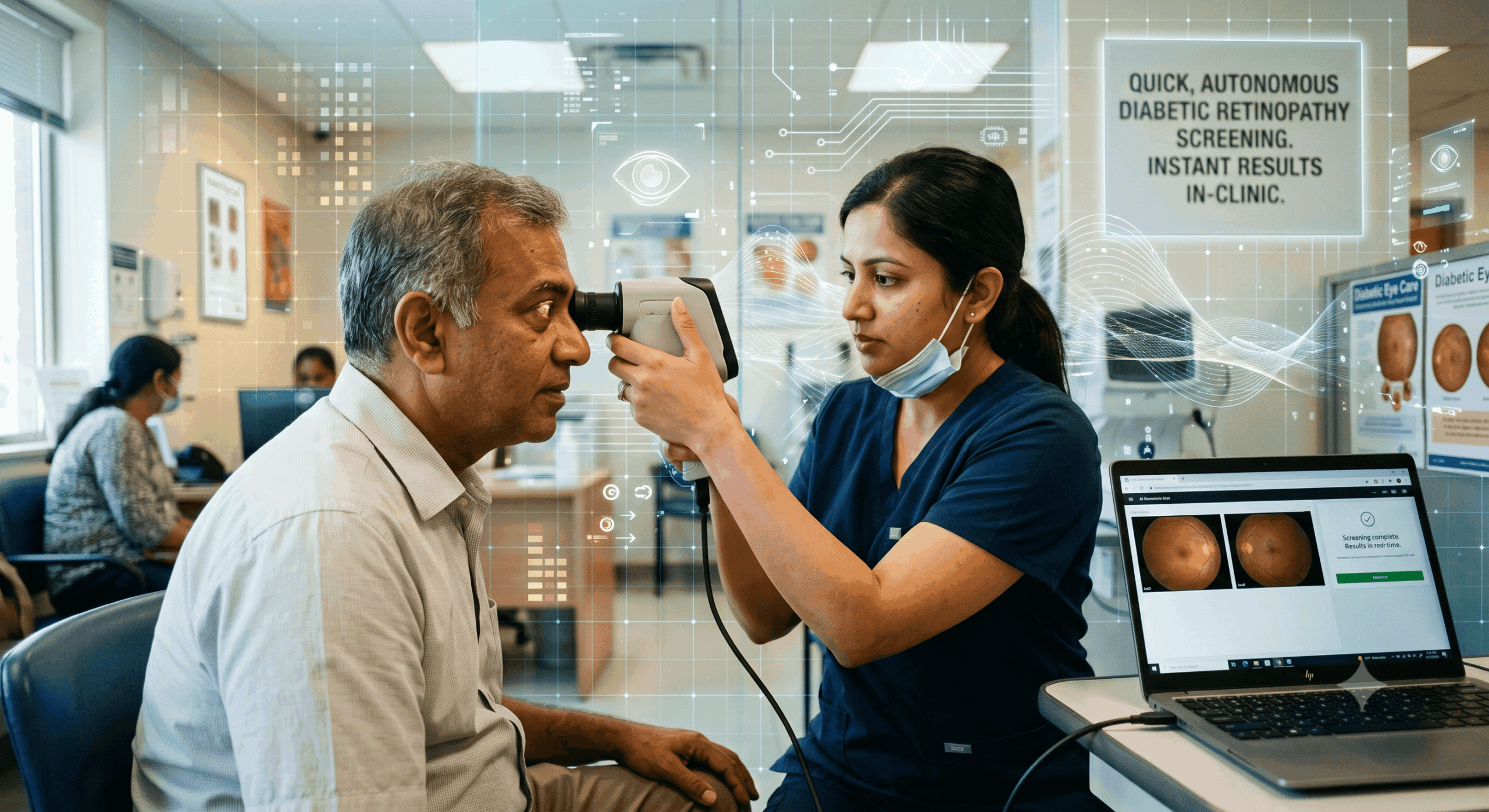
Healthcare is shifting from reactive treatment to proactive prevention. AI in Preventive Care Analytics is playing a crucial role in identifying health risks before they escalate, helping clinics and healthcare providers make informed decisions for better patient outcomes. By analyzing patterns in medical data, AI enhances health risk prediction, leading to timely interventions and improved overall health management.
The Importance of Preventive Care in Healthcare
Preventive care focuses on early detection and intervention to reduce the risk of chronic diseases. Traditionally, medical professionals relied on periodic check-ups and self-reported symptoms. However, these methods have limitations in detecting early warning signs. AI-powered solutions provide data-driven insights, ensuring a more accurate and proactive approach to healthcare.
How AI in Preventive Care Analytics Works
AI-driven tools analyze patient data to identify risk factors and predict potential health issues. Here’s how it works:
- Visual Health Trend Analysis: AI processes historical medical records to detect abnormalities and predict future health risks.
- Efficient Patient Summaries: AI compiles patient history, vitals, and test results into structured reports for easy access.
- Predictive Modeling: Machine learning algorithms assess risk scores based on genetic, lifestyle, and medical data.
- Real-Time Monitoring: Wearable devices and digital health records feed AI systems with live data, improving accuracy in predictions.
Benefits of AI in Health Risk Prediction
1. Early Detection of Chronic Conditions
By analyzing trends in patient data, AI can detect early warning signs of chronic diseases like diabetes, heart disease, and hypertension. This allows doctors to recommend preventive measures before conditions worsen.
2. Personalized Preventive Care Plans
With AI, clinics can create customized wellness plans based on individual patient profiles, ensuring targeted healthcare solutions. AI’s ability to analyze large datasets enables precise recommendations tailored to each patient’s needs.
3. Reduced Hospitalizations and Healthcare Costs
Predictive analytics help identify high-risk patients, allowing doctors to intervene early. This minimizes emergency visits and long-term hospitalizations, reducing overall healthcare expenses for both providers and patients.
4. Improved Patient Engagement and Education
AI-driven tools offer insights that patients can easily understand. Automated reports, digital alerts, and interactive dashboards empower individuals to take charge of their health through better awareness and informed decision-making.
5. Real-World Example: AI in Action
A patient with fluctuating blood pressure visits a clinic. Instead of waiting for symptoms to worsen, AI in Preventive Care Analytics identifies irregular trends in past vitals and flags potential risks of hypertension. The doctor receives an alert and immediately adjusts the patient’s care plan, preventing future complications.
Conclusion
AI is revolutionizing preventive care by enabling health risk prediction and early intervention. Clinics utilizing AI in Preventive Care Analytics can enhance patient outcomes, reduce costs, and promote proactive healthcare management. As AI technology continues to advance, its role in predicting and preventing health issues will become an integral part of modern medical practice. Discover how AI-driven solutions like Easy Clinic can transform your clinic’s preventive care strategy today.