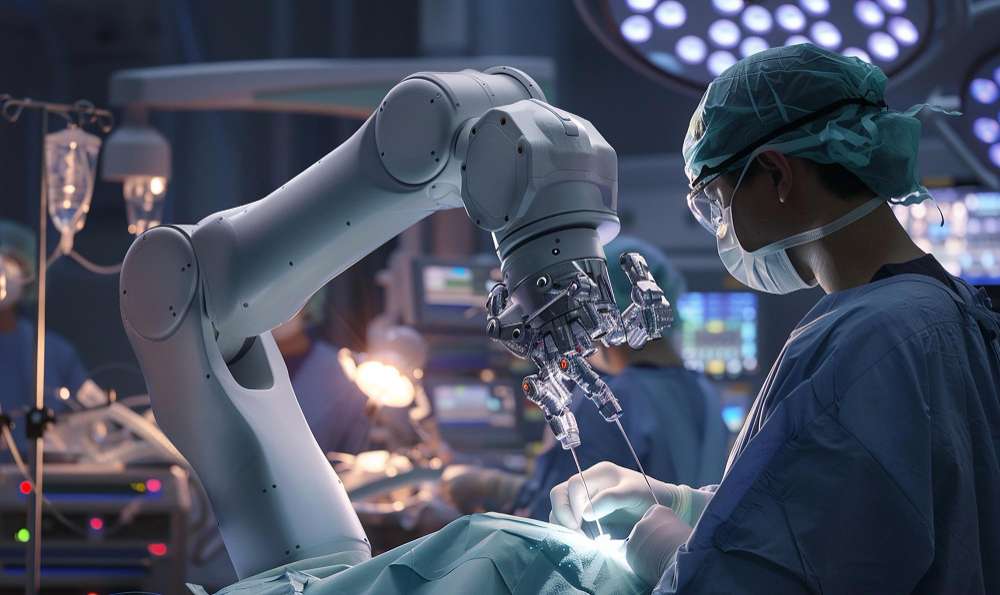
Modern surgical procedures demand precision, efficiency, and seamless coordination between medical teams. AI in Surgical EMR is transforming how clinics and hospitals manage surgical workflows, optimize documentation, and improve patient outcomes. By integrating intelligent automation, AI simplifies complex tasks, enhances decision-making, and ensures smooth operative care from pre-surgery planning to post-surgery recovery.
Challenges in Surgical Documentation
Surgical record-keeping is crucial but often time-consuming and prone to errors. Some key challenges include:
- Inefficient Data Access: Surgeons need to review past surgical notes and case histories, which can be difficult with paper-based or unstructured medical records.
- Lack of Real-Time Collaboration: Multiple specialists may be involved in a procedure, requiring seamless information-sharing.
- Time-Consuming Documentation: Manual entry of operative details can delay workflow and impact efficiency.
- Limited Integration with Other Systems: Disconnected medical records lead to incomplete patient data during surgeries.
How AI in Surgical EMR Optimizes Operative Care
AI-powered Surgeon EMR System brings automation and intelligence into surgical documentation, offering:
- Side-by-Side Past Records: AI enables quick access to previous case notes, imaging, and patient histories, helping surgeons make informed decisions.
- Collaborative Case Notes: Multiple specialists can update and share case details in real time, ensuring coordinated care.
- Automated Operative Reports: AI extracts key details from surgical procedures and compiles structured reports instantly.
- AI-Driven Insights for Surgical Planning: Machine learning analyzes patient data to help predict risks and guide surgical strategies.
Benefits of AI in Surgical EMR
1. Faster Decision-Making with Instant Data Access
Surgeons can quickly retrieve past case histories, lab reports, and imaging studies, eliminating the need for time-consuming searches.
2. Improved Accuracy in Surgical Documentation
AI reduces manual errors in surgical notes, ensuring precise and structured documentation that improves compliance and patient safety.
3. Enhanced Collaboration Among Surgical Teams
The Surgeon EMR System enables real-time collaboration between anesthesiologists, nurses, and specialists, ensuring seamless surgical workflows.
4. Better Post-Surgical Follow-Up and Patient Care
AI-driven insights track patient recovery trends, alerting clinicians to complications early and enabling proactive interventions.
Real-World Example: AI in Action
A surgeon preparing for a complex procedure needs to review a patient’s past surgeries, current medications, and diagnostic reports. Instead of manually retrieving scattered records, AI in Surgical EMR provides a side-by-side view of past records, highlighting critical insights. During the surgery, AI-driven collaborative case notes ensure all involved specialists stay updated in real time. Post-surgery, AI continuously monitors patient vitals, alerting doctors to any abnormalities for timely intervention.
Conclusion
AI in Surgical EMR is revolutionizing how clinics and hospitals manage operative care, reducing administrative burdens while improving surgical efficiency. A Surgeon EMR System equipped with AI-powered tools enhances collaboration, speeds up documentation, and ultimately delivers better patient outcomes. As clinics continue to embrace AI, surgical workflows will become more streamlined, precise, and effective.