Introduction
Neurology, one of the most complex branches of medicine, plays a critical role in India’s healthcare system. With rising incidences of neurological conditions such as stroke, epilepsy, Alzheimer’s, and Parkinson’s, India faces a growing demand for specialised neurocare. According to the Indian Council of Medical Research (ICMR), over 30 million people in India live with neurological disorders, and the number continues to rise as the population ages.
Yet, many neurology clinics still operate with limited digital infrastructure, relying heavily on manual workflows and fragmented data systems. This results in diagnostic delays, administrative inefficiencies, and missed opportunities for early intervention.
The good news is that AI tools for neurology clinics are changing this landscape. By combining artificial intelligence, machine learning, and data analytics, Indian neurology clinics can now analyse brain scans faster, monitor patients more effectively, and deliver personalised treatment plans. Solutions like EasyClinic are helping neurologists bridge the gap between technology and human care—making diagnostics smarter, care faster, and outcomes more predictable.
What are AI Tools for Neurology Clinics?
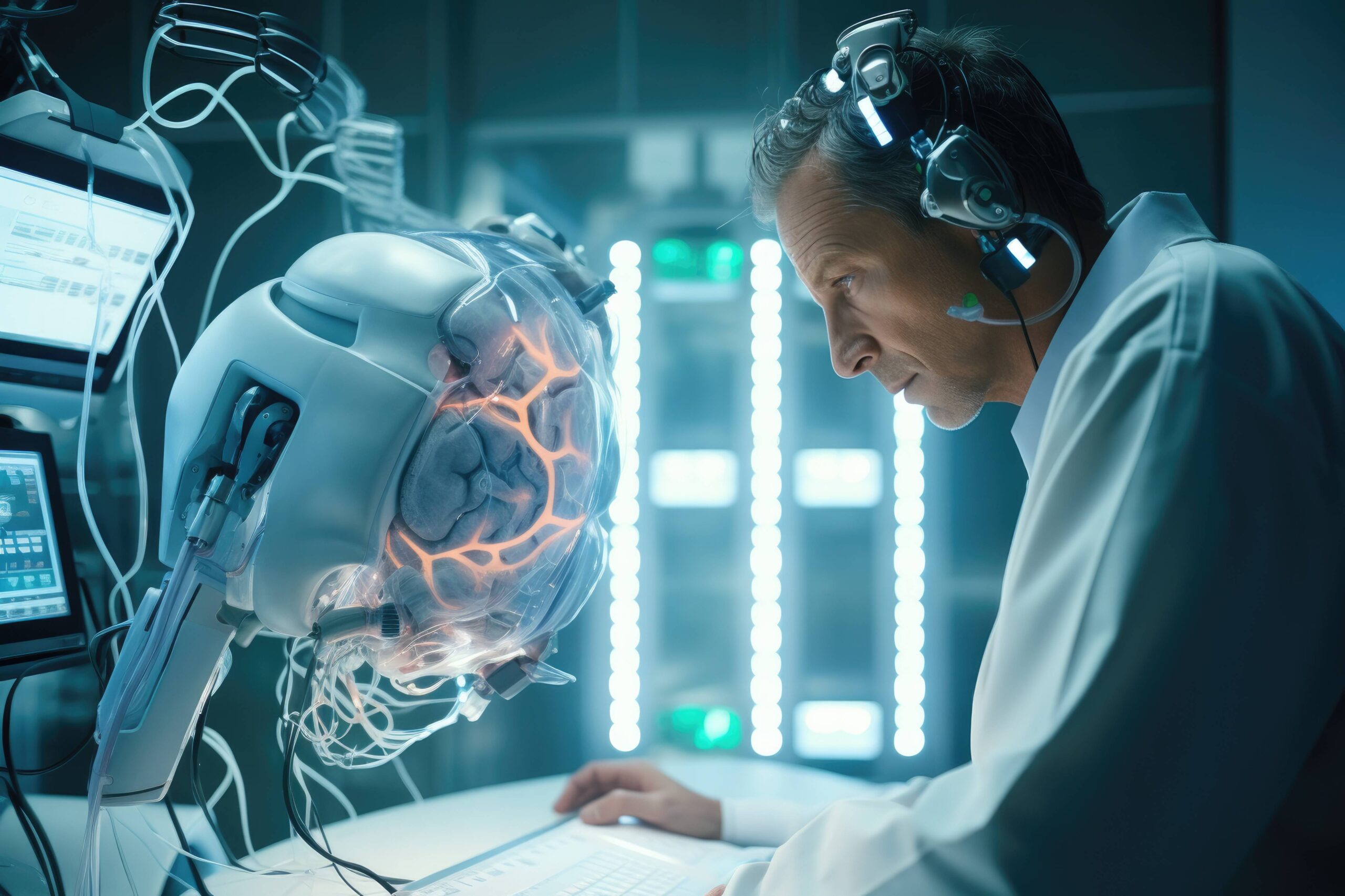
AI tools for neurology clinics are intelligent software systems that integrate patient data, neuroimaging results, and clinical histories to assist neurologists in diagnosis, decision-making, and patient management.
How They Work
- Data Aggregation: AI systems collect EMR data, MRI or EEG reports, and clinical notes.
- Pattern Recognition: Algorithms analyse brain images or neurological signals to detect early signs of abnormalities.
- Decision Support: Predictive models suggest probable diagnoses or treatment pathways based on global datasets and clinical trends.
Why It Matters for Indian Clinics
- India has a neurologist-to-patient ratio of 1:300,000, leading to significant diagnostic backlogs.
- AI helps reduce this gap by automating complex analyses such as seizure pattern detection or dementia risk scoring.
- Clinics can standardise care, reduce subjectivity, and make decisions faster—even in resource-limited settings.
By integrating such systems, Indian neurology clinics can handle more cases with higher accuracy while maintaining empathy and personal connection—two pillars of neurological care.
Core Features of AI Tools for Neurology Clinics
AI solutions for neurology bring together clinical precision, workflow automation, and patient engagement. Platforms like EasyClinic seamlessly combine these capabilities to support neurologists and clinic administrators alike.
1. AI-Driven EMR and Patient Data Management
- Digitises neurological case histories, MRI/CT results, and EEG interpretations.
- Automatically flags abnormal trends in vital signs, sleep patterns, or motor responses.
- Simplifies case reviews for multi-specialist consultations.
Explore EasyClinic’s EMR features.
2. Neuro-Imaging and Diagnostics Support
- AI interprets MRI and CT scans to detect lesions, tumours, or ischemic strokes earlier.
- Computer-vision models improve diagnostic precision by highlighting micro-abnormalities that humans might overlook.
- Enables faster radiology-neurology collaboration.
3. Predictive Brain Analytics
- Predicts the likelihood of conditions such as epilepsy recurrence or dementia progression.
- Supports early intervention by analysing risk factors such as age, genetics, and imaging data.
- Assists neurologists in creating preventive, personalised care plans.
4. AI-Enabled Decision Support Systems (CDSS)
- Suggests possible diagnoses or differential conditions using real-world patient data.
- Detects red-flag symptoms that may require urgent hospitalisation.
- Helps reduce diagnostic variability between clinicians.
5. Workflow and Administrative Automation
- Automates appointment booking, reminders, and follow-ups.
- Manages billing, insurance claims, and inventory (medications, EEG electrodes, contrast agents).
- Generates reports on clinic performance and patient outcomes.
With EasyClinic’s intelligent dashboards, neurology clinics can deliver accurate, timely, and data-driven care—without sacrificing the human touch that patients trust.
Local Healthcare Context in India
Current Challenges
India faces a unique set of neurological care challenges:
- Limited specialist access: Over 70% of neurologists are concentrated in Tier-1 cities, leaving rural areas underserved.
- Manual data management: Clinics depend on paper reports and disparate imaging systems.
- Long wait times: Patients often wait weeks for follow-up consultations.
- Lack of predictive tools: Most clinics lack data analytics for risk assessment or treatment forecasting.
Government Initiatives Supporting Digital Health
- Ayushman Bharat Digital Mission (ABDM): Establishes a nationwide digital health ID and electronic record framework.
- National Programme for Prevention and Control of Cancer, Diabetes, Cardiovascular Diseases and Stroke (NPCDCS): Includes provisions for early neurological screening.
- Digital Personal Data Protection Act (DPDPA): Enforces secure data handling for healthcare providers.
EasyClinic helps neurology clinics stay compliant with these frameworks by providing NDHM-aligned EMRs, secure cloud data management, and interoperability with diagnostic systems—all essential for building India’s next-generation neurocare infrastructure.
Benefits of Using AI Tools in Neurology Clinics
Integrating AI into neurology practice goes beyond convenience—it enhances precision, saves time, and improves patient outcomes.
1. Faster and More Accurate Diagnosis
- AI analyses MRI and EEG data to detect anomalies within seconds.
- Reduces the time required for manual interpretation and helps identify early-stage neurological disorders such as Parkinson’s or multiple sclerosis.
2. Predictive and Preventive Neurology
- Predictive models analyse historical data to forecast disease progression or treatment response.
- Early alerts enable doctors to adjust therapies before complications arise.
3. Streamlined Patient Monitoring
- AI tracks patient vitals, medication adherence, and cognitive performance remotely.
- Enables continuous care for chronic conditions like epilepsy or neuropathy.
4. Administrative Efficiency
- Reduces time spent on billing, documentation, and report generation.
- Enables small neurology clinics to operate with fewer staff without compromising service quality.
5. Enhanced Patient Experience
- Patients receive timely reminders, digital prescriptions, and follow-up guidance.
- Builds trust by involving patients in their treatment journey through transparent data sharing.
Example Case (Hypothetical):
A neurology clinic in Bengaluru adopted EasyClinic’s AI-powered EMR and scheduling tools. Within six months, diagnostic turnaround time for MRI analysis dropped by 40%, patient waiting time by 35%, and appointment no-shows by 50%. Doctors reported improved patient satisfaction and clearer diagnostic insights—all achieved through automation and analytics.
Cost & Pricing Models in India
Implementing AI tools for neurology clinics is now cost-effective thanks to flexible cloud-based models.
| Model | Description | Average Cost (₹) | Suitable For |
| SaaS Subscription | Cloud-based monthly plan, includes support and upgrades | ₹1,000–₹5,000 per user/month | Solo or mid-size clinics |
| On-Premise Setup | One-time license, local data hosting | ₹3–₹9 lakh upfront | Large hospitals or group practices |
| Hybrid Cloud Model | Combines local data storage with cloud flexibility | ₹4,000–₹8,000 per user/month | Clinics needing high data security |
EasyClinic Advantage
EasyClinic’s pricing is localised for Indian clinics with:
- Transparent plans and GST-ready invoices.
- No foreign currency charges.
- Free onboarding and training support.
- Scalability from single-doctor clinics to multi-branch hospitals.
This affordability ensures that even Tier-2 and Tier-3 neurology clinics can access AI innovation without financial strain.
Challenges in Adopting AI Tools in Indian Neurology Clinics
1. Infrastructure Gaps
Unreliable internet or outdated systems limit AI performance.
EasyClinic Solution: Lightweight cloud architecture optimised for low-bandwidth environments.
2. Resistance to Change
Some clinicians and staff are cautious about digital transitions.
EasyClinic Solution: Interactive training and multilingual onboarding reduce hesitation.
3. Data Security Concerns
Handling brain imaging and neurological data requires compliance with DPDPA and NDHM standards.
EasyClinic Solution: Implements end-to-end encryption, secure role-based access, and audit trails.
4. Integration Challenges
Many clinics use disparate imaging or lab systems.
EasyClinic Solution: Open APIs enable seamless integration with MRI/EEG equipment and external reporting tools.
By addressing these challenges, EasyClinic ensures a smooth and secure transition toward AI-enabled neurology practices.
Future Trends for AI Neurology Tools in India
The next era of neurology will be defined by predictive, connected, and patient-centric care.
Key Trends Ahead
- AI-Driven Brain Imaging: Deep learning will enhance the detection of micro-lesions, tumours, and vascular malformations.
- Predictive Brain Analytics: AI will forecast stroke recovery potential and cognitive decline risk.
- Tele-Neurology Expansion: Virtual consultations and remote EEG analysis will improve rural access to care.
- Wearable Integration: Smart headbands and neural sensors will feed continuous brain-wave data into EMRs.
- Generative AI for Reporting: Automated summaries will save neurologists hours of documentation each day.
EasyClinic’s Vision:
The platform is already building towards these trends—integrating predictive analytics, mobile EMR access, and teleconsultation features to make advanced neurology care accessible across India.
Comparison with Alternatives
| Software | Key Features | Pros | Cons | Pricing (Approx.) |
| EasyClinic (India) | AI EMR, predictive brain analytics, scheduling, and billing automation | Local support, NDHM compliance, and affordable pricing | None significant | ₹1,500–₹5,000/month |
| Global Software (India) | EMR, appointment booking | User-friendly | Limited AI diagnostics | ₹3,000–₹7,000/month |
| Local Software (India) | EMR, analytics | Data visualization | No neuro-specific tools | ₹2,500–₹6,000/month |
| Worldwide Software (Global) | Imaging & EEG analytics | Advanced ML algorithms | USD pricing, not localised | $200+/month |
| Advanced Global Software (USA) | EMR, billing | Enterprise-level platform | Costly for Indian clinics | $300+/month |
Why EasyClinic Leads
- Built for the Indian healthcare infrastructure.
- Integrates AI with operational tools tailored to neurology clinics.
- Offers real-time analytics, 24/7 Indian support, and transparent pricing.
Conclusion
In an era where neurological diseases are rising across India, AI tools for neurology clinics are redefining how care is delivered—faster diagnostics, smarter patient monitoring, and higher precision in treatment planning. Artificial intelligence empowers neurologists to detect early brain changes, track progress continuously, and engage patients with empathy and clarity.
EasyClinic stands at the forefront of this transformation. Designed specifically for Indian healthcare, it blends AI technology with clinical practicality—streamlining EMRs, automating operations, and enhancing diagnostic accuracy. For neurologists who aspire to deliver cutting-edge care while staying patient-focused, EasyClinic offers the right balance of innovation and reliability.
Explore EasyClinic today and experience how technology can elevate your neurology practice—where every insight leads to smarter, more compassionate brain care.