Pathology’s Role and the AI Shift in India
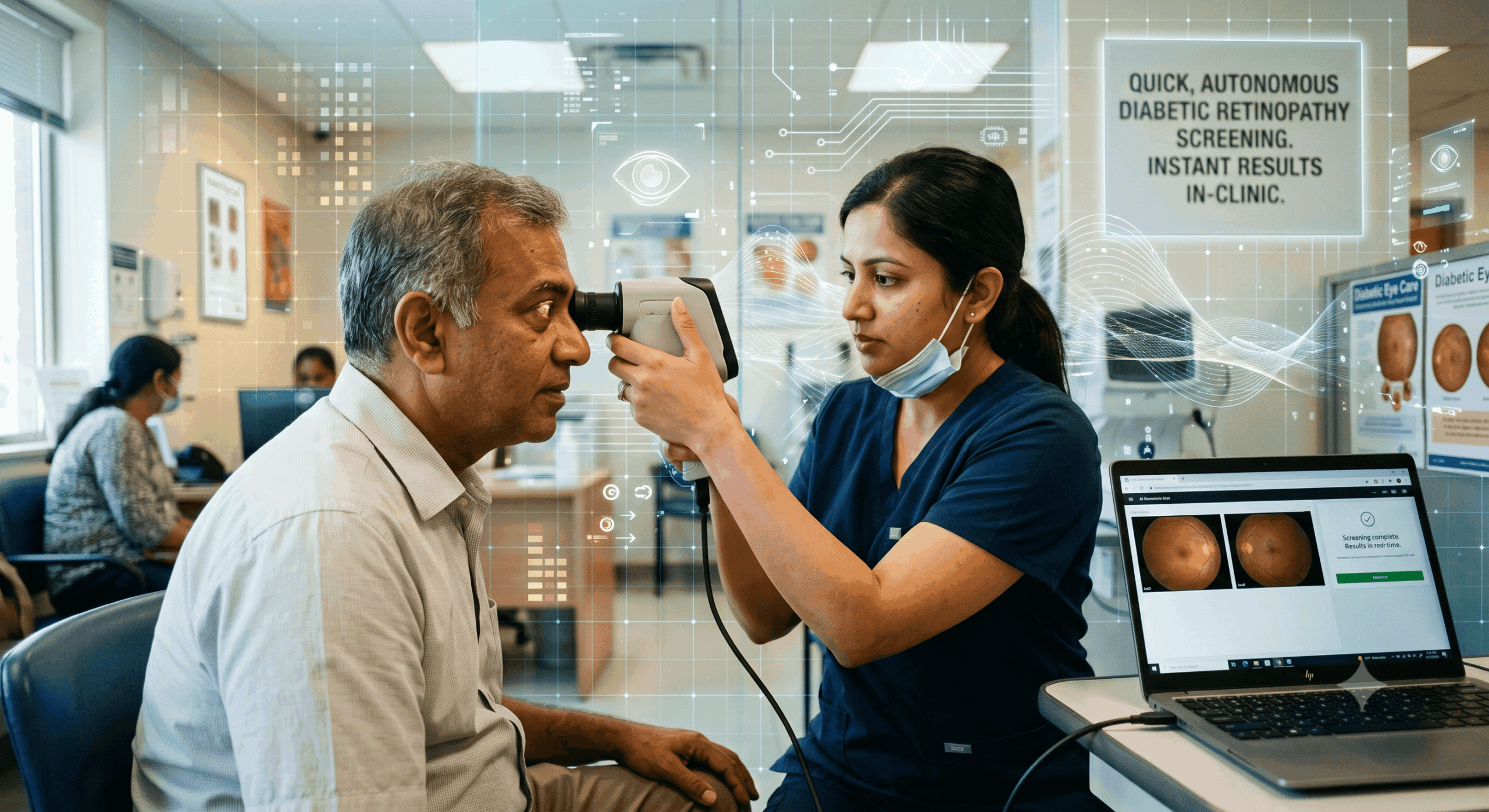
Every patient journey in India, whether it’s for a routine fever or a suspected cancer case, eventually passes through a pathology lab. Doctors rely on these reports to confirm diagnoses and decide on treatments. In fact, it’s estimated that nearly 70% of clinical decisions in India depend on pathology results. The importance of AI Tools in Pathology plays a vital role in reducing the time for doctors.
Yet, many clinics still depend on paper registers, handwritten reports, and overworked lab staff. Mistakes happen, reports are delayed, and patients wait longer than they should. In a country where time often decides between recovery and decline, these inefficiencies carry real risks.
This is where AI tools in pathology are starting to make a difference. By blending advanced image recognition, digital workflows, and predictive insights, clinics across India are beginning to reduce errors and speed up diagnoses. It’s not about replacing doctors or technicians. It’s about giving them sharper, faster tools to care for patients better.
What is an AI Tool for Pathology?
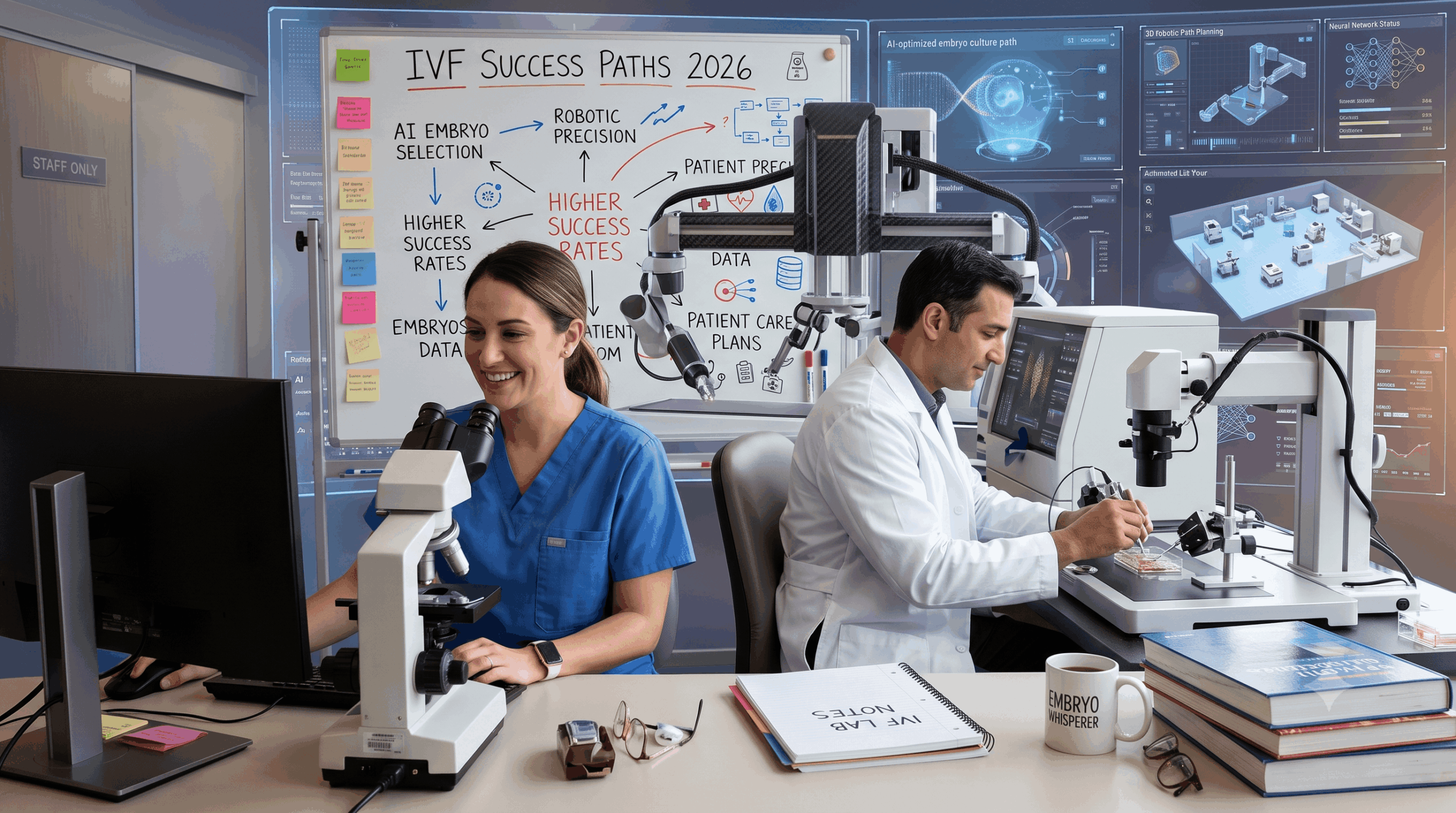
Think of AI tools in pathology as a digital assistant inside the lab. Instead of a technician staring at hundreds of slides, the software helps by:
- Scanning pathology images and highlighting suspicious patterns.
- Comparing new cases with thousands of previous ones.
- Suggesting possible abnormalities for the pathologist to review.
For a small clinic in a busy city like Delhi or a diagnostic centre in a tier-2 town, this matters. It saves hours of manual effort and reduces the chance of missing something important. As Modern Pathology (Nature) explains, AI is already cutting reporting times in many early adopters.
Core Features of AI Tools for Pathology Clinics
When doctors hear “AI pathology software,” they often imagine only high-tech imaging. But modern platforms bring together multiple clinic functions into one system.
What clinics can expect:
- AI-assisted diagnostics: Pattern recognition in histopathology and cytology.
- Digital records: All patient data is stored securely and is easy to retrieve.
- Billing integration: Automatic invoicing without manual errors.
- Inventory tracking: Alerts for low reagents or consumables.
- Analytics dashboards: Case load, turnaround times, and staff productivity at a glance.
- Patient communication: Instant SMS or email updates when reports are ready.
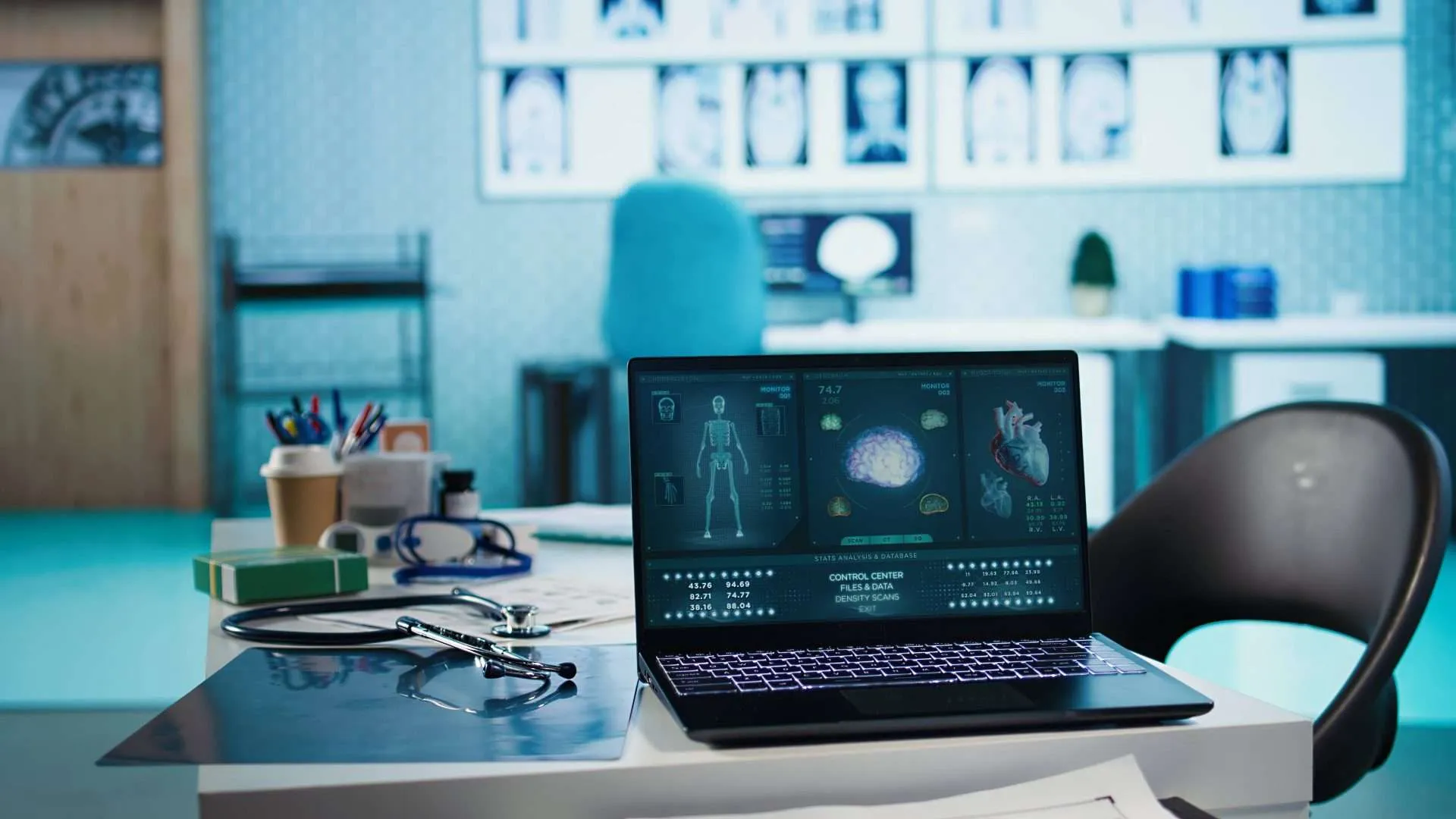
Imagine a pathology clinic in Pune. Instead of chasing paper slips and juggling Excel sheets, everything from test orders to billing and final reports flows through one dashboard. That’s the difference AI makes.
EasyClinic already offers these features in its digital platform, ensuring pathology clinics don’t just modernise their diagnostics but also their entire operations.
Local Healthcare Context in India
India has one of the fastest-growing diagnostic sectors in the world. Yet the ground reality is uneven:
- In metros, labs are flooded with patients and struggle to manage high volumes.
- In smaller towns, the lack of trained staff slows reporting.
- Manual records create errors and compliance headaches.
The National Digital Health Mission (NDHM) launched by the Government of India is a strong push toward digitisation. Clinics that adopt AI and digital tools will not only improve efficiency but also align better with national healthcare guidelines.
For pathology, this digital leap means fewer mistakes, better compliance with NABL standards, and quicker care for patients.
Benefits of Using AI Tools in Pathology Clinics
1. Faster reports
AI systems analyse slides in minutes, allowing doctors to review and finalise results sooner. A biopsy that once took three days could be completed in half the time.
2. Fewer diagnostic errors
Even the most skilled pathologist can feel fatigued. AI never tires. It helps catch small details that might otherwise be missed. The Lancet Digital Health notes that AI can match or even surpass human accuracy in some cancer screenings.
3. Better patient engagement
AI-enabled systems don’t just improve lab work. They send reminders, deliver digital reports, and keep patients connected with the clinic.
Case example
A clinic in Bengaluru shifted from paper-based reporting to an AI-enabled system. Turnaround time dropped by 40%. Patients started receiving SMS alerts the moment their reports were ready, improving satisfaction and loyalty.
Cost and Pricing Models in India
When pathology clinics hear “AI,” cost is the first worry. But the reality is encouraging.
- Subscription (SaaS): Pay monthly or yearly, with no heavy upfront cost.
- On-premise: Expensive, but still used by large hospital chains.
- Hybrid: Mix of cloud storage with some local setup.
For many Indian clinics, SaaS is the most practical choice. It lowers barriers to entry and makes advanced technology accessible.
EasyClinic’s pricing plans are designed with Indian clinics in mind. Instead of charging hospital-level rates, EasyClinic offers affordable packages that scale as clinics grow.
Challenges in Adopting AI Tools in Indian Pathology Clinics
Transitioning to digital pathology isn’t without hurdles.
- Internet reliability: Many clinics in tier-2 and tier-3 towns face connectivity gaps.
- Staff training: Lab technicians need time to adjust to new systems.
- Resistance to change: Some fear AI might “replace” humans.
- Data privacy concerns: Protecting sensitive patient data is non-negotiable.
Solutions
- AI tools like EasyClinic offer offline-capable modules for low-connectivity areas.
- Training and onboarding sessions ensure smooth adoption.
- Clear communication that AI assists, not replaces, pathologists, builds trust.
- HIPAA-grade security and compliance give patients confidence that their data is safe.
Future Trends for AI Pathology Tools in India
The coming years will reshape how labs operate:
- Predictive analytics: AI will not just detect, but also predict risks before they escalate.
- Mobile EMR access: Doctors will be able to view reports directly on their phones.
- Telepathology: Specialists in one city will review cases from remote clinics instantly.
- Big Data integration: Pathology data will feed into public health research, tracking national disease trends.
EasyClinic is already preparing for these changes, ensuring Indian pathology clinics can leapfrog into the future.
Comparison with Alternatives
| Software | Features | Pros | Cons | Pricing |
| Global Tool (Generic) | Slide analysis only | High accuracy, validated | Very costly, limited support in India | $1000+/month |
| Local Indian Tool | Basic digitisation | Affordable, easy to use | Limited AI features | ₹5k–₹15k/month |
| EasyClinic | EMR + AI + billing + inventory | Affordable, scalable, localised | Needs basic training | Flexible pricing |
Conclusion
Pathology is the backbone of India’s healthcare system, but manual processes and delays still slow down critical treatments. The adoption of AI tools in pathology is not just a technological upgrade. It is a way to save time, reduce errors, and give patients faster, more reliable care.
For Indian clinics, choosing the right partner matters. EasyClinic brings together AI pathology software, digital workflows, billing, and compliance in one affordable platform. With features built for Indian realities and pricing that works for small and large clinics alike, EasyClinic is leading the way.
The future of pathology in India is not just about machines or humans. It’s about both working together. And EasyClinic is here to make that future possible, one report at a time.