CRISPR medicine is redefining the boundaries of what’s possible in genetic treatment, diagnostics, and medical research. As a revolutionary force in gene editing healthcare, CRISPR technology enables healthcare professionals and researchers to target specific genetic sequences with unmatched accuracy. With the rise of personalized medicine, clinics that embrace CRISPR and align their infrastructure through advanced EMR software and clinic management software are positioning themselves at the forefront of modern patient care.
Understanding CRISPR Technology in Medicine
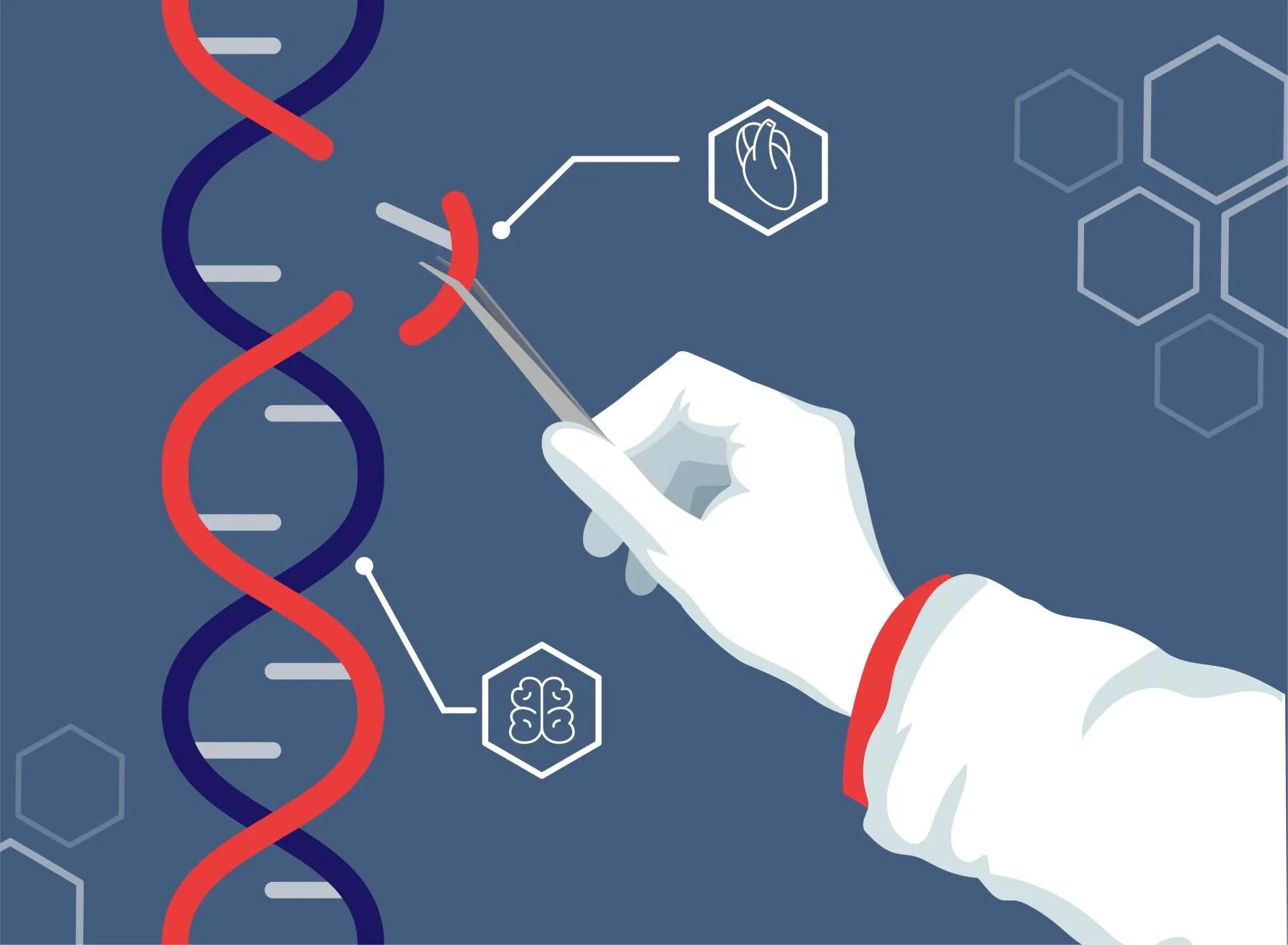
CRISPR (Clustered Regularly Interspaced Short Palindromic Repeats) is a gene-editing technique that uses the Cas9 enzyme, guided by synthetic RNA, to locate and edit DNA sequences. This enables precise gene modification, making it an ideal tool in modern healthcare software ecosystems for addressing complex genetic disorders.
Key Features of CRISPR Medicine
- High Precision: Targets only the intended DNA sequences.
- Cost-Efficient: Requires fewer resources than older gene-editing methods.
- Versatile Utility: Extends beyond therapy to research and diagnostics.
Clinics equipped with smart clinic software can begin integrating CRISPR-based services for forward-thinking genetic care.
Gene Therapy for Genetic Diseases: A New Era
The most transformative use of CRISPR lies in gene editing healthcare—specifically correcting the root causes of diseases at the genetic level.
Breakthrough Applications in Gene Therapy
- Sickle Cell Anemia: CRISPR can correct the specific mutation causing red blood cell malformation.
- Cystic Fibrosis: Repairs faulty CFTR genes to restore lung and pancreas function.
- Muscular Dystrophy: Directly addresses the mutations leading to muscle degeneration.
With therapies like Casgevy now FDA-approved, CRISPR medicine is no longer experimental—it’s a clinical reality.
Advanced CRISPR Editing Techniques
In addition to traditional CRISPR-Cas9 methods, newer editing technologies are increasing precision and safety.
- Base Editing: Makes single-letter DNA changes without cutting both DNA strands.
- Prime Editing: Enables even more refined edits, reducing risks of unwanted mutations.
These advanced techniques can be integrated into clinic EMR platforms to better track outcomes and plan personalized therapies.
CRISPR in Biomedical Research and Disease Modeling
CRISPR medicine is critical for creating accurate animal models that mirror human diseases, greatly improving the understanding of disease progression and drug response.
Research Advancements
- Disease Mechanism Understanding: Unravels how genetic mutations manifest as disease.
- Preclinical Testing: Enables testing of therapeutic strategies in controlled environments.
- Personalized Treatment Plans: Data from models informs targeted clinical protocols.
Smart clinics can collaborate with academic institutions by embedding research-ready tools in their clinic management framework.
CRISPR-Based Diagnostics: Speed and Precision
Beyond editing, CRISPR offers rapid and accurate diagnostic capabilities.
Diagnostic Applications
- Infectious Disease Detection: CRISPR tools can identify viruses like COVID-19, HIV, and Zika.
- Oncology Markers: Detects mutations linked to cancer subtypes from simple fluid samples.
- Genetic Risk Profiling: Helps determine susceptibility to diseases such as Alzheimer’s or heart disease.
Integrating these tests into EMR software ensures real-time alerts, documentation, and proactive treatment.
Expanding Horizons: Broader Applications of CRISPR
Gene editing healthcare is not limited to rare diseases. It’s influencing broader aspects of medicine.
Emerging Use Cases
- Antibiotic Resistance: Editing bacterial genomes to prevent drug resistance.
- Oncogenic Virus Management: Disabling cancer-causing viruses like HPV and Hepatitis B.
- Nano-Chemistry Integration: Using nanocarriers to deliver CRISPR elements more safely and effectively.
These tools will soon be part of routine care in clinics leveraging healthcare software.
Ethical and Regulatory Considerations in CRISPR Medicine
Despite its promise, CRISPR medicine raises important ethical and safety concerns.
Regulatory Concerns
- Off-Target Effects: Risk of editing unintended genes.
- Long-Term Impact: Unknown effects of germline modifications.
- Equity in Access: Advanced treatments may be inaccessible to underserved communities.
Clinics must adopt ethical screening and compliance tracking tools through clinic EMR systems.
Clinic-Level Implementation of CRISPR Solutions
For healthcare professionals, adopting CRISPR medicine involves clinical, operational, and technical preparation.
What Clinics Should Focus On
- Patient Selection Tools: Use AI-powered health records to identify eligible patients.
- Consent Management: Document informed consent with automated tools.
- Treatment Scheduling: Coordinate multi-phase therapy using clinic software.
By embedding CRISPR workflows into their clinic management software, clinics can streamline compliance, safety, and effectiveness.
Patient Engagement for Gene Editing Healthcare
Educating and involving patients in their CRISPR treatment journey is critical for success.
AI Tools for Engagement
- Smart Explainers: AI chatbots clarify complex terms in layman’s language.
- Multilingual Resources: Materials provided in patients’ preferred languages.
- Automated Follow-Ups: Reminders, lab test tracking, and post-treatment surveys.
All of these are made possible through AI-based engagement tools integrated into clinic operations.
Future Trends in CRISPR and Gene Editing
CRISPR medicine is still evolving. Anticipated developments include:
- In Vivo Editing: Editing genes directly inside the body.
- Non-Viral Delivery: Using safer methods than viral vectors.
- Point-of-Care Diagnostics: Instant CRISPR tests in the clinic.
- AI-Driven CRISPR Design: Optimizing sequences for each patient profile.
Modern clinics with EMR software are well-positioned to benefit from these breakthroughs.
Conclusion: Leading the Future with CRISPR Medicine
CRISPR medicine is at the epicenter of the gene editing revolution. As gene editing healthcare evolves, it holds the power to not just treat but cure diseases once deemed irreversible. Clinics that adopt CRISPR-guided approaches—and the EMR software and clinic software to support them—will offer the most precise, effective, and ethical treatments of tomorrow.
To learn how EasyClinic can support your practice’s CRISPR integration and digital infrastructure, contact us today.