1. Why Data Is Rewriting Pathology in 2026
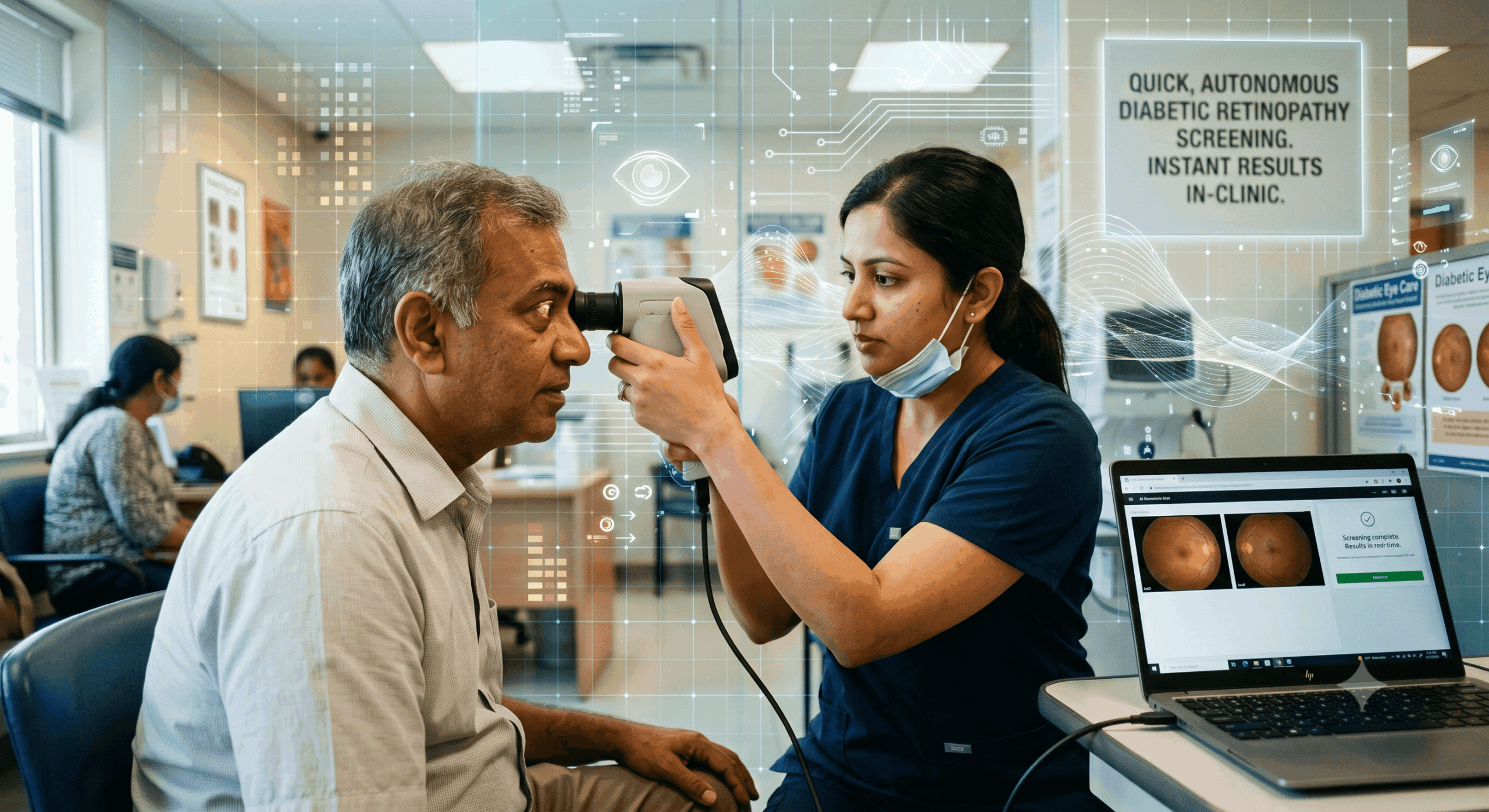
AI-powered clinics are diagnosing diseases earlier than ever. Robotics is transforming sample processing. Predictive analytics is identifying disease risk before symptoms appear. Behind all of this progress lies one silent force: data.
In 2026, pathology clinics in India will no longer be just diagnostic endpoints. They are becoming data engines that power AI-driven precision medicine, population health insights, and early disease detection at scale. Yet many labs are still trapped in fragmented systems, manual workflows, and disconnected reports.
India’s rising burden of chronic diseases, oncology cases, metabolic disorders, and infectious outbreaks has placed pathology at the centre of modern healthcare. Clinics that can collect, structure, and operationalise clinical datasets are pulling ahead. Those who cannot are being left behind.
This is where data-centric pathology clinics become critical. AI does not create intelligence on its own. It learns from structured, high-quality datasets. Platforms like EasyClinic, an AI-powered clinic management and EMR platform, are enabling pathology clinics to transform raw lab data into actionable intelligence.
The question for pathology leaders in India is no longer whether data-centric innovation matters.
The question is how fast you adopt it.
2. Recent AI, AR, VR, and Automation Trends Transforming Pathology in 2026
| Trend | What’s Changing in 2026 | Impact on Pathology Clinics |
| AI-Assisted Diagnostics | Machine learning models trained on histopathology and lab datasets | Faster, more accurate diagnosis with reduced error rates |
| Digital Pathology Platforms | Whole slide imaging combined with AI analysis | Remote review, second opinions, and scalable diagnostics |
| Predictive Analytics | Longitudinal lab data used for risk forecasting | Early disease detection and preventive care |
| Robotics in Sample Processing | Automated sample handling and staining | Reduced turnaround time and human error |
| AR-Enabled Data Visualisation | Complex lab trends visualised in 3D dashboards | Better clinical interpretation and planning |
| EMR-Integrated Data Pipelines | Lab data flows directly into patient records | End-to-end continuity of care |
| Population Health Analytics | Aggregated pathology data analysed at scale | Public health surveillance and outbreak detection |
| AI Copilots for Pathologists | Decision-support tools embedded in workflows | Reduced cognitive load and faster reporting |
These trends make one thing clear: pathology clinics are becoming data infrastructure, not just testing centres.
3. Why Pathology Clinics in India Are Under Pressure Right Now
Indian pathology clinics are facing unprecedented strain.
- Exploding test volumes from chronic disease growth
• Severe shortage of trained pathologists and technicians
• Rising compliance and reporting requirements
• Competition from tech-enabled diagnostic chains
• Patients expecting faster, digital-first results
Many pathology clinics are still managing 2025 diagnostic volumes with 2010 systems. Manual data entry, siloed lab software, disconnected billing, and static PDF reports slow everything down.
AI-powered platforms like EasyClinic are helping pathology clinics modernise workflows by centralising lab data, patient records, billing, and analytics in one intelligent system.
4. The Biggest Operational Problems Holding Pathology Clinics Back
This is where most pathology clinics silently lose efficiency and revenue.
- Manual scheduling and sample tracking chaos
• Fragmented patient and lab data across systems
• Billing errors and delayed reimbursements
• Poor follow-up visibility for abnormal results
• No real-time insights into test volumes or trends
Imagine a pathology lab generating thousands of reports every week but unable to analyse patterns across those results. That is not a diagnostic problem. That is a data problem.
5. Why AI, Robotics, and Predictive Analytics Are Exploding in Pathology in 2026
AI does not replace pathologists. It replaces inefficiency.
In 2026, pathology is uniquely positioned for AI adoption because it produces structured, repeatable, high-volume data.
Key forces driving adoption include:
- AI-assisted image analysis improves diagnostic accuracy
• Robotics automating repetitive lab processes
• Predictive analytics identifying disease risk from lab trends
• AI copilots supporting report interpretation
• Workflow automation reduces administrative burden
AI-driven pathology diagnostics thrive when powered by clean, standardised datasets, which is why EMR-centric platforms are becoming essential.
Learn how AI-ready workflows are enabled through Easy Clinic Features.
6. How AI-Powered EMR Software Solves These Problems
Here is how data-centric pathology clinics convert problems into measurable outcomes using AI-powered EMR platforms like EasyClinic.
Problem
Fragmented lab data and patient records
AI-Driven Solution
Unified EMR with structured lab datasets
Result
Faster diagnosis and improved continuity of care
Problem
Missed abnormal result follow-ups
AI-Driven Solution
Automated alerts and predictive risk flags
Result
Earlier intervention and improved outcomes
Problem
Revenue leakage and billing delays
AI-Driven Solution
Automated billing audits and integrated finance workflows
Result
Improved cash flow and reduced errors
Problem
No operational visibility
AI-Driven Solution
Real-time dashboards and analytics
Result
Data-driven decisions and scalable growth
AI-powered clinic management platforms like EasyClinic are designed specifically to enable this transformation.
Explore how AI-ready EMRs work at Easy Clinic.
7. Real-World Use Cases Clinics Can Relate To
Case 1: Diagnostic Chain Scaling Faster
A multi-location pathology clinic centralised lab datasets using EasyClinic.
Result: 30 per cent faster report turnaround and unified analytics across locations.
Case 2: Early Disease Detection
A preventive health lab used predictive analytics on historical test data.
Result: Early identification of high-risk patients and increased referral value.
Case 3: Revenue Clarity
A pathology centre has automated billing and reporting.
Result: Reduced claim rejections and improved monthly collections.
These outcomes are becoming common as clinics adopt AI-powered systems like EasyClinic.
8. Robotics, AR/VR, AI, and EMR: The Bigger Picture for Pathology
In 2026, pathology is no longer defined by individual tests or isolated reports. It is defined by connected intelligence. Robotics, AR, VR, and AI each play powerful roles on their own, but their true value is unlocked only when they operate inside a unified, data-centric EMR ecosystem.
This is where many pathology clinics misunderstand innovation. They invest in automation tools, digital scanners, or AI algorithms, but fail to connect them into a single operational brain. Without this connection, technology remains fragmented and underutilised.
Robotics as the Data Generator
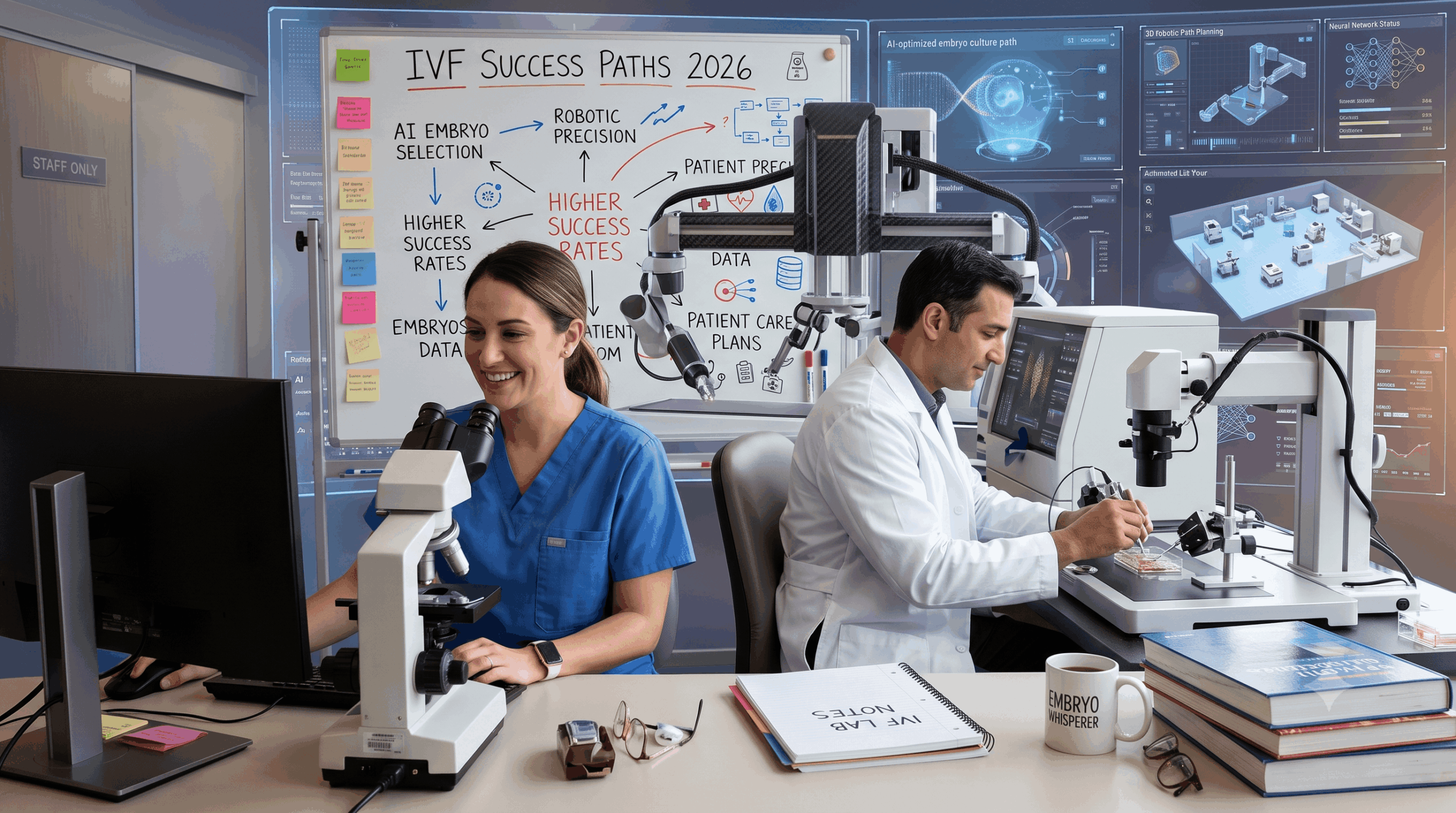
Robotic systems in modern pathology labs automate sample preparation, staining, sorting, and slide handling. These systems dramatically reduce human error and turnaround time. More importantly, they generate highly structured, repeatable datasets at scale.
Every robotic action creates metadata.
Sample timestamps
Processing parameters
Quality indicators
Volume metrics
Without an EMR platform to capture and contextualise this information, most of this data is lost after execution. When robotics feeds directly into an AI-powered EMR like EasyClinic, operational data becomes clinically and strategically valuable.
AI as the Intelligence Layer
Artificial intelligence does not operate in isolation. It depends on clean, standardised, longitudinal data to function reliably. In pathology, this includes
Lab values over time
Histopathology patterns
Demographic correlations
Outcome-based feedback loops
AI models trained on fragmented or incomplete datasets produce limited insights. When AI operates on unified pathology datasets managed through Features, it can
Identify subtle disease progression trends.
Flag high-risk patients earlier
Support diagnostic accuracy
Enable population-level analytics.
AI becomes not just a diagnostic assistant, but a predictive engine.
AR and VR as the Insight Amplifier
As datasets grow larger and more complex, interpretation becomes the bottleneck. This is where AR and VR-based data visualisation play a critical role.
Instead of static reports or flat dashboards, immersive visualisation allows pathologists and clinicians to
Explore multi-dimensional lab trends.
Visualise disease progression pathways
Understand correlations across biomarkers.
Collaborate remotely on complex cases.
These tools do not replace expertise. They enhance human cognition, especially when integrated into EMR-driven workflows.
EMR as the Operational Backbone
Robotics generates data
AI interprets data
AR and VR visualise insights.
But it is the EMR platform that operationalises intelligence across the clinic.
A data-centric EMR like Easy Clinic ensures that
Every robotic output is linked to patient records
Every AI insight is clinically actionable.
Every visualisation aligns with treatment decisions.
Every data point supports compliance and audit readiness
Without an EMR, clinics collect data.
With an EMR, clinics create intelligence.
Why This Integration Matters for Pathology Clinics in India
India’s pathology ecosystem operates at a massive scale, often with limited specialist availability. This makes data-centric integration not optional, but essential.
When robotics, AI, and AR operate inside a unified EMR
Clinics reduce diagnostic delays
Early disease detection becomes scalable.
Preventive care becomes data-driven
Operational inefficiencies are eliminated.
Revenue leakage is controlled.
Most importantly, pathology clinics move from being reactive diagnostic units to proactive intelligence hubs within the healthcare system.
EasyClinic as the Foundation of the Bigger Picture
EasyClinic is not just a clinic management system. It is a data orchestration platform built to support the future of AI-driven diagnostics.
By centralising pathology workflows, patient records, billing, analytics, and reporting, EasyClinic enables every advanced technology layer to work together instead of in silos.
This is what separates technology adoption from digital transformation.
Clinics that understand this bigger picture are already building defensible, future-ready operations.
Those who do not will struggle to keep pace as AI-driven pathology becomes the new standard.
9. What Pathology Clinics in India Must Do to Stay Competitive
To remain relevant in 2026, pathology clinics must:
- Digitise end-to-end workflows
• Standardise lab data formats
• Adopt AI-first EMR platforms
• Prepare for predictive analytics and automation
• Choose scalable systems built for growth
EasyClinic helps pathology clinics transition into AI-first operations without disruption.
10. Cost, ROI, and Business Impact of AI Clinic Management
The real cost is not adopting AI.
It is a delayed diagnosis, missed insights, and inefficiency.
Clinics adopting data-centric platforms see:
- Reduced manual workload
• Faster turnaround times
• Better preventive care outcomes
• Higher revenue predictability
• Scalable operations
Explore transparent pricing at Easy Clinic.
11. Be a Breakthrough Pioneer in AI-Powered Pathology in India
Be a Breakthrough Pioneer in AI-Powered EMR Software for Pathology Clinics in India
Early adopters are already winning.
AI and data-centric systems are reshaping diagnostics.
The future belongs to clinics that move now.
Talk to EasyClinic to explore how AI-powered EMR software can transform your pathology practice.
Visit Easy Clinic
12. Frequently Asked Questions
- What are data-centric pathology clinics
Clinics that treat lab data as a strategic asset for AI, analytics, and preventive care. - How does AI improve pathology diagnostics?
By analysing large datasets for patterns that humans cannot consistently detect. - Is AI replacing pathologists
No. AI augments decision-making and reduces workload. - Why EMR integration is critical for pathology AI
AI needs longitudinal patient data to generate accurate insights. - Can small pathology labs adopt AI
Yes, with scalable platforms like EasyClinic. - How does predictive analytics help disease prevention
By identifying risk trends before symptoms appear. - Is data security a concern
Yes, which is why compliant EMRs are essential. - Does India support AI in diagnostics?s
Yes, through ABDM and national digital health policies. - What ROI can clinics expect
Faster workflows, better outcomes, and improved revenue. - How to get started
Begin by centralising data using an AI-ready EMR.
13. Conclusion: The Future Is Data-Driven
AI-powered pathology clinics are becoming the standard.
Robotics and analytics are widening the gap between leaders and laggards.
Clinics that fail to adopt data-centric systems will struggle to compete.
The future of diagnostics belongs to data-centric pathology clinics powered by AI-ready platforms like EasyClinic.
Start building your AI-ready pathology clinic today.
Explore: http://143.198.231.228/
Discover features at: http://143.198.231.228/features/.
View pricing at: http://143.198.231.228/pricing/