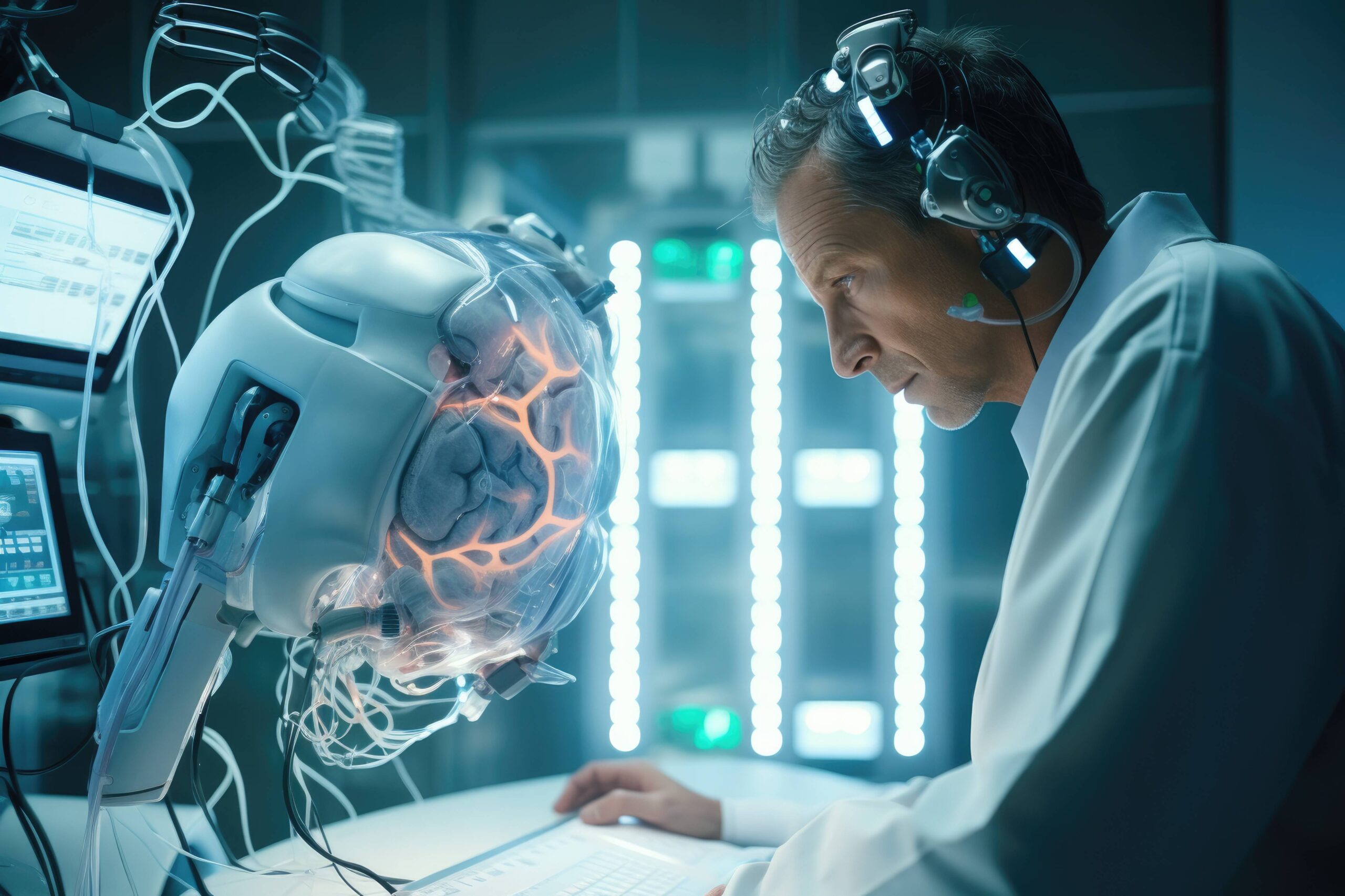
A New Era in Dental Implantology
Dental implants have become the most common procedure for replacing missing teeth, but the process has traditionally been time-consuming, technique-sensitive, and reliant on the surgeon’s skill. With a lack of advanced tools, these transplants and surgeries have become really time-consuming, but they won’t be at present, since robotics and AI tools have entered the scene, they can make dental implants simpler and easier, with higher patient satisfaction with less time consumption for the dental surgeon, thereby making efficient utilisation of their skills. In India, where millions of people face tooth loss from decay, periodontal disease, or trauma, dental implants are no longer considered a luxury—they are essential for restoring quality of life.
The dental implants future in India is now defined by three major forces: robotic dental implant surgery, digital implant dentistry in India, and immediate loading protocols. Together, these technologies promise faster recovery, greater accuracy, and more patient-friendly treatment options.
For clinics and dentists, the shift is clear: those who adopt these technologies early will be best positioned to lead in efficiency, outcomes, and patient trust. So the present technologies shaping things are the introduction of robotics and AI technology into the dental implants, which makes dental implants more effective and efficient, with 100% accuracy.
1. What Is the Future of Dental Implants in India?
Dental implantology in India is evolving from manual, multi-step surgeries to digitally planned, robot-assisted, and same-day procedures. These procedures will play a vital role in making dental implants, surgeries, and root canal treatments operations far simpler, though the surgeon’s skill will be the main hack here, but all the surgeries will be delivered within a shorter period of time with higher efficiency and better utilisation of skills.
Key Trends
- Robotics: Enhances precision by minimising human error and ensuring perfect angulation of the tooth implant during surgery with more efficiency.
- Digital Scans: Replaces manual impressions with 3D CBCT imaging and intraoral scanning, thereby giving the better view of the surgeons on exact status of the tooth cavity with more accuracy.
- Immediate Loading: Allows crown fixation on the same day as implant placement.
This transformation is not just cosmetic. It makes implant surgery more predictable, reduces chairside time, and expands access to advanced care for India’s growing middle-class population with far better results.
2. How Robotics and Digital Scans Help Dentists
Robotic Precision
Robotic platforms like Yomi (Neocis) and PRECEYES enable haptic feedback, real-time tracking, and micron-level movements. Clinical studies show robotic-assisted implant placement achieves positional deviations as low as 0.62 mm and angular deviations of 1.16°, ensuring unmatched accuracy. This technology will make the dental transplant simpler, with less time consumption, and the dentists will get in-depth 3D and 4D views, clubbed with the AR/VR technology for better successful surgery.
Benefits for Dentists:
- Less stress during surgery with better output and efficiency.
- Fewer complications from misaligned implants increase the chances of successful implants in less time.
- Shorter learning curve for new surgeons.
Digital Scanning
Digital implant dentistry in India uses CBCT scans, intraoral scanners, and 3D simulations to map bone density and nerve locations before surgery. Systems like DIO NAVI offer end-to-end digital workflows.
Benefits for Dentists:
- Clear preoperative planning with a better understanding.
- Faster treatment acceptance with digital mock-up treatments.
- Reduced risk of surgical surprises.
Immediate Loading
Immediate loading implants allow placement and crown fixation in a single appointment. For busy urban patients, this is transformative. The robotics treatment has a speciality where crown fixation and filling can be done in just a day.
Benefits for Dentists:
- Attracts patients who value time and better outcomes.
- Adds premium service offerings with increased brand value for the patients.
- Increases overall clinic revenue with more patient output.
3. Other Advanced AI Technology in Dental Equipment
AI is making dental implantology smarter with AI-powered planning software, smile design AI, AI in radiology, and AI+robotics integration will be a game-changer for many surgeons and patients:
- AI-Powered Planning Software: Predicts implant stability based on bone density and will give the dentists a brief idea of how surgery can be planned in a better way.
- Smile Design AI: Generates previews of post-treatment smiles, improving patient trust.
- AI in Radiology: Flags potential implant complications, such as sinus perforation risks.
- AI + Robotics Integration: Some platforms combine digital scans with robotic arms for near-flawless placement.
In India, these AI technologies are being piloted in advanced dental hospitals in metros like Delhi, Bengaluru, and Mumbai. Other tier one cities like Pune and Hyderabad are also in the process of using these applications in their dental clinic. So, like China, India is also in the process of adopting these technologies faster than anticipated.
4. Top Brands and Providers in India
Robotic Systems
- Yomi (Neocis, USA): FDA-approved robotic navigation system with haptic guidance.
- PRECEYES Robotics: Micron-level robotic platform adapted for dental microsurgery.
Digital Scanning Platforms
- DIO NAVI (South Korea): Complete digital implant workflow (CBCT → intraoral scan → surgical guide).
- Planmeca (Finland): Known for advanced 3D imaging and CAD/CAM integration.
- 3Shape (Denmark): Intraoral scanners are widely used in Indian dental clinics.
Immediate Loading Implants
- Nobel Biocare (Sweden): Pioneers in immediate loading protocols.
- Straumann (Switzerland): Premium implant brand with high success rates.
- Osstem (South Korea): Popular in India for affordability + digital compatibility.
5. Price Points and Service Contracts in India
| Equipment/Implant | Price Range (India) | Service/AMC |
| Robotic Implant System (Yomi) | ₹3 – 4 crore | ₹20–25 lakh/year |
| CBCT Machine | ₹25 – 45 lakh | ₹3–5 lakh/year |
| Intraoral Scanner (3Shape) | ₹8 – 12 lakh | ₹1.5–2 lakh/year |
| DIO NAVI Full Workflow | ₹15 – 25 lakh | ₹2–3 lakh/year |
| Implant (Straumann) | ₹18,000 – ₹25,000/unit | Included warranty |
| Implant (Nobel Biocare) | ₹20,000 – ₹30,000/unit | Included warranty |
| Osstem Implant | ₹10,000 – ₹15,000/unit | Included warranty |
Note: AMC (Annual Maintenance Contracts) is a critical cost factor. Clinics should budget 10–12% of total equipment cost annually for service and upgrades.
6. Cost, ROI, and Benefit Analysis
Return on Investment (ROI)
- Immediate Loading Implants: Higher upfront cost, but attract patients who can afford premium procedures. ROI in ~12–18 months.
- CBCT Systems: Costly (₹25–45 lakh), but can be billed at ₹2,000–₹3,000 per scan. Break-even in ~2 years.
- Intraoral Scanners: Improve efficiency and reduce lab costs, ROI in 18 months.
Benefit Analysis
- Fewer surgical errors → fewer re-treatments.
- Shorter chairside time → more patients per day.
- Advanced tools differentiate clinics in competitive urban markets.
7. Patient Results and Treatment Experience
Patients in India now expect dentistry to be painless, fast, and modern.
- With Robotics, Patients report higher confidence, knowing technology ensures precision.
- With Digital Scans: Seeing 3D simulations increases acceptance of treatment plans.
- With Immediate Loading: Walking out with new teeth the same day is a game-changer.
Case Example: A Delhi-based clinic using DIO NAVI + immediate loading protocols achieved 95% patient satisfaction, with patients praising speed and reduced visits.
8. Challenges in the Indian Market
Despite progress, challenges remain:
- High Capital Cost: Robotic systems costing ₹3–4 crore are beyond the reach of most small clinics.
- Training Needs: Many dentists need upskilling in CBCT and digital workflows.
- Patient Awareness: Patients in Tier-2/3 cities may not understand the value of digital workflows.
- Regulatory Oversight: AI and robotics in dentistry still lack standardised regulations in India.
Solutions:
- Leasing models and partnerships.
- Continued Dental Education (CDE) programs.
- Patient education campaigns.
9. Best Practices and Pro Tips
- Start with digital scanning before investing in robotics.
- Partner with implant brands offering training + AMC packages.
- Use intraoral cameras to explain treatments to patients visually.
- Integrate EMR systems like EasyClinic Features to manage digital scans and implant records seamlessly.
- Market immediate loading as a premium service for time-sensitive patients.
10. Case Studies and Real-World Success
- Stunning Dentistry, Delhi: Uses CBCT + immediate loading implants for same-day teeth, reducing recovery time and boosting patient satisfaction.
- Doctor Vivek Gaur, India: Advocates robotic implants, highlighting precision and efficiency improvements.
- Global Example – Yomi (Neocis, USA): First FDA-approved robotic implant navigation system now entering India through partnerships.
These case studies demonstrate that the dental implants future India is already unfolding in leading practices.
Comparison Table: Robotics vs Traditional Implants
| Feature | Traditional Implant Surgery | Robotic/Digital Implant Surgery |
| Accuracy | Variable, depending on the surgeon | 0.6 mm average deviation |
| Planning | Manual impressions, 2D X-rays | CBCT + 3D simulation |
| Recovery Time | 3–6 months for loading | Same-day possible with immediate loading |
| Patient Confidence | Moderate | Very high |
| Cost | Lower upfront | Higher upfront, faster ROI |
Conclusion: The Road Ahead for Indian Dentistry
The dental implants future India is defined by robotic dental implant surgery, digital implant dentistry in India, and immediate loading implants. These technologies deliver precision, reduce patient visits, and open new revenue streams for clinics.
For dentists, the decision is no longer whether to adopt but when and how. Starting with digital scanning and CBCT, moving to immediate loading, and eventually integrating robotics is a logical path.
Clinics that embrace this shift will lead the industry, attract premium patients, and offer life-changing experiences.
If you’re preparing to upgrade your clinic with advanced implantology tools, ensure your workflow is supported by smart EMR platforms like EasyClinic. Explore EasyClinic Pricing and Features to build a seamless, future-ready dental practice.