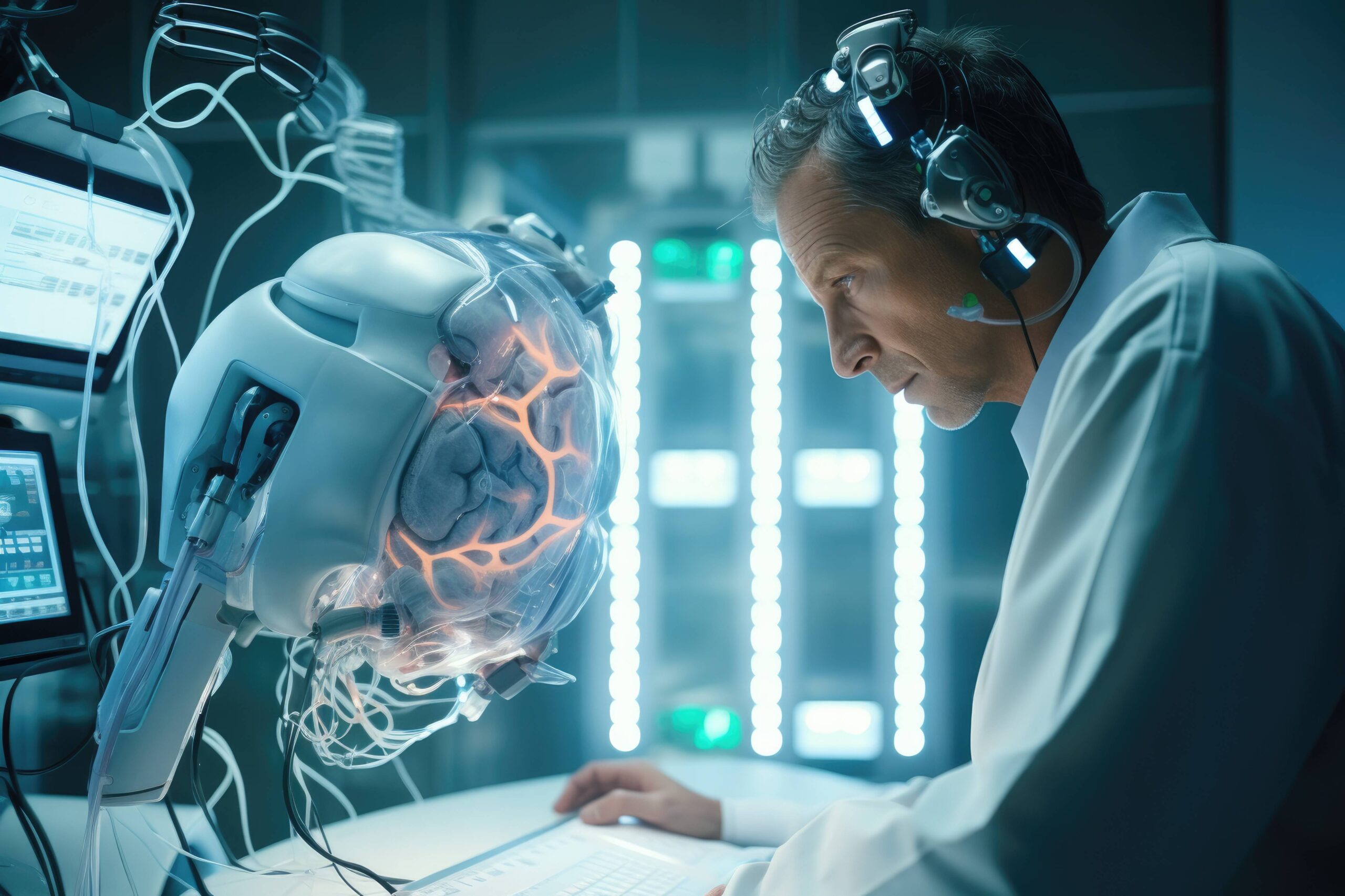
A New Era in Indian Dentistry
Dentistry in India is undergoing a revolution with the help of CAD/CAM systems, robotics, and AI technology. What was once dominated by manual impressions, plaster models, and slow restoration timelines is now being transformed by digital dentistry in India, a synergy of CAD/CAM systems, 3D printing, and AI-driven tools.
According to the Indian Dental Association, adoption of digital workflows has grown by over 40% in urban clinics in just the last three years. Patients now expect faster, more precise, and less invasive treatments with CAD/CAM, 3D printing, and other AI tools. These dental digitalisations have played a vital role in boosting the major dental surgery operations like implants and root canals, thereby boosting the efficiency of dentists with more accurate diagnostics. The surgeries which required more than 3 hrs can now be completed in 1 hr due to CAD/CAM and advanced AI equipment. Clinics that fail to adapt risk falling behind, while those who embrace new technologies are already seeing higher patient satisfaction and stronger ROI. The new age dentists are already coming equipped with these technologies, thereby giving them a good opportunity to develop new skills as compared to older dentists. China has already started implementing these robotic dental surgeries, which have led to far better outcomes for the patients with almost 0 complications post-surgery.
This blog explores how CAD/CAM dentistry machines, 3D printing, and AI tools are changing dental care, the top brands leading this change, real-life examples from Indian clinics, and what dentists need to know to stay ahead.
1. What Is Digital Dentistry?
Digital dentistry refers to the use of computer-based technologies and AI systems in diagnostics, treatment planning, and restoration. These technologies have already been used by branded clinics and big corporate hospitals. These technologies are playing a vital role in giving accurate diagnostic reports to patients without any errors. 3D/4D modelling is playing a vital role in giving a better view of tooth cavities and abnormalities. Whether it’s root canal surgeries or dental implant surgeries, these play a vital role in fixing things at a much faster rate.
Core Components
- CAD/CAM Dentistry Machines: Enable dentists to design and manufacture crowns, bridges, and prosthetics digitally, thereby equipping dentists with recently updated crowns and bridges.
- 3D Printing: Produces surgical guides, aligners, dentures, and even experimental bioprinted tissues with the help of 3D technology to get more advanced views of cavities and tooth misalignment.
- AI in Dental Clinics: Supports diagnosis of caries, orthodontic planning, and predictive treatment outcomes by AI and predictive analytics.
Instead of sending impressions to labs and waiting weeks, digital workflows allow same-day restorations, accurate imaging, and better communication with patients (Unicorn Denmart).
2. How These Technologies Help Future Dentists
Faster Treatments
Digital impressions and CAD/CAM machines reduce crown or bridge fabrication from weeks to hours, thereby reducing the surgery time for the dentists. This has made the root canal surgery and crown placement surgery to be completed in hours, whereas crown placement requires days.
Precision and Accuracy
3D CBCT scans and AI-supported imaging minimise surgical risks and improve implant planning, thereby making operations smoother and painless for the patients with very few side effects.
Enhanced Patient Experience
Patients can visualise their treatment outcome using AI-powered smile design, leading to higher acceptance rates, thereby leading to a better outcome for the patient, with the chances of faster recovery.
Improved Clinic Efficiency
Automating design and fabrication frees dentists to see more patients per day, thereby boosting the output for the dentists. This has boosted patient appointments for the clinics and hospitals very well.
As Dr. Deepak Muchhala emphasised during the 2023 Digital Dentistry Congress, digital tools are already reshaping imaging, treatment planning, and patient communication in India.
3. Other Advanced AI Technologies in Dentistry
AI is becoming the backbone of modern clinical workflows.
- AI for Diagnosis: Detects cavities, gum disease, and oral cancer from radiographs with higher accuracy (PMC Review). These tools are highly capable of giving pre-diagnostic information to the patients so that they can take the medications in advance to avoid critical surgeries.
- AI Smile Design: Creates customised aesthetic simulations for cosmetic dentistry.
- AI in Orthodontics: Automates aligner planning and progress tracking.
- AI in Predictive Analytics: Assesses caries risk or implant success probability.
These technologies reduce dependence on manual interpretation and ensure consistency across clinics.
4. Top Brands and Providers of Digital Dentistry Equipment
CAD/CAM Systems
- Planmeca (Finland): High-end CAD/CAM and 3D imaging.
- 3Shape (Denmark): Globally trusted for intraoral scanners.
- Dentsply Sirona (USA): Leading chairside CAD/CAM brand with CEREC system.
3D Printing
- Formlabs Dental: Affordable, high-precision printers used in Indian clinics (Case Study – Dr. Puneet Kalra).
- EnvisionTEC: Premium biocompatible materials for implants and dentures.
- SprintRay: Compact 3D printers designed for dental use.
AI Platforms
- Exocad (Germany): AI-supported CAD software for labs and clinics.
- Pearl AI (Global): Radiology AI adopted in Indian urban clinics.
5. Price Points and Service Contracts
Digital dentistry requires investment, but the ROI is significant.
| Technology | Price Range (India) | AMC/Service Costs |
| CAD/CAM System (chairside) | ₹15 – ₹30 lakh | ₹1.5 – 3 lakh/year |
| Intraoral Scanner | ₹7 – ₹12 lakh | ₹1 – 2 lakh/year |
| 3D Dental Printer | ₹3 – ₹10 lakh | ₹50,000 – ₹1 lakh/year |
| AI Software (subscription) | ₹1 – ₹3 lakh/year | Included updates |
While costs seem high, the break-even often comes within 18–24 months through reduced lab fees and higher-value procedures.
6. Patient Results & Treatment Experience
Before Digital Dentistry
- Weeks-long wait for prosthetics.
- Messy impressions are causing patient discomfort.
- Limited communication of treatment outcomes.
After Digital Dentistry
- Same-day crowns and bridges.
- Digital scans are replacing manual impressions.
- Higher treatment acceptance due to visual 3D simulations.
In Rajasthan, Dr. Puneet Kalra used intraoral scanners + a Formlabs printer to cut restoration time by 90%, delivering crowns in hours instead of weeks.
7. Challenges in the Current Indian Market
Despite the promise, challenges remain:
- High Capital Costs: Entry-level systems start at ₹7 lakh, which is prohibitive for smaller clinics.
- Training Gaps: Many dentists are unfamiliar with CAD/CAM and AI workflows.
- Rural-Urban Divide: Adoption is concentrated in metro cities like Delhi, Mumbai, and Bengaluru.
- Patient Awareness: Some patients undervalue advanced procedures due to cost sensitivity.
Solutions:
- Vendor financing and leasing models.
- Continued Dental Education (CDE) programs.
- Patient education campaigns showcasing benefits.
8. Best Practices & Pro Tips for Dentists
- Start Small: Invest first in intraoral scanners before adding CAD/CAM or 3D printers.
- Hybrid Workflows: Outsource advanced printing until volumes justify in-house machines.
- Prioritise AMC: Always include full service and training in vendor contracts.
- Integrate EMR: Platforms like EasyClinic Features allow digital scans and CAD data to sync with patient records.
- Educate Patients: Use visual tools to explain benefits and justify costs.
9. Case Studies & Real-World Success
Case 1: Urban Premium Clinic
A Bengaluru clinic invested in CAD/CAM and AI smile design. Treatment time was halved, and cosmetic procedure acceptance rose 35%.
Case 2: Rural Adoption
A small-town clinic adopted only intraoral scanning. Within 12 months, referrals increased because of reduced impression errors.
Case 3: Academic Integration
Datta Meghe Institute in Maharashtra trains dentists on CAD/CAM workflows, ensuring new graduates are “digital-ready.”
Comparison Table: Digital vs Traditional Dentistry
| Aspect | Traditional Dentistry | Digital Dentistry |
| Impressions | Manual, messy | Digital intraoral scans |
| Restoration | Lab-made, weeks | Same-day with CAD/CAM |
| Accuracy | Variable | Micron-level precision |
| Cost | Lower upfront | Higher upfront, lower long-term |
| Patient Experience | Average | High comfort, trust |
Conclusion: Embracing the Digital Dentistry Revolution
The rise of digital dentistry in India signals the beginning of a new era. CAD/CAM dentistry machines, 3D printing, and AI are not futuristic luxuries—they are fast becoming the new standard in Indian dental practice.
For dentists, adopting these technologies means:
- Faster, more accurate treatments.
- Stronger patient trust and loyalty.
- Higher ROI through efficiency and premium services.
Clinics that embrace the shift early will define the competitive landscape of Indian dentistry.
Ready to future-proof your dental clinic? Explore EasyClinic for smart integration of digital tools with EMR and compliance systems. Check EasyClinic Pricing and Features to upgrade your clinic workflow today.