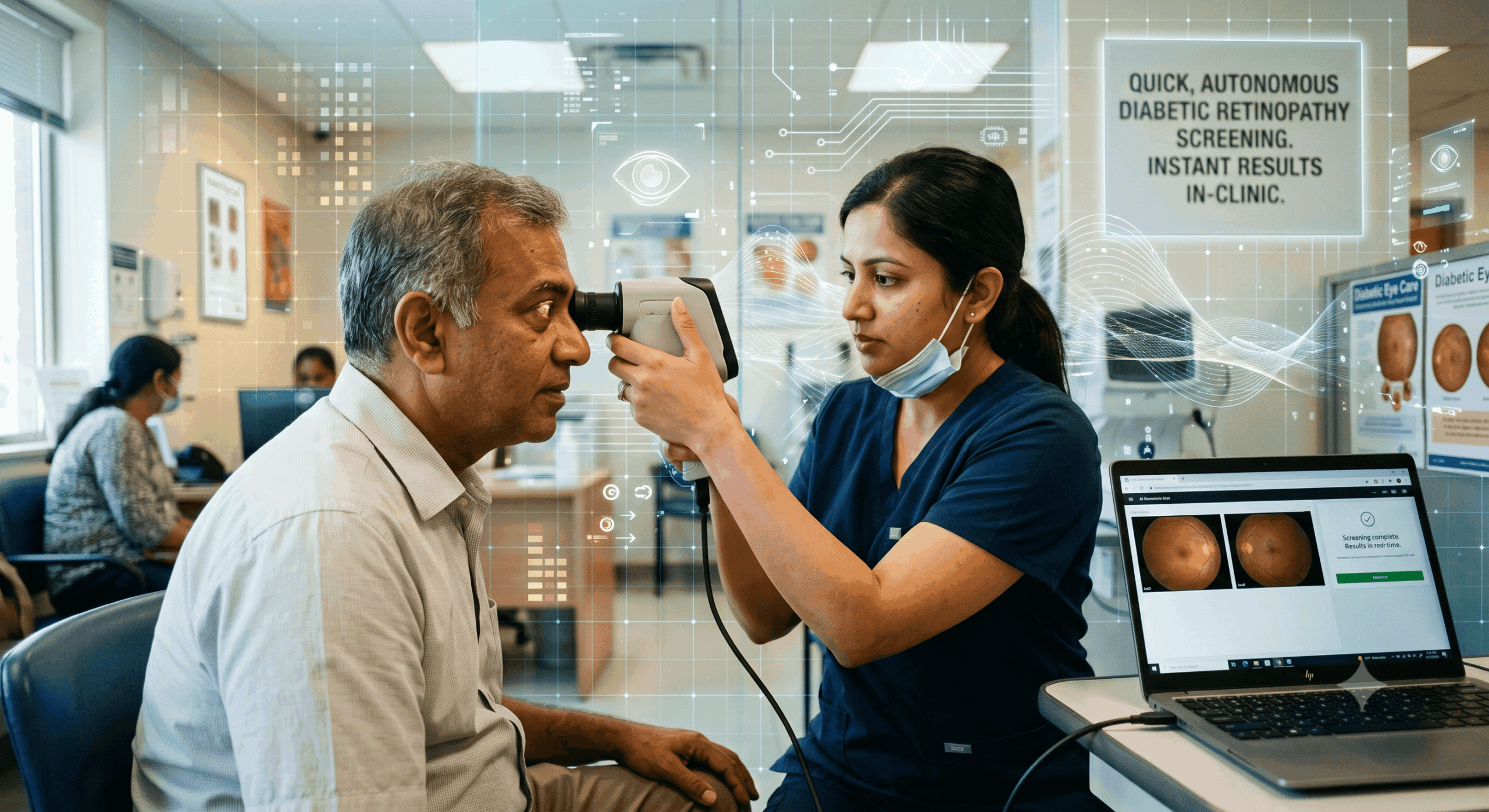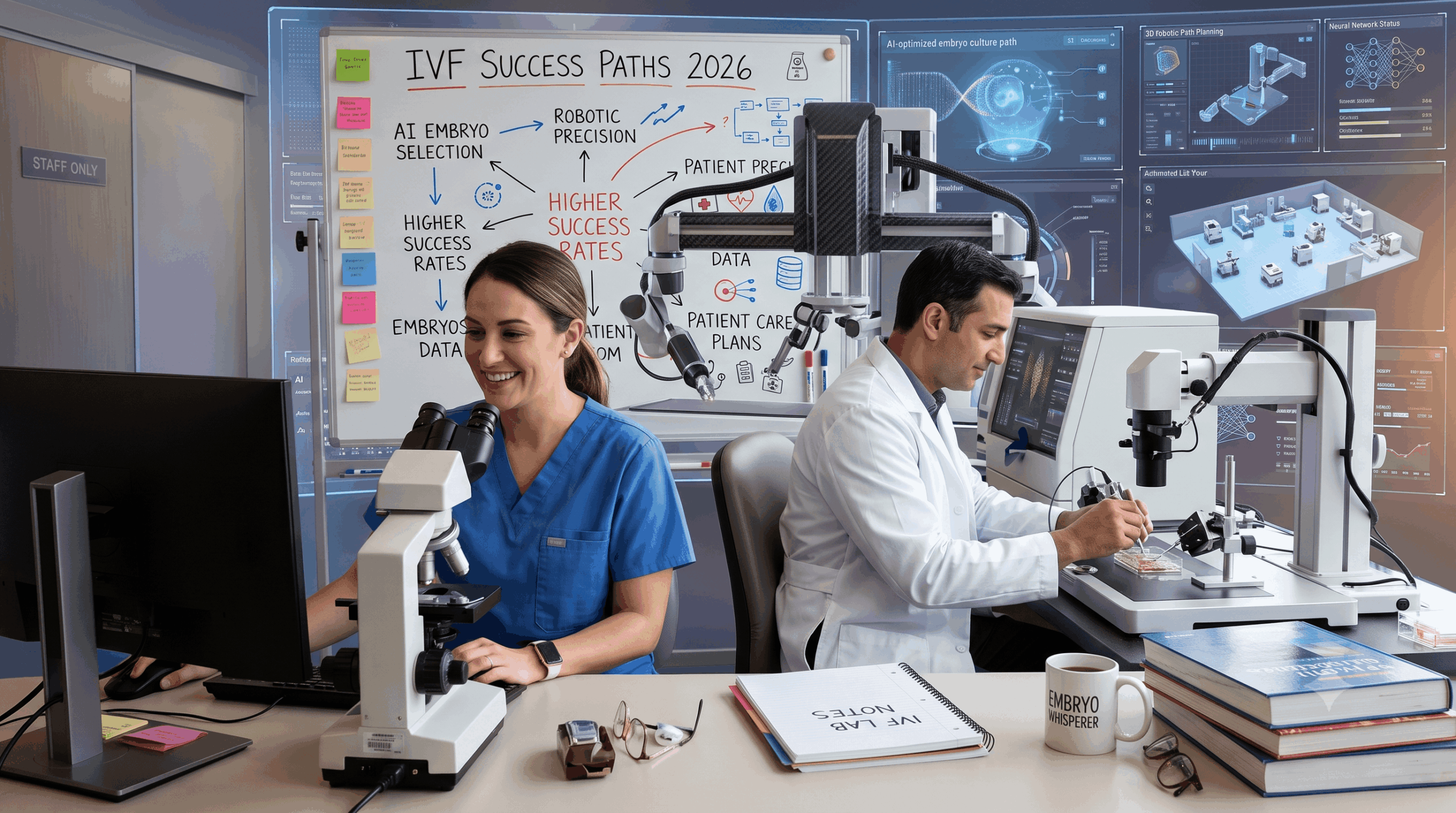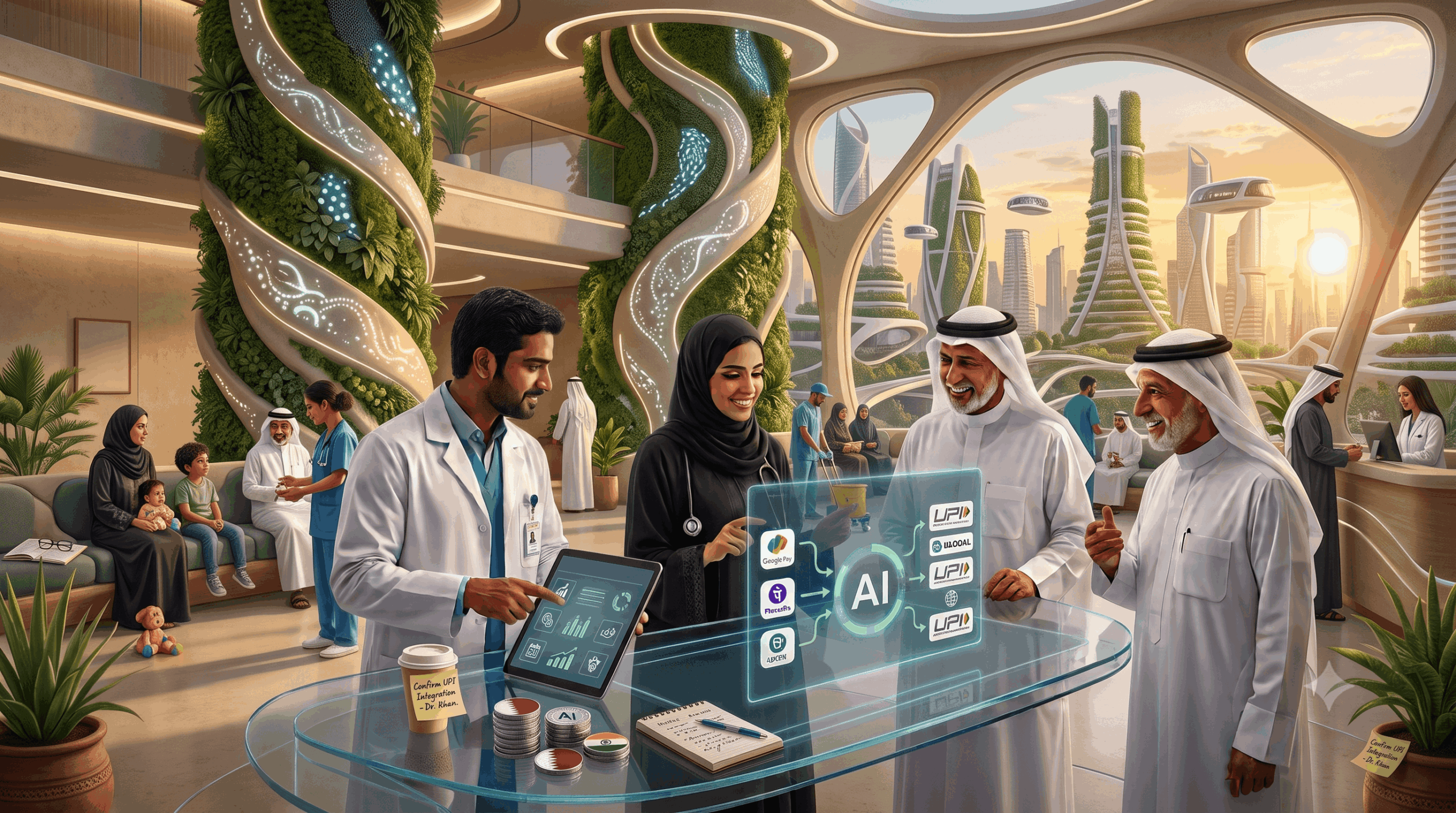
In the high-demand world of healthcare, a clinic’s success depends not just on medical expertise or advanced equipment—but on the people delivering patient care every day. Effective clinic staff training and ongoing healthcare skills development are essential for building a resilient, high-performing team capable of handling complex clinical operations while delivering excellent patient experiences.
Whether you’re opening a new clinic, expanding services, or aiming to reduce errors and boost efficiency, staff development should be at the core of your clinic management strategy.
Why Staff Training Matters in Modern Healthcare
The Competitive Advantage of a Well-Trained Team
In a healthcare environment where patients have more choices and expectations than ever, your clinic’s reputation hinges on staff performance. Training impacts everything—from communication and accuracy to patient satisfaction and compliance.
EasyClinic helps streamline training implementation with integrated clinic management tools
Bridging the Gap Between Technology and People
With the rapid rise of EMR software, automated billing, and digital health tools, your clinic’s success depends on your team’s ability to use these systems confidently.
See how EasyClinic enables staff to efficiently manage digital healthcare processes
Key Benefits of Clinic Staff Training
1. Improved Patient Care and Safety
- Staff trained in protocols, hygiene standards, and communication are better equipped to reduce risks and handle patient concerns with empathy.
- Regular upskilling minimizes medical and administrative errors, improving clinical outcomes.
Learn how EasyClinic minimizes billing and documentation errors
2. Greater Operational Efficiency
Training empowers staff to:
- Use clinic management software effectively
- Process patients faster and more accurately
- Handle peak-time stress with composure
This leads to shorter wait times, better scheduling, and smoother workflows.
EasyClinic enhances workflow through integrated software features
3. Staff Retention and Morale
Investing in employees builds loyalty. When staff feel supported, they:
- Are less likely to leave
- Exhibit higher job satisfaction
- Refer other qualified professionals to your clinic
This reduces recruitment costs and maintains a stable team.
4. Better Use of Healthcare Software
From clinic EMR systems to inventory tools, training helps staff:
- Navigate software interfaces confidently
- Prevent duplication and manual entry errors
- Analyze patient or inventory data for better decisions
See how EasyClinic supports smart healthcare decisions through data tools
Core Areas to Include in a Staff Training Program
Clinical and Technical Competency
For doctors, nurses, and technicians:
- Infection control
- Medical equipment handling
- Emergency protocols
- Lab sample handling
Administrative and Software Training
For front-desk, billing, and management staff:
- Patient registration and intake process
- Appointment scheduling and follow-ups
- Claims processing and insurance verification
- EMR data entry and digital billing
EasyClinic supports all these functions with a unified platform
Communication and Patient Interaction
Soft skills are crucial in healthcare:
- Handling difficult patients
- Explaining diagnoses and treatment plans clearly
- Collecting feedback constructively
- Managing complaints and negative reviews
Read how EasyClinic helps maintain healthcare reputation through patient engagement
Compliance and Ethics
Staff must be trained in:
- Local medical regulations
- HIPAA (or equivalent) compliance
- Consent protocols
- Documentation and legal liability avoidance
Implementing a Staff Training Strategy
Step 1: Assess Skill Gaps
Use staff performance reviews and patient feedback to identify areas needing improvement. Break down training needs by department and role.
Step 2: Develop a Training Plan
Build a 3–6-month plan with:
- Induction modules for new hires
- Monthly sessions on specific topics
- Online training resources and checklists
- Periodic assessments
Step 3: Assign Trainers and Mentors
Identify senior team members who can mentor junior staff. Rotate training responsibilities to share knowledge and avoid burnout.
Step 4: Use Tools and Software for Delivery
Use digital tools to simplify training:
- Recorded webinars
- Step-by-step walkthroughs in EMR or billing software
- Online quizzes and progress tracking
Step 5: Monitor Progress and Offer Feedback
Track attendance, assess comprehension, and provide feedback.
Reward well-performing staff through:
- Certificates
- Role upgrades
- Bonuses or incentives
Types of Healthcare Training to Consider
| Training Type | Suitable For | Key Focus |
| Orientation | New staff | Culture, workflow, software basics |
| Clinical Skills | Doctors, nurses, lab staff | Protocols, safety, hands-on practice |
| Software and Admin | Front-desk, billing, managers | EMR, billing, communication |
| Refresher Training | All staff | Updates, compliance, process reviews |
| Emergency Preparedness | All clinical staff | CPR, fire safety, outbreak protocols |
| Leadership Development | Senior doctors, managers | Team handling, conflict resolution |
Leveraging Technology for Training
Smart Training via Clinic Software
Modern clinic software platforms offer:
- Built-in tutorials
- Role-specific dashboards
- Automation that reduces manual errors
- Workflow tracking to identify gaps
EasyClinic is built to help teams learn and adapt quickly
Using Analytics to Improve Outcomes
Use real-time dashboards to track:
- Appointment completion rates
- Billing accuracy
- Time per patient interaction
- Inventory mismanagement
Turn this data into targeted training modules.
EasyClinic’s analytics engine supports training impact assessments
Real-World Case: How Staff Training Transformed a Clinic
Clinic Type: Multi-specialty clinic in Mumbai
Challenge: Inconsistent patient experiences, billing errors, and high staff turnover
Solution: Implemented a quarterly training calendar, introduced EasyClinic software for scheduling, EMR, and billing
Result:
- 40% reduction in billing disputes
- 25% faster appointment flow
- 15% increase in staff retention over 12 months
Continuous Development for Long-Term Growth
Training isn’t a one-time effort. Healthcare evolves, and so should your staff’s skills.
Promote a Learning Culture
- Celebrate knowledge sharing
- Offer paid courses or conference passes
- Conduct knowledge quizzes and contests
- Create digital training libraries
Adapt to Industry Changes
As medical regulations, tools, and patient expectations evolve, keep your team updated on:
- New EMR standards
- Insurance compliance updates
- Diagnostic protocol revisions
EasyClinic updates regularly to match industry shifts
Conclusion: Investing in Staff Is Investing in Your Clinic
Ongoing clinic staff training is no longer optional—it’s essential for clinics that want to thrive in 2025 and beyond. It boosts healthcare skills development, improves patient outcomes, enhances efficiency, and builds a positive clinic culture that benefits both employees and patients.
From front-desk executives to lead physicians, everyone has a role to play—and room to grow. Empower your team, retain top talent, and future-proof your clinic with the right training, tools, and leadership.
With support from solutions like EasyClinic, your staff can be continuously upskilled to meet new challenges and deliver exceptional care.