Engaging patients effectively is crucial in modern healthcare, directly impacting treatment outcomes, patient satisfaction, and overall clinic performance. By utilizing advanced healthcare apps and adopting streamlined patient communication strategies, clinics can significantly boost patient engagement. Integrating digital tools helps medical professionals deliver personalized, efficient care, transforming clinic management and patient interactions.
Streamlining Patient Communication with Digital Tools
Clear communication is at the heart of effective healthcare. Implementing digital platforms simplifies patient-provider interactions, enhancing engagement and patient outcomes. Tools such as secure messaging and clinic software foster transparent communication.
Secure and Instant Messaging
Secure messaging enables timely and confidential interactions, promoting trust and continuous patient engagement. This ensures patients receive swift responses, improving their healthcare experience significantly.
Appointment Reminders
Automated appointment reminders significantly decrease missed consultations, ensuring consistent care delivery. EasyClinic’s clinic management software offers such features, enhancing overall clinic efficiency.
Expanding Access through Virtual Consultations
Virtual consultations via telehealth platforms are revolutionizing healthcare access, especially critical for remote or immobile patients.
Remote Healthcare Accessibility
With virtual consultations, patients can easily connect with healthcare providers, eliminating travel and reducing waiting times. This accessibility significantly improves patient satisfaction and adherence to treatments.
Convenience and Flexibility
Virtual healthcare appointments offer flexibility, allowing patients to consult healthcare providers from the comfort of their homes. This convenience enhances patient compliance and engagement with healthcare plans.
Empowering Patients with Healthcare Apps and Portals
Effective use of healthcare apps and patient portals empowers patients, actively involving them in their health management.
Healthcare Apps for Personal Health Management
Mobile healthcare apps provide patients with real-time access to their medical records, educational resources, and appointment scheduling. By using these healthcare apps, patients become active participants in their healthcare journey.
Patient Portals for Enhanced Interaction
Patient portals simplify accessing medical information, test results, and direct communication with healthcare providers. EasyClinic’s integrated portal system ensures patients remain informed and engaged.
Leveraging Wearable Health Technology for Proactive Care
Wearable technology and health tracking devices offer real-time monitoring, allowing healthcare providers to tailor personalized care plans.
Continuous Health Monitoring
Wearable devices monitor vital signs and health metrics continuously, enabling healthcare providers to detect potential health issues early and proactively address patient needs.
Personalized Treatment Plans
Real-time health data from wearable devices allows for personalized care plans, significantly improving treatment outcomes and patient engagement.
Optimizing Clinic Operations with Automation
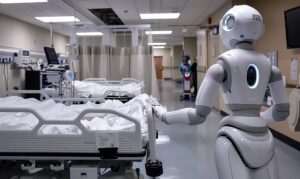
Automation of routine clinic management tasks enhances operational efficiency, contributing to better patient experiences.
Automating Routine Tasks
Tasks such as patient scheduling, medical billing, and check-in processes become streamlined through automation. EasyClinic’s advanced solutions for minimizing medical billing errors illustrate the efficiency of automation in clinic settings.
Enhancing Patient Experience
Automation leads to shorter wait times and streamlined administrative processes, directly enhancing patient satisfaction and engagement.
Data Analytics for Personalized Patient Care
Advanced analytics enables healthcare providers to analyze patient data effectively, allowing personalized healthcare delivery.
Insights from Health Data
Leveraging healthcare analytics helps providers recognize trends and patterns in patient health, facilitating informed medical decisions. Platforms like EasyClinic’s AI-driven analytics optimize patient care through precise data insights.
Customized Healthcare Communication
By understanding patient preferences and historical data, healthcare providers can personalize communication strategies, enhancing patient interactions and engagement.
Best Practices for Maximizing Patient Engagement
Clinics aiming for high patient engagement should adopt proven best practices.
Simplified Communication
Using diverse and straightforward communication channels such as texts, emails, and portals ensures consistent engagement.
Timely Interactions
Timing communications appropriately can greatly enhance patient responsiveness and engagement with healthcare processes.
Engaging and Clear Content
Creating accessible, clear, and concise information ensures effective patient understanding and involvement in their healthcare.
Consistent Communication Schedule
A regular communication schedule helps maintain continuous patient engagement and reinforces a proactive healthcare approach.
Conclusion
Improving patient engagement through digital tools like healthcare apps, patient communication platforms, and EMR software significantly enhances clinical outcomes. Implementing these digital solutions can revolutionize clinic management, foster stronger patient-provider relationships, and promote proactive healthcare management.
For clinics and healthcare providers looking to enhance patient engagement effectively, EasyClinic’s comprehensive digital solutions provide robust, integrated systems that simplify patient interaction, streamline clinic operations, and improve overall healthcare delivery.