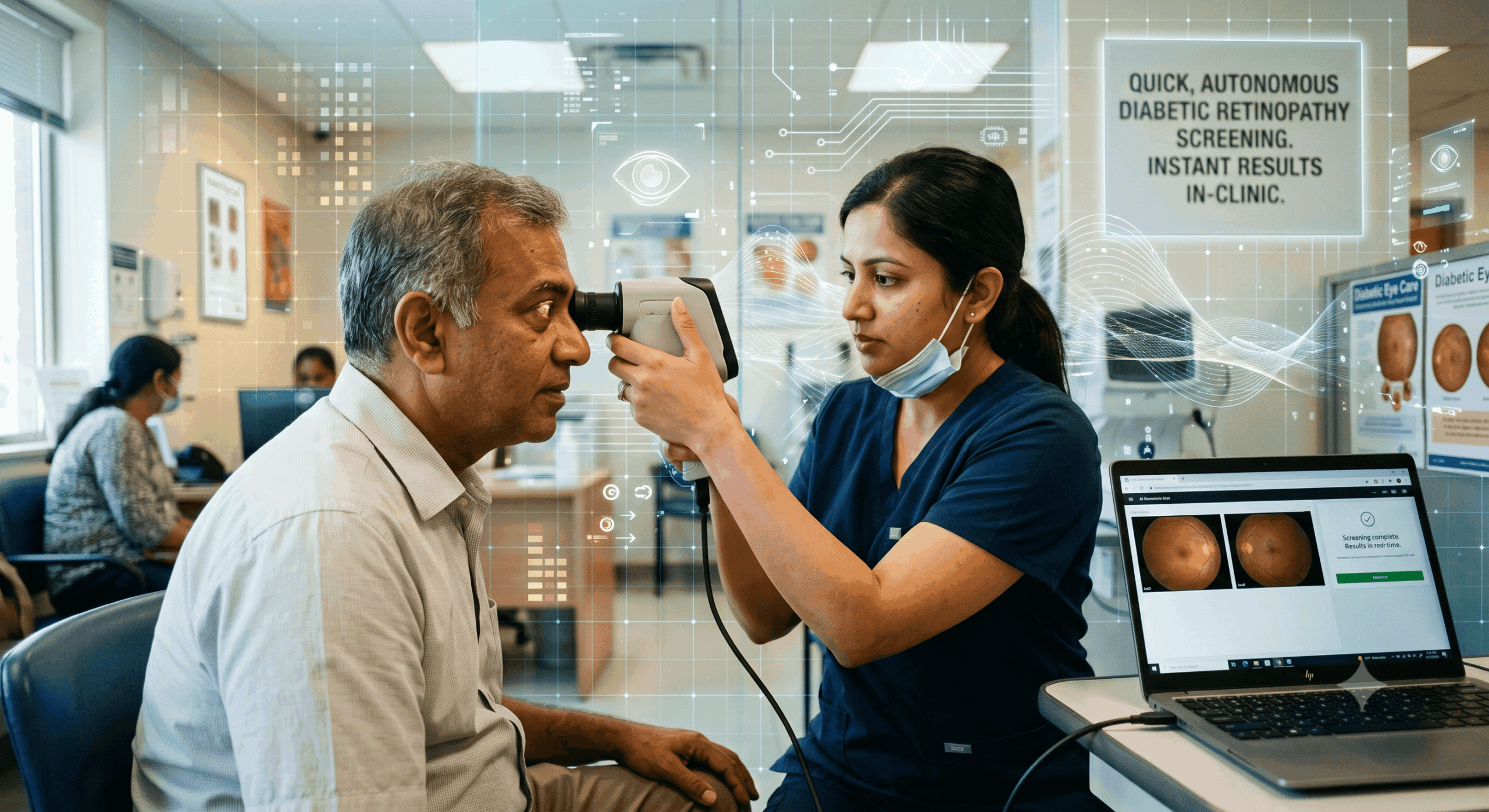
In today’s healthcare environment, cultivating doctor-patient trust is more important than ever. As digital healthcare communication becomes central to modern clinic operations, clinics, doctors, and practitioners must adapt to maintain and strengthen patient relationships. Using clinic software, secure communication tools, and EMR software not only boosts efficiency but also plays a vital role in establishing lasting trust.
Why Doctor-Patient Trust is Crucial in the Digital Age
Doctor-patient trust is foundational to delivering quality care. In digital settings, maintaining this trust means prioritizing communication, privacy, and patient empowerment. Trust increases compliance, reduces anxiety, and improves treatment outcomes—making it an essential aspect of successful clinic management.
Consistent and Clear Communication Builds Confidence
Effective digital healthcare communication builds patient confidence. Digital platforms help maintain a reliable communication cadence, ensuring patients always feel heard and understood.
Transparency and Accountability
Clearly communicating procedures, pricing, and data practices fosters transparency. Patients trust providers who are open and accountable—values supported by structured workflows in clinic management software.
Enhancing Communication Using Clinic Software
Modern clinic software is essential for improving communication while supporting efficient operations.
EMR Software Improves Patient Interaction
EMR software enables doctors to share patient records securely, enhancing engagement and building trust through open data access.
Patient Portals and Messaging
Secure messaging and patient portals allow patients to ask questions, review instructions, and stay informed. These tools reinforce clarity and transparency in care.
Ensuring Data Security to Strengthen Trust
In digital healthcare, protecting patient data is non-negotiable. Trust is instantly eroded by privacy breaches.
Prioritize Privacy in Digital Healthcare Communication
Use healthcare platforms that implement strong encryption and privacy policies. Inform patients about these safeguards to reassure them of their data security.
Compliance with Regulations
Compliance with local and global data protection regulations enhances credibility. Tools like EasyClinic help providers ensure patient data is handled responsibly.
Promoting Empathy in Digital Consultations
Empathy isn’t lost in digital healthcare. It’s about being present, even virtually.
Active Listening in Virtual Settings
Digital doesn’t mean detached. Listening attentively during virtual consultations builds stronger connections and reduces patient anxiety.
Personalized Communication and Care
Leverage data from your clinic EMR to personalize communication. Patients appreciate tailored care, which promotes loyalty and trust.
Utilizing Testimonials and Patient Feedback
Patient reviews and feedback humanize your clinic and validate trustworthiness.
Displaying Real Testimonials
Sharing authentic patient stories can strengthen the clinic’s reputation. EasyClinic’s features help collect and manage feedback seamlessly.
Responding to Feedback Shows Accountability
Acknowledging both positive and negative feedback shows patients that their voices matter and you’re committed to continuous improvement.
Educational Tools to Empower Patients
Empowered patients are more engaged and trusting.
Provide Clear Educational Resources
Use digital tools to educate patients on treatment plans and health literacy. Integrating these features into your healthcare software encourages patient ownership.
Simplify Access to Information
Ensure your digital platforms are user-friendly and accessible to patients of all ages and technical abilities.
Building Trust Through Digital Operational Excellence
A smooth and efficient experience builds credibility.
Automation in Clinic Workflows
Automating tasks such as scheduling and billing reduces errors and enhances the patient journey. Minimizing billing errors shows reliability and professionalism.
Seamless Digital Onboarding
Make first-time digital interactions simple and informative. Use clinic management software to automate forms and data collection securely.
Key Best Practices for Digital Trust Building
Offer Flexible and Accessible Services
Give patients the option to connect virtually or in person. Flexibility communicates respect for their time and preferences.
Humanize the Digital Experience
Include provider bios, photos, and personal notes. Let patients see the faces behind the software.
Maintain a Professional Yet Friendly Tone
Even in digital spaces, tone matters. Keep messages warm, reassuring, and clear.
Conclusion: Trust is the Core of Digital Healthcare
To build trust in the digital era, clinics must focus on clear, secure, and empathetic communication. From EMR software to personalized care and feedback, each touchpoint is a trust-building opportunity. By using platforms like EasyClinic, healthcare providers can elevate their services, protect patient relationships, and thrive in the digital age.