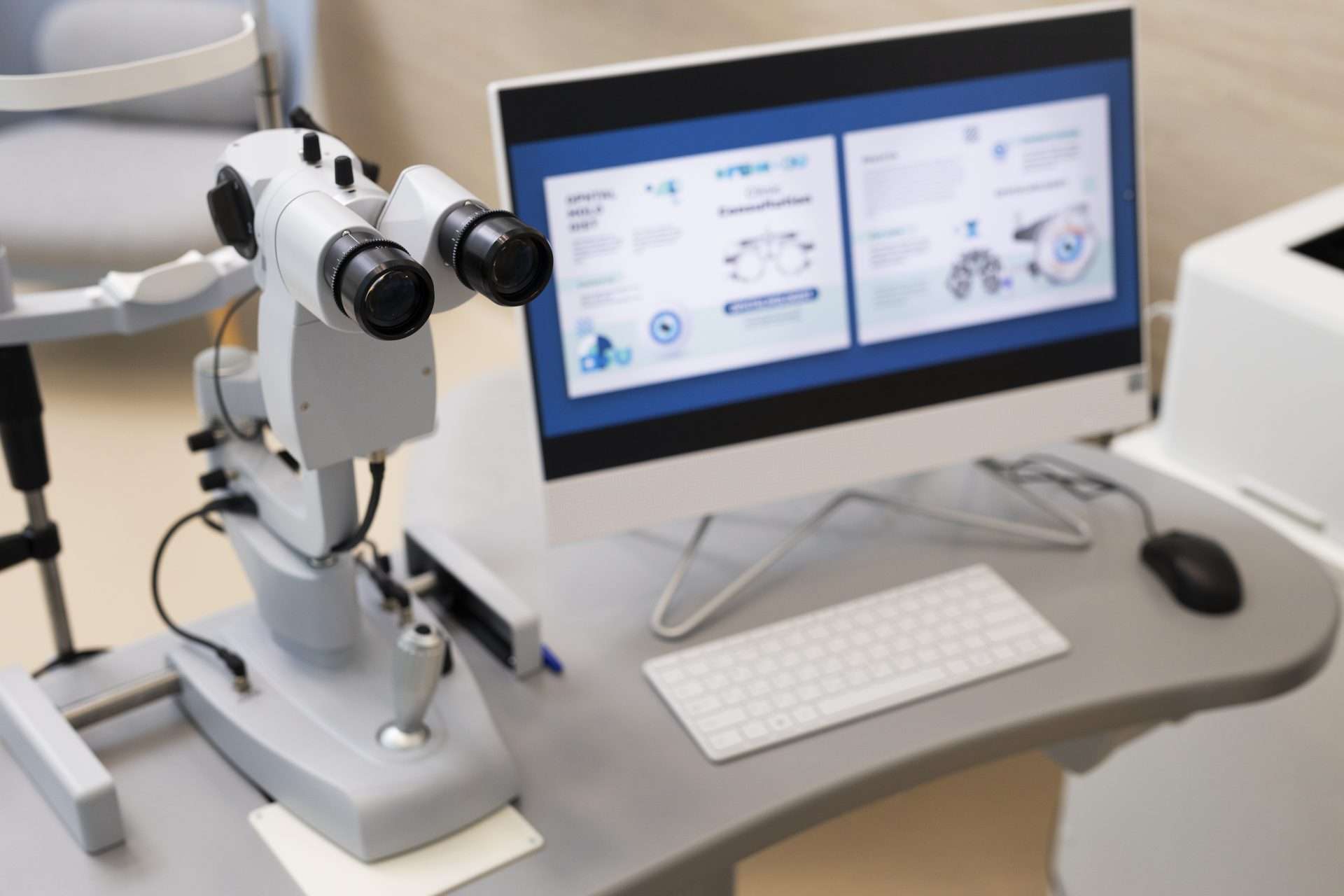
The Future of Eye Surgery in India
India is in the new era of healthcare revolution with the invention of robotics and AI technology. With over 12 million people blind and millions more living with cataracts, glaucoma, and retinal disorders, the need for advanced ophthalmology is urgent. Traditional methods have saved countless patients, but they often depend heavily on the surgeon’s skill and can leave room for variability. But anyway, AI and robotics technologies have far more capabilities to make eye surgeries more efficient in a far better way, leading to far better patient satisfaction, more accurate results and diagnosis.
Now, we stand at a turning point. The future of eye surgery in India is being reshaped by three forces: artificial intelligence (AI), robotics, and advanced laser systems. Together, these technologies promise more accurate diagnosis, safer surgeries, faster recovery, and wider access to high-quality care. Many corporate hospitals are already accommodating these for faster and efficient surgeries. Thereby makes the work of the eye surgeons faster with enhanced patient satisfaction.
The question Indian clinics face is not whether these innovations will arrive—they already have. The real question is how fast they will scale, and how prepared clinics are to integrate them. But anyway, many branded clinics and hospitals have already integrated these technologies into their surgeries and diagnostic methods. China has already adapted to these technologies long before. But coming to India, we are also at par with others, as corporate hospitals in tier one cities like Delhi, Mumbai, Hyderabad, Bangalore, Pune, and Ahmedabad have started these procedures to keep pace with the recent technology.
1. Defining the Future of Eye Surgery in India
Traditional eye surgery relied on manual processes like cataract, LASIK, and retinal surgeries for a longer period of time and has served many patients. But now it’s time to use recent methods to get more efficiency, as they are dependent on surgeons’ skills, with many getting outdated now:
- Cataract surgery involved extracapsular extraction or phacoemulsification performed entirely by the surgeon’s dexterity.
- LASIK meant flap creation with blades and manual reshaping of the cornea.
- Retinal surgeries like vitrectomy were performed under a microscope with handheld instruments.
These techniques work, but they come with limitations that advanced AI and Robotics tools don’t have:
- Inconsistent outcomes between patients with a few erroneous diagnoses.
- Longer learning curves for surgeons with higher dependency on surgeon skill.
- Higher complication rates in complex cases, with a lack of surgeries in some cases.
- Dependence on large teams and infrastructure with a higher cost of involvement.
The future of eye surgery in India, however, is defined by:
- Bladeless cataract surgeries with femtosecond lasers.
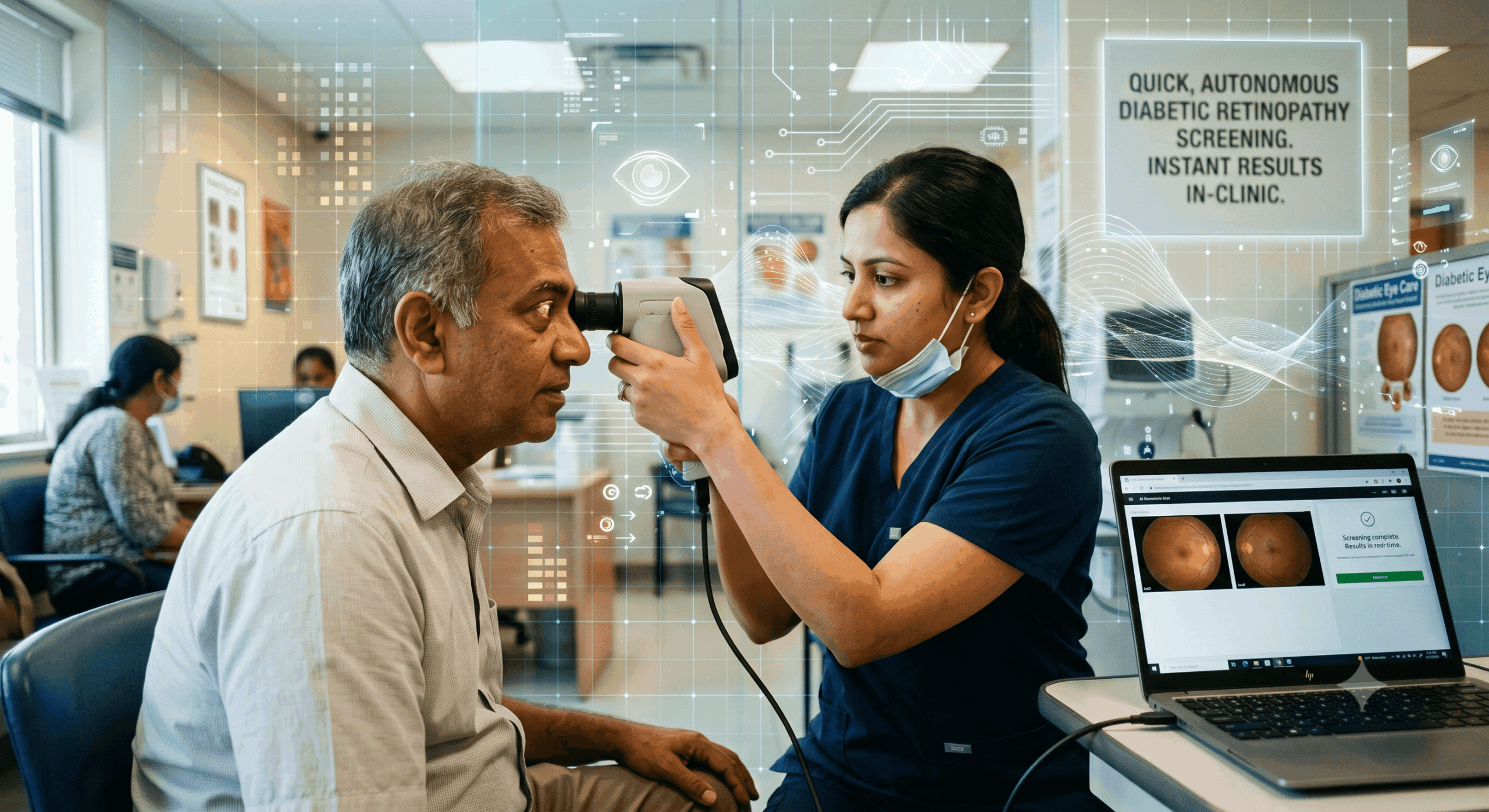
- AI-driven screening that can detect glaucoma or diabetic retinopathy years before symptoms.
- Robotic assistance in delicate retinal procedures where micron precision matters.
- Customizable treatment pathways powered by AI-based 3D corneal mapping.
For Indian clinics, this shift means moving from being reactionary centres of treatment to proactive centres of prevention and advanced care.
2. How AI & Robotics Are Transforming Eye Surgery and Diagnosis
AI’s Role in Diagnosis
Artificial Intelligence is no longer just a research tool; it’s saving vision in real-world clinics. China has already implemented this in all hospitals and clinics. The advanced robotic and AI tools have all the capabilities to perform the surgery in less time with higher patient satisfaction. Post-surgery complications have also reduced and have even become nil with the help of AI and Robotics surgery tools.
- Google DeepMind + Moorfields Eye Hospital (UK) created an AI model capable of identifying 50+ retinal diseases with the accuracy of a trained ophthalmologist.
- In India, Aravind Eye Care and AIDRSS AI systems showed that AI could detect diabetic retinopathy with 92% sensitivity and 88% specificity—essential in a country with millions of undiagnosed diabetics.
For rural India, where ophthalmologists are scarce, AI-powered fundus cameras can be deployed in telemedicine centres, allowing specialists in metros to review results remotely.
Robotics in Eye Surgery
Robotics brings a new dimension: control and stability beyond human limits.
- At LJ Eye Institute in Ambala, robotics is paired with AI to ensure minimally invasive, safer procedures.
- PRECEYES Robotic System, a breakthrough in retinal surgery, allows surgeons to perform movements at a micron level—useful for inserting micro-needles or repairing delicate membranes.
- In New Delhi, The Sight Avenue uses robotic-assisted cataract surgery with the LenSx® femtosecond laser, offering bladeless precision, personalised treatment plans, and faster recovery.
Why AI & Robotics Matter for India
India has only 20,000 ophthalmologists serving 1.4 billion people. AI can help each doctor screen more patients in less time, while robotics reduces fatigue and error in long, complex surgeries. Together, they increase both the quality and volume of care.
3. Other Recent AI & Robotic Technologies in Ophthalmology
The pipeline of innovations is vast and accelerating:
- AI-enhanced OCT Imaging: OCT scans integrated with AI highlight abnormalities in the optic nerve or retina, helping catch glaucoma and macular degeneration earlier.
- Tele-Ophthalmology AI: Portable fundus cameras connected to AI allow real-time screenings in rural clinics, sending results instantly to urban hospitals.
- AI in Cataract Workflow: At Iksha Eye Care, AI assists at every stage—preoperative planning, incision guidance, lens selection, and even post-operative monitoring.
- Robotic LASIK Platforms: Robotic arms guided by AI algorithms ensure consistent flap creation, reducing human error in LASIK.
- Preventative AI Tools (IDx-DR, AIDRSS): Designed for large-scale diabetic eye disease screening, these tools are now being deployed in Indian community health camps.
The takeaway is clear: the future of eye surgery in India is not one technology but an ecosystem, where AI, robotics, and lasers reinforce each other.
4. Top Brands and Providers Shaping the Market
AI & Robotics Leaders Globally
- Google DeepMind: OCT-based AI model for retinal diseases.
- Zeiss AI Cataract Platforms: Intraoperative surgical guidance and AI-driven planning.
- PRECEYES Robotics: Specialised retinal microsurgery system.
- Verily (Alphabet): AI for cataract surgical planning and workflow optimisation.
Indian Innovators
- Aravind Eye Care (Nayana): AI-based rural diabetic retinopathy screening.
- Forus Health: Affordable fundus cameras and AI screening solutions.
- Iksha Eye Care: AI-driven cataract treatment personalisation.
Traditional Equipment Leaders
- Appasamy Associates (India): Affordable phacoemulsification systems.
- Alcon, Johnson & Johnson, Bausch + Lomb: Global giants integrating AI and robotics into cataract and LASIK machines.
These players are shaping the competitive landscape, making India a testbed for both global tech and frugal local innovation.
5. Price Points and Service Contracts in India
| Technology | Application | Price in India (Approx.) | AMC/Service |
| Traditional Phaco Systems (Appasamy) | Cataract surgery | ₹15 – 25 Lakh | ₹2 – 5 Lakh/year |
| AI Retinal Screening Tools (Forus, Nayana) | DR & glaucoma | ₹5 – 15 Lakh | ₹1 – 2 Lakh/year |
| AI-Enabled OCT (Zeiss, Topcon) | Retina/glaucoma | ₹25 – 50 Lakh | ₹3 – 5 Lakh/year |
| Robotic Cataract Platforms (LenSx®, Catalys) | Cataract | ₹1 – 2 Crore | ₹8 – 12 Lakh/year |
| Robotic Microsurgery (PRECEYES) | Retina | ₹2.5 – 4 Crore | ₹20 – 25 Lakh/year |
Insight for Clinics: While AI and robotics are costly upfront, leasing and pay-per-use contracts are emerging, making them accessible even to medium-sized hospitals.
6. Patient Results & Treatment Experience
Traditional Eye Surgery
- Effective, but outcomes vary between surgeons.
- Longer recovery times, especially in cataract ECCE.
- Dependence on manual skills means a higher risk in complex cases.
AI, Robotics & Laser-Assisted Surgery
- Higher precision: AI reduces misdiagnosis; robotics minimises tremors.
- Bladeless cataract surgeries: Less trauma, quicker healing.
- Customised care: AI-based lens selection tailored to each eye.
- Patient trust: Knowing technology supports decision-making improves confidence.
Example: Patients at The Sight Avenue undergoing robotic cataract surgery reported faster recovery and reduced follow-ups compared to conventional methods.
7. Internal Resources for Clinics
Adopting new technology is only effective if integrated well. This is where clinic management systems help:
By pairing AI and robotic machines with EasyClinic EMR, clinics can streamline workflows, stay compliant, and track ROI from day one.
8. Challenges in the Indian Market
Despite the promise, challenges remain:
- High Capital Costs: Multi-crore investments make adoption slow in smaller cities.
- Training Gaps: Surgeons and technicians must upskill.
- Regulatory Framework: India lacks clear AI/robotics medical device guidelines.
- Rural Access: Many Tier-2/3 centres still rely on traditional tools.
- Patient Awareness: Some patients may resist AI involvement in surgery.
Solutions:
- Encourage public-private partnerships.
- Deploy AI screening first before full robotic adoption.
- Offer financing models for patients to afford advanced surgeries.
- Use EMR systems like EasyClinic to maximise the efficiency of existing staff and equipment.
9. Best Practices & Pro Tips for Clinics
- Start small: Begin with AI diagnostics, then scale into robotics.
- Hybrid models: Use AI for pre-op, traditional tools for budget-conscious patients.
- Training investment: Send staff to CME and workshops on AI/robotic surgery.
- ROI tracking: Monitor reduction in complications and improved throughput.
- Integrate with EMR: Platforms like EasyClinic allow seamless data flow from diagnostic AI tools.
10. Case Studies in Action
- Aravind Eye Care: AI diabetic screening prevented blindness in thousands by early detection.
- LJ Eye Institute, Ambala: Robotics paired with AI enabled safer, minimally invasive procedures.
- The Sight Avenue, New Delhi: Robotic-assisted LenSx® cataract surgeries produced faster recovery and fewer complications.
- Iksha Eye Care: AI-guided cataract workflow reduced post-operative complications.
These cases prove that the future of eye surgery in India is not hypothetical—it is already here.
Conclusion: India’s Next Leap in Ophthalmology
The future of eye surgery in India is a blend of AI, robotics, and advanced lasers. While traditional methods will continue to serve millions, advanced technologies are redefining standards in urban and corporate hospitals.
For Indian clinics, the path forward is clear:
- Begin with AI diagnostics.
- Transition into robotics and lasers as the ROI justifies.
- Use EMR integration like EasyClinic to maximise efficiency.
The future is not about choosing between AI and traditional—it is about combining them for the right patient, at the right time, in the right clinic.
Ready to prepare your clinic for the future of ophthalmology? Explore EasyClinic Pricing and Features to see how smart EMR systems can help you manage technology, compliance, and patient experience—all in one place.