Introduction
Imagine a world where surgeries are becoming faster now due to the invention of robotics technology, and China has already started with robotic surgeries with full swing, giving real results. The future of robotic surgery in India is already here, with many tier and tier 2 cities already using these technologies for better surgery, resulting in better ROI. Robotics is already shaping the branded clinics and hospitals in India with 10X faster surgery time and improved life expectancy.
In 2024 alone, India recorded over 10,000 robotic surgeries, spanning specialisations like urology, oncology, cardiology, and gynaecology. Hospitals such as Apollo, Fortis, Kokilaben, and AIIMS are leading this change, integrating robotic systems into daily practice. The Indian surgical robotics market, valued at ₹7.02 billion in 2017, is projected to grow at nearly 10% CAGR through 2036, highlighting the rapid adoption and the growing trust in these technologies.
For clinics and hospitals, it’s not just better technology; in fact, it’s a gateway to better outcomes and ROI. In this blog, we’ll explore the future of robotic surgery in India with case studies on successful surgeries, cost analysis, pricing and ROI. We have also covered the challenges with respect to the indian market.
What is Robotic Surgery and Why Does It Matter in India?
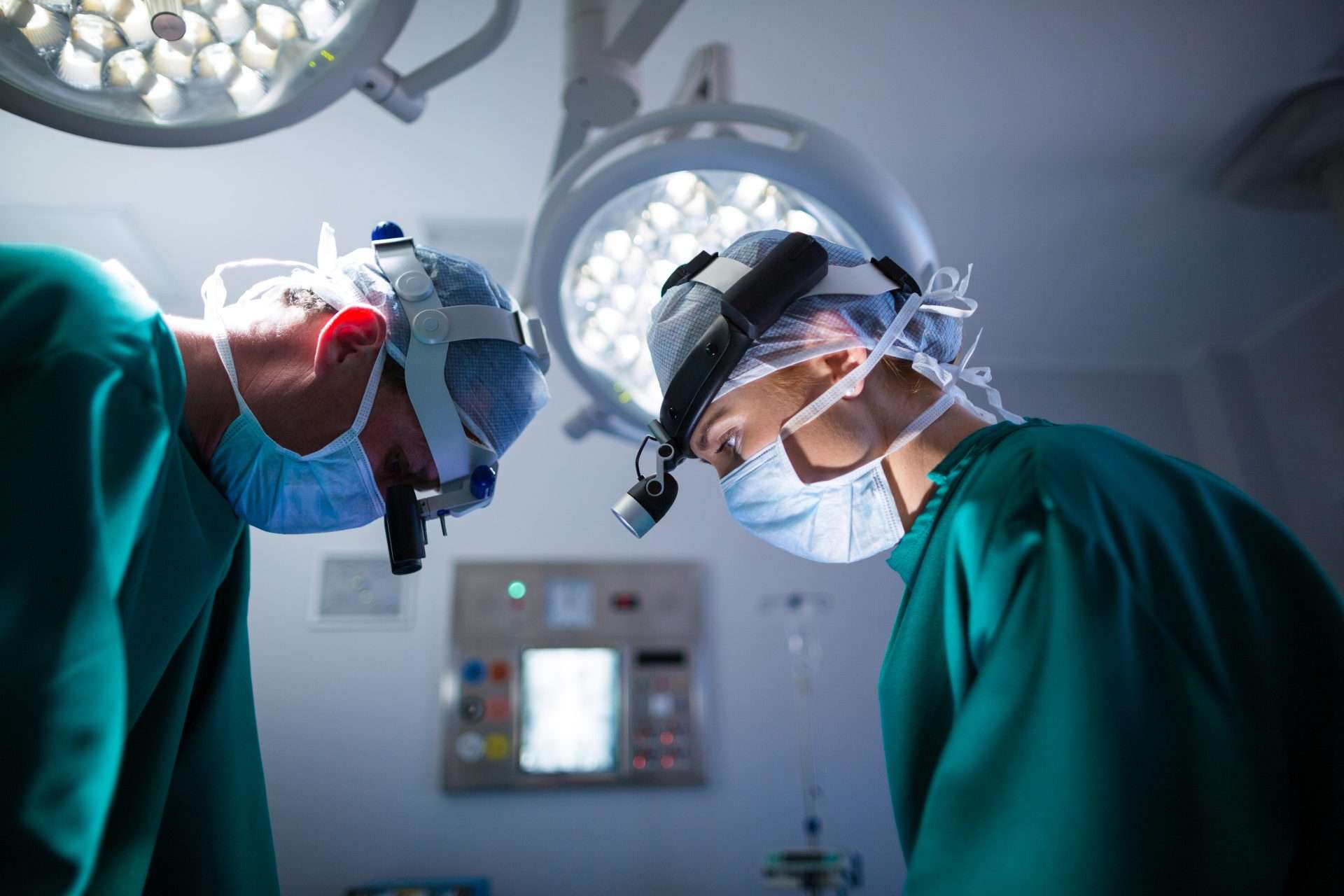
Robotic surgery is a type of minimally invasive surgery where surgeons use AI-driven robotic systems to perform procedures with extreme precision. Unlike traditional open surgeries that involve large incisions and longer recovery, robotic systems work through tiny cuts, using magnified 3D vision and robotic arms that mimic and enhance the surgeon’s movements.
Why is Robotic Surgery Important in India?
- High surgical demand: With India’s growing population and rising cases of lifestyle-related diseases, more complex surgeries are needed.
- Precision and safety: Robotics minimises human error, which is crucial in fields like neurosurgery or cardiac surgery.
- Accessibility: Urban hospitals already have these systems, and adoption is gradually spreading to Tier 2 and Tier 3 cities.
- Patient outcomes: Faster recovery, shorter hospital stays, and reduced complications improve overall satisfaction.
How Robotic Surgery is Shaping Indian Clinics and Hospitals?
Hospitals in India are increasingly recognising robotic surgery as a long-term investment. Here are some real-world examples:
- Apollo Hospitals established its Institute of Robotic Surgery using the da Vinci Surgical System, performing thousands of urology, gynaecology, and general surgeries.
- Fortis Hospitals, Bangalore, adopted the Da Vinci Xi, providing complex surgeries in oncology and gastroenterology with enhanced safety.
- Kokilaben Hospital, Mumbai, runs a dedicated Centre for Robotic Surgery, having completed over 630 robotic procedures.
- AIIMS, New Delhi, was one of the first institutions to introduce robotic-assisted systems, setting the benchmark for government hospitals.
- Mumbai’s JJ Hospital completed 101 robotic surgeries in less than three months, showing how rapidly these systems can be integrated.
These examples show not only adoption but also confidence in robotic technology across both private and government institutions.
Advanced AI and Robotics Technologies in Surgery
The future of robotic surgery in India will not only rely on mechanical arms but also on the integration of advanced AI systems.
Current Technologies in Use
- Da Vinci Surgical Systems (Intuitive Surgical): Global leader in robotic surgery with applications across multiple specialities.
- Meril’s MISSO Robotic System (India): A domestically developed solution aiming to reduce costs and increase accessibility.
- CorPath GRX (Siemens/Corindus): Used for robotic-assisted cardiology and interventional radiology procedures, reducing radiation exposure.
- Robotic imaging (GE & Siemens): AI-based auto-positioning systems for CT, MRI, and X-ray improve workflow efficiency.
AI Applications Enhancing Robotics
- Predictive analytics: AI algorithms forecast surgical risks and outcomes, helping surgeons plan better.
- Real-time guidance: AI provides feedback during surgery to improve accuracy.
- Automated positioning systems: Reduce setup time and operator fatigue.
- Robotic navigation: Helps in orthopaedic and neurosurgery cases requiring ultra-precision.
Top Brands and Providers of Robotic Surgery Technology in India
Several global and domestic companies are driving this shift:
- Intuitive Surgical (USA): Makers of the da Vinci Xi and SP systems, the most widely adopted robotic platforms in India.
- Meril Life Sciences (India): Developers of the MISSO robotic platform, offering affordable, India-made alternatives.
- Siemens Healthineers: Known for CorPath GRX in cardiology and AI-Rad Companion in radiology.
- GE Healthcare: Provides AI-assisted imaging and surgical workflow automation tools.
- Stryker and Medtronic: Offering robotic orthopaedic and neurosurgical systems.
- Panacea Medical Technologies (India): Specialised in oncology-focused robotic imaging and therapy systems.
???? Clinics looking to digitise and integrate advanced workflows can explore EasyClinic’s features, including AI-powered electronic medical records and operational efficiency tools, which align perfectly with robotic and AI-enabled ecosystems.
Price Points and Service Contracts
The biggest challenge for robotic surgery in India has always been cost.
- Da Vinci Systems: Range between ₹8 crore to ₹20 crore depending on the model (Xi, SP, etc.), plus recurring consumable costs.
- Meril MISSO: Being a domestic product, pricing is more competitive and targeted at mid-sized hospitals, though official rates vary.
- Service Contracts (AMC/CMC): Annual service costs can range between ₹50 lakh and ₹1 crore, depending on machine type, usage, and parts.
- Pay-per-use models: Some hospitals partner with manufacturers under rental or per-surgery fee models, reducing upfront burden.
For clinics, ROI comes from increased patient volumes, higher revenue per surgery, reduced complications, and premium branding.
Comparison of Leading Robotic Surgery Systems in India
| Brand / System | Key Features | Applications | Price Range (India) | ROI Potential |
| Da Vinci Xi (Intuitive Surgical) | 3D HD vision, wristed instruments, multi-quadrant access, AI-driven motion scaling | Urology, oncology, gynaecology, and general surgery | ₹8–20 crore | High (Premium branding, large patient demand) |
| Meril MISSO (India) | India’s indigenous robotic platform, cost-effective, minimally invasive, ergonomic console | General surgery, endosurgery, gynaecology | ₹4–6 crore (estimated, more affordable than global brands) | High for mid-sized hospitals due to the lower cost of ownership |
| CorPath GRX (Siemens/Corindus) | Robotic-assisted interventional cardiology, precise catheter navigation, and radiation safety | Cardiology, vascular procedures | ₹3–5 crore | Moderate-High (saves clinician exposure, faster procedures) |
| Multitom Rax (Siemens) | Robotic X-ray system, multi-axis imaging, trauma & orthopaedic workflows | Radiology, trauma, orthopaedics | ₹1.5–3 crore | High (reduces repositioning time, increases throughput) |
| GE Revolution Maxima (GE Healthcare) | AI auto-positioning, smart cardiac/stroke imaging, predictive maintenance | CT scans, cardiac & neuro imaging | ₹2–4 crore | High (workflow efficiency, reduced retakes up to 30%) |
Patient Results and Treatment Experience
Patients are the biggest beneficiaries of robotic surgery adoption in India.
Key Advantages
- Smaller incisions: Less pain, lower infection risk.
- Shorter recovery times: Patients return to normal life faster.
- Higher success rates: Especially in complex surgeries like cardiac bypass or cancer surgeries.
- Improved cosmetic outcomes: Minimal scarring improves quality of life.
Patient Testimonials (Examples)
- A patient at Apollo Hospital reported being discharged within 48 hours after a robotic prostate surgery.
- At Fortis Bangalore, cancer patients undergoing robotic surgeries saw improved outcomes with fewer side effects compared to open surgeries.
Cost, ROI, and Benefit Analysis for Clinics
While the upfront cost is high, the ROI of robotic surgery systems in India is promising.
- A 2024 study reported an ROI of 451% over five years for AI-robotic platforms in hospitals, with efficiency gains boosting it to nearly 791%.
- Higher patient inflow: Patients prefer hospitals with advanced robotic technology.
- Brand reputation: Hospitals marketing robotic surgery see increased trust.
- Lower reoperation rates: Reducing complications saves costs and enhances ROI.
Challenges in the Indian Market
Despite growth, several barriers persist:
- High upfront investment limits adoption by smaller clinics.
- Training needs: Surgeons require months of specialised robotic training.
- Regulatory approvals: Strict compliance frameworks slow adoption.
- Limited domestic manufacturing: Most systems are imported, adding to costs.
- Awareness gap: Patients in Tier 2 and Tier 3 cities may not know the benefits.
Best Practices and Pro Tips for Clinics
- Start with a shared services model to reduce investment risks.
- Invest in surgeon training programs early.
- Explore domestic options like Meril MISSO for cost-efficiency.
- Use AI-powered EMR platforms like EasyClinic to integrate robotics with digital patient records.
- Focus on marketing patient outcomes to build awareness.
Case Studies: Real-Life Examples of Robotic Surgery in India
- KGMU, Lucknow: First government hospital in Uttar Pradesh to perform robotic hip replacement.
- PGIMER, Chandigarh: Performed India’s first robot-assisted reverse vasectomy.
- JJ Hospital, Mumbai: Completed 101 robotic surgeries in under three months, showcasing scalability in public hospitals.
These examples show how robotic surgery is expanding beyond metros and into public healthcare, making it more inclusive.
Conclusion
The future of robotic surgery in India is clear: AI, robotics, and precision medicine are no longer luxuries—they are becoming necessities. With strong growth projections, real-world adoption, and tangible patient benefits, robotic systems are set to redefine how surgeries are performed in both private and government hospitals.
While challenges remain—such as cost, training, and infrastructure—the direction is promising. Domestic innovation like Meril’s MISSO, and the integration of AI tools will further democratize access. For clinics and hospitals looking to stay competitive, investing in robotic systems is not just about technology but about building trust, improving patient outcomes, and securing long-term ROI.
???? To explore how your clinic can digitise workflows and align with AI-powered healthcare, visit EasyClinic today.