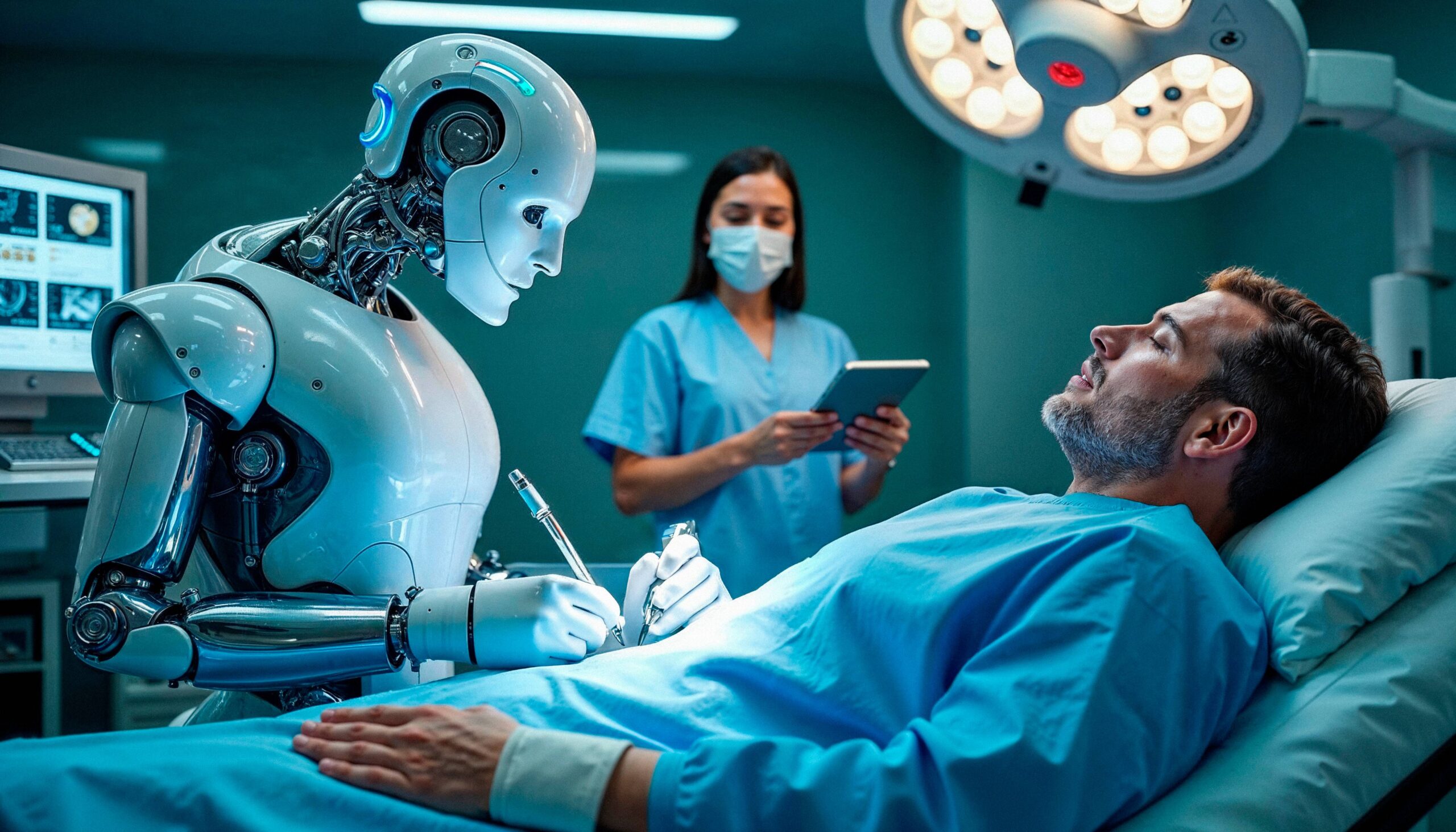
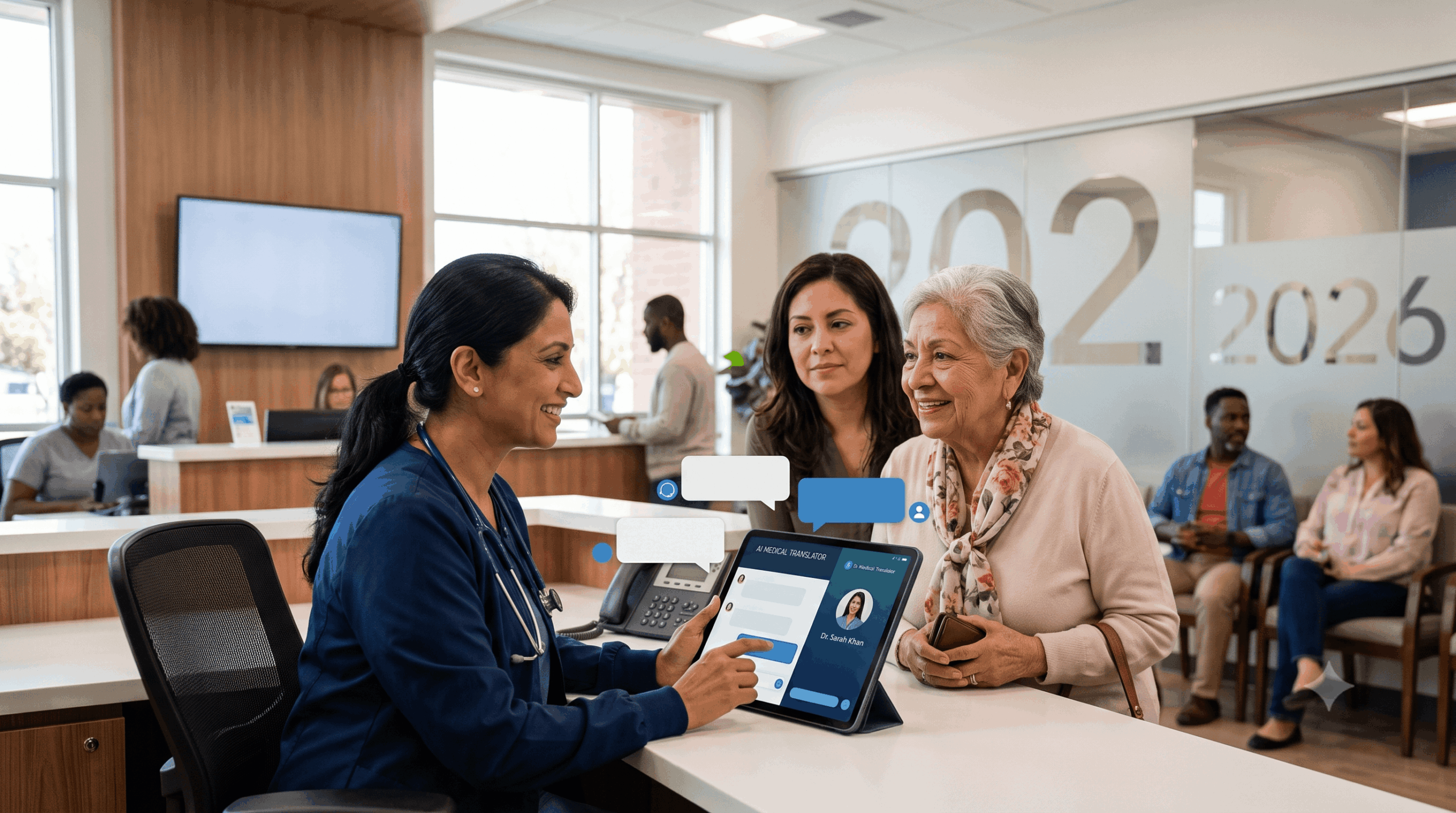
In a world driven by digital transformation, hospital automation is no longer a futuristic concept—it’s a present-day necessity. From appointment scheduling and diagnostics to remote monitoring and robotic surgery assistance, automation is reshaping how hospitals deliver care. For clinics, physicians, and practitioners, adopting smart hospitals strategies means embracing streamlined efficiency, improved outcomes, and a patient-first approach that aligns with modern expectations.
In this comprehensive blog, we explore how hospital automation is revolutionizing care, optimizing resource use, and supporting data-driven decisions for better health outcomes. This is more than just adding machines to medicine; it’s about rethinking healthcare from the inside out.
Understanding Hospital Automation in Practice
What Does Hospital Automation Really Mean?
At its core, hospital automation refers to the use of intelligent technologies—like AI, IoT, robotics, and cloud platforms—to manage routine tasks, administrative operations, and even elements of diagnosis and treatment. It extends across:
- Administrative workflows: Scheduling, patient intake, case management, and employee coordination
- Patient care: Robotic surgery tools, scan analysis, treatment planning, and monitoring
- Diagnostics: AI-assisted imaging interpretation and lab test automation
- Medication dispensing and inventory: Automated tracking, stocking, and prescription refills
- Telemedicine: Secure platforms enabling remote consultations, monitoring, and triage
- Data analytics: Insights from EMR systems for predictive health trends and care optimization
These systems are not only enhancing outcomes—they’re also minimizing medical errors and elevating patient satisfaction.
Smart Hospitals: Where Intelligence Meets Patient Care
Smart hospitals go beyond digital tools; they integrate connected systems for real-time data sharing, patient-centered design, and continuous feedback loops.
1. Automating Administrative Operations
Administrative overload is a common pain point in clinics. Automated systems now handle:
- Appointment scheduling and reminders
- Insurance verification and claims processing
- Staff shift management
- Patient feedback collection
Linking these tasks to platforms like doctor clinic software ensures greater coordination and transparency.
2. Optimizing Clinic Management Workflows
When hospitals incorporate clinic management software that integrates with automation tools, tasks like:
- Resource allocation
- Patient throughput
- Real-time dashboards for occupancy and staff performance
become far more effective. Learn how clinic management solutions enhance operational flow.
Automation and Patient Care: Smarter, Safer, More Personalized
Automation enables physicians and nurses to focus more on care and less on paperwork.
Enhanced Monitoring with Connected Devices
Smart monitors, wearable devices, and integrated dashboards support:
- Real-time tracking of vitals
- Alerts for anomalies in chronic patients
- Proactive decision-making
This connects seamlessly with EMR software and patient history, enabling a 360-degree view.
Medication Management and Robotics
Errors in medication are a serious issue. Smart dispensers and barcode-verification systems ensure:
- Timely and accurate medication administration
- Inventory alerts
- Reduced pharmaceutical waste
Explore how EasyClinic’s inventory management tools can support smart pharmacy practices.
AI in Diagnostics and Predictive Healthcare
Automation goes hand-in-hand with AI-driven insights, allowing clinicians to:
- Identify anomalies in scans and imaging
- Forecast disease progression using past data
- Customize treatment plans
Using AI for smarter clinic practice helps reduce misdiagnosis and speed up response time.
Telemedicine and Remote Healthcare: Convenience Meets Efficiency
One of the fastest-growing sectors, telemedicine is empowered by automation:
- Online patient registration and consultation
- Remote prescription issuance
- Chatbot-powered triage systems
EasyClinic’s AI-enabled patient engagement platform supports seamless digital care delivery.
Data-Driven Decision Making with Healthcare Software
Smart hospitals rely heavily on accurate and actionable data. Healthcare software platforms now offer:
- Predictive analytics for patient trends
- Automated reporting for compliance and billing
- Dashboard visualizations for leadership teams
When powered by health data analytics, clinics can anticipate demands, optimize staffing, and boost patient throughput.
Addressing Challenges in Hospital Automation
While the benefits are extensive, successful implementation requires navigating:
Integration Complexity
Connecting legacy systems with modern platforms calls for robust IT planning and support.
Staff Training and Cultural Shifts
Transitioning from manual to automated workflows demands investment in staff development and user-friendly interfaces.
Data Privacy and Compliance
Strong security protocols are essential when dealing with patient data across automated systems.
Ensure you stay compliant by using tools that align with best practices—see EasyClinic’s EMR compliance solutions.
What’s Next for Smart Hospitals?
Looking ahead, automation in hospitals will expand further through:
- AI-powered robotics for surgery and physical rehabilitation
- Voice-enabled assistants for hands-free operations
- Digital twins for surgical planning and risk simulations
- Augmented reality training modules for medical staff
As smart hospitals continue to evolve, clinics that adopt automation early will benefit from:
- Reduced operational bottlenecks
- Higher patient retention
- Lower overhead costs
- Improved provider satisfaction
Conclusion: Embrace the Future with Hospital Automation
From EMR software to intelligent diagnostics and proactive patient monitoring, hospital automation is transforming the fabric of healthcare delivery. Clinics, doctors, and care teams that adapt to automation will not only deliver better care—they will operate more efficiently, profitably, and sustainably.
To explore how to bring hospital automation to your clinic or hospital, get in touch with EasyClinic and discover solutions that power the future of medicine.