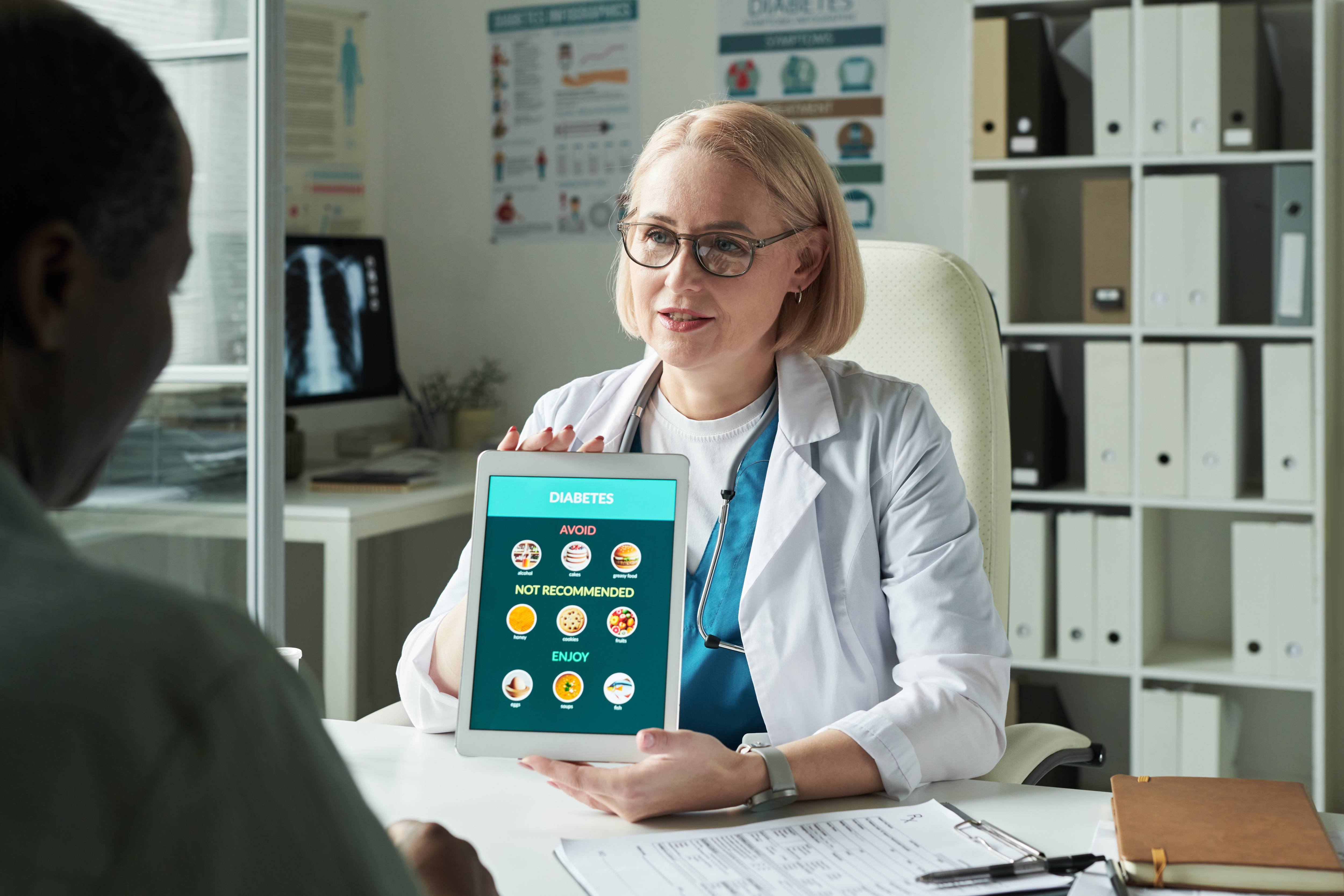
A patient travels in from a nearby village to a city clinic. The doctor examines them carefully, reaches a sound diagnosis, and explains the treatment — in Hindi or in English. The patient nods politely. But they have understood perhaps half of it, and are far too shy to say so. They leave with a prescription they cannot fully read and instructions they did not fully grasp. At home, they take the medicine at the wrong times, miss a follow-up they never realised was needed, and quietly do not return. The clinic never learns that the visit failed — not because the care was poor, but because the words never landed. In a country with twenty-two official languages and hundreds of dialects, this silent failure plays out countless times a day.
This is the gap that AI is finally beginning to close in 2026. For years, the conversation about better care focused on clinical skill and technology, while the most basic barrier of all went unaddressed: whether the patient and the clinic actually speak the same language. The shift this year is that AI translation, in text and increasingly in speech, can deliver communication in a patient’s own language at a scale and cost that were impossible before — and clinics are realising that closing language barriers is one of the highest-leverage things they can do.
This article is about that shift — why language quietly breaks care in India, how AI helps bridge it, and how a normal clinic can reach every patient without losing safety or nuance.
The Core Problem: Language Barriers in the Clinic
The problem is deceptively simple: a great deal of care depends on words, and in India, those words are often not shared. A doctor who speaks Hindi and English may see patients whose real comfort is Tamil, Bengali, Marathi, Odia, or any of dozens of other tongues. When the explanation, the prescription, and the follow-up plan are delivered in a language the patient only partly understands, comprehension collapses — and with it, adherence and outcomes. Studies have long shown that linguistic gaps can lead to misdiagnosis and unsafe care, not because anyone erred clinically, but because meaning was lost in translation.
The cost of this is enormous and almost entirely invisible. The clinic sees a patient who “did not follow instructions” or “did not come back,” never realising the true cause was that they could not fully understand. Worse, most digital health tools quietly make it harder: reminders, forms, and instructions are sent in English or Hindi only, leaving speakers of other languages behind at exactly the moments that matter. Language barriers do not announce themselves; they simply show up as poor adherence, missed appointments, and lost patients that no one can quite explain.
So the real problem is not “Are we giving good clinical care?” Often,n the care is excellent. It is sharper: Is the patient actually understanding us — and if not, how many are we quietly failing and losing? Answering that honestly is where closing language barriers becomes not a nicety but a necessity.
Why Language Barriers Are Getting Worse
Three forces are widening the gap at once.
First, India’s diversity meets urban migration. City and town clinics increasingly serve patients from many linguistic backgrounds — migrants, travellers from rural areas, and mixed communities — so a single clinic may encounter a dozen mother tongues in a week. The odds that a doctor and patient fully share a language keep falling.
Second, care is moving to text. More and more communication — reminders, instructions, education, intake — now happens through messages rather than face-to-face. That is efficient, but only if the message is in a language the patient reads. A reminder in the wrong language is not communication; it is noise, and it fails silently.
Third, human interpreters are scarce and costly. Professional interpretation is expensive and rarely available at the moment a small clinic needs it, so most simply go without. The result is that language barriers are left unaddressed by default, not by choice. This is the gap that affordable AI is now able to fill.
Rethinking the Problem: Meet the Patient in Their Own Language
The mistake is to treat language as the patient’s problem to solve — to assume they will somehow manage in the clinic’s language, or bring someone who can. In reality, comprehension is the clinic’s responsibility, because a patient who does not understand cannot adhere, and care that is not understood is care that does not work. The question is not whether the patient can cope in another language, but whether the clinic can reach them in their own.
The shift in 2026 is that reaching them is finally practical. AI translation can now render reminders, instructions, and educational material into a patient’s preferred language instantly and affordably, making genuine multilingual patient communication possible for ordinary clinics rather than only large hospitals. The reframe is simple: stop expecting patients to meet the clinic in its language, and start meeting them in theirs — while keeping a human in the loop wherever the stakes are high.
How EasyClinic Brings Multilingual Communication Into Daily Practice
The way EasyClinic approaches this is grounded in where it is strongest and safest: the written communication a clinic already sends. Reminders, pre- and post-visit instructions, medication guidance, health education, and intake all flow through the system — and each of those can be delivered in the patient’s own language rather than a one-size-fits-all default.
In practice, that means the appointment reminder, the “how to take this medicine” note, and the follow-up nudge arrive in the language the patient actually reads, through the patient journey the clinic already uses. Intake questions can be presented in regional languages, so patients answer accurately instead of guessing. And because this lives inside one clinic management software rather than a separate translation tool, it simply becomes how the clinic communicates. For the higher-stakes spoken consultation, the responsible approach is different: AI can assist, but a qualified human interpreter remains essential for anything critical. The goal is to close the everyday language gap safely, not to pretend a machine can carry the whole clinical conversation alone.
The Recent Trends Worth a Clinic’s Attention
Here are the developments actually changing how clinics handle language this year.
1. Messaging in the patient’s own language. The clearest, safest win is sending reminders and instructions in each patient’s preferred language. When patients receive communication they fully understand, response rates rise dramatically, and same-day cancellations fall sharply — because a message that is understood is a message that is acted on.
2. Real-time speech translation is emerging. Live translation of the spoken consultation, in person and in telemedicine, is advancing fast and is genuinely promising. But it must be used with care: AI still struggles with dialects and complex medical terminology, so it supports the conversation rather than replacing a qualified interpreter for critical content.
3. Multilingual intake and instructions. Presenting intake forms, consent, and medication instructions in regional languages means patients answer accurately and follow guidance correctly — turning a source of error into a source of clarity and strengthening multilingual patient communication across the whole visit.
4. Affordable reach at scale. AI has collapsed the cost of translation compared with human interpreters, so serving speakers of many regional languages is no longer a luxury for large hospitals. Ordinary clinics can now widen their reach to communities they previously could not fully serve.
5. Safety-first, human-in-the-loop. The strongest theme is honesty about limits: AI accelerates and scales communication, but human oversight remains essential for nuance, dialect, and anything clinically critical. The best implementations make it easy to escalate to a person when it matters.
What Clinics Notice After Implementation
The change shows up within weeks, in adherence and in the patients who finally come back.
| Area of communication | The “one language” past | With AI multilingual communication |
|---|---|---|
| Reminders and instructions | English or Hindi only | In the patient’s own language |
| Comprehension | Half-understood, rarely admitted | Clear and confirmed |
| Adherence | Patchy and unexplained | Noticeably stronger |
| No-shows | Frequent and mysterious | Meaningfully reduced |
| Patient reach | Limited to shared languages | Extended to regional languages |
| Trust | Polite confusion | Feeling genuinely understood |
The numbers matter, but what the line clinics repeat most is simpler: patients started saying they finally understood.
How the Patient Experience Quietly Improves
For patients, this is the difference between being treated and being reached. When the diagnosis, the prescription, and the follow-up plan arrive in a language they truly understand, they can actually follow them — taking medicines correctly, returning when they should, and knowing what to watch for. Just as importantly, being spoken to in their own language makes patients feel respected and heard, not like an inconvenience to be rushed through. That comfort builds the trust on which good care depends, especially for those who have felt like outsiders in clinical settings before. The real promise of closing language barriers is not just clearer instructions; it is patients who feel their clinic genuinely sees them — and who therefore stay, adhere, and thrive.
Why EasyClinic Is Built for This Problem
Owners increasingly see that a patient who cannot understand is a patient who will not adhere and may not return, and that language is quietly costing them both outcomes and growth. The clinics that solve it choose communication built for their patients’ languages, inside the system they already use.
That is the lane EasyClinic is designed for. It is built for clinics in India, where linguistic diversity is the norm and most digital tools were never designed for regional languages at all. By delivering reminders, instructions, education, and intake in each patient’s own language — through one clinic management software rather than a bolt-on — it makes multilingual patient communication a natural part of everyday care. It keeps a human in the loop for critical, spoken clinical exchanges and handles patient data with DPDP-aligned care. The goal is not to replace human understanding with a machine. It is to make sure no patient is ever quietly failed simply because the clinic could not speak their language.
10 FAQs Clinic Owners Actually Ask
1. What do language barriers actually cost a clinic? More than most realise. When patients cannot fully understand their diagnosis, medication, or follow-up, adherence drops, errors rise, appointments are missed, and patients quietly leave — usually without anyone identifying language as the cause.
2. Can AI really communicate with patients in their language? For written communication — reminders, instructions, education, intake — yes, effectively and affordably. For the spoken clinical consultation, it can assist, but a qualified human interpreter remains essential for anything critical.
3. Does this really reduce no-shows? Evidence strongly suggests so. When patients receive messages they fully understand in their preferred language, response rates rise substantially and same-day cancellations fall, because the message actually lands.
4. Is AI translation accurate and safe enough? For routine written communication,n it is generally reliable, but it is not flawless — it can struggle with dialects, cultural nuance, and complex medical terms. That is exactly why human oversight and easy escalation to a person are essential for critical content.
5. Which languages can it handle? Modern AI translation covers a very wide range, including many regional languages, though accuracy can be lower for less common tongues. The safest approach is to verify quality for the languages your patients actually speak.
6. Can intake and instructions be multilingual too? Yes, and they should be. Presenting intake, consent, and medication instructions in regional languages from within your clinic management software is one of the highest-value uses because it turns a common source of error into genuine clarity.
7. Does this replace human interpreters entirely? No. It handles everyday communication at scale and reduces reliance on costly interpretation, but for sensitive or complex clinical conversations, a qualified human interpreter should remain available.
8. We are a small or rural clinic. Is this relevant? Especially so. Smaller and rural clinics often serve the widest mix of languages with the least interpreter support, so affordable multilingual patient communication has an outsized impact on their patients.
9. Is patient data safe when messages are translated? It should be handled with strong, DPDP-aligned care, with data protected throughout. Always confirm a provider’s privacy and security practices before enabling patient communication.
10. Where should a clinic start? Start with the safest, highest-value step: send reminders, instructions, and intake in your patients’ preferred languages. Get everyday written communication right first, then consider assisted, human-supervised translation for consultations.
Conclusion
The most powerful thing a clinic can do for many patients in 2026 is also the most human: speak to them in a language they understand. For all the excitement about advanced clinical AI, this quiet application may touch outcomes most directly, because care that is not understood is care that does not work. That is what AI-enabled communication delivers — reminders, instructions, and education that finally land, patients who can actually follow their treatment, and a clinic that reaches people it was previously, unknowingly, leaving behind.
Clinics that understand this stop treating language as the patient’s problem and start treating it as their own responsibility to solve — safely, with humans in the loop where it counts. The result is not a colder, more automated practice. It is a more inclusive and more effective one, where language barriers no longer quietly decide who gets good care, and every patient is finally spoken to in a language they call their own.
Take the Next Step
If your clinic wants to reach every patient in their own language, see how EasyClinic delivers reminders, instructions, and intake in regional languages from one connected system — and explore the platform built for everyday clinics when you are ready to begin.