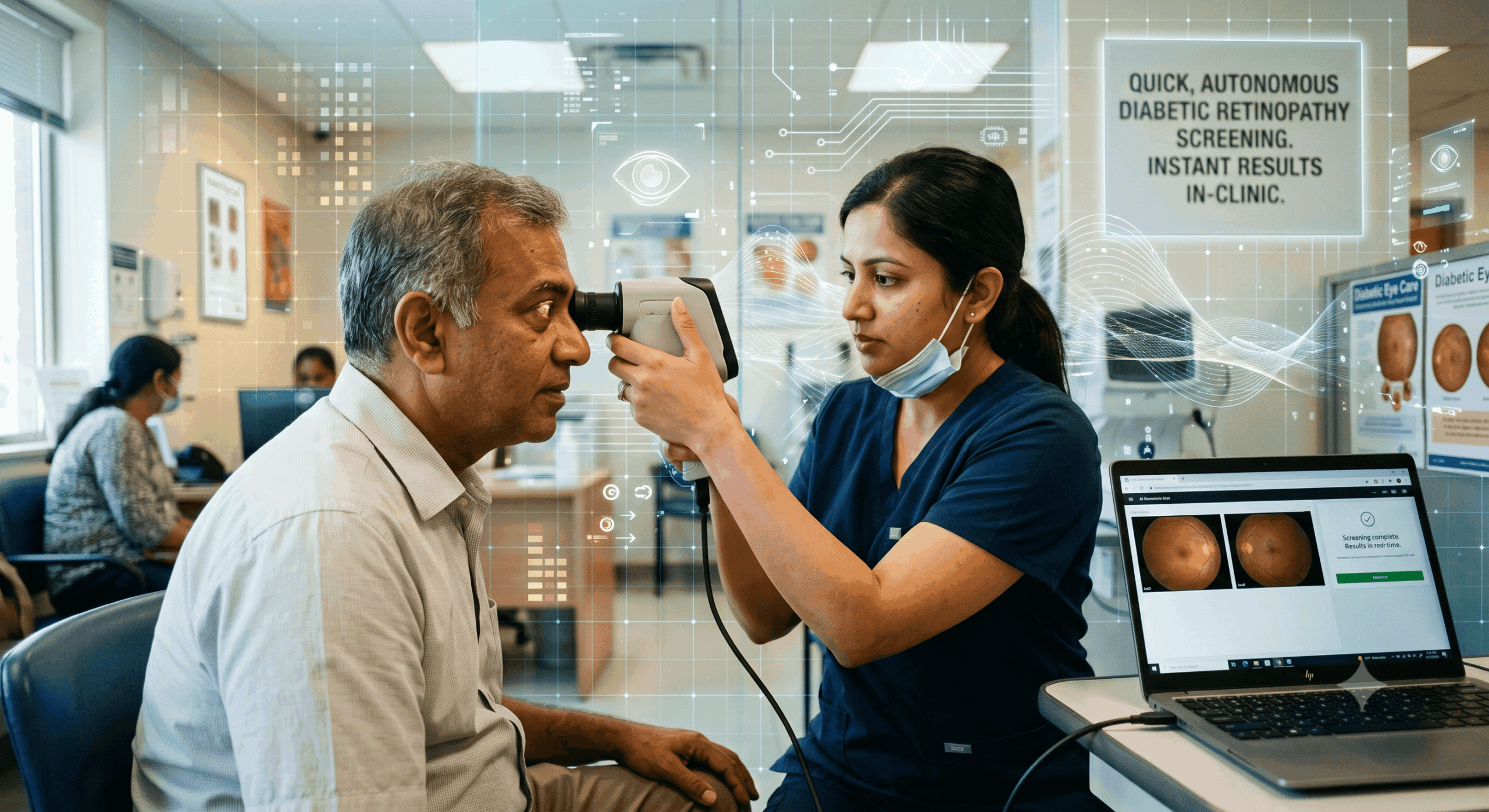
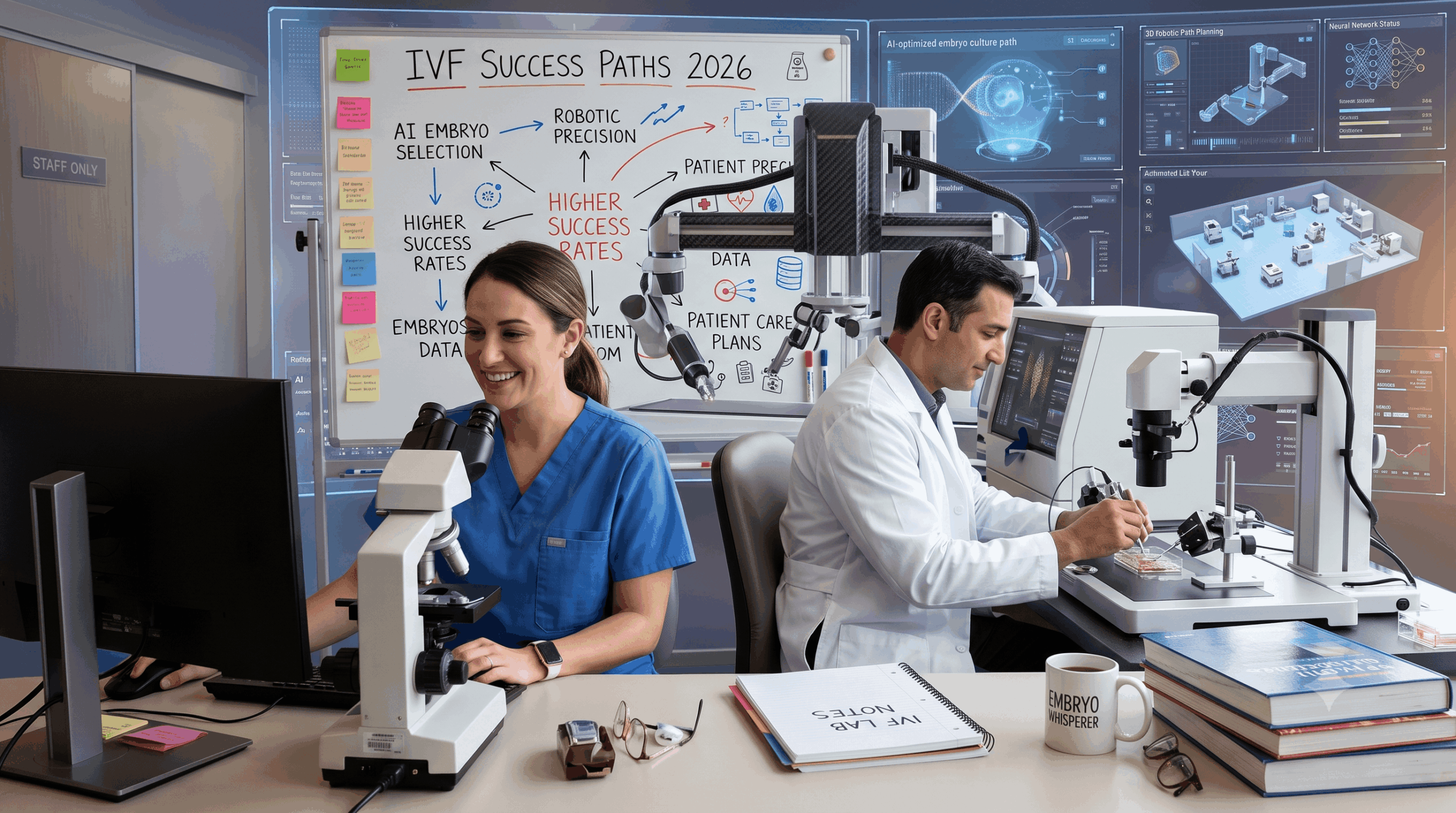
As clinics continue to embrace digital transformation, predictive healthcare analytics is emerging as a powerful tool that enables doctors and healthcare providers to anticipate health risks, personalize treatments, and make proactive clinical decisions. Powered by vast datasets and intelligent algorithms, predictive analytics is revolutionizing AI in patient care, helping shift from reactive treatments to preventive, data-driven strategies.
With rising demands on healthcare systems, from managing chronic conditions to streamlining clinical workflows, clinics and hospitals need accurate forecasting more than ever. Whether you’re running a specialized practice or managing multiple departments with EMR software, integrating predictive models into your clinic can redefine how care is delivered.
What is Predictive Analytics in Healthcare?
Predictive healthcare analytics refers to the use of historical patient data, machine learning algorithms, and statistical techniques to forecast future health outcomes. The goal is simple: provide actionable insights that allow clinics to intervene earlier and more effectively.
How It Works
- Data Collection: Patient records, wearables, claims data, lab reports, and socio-demographic data
- AI and Machine Learning: Algorithms analyze patterns and correlations
- Prediction: Outcomes like readmission risk, disease onset, and treatment response
- Actionable Insight: Clinicians use this data to improve patient engagement and outcomes
This approach seamlessly integrates with clinic EMR and clinic software, ensuring real-time access to predictive dashboards and patient profiles.
Key Benefits of AI in Patient Care
Predictive analytics is not just about identifying risks; it’s about empowering providers to deliver precision medicine and improve operational efficiency across the board.
Early Detection and Intervention
By identifying early warning signs, clinics can intervene before conditions worsen.
- Predicting sepsis, cardiac arrest, or diabetic complications
- Tailoring treatment based on personal and genetic factors
Cost Reduction and Efficient Resource Allocation
- Preventing avoidable hospitalizations
- Optimizing physician schedules and staff deployment
- Enhancing inventory tracking with clinic management software
Personalization of Care Plans
- Segmenting patients based on risk levels
- Recommending treatments aligned with specific biomarkers and histories
- Improving therapy adherence through predictive nudges
Use Cases for Predictive Healthcare Analytics
From solo practices to multi-specialty clinics, here are tangible ways predictive healthcare analytics is used to enhance outcomes:
Chronic Disease Management
- Monitoring trends for hypertension, asthma, and diabetes
- Alerting physicians on non-adherence or sudden shifts
- Supporting remote care via wearables synced with EMR software
Reducing Hospital Readmissions
- Identifying patients at high risk post-discharge
- Tailoring follow-up calls, virtual check-ins, and care reminders
Emergency Department Optimization
- Predicting patient inflow trends to better allocate beds and staff
- Reducing ER overcrowding by forecasting admission needs
Integrating Predictive Analytics with Healthcare Software
A major strength of predictive analytics is its synergy with healthcare software already in use at your clinic.
Real-Time Data Integration with EMR
Predictive systems rely heavily on structured EHR data.
- Tools like EasyClinic’s AI-powered EMR ensure that structured, clean data is available for analysis
Inventory and Resource Management
Forecasting medicine usage and supply needs
- Predicting stock-outs
- Avoiding medical wastage
- Integrating with AI inventory systems
Medical Billing Insights
- Anticipating billing errors
- Identifying underutilized codes or revenue leakages
- Easily linked to EasyClinic’s medical billing automation tools
Leveraging Predictive Tools for Population Health
Beyond individual patient outcomes, predictive healthcare analytics offers tremendous potential to improve population health:
- Identifying social determinants of health (SDOH)
- Mapping health risks in underserved communities
- Informing community-based interventions and resource allocation
With tools like EasyClinic’s health data analytics, clinics can identify trends that affect specific demographic groups and implement preventive campaigns at scale.
Implementation Roadmap for Clinics
For clinics new to predictive analytics, a phased approach is ideal:
Step 1: Data Readiness
- Consolidate clean, structured EMR data
- Ensure compliance with data privacy laws
Step 2: Identify Use Cases
- Start with high-impact problems: e.g., readmissions, chronic care
- Engage frontline staff for workflow input
Step 3: Integration and Training
- Choose tools that plug into your clinic EMR
- Train staff to interpret and act on predictive insights
Step 4: Monitor and Optimize
- Use dashboards to track prediction accuracy
- Adjust thresholds and models over time
Challenges and Considerations
Though promising, predictive tools come with their own set of challenges:
- Data quality and gaps in patient history
- Over-reliance on automation without clinical oversight
- Ethical concerns around algorithmic bias
Partnering with solutions like EasyClinic ensures that your systems are well-governed, validated, and regularly updated to maintain patient safety and regulatory compliance.
Conclusion: The Power of AI in Patient Care
The rise of AI in patient care is not a futuristic vision—it’s happening now. From predicting readmissions to customizing treatment plans, predictive healthcare analytics is becoming an indispensable ally for every clinic. By pairing smart algorithms with the right clinic software, healthcare professionals can deliver care that’s timely, tailored, and transformative.
Whether you’re upgrading your clinic management software or exploring EMR software integrations, now is the time to harness predictive tools that work in harmony with your practice’s needs.
Contact EasyClinic to learn how we can help integrate AI-powered predictive analytics into your clinic workflow.