The digital transformation in healthcare is accelerating at a rapid pace. At the forefront of this revolution is the Internet of Things (IoT), which is redefining the way clinics, hospitals, and practitioners deliver patient care. IoT healthcare technology brings together wearable devices, remote sensors, and real-time data analytics to create smart hospitals capable of offering efficient, proactive, and personalized treatment. For clinics and doctors, the adoption of IoT tools presents a major leap forward in quality care delivery, operational management, and patient satisfaction.
From EMR software to clinic management software, combining these tools with IoT devices creates a seamless healthcare ecosystem where every interaction and data point enhances patient outcomes. In this blog, we delve into how IoT healthcare is transforming clinical workflows, reshaping diagnostics, and creating smarter, more connected medical environments.
What is IoT Healthcare?
IoT healthcare refers to a network of internet-connected devices used to collect, monitor, and analyze patient data. These devices include smart monitors, wearable tech, medication dispensers, and diagnostic sensors that provide real-time feedback to physicians and healthcare systems.
Key Elements of IoT in Clinics
- Data Sensors: Wearables and biosensors collect heart rate, glucose levels, temperature, and more.
- Cloud Connectivity: Secure platforms transmit data to clinic EMR systems.
- Analytics Dashboards: Provide insights for real-time and predictive decision-making.
- Automated Alerts: Notify providers of critical changes or emergencies.
Together, these features support clinics in becoming smart hospitals capable of delivering intelligent, data-driven care.
Remote Monitoring and Proactive Care
One of the most powerful features of IoT healthcare is its ability to support remote patient monitoring (RPM).
How It Works
- Patients wear connected devices (e.g., smartwatches, glucose monitors, blood pressure cuffs).
- Devices send real-time updates to care teams.
- AI and physician oversight trigger proactive care interventions.
This system reduces the need for in-person visits and allows doctors to provide personalized care while optimizing clinic efficiency.
Real-Life Use Cases
- Cardiac Monitoring: IoT-enabled ECG sensors provide arrhythmia alerts.
- Diabetes Management: Continuous glucose monitors synced with apps track blood sugar trends.
- Post-Operative Recovery: Motion sensors alert providers to mobility issues or falls.
For clinics using doctor clinic software, integrating IoT devices ensures seamless updates within the patient dashboard.
Early Disease Detection and Intervention
With constant data streams, IoT enables earlier detection of abnormalities that might otherwise go unnoticed.
Benefits for Clinics
- AI-Powered Trend Analysis: Identifies warning signs before symptoms become critical.
- Patient Stratification: Automatically classifies patients by risk level for customized follow-up.
- Preventive Protocols: Enables early-stage treatment to prevent complications.
By combining IoT with AI insights and EMR software, clinics can move from reactive to predictive care models, minimizing emergencies and maximizing resource use.
Operational Efficiency in Smart Hospitals
Smart hospitals leverage IoT not only for patient-facing services but also for optimizing backend operations.
Examples
- Asset Tracking: Track medical devices, wheelchairs, and supplies through RFID.
- Energy Management: IoT sensors reduce electricity usage in idle zones.
- Maintenance Scheduling: Smart alerts prevent equipment downtime.
- Room Occupancy: Automate room cleaning and disinfection post-discharge.
For clinics managing multiple locations or dealing with heavy patient loads, IoT-based automation improves productivity and cuts unnecessary expenses. When coupled with clinic management software, task allocation and real-time updates ensure smoother workflows.
Reducing Costs through IoT Integration
IoT healthcare adoption leads to major cost savings by addressing inefficiencies at multiple touchpoints.
Key Financial Advantages
- Fewer Hospital Visits: Remote monitoring reduces the need for admissions.
- Shorter Stays: Real-time tracking facilitates faster recovery and discharge.
- Lower Diagnostic Costs: Continuous tracking eliminates redundant tests.
- Efficient Resource Allocation: Ensures clinicians prioritize high-risk patients.
Implementing these technologies alongside solutions like AI doctor tools ensures optimized financial performance without compromising patient care.
Improving Patient Engagement and Satisfaction
IoT healthcare not only benefits doctors but also improves the patient experience significantly.
Engagement Tools
- Mobile Apps: Let patients view real-time vitals, medication schedules, and doctor notes.
- Alerts & Reminders: Notify patients of missed medications or appointments.
- Educational Content: Personalized health tips based on data trends.
Clinic Benefits
- Fewer No-Shows: Automated reminders keep patients on track.
- Greater Adherence: Patients engage more when they understand their health.
- Continuous Feedback: Helps improve service offerings.
Tools like EasyClinic’s engagement solutions can be paired with wearable devices for even better care coordination.
Challenges in IoT Implementation
Despite its benefits, integrating IoT into clinic workflows presents some hurdles.
Common Challenges
- Data Security: IoT expands the attack surface for potential breaches.
- Device Interoperability: Different platforms may not communicate effectively.
- Compliance: Clinics must ensure adherence to HIPAA and local data laws.
- Training Needs: Staff require time and resources to learn new tech.
Solutions
- Partner with reputable vendors.
- Choose devices compatible with your clinic EMR.
- Invest in staff training and support.
- Implement multi-factor authentication and encrypted connections.
How to Integrate IoT into Your Clinic
A step-by-step guide to adopting IoT healthcare in your practice:
1. Define Use Cases
- Chronic disease monitoring
- Pediatric or geriatric care
- Post-discharge tracking
2. Choose IoT Devices
Select based on accuracy, integration capabilities, and patient comfort.
3. Update Infrastructure
Ensure your EMR software can handle IoT data.
4. Train Staff
Host workshops, tutorials, and onboarding sessions for your care team.
5. Pilot the Program
Test on a limited patient pool, gather feedback, and iterate.
6. Expand and Monitor
Scale across departments and continually refine processes.
Future of IoT in Healthcare
The trajectory for IoT healthcare is promising. New innovations will make smart hospitals even smarter, safer, and more accessible.
What’s Next?
- 5G Networks: Ultra-low latency enhances device communication.
- Wearable-Enabled Diagnostics: Blood tests and ECGs on-the-go.
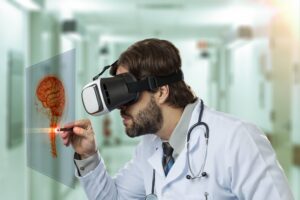
- Augmented Reality Integration: Overlays real-time vitals during surgery.
- Voice-Controlled Medical Devices: Streamline workflows.
As tech matures, smart hospitals will not just treat illness but proactively preserve health, supported by continuous, intelligent data.
Conclusion: IoT Healthcare for Clinics of the Future
The power of IoT healthcare lies in its ability to connect patients, providers, and data in real time, making healthcare more responsive, affordable, and human-centric. For clinics striving to offer proactive care, reduce costs, and build lasting patient relationships, IoT is no longer optional—it’s essential.
From smarter diagnostics and automated workflows to enhanced patient engagement and preventive care, IoT is unlocking a new era of clinic management software and operational excellence.
Ready to future-proof your clinic? Learn how EasyClinic can help you adopt IoT tools that integrate with your existing platforms for smarter, safer care. Contact us today.