Understanding the Mobile Healthcare Revolution: A Doctor’s Guide to mHealth Apps
The world of healthcare is undergoing a massive transformation, and at the forefront of this shift is mobile health (mHealth). With the rise of mHealth apps and technologies driving the mobile healthcare revolution, doctors, clinics, and healthcare practitioners must adapt to meet evolving patient expectations and optimize clinical efficiency. From teleconsultations to AI-driven diagnostics and wearable device integration, mobile healthcare is not just a trend—it’s a vital part of future-ready clinics.
This comprehensive guide breaks down emerging mHealth trends tailored for clinics, doctors launching new practices, and those expanding specialized services. We’ll also explore how platforms like EasyClinic can support seamless mHealth integration through EMR software, clinic workflow automation, and patient engagement tools.
Embracing AI-Integrated mHealth Apps
One of the most significant developments in mobile healthcare is the integration of artificial intelligence into mHealth apps. These apps offer:
- Symptom checking through AI-powered chat interfaces
- Predictive diagnostics
- Personalized wellness tracking
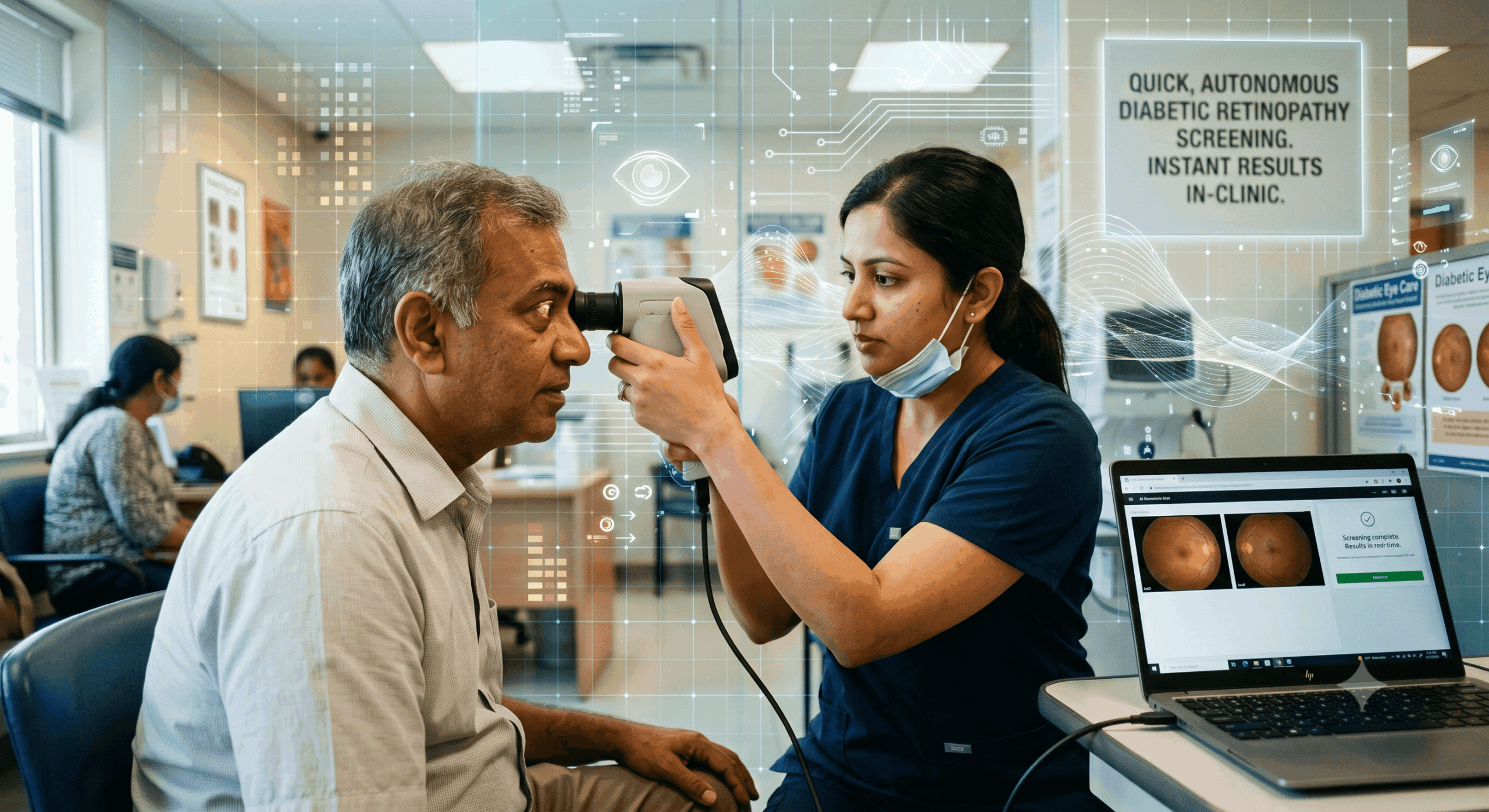
Doctors leveraging AI-driven mHealth apps gain a competitive edge by delivering faster, more accurate recommendations. Clinics using AI for patient monitoring can detect early warning signs, reduce manual charting, and improve diagnosis accuracy—a major boost to patient outcomes.
Telemedicine and Real-Time Video Consultations
The pandemic accelerated the adoption of telemedicine, and the trend continues to grow stronger with high-speed internet and better video tools.
Why It Matters
- Offers convenient access for remote or mobility-challenged patients
- Reduces in-person appointment congestion
- Enables real-time collaborative care between general practitioners and specialists
Platforms like EasyClinic ensure that teleconsultations are documented securely within the EMR, preserving records and minimizing data entry.
The Internet of Medical Things (IoMT)
The mobile healthcare revolution is driven in part by the rise of IoMT devices, including smartwatches, ECG patches, and glucose monitoring wearables.
Practical Benefits for Clinics
- Enables remote patient monitoring of chronic conditions like diabetes, hypertension, and COPD
- Alerts physicians of abnormal readings
- Automatically feeds data into EMR systems for real-time review
This continuous health tracking ensures a more preventive and personalized approach to care.
mHealth and Patient Engagement
Patient engagement is no longer a passive part of care. With the right mHealth apps, patients can:
- Track medications and receive refill alerts
- Monitor vital signs
- Communicate with their doctors via secure messaging
Through platforms like EasyClinic’s patient engagement tools, clinics can boost retention, improve compliance, and empower patients.
mHealth in Chronic Disease Management
For patients with chronic illnesses, mHealth apps can simplify disease management. Doctors can use mobile platforms to:
- Monitor symptoms remotely
- Adjust medications based on real-time data
- Automate routine check-ins via app notifications
These tools reduce ER visits, cut hospital readmissions, and elevate the quality of care.
Mobile Analytics and Predictive Health Insights
Advanced data analytics in mHealth apps allow providers to:
- Identify high-risk patients
- Predict outbreaks or chronic condition flare-ups
- Track treatment adherence
By combining AI and health analytics, clinics can drive data-informed care strategies, helping doctors intervene before issues become emergencies. EasyClinic offers analytics dashboards that simplify these insights for every user.
Mobile Solutions for Medical Education
Clinicians and medical students are turning to mHealth platforms for continuing education, simulations, and case-based learning. Apps provide:
- Virtual anatomy labs
- Surgical simulators
- Drug databases and guidelines on the go
Staying updated no longer requires sitting in a conference hall; it fits in your pocket.
Integration with EMR and Clinic Management Software
For clinics to truly benefit from the mobile healthcare revolution, their tools must talk to each other. This means:
- Syncing mHealth app data with EMR software
- Linking appointments and notes with clinic management software
- Automating documentation and billing workflows
EasyClinic leads in this area, offering robust integration between its mobile apps, EMR, and clinic management systems.
Addressing Privacy and Compliance in mHealth
As mobile tools collect sensitive health data, privacy and regulatory compliance must remain a top concern.
Best Practices
- Use end-to-end encrypted apps
- Choose HIPAA-compliant mHealth platforms
- Educate staff on mobile data safety
Tools like EasyClinic prioritize data security, aligning with local and global medical data regulations.
Future Trends in mHealth Apps
The next wave of mHealth apps will feature:
- Voice-enabled charting
- Real-time diagnostics using phone cameras
- Mental health trackers powered by AI
- Integration with precision medicine platforms
Clinics that stay ahead of these mHealth trends will benefit from improved efficiency, lower operational costs, and happier patients.
Final Thoughts: Staying Competitive with Mobile Health
Doctors who embrace the mobile healthcare revolution are positioned to lead in patient satisfaction, outcomes, and operational efficiency. By integrating mHealth apps with robust systems like EasyClinic, healthcare providers can streamline clinical workflows, improve documentation through EMR software, and deliver care beyond the exam room.
To explore how your clinic can integrate smarter mobile health workflows, contact EasyClinic for a personalized consultation.