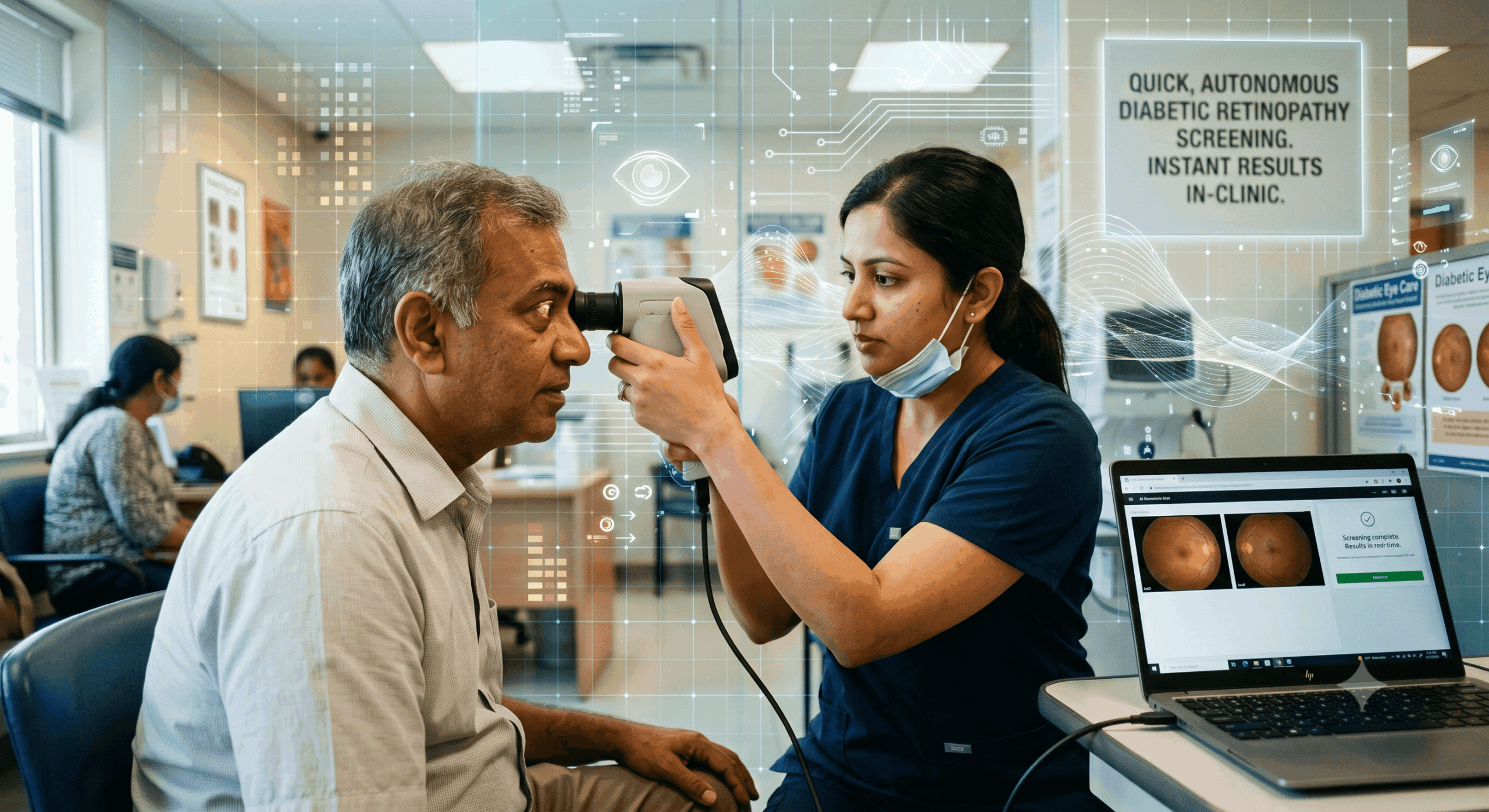
Microbiome Health Research is rapidly redefining how modern medicine understands disease prevention, diagnosis, and treatment. What was once viewed as a background biological process is now recognised as a central regulator of immunity, metabolism, mental health, and chronic disease progression. Trillions of microorganisms living in and on the human body form a dynamic ecosystem that directly influences patient outcomes across every speciality.
As gut bacteria research accelerates, clinics and healthcare providers are beginning to realise that personalised medicine cannot exist without microbiome insights. From predictive diagnostics to tailored therapies, Microbiome Health Research is becoming a cornerstone of next-generation clinical care.
This in-depth guide explores how microbiome science is transforming healthcare, why it matters for clinics, and how modern digital platforms like EasyClinic help integrate microbiome insights into everyday clinical workflows.
The Gut Microbiome: The Hidden Control System of Human Health
The gut microbiome consists of bacteria, fungi, viruses, and archaea that coexist in a delicate balance. These microbes interact continuously with the immune system, nervous system, and metabolic pathways.
Microbiome Health Research shows that this ecosystem functions almost like an internal organ, influencing health far beyond digestion.
Core Functions of the Gut Microbiome
Digestion and Nutrient Absorption
Gut microbes break down complex carbohydrates and fibres that human enzymes cannot digest, producing short-chain fatty acids that support colon health and systemic metabolism.
Immune System Training
The microbiome educates immune cells to distinguish between harmful pathogens and harmless substances, reducing the risk of autoimmune reactions.
Metabolic Regulation
Microbial composition influences insulin sensitivity, fat storage, appetite regulation, and energy extraction from food.
Mental and Emotional Health
Through the gut-brain axis, gut bacteria affect neurotransmitter production, stress responses, anxiety, and depression.
Microbiome Health Research confirms that maintaining microbial balance is no longer optional—it is essential for long-term health. Maintaining a healthy microbiome is crucial for long-term disease prevention and is increasingly becoming a focus of healthcare software tools that aim to integrate microbiome metrics into patient records.
Microbiome Health Research and Disease Prevention
One of the most important findings in Microbiome Health Research is its role in disease prevention. Imbalances often develop years before symptoms appear, offering clinics an opportunity for early intervention.
Conditions Strongly Linked to Microbiome Disruption
Metabolic Disorders
Obesity, insulin resistance, and type 2 diabetes show consistent correlations with microbial diversity loss.
Autoimmune Diseases
Conditions such as rheumatoid arthritis, lupus, and inflammatory bowel disease are influenced by microbiome-immune miscommunication.
Cardiovascular Risk
Certain microbial metabolites promote vascular inflammation and plaque formation.
Cancer Progression and Therapy Response
Microbiome composition can influence chemotherapy effectiveness and immune checkpoint response.
Skin and Allergic Conditions
Eczema, acne, asthma, and food allergies show strong microbiome associations.
Microbiome Health Research enables clinicians to move from reactive treatment to preventive risk profiling.
Modern clinic management software can integrate microbiome data into broader patient health profiles for more holistic care.
How Microbiome Dysbiosis Develops Over Time
Microbiome imbalance rarely happens overnight. It develops gradually through lifestyle and environmental exposures.
Common Dysbiosis Triggers
-
Antibiotic overuse
-
Ultra-processed diets
-
Chronic stress
-
Poor sleep patterns
-
Environmental toxins
-
Sedentary lifestyle
Microbiome Health Research shows that repeated disruptions compound over time, increasing disease susceptibility across multiple systems.
How Microbiome Health Research Is Powering Personalised Medicine
Personalised medicine depends on understanding individual biological variability. Microbiome Health Research provides exactly that.
Key Personalisation Pathways
Microbial Fingerprinting
Each patient has a unique microbial signature that influences disease risk and treatment response.
Treatment Matching
Microbiome profiles help determine which therapies will be most effective for a specific patient.
Predictive Diagnostics
Early microbial shifts can predict disease onset before clinical symptoms appear.
Long-Term Outcome Tracking
Monitoring microbiome changes allows clinicians to adjust therapies dynamically.
This shift moves medicine from population-based protocols to precision care models.
These insights allow clinic software platforms to evolve from simple scheduling systems to comprehensive care ecosystems.
How Clinics Can Use Microbiome Health Research in Daily Practice
Microbiome Health Research is no longer limited to research labs. Clinics can now apply it practically.
Clinical Applications
-
Integrating microbiome test results into patient records
-
Designing nutrition-based interventions
-
Monitoring chronic disease progression
-
Supporting mental health and gut-brain therapies
-
Enhancing preventive care programs
Digital clinic platforms like EasyClinic enable structured documentation of microbiome insights alongside vitals, labs, and treatment plans. Clinic EMR solutions are increasingly integrating microbiome findings to track cross-system impacts.
How Emerging Microbiome Therapies Are Changing Treatment Models
Microbiome-based therapies are becoming more precise and targeted.
Current and Emerging Therapies
Probiotics and Prebiotics
Tailored formulations designed for specific microbiome imbalances.
Faecal Microbiota Transplantation
Used for severe dysbiosis and recurrent infections.
Postbiotics
Microbial metabolites that deliver therapeutic benefits without live bacteria.
Synthetic Microbes
Engineered bacteria designed to target specific disease pathways.
Microbiome Health Research ensures these therapies are evidence-driven and personalised.
What Advanced Technologies Are Driving Microbiome Health Research
Modern microbiome discoveries rely on powerful technologies.
Research Enablers
-
Next-generation sequencing
-
Multiomics integration
-
AI-driven microbial pattern analysis
-
Gut-organ axis mapping
These insights are increasingly embedded into clinic EMR systems, allowing data-driven treatment planning.
How Microbiome Health Research Is Reshaping Clinical Decision-Making
Clinical decision-making has traditionally relied on symptoms, lab reports, and imaging. However, Microbiome Health Research adds a powerful new layer of context that helps clinicians understand why a condition is developing, not just what is happening.
By analysing microbial composition and diversity, clinicians can:
-
Identify root causes behind recurring symptoms
-
Differentiate between similar conditions with different microbial drivers
-
Predict patient response to medications and dietary interventions
-
Reduce trial-and-error treatment approaches
For example, two patients with similar gastrointestinal symptoms may require entirely different care plans once microbiome profiles are assessed. This precision allows clinics to move beyond protocol-driven care toward data-guided clinical judgment, significantly improving outcomes and patient confidence.
When microbiome insights are documented and tracked inside digital EMR systems, Microbiome Health Research becomes a daily clinical asset rather than a standalone test result.
When Microbiome Health Research Becomes a Long-Term Care Strategy
Microbiome Health Research is not limited to diagnosis or short-term therapy. Its greatest value emerges when it is used as a longitudinal health monitoring tool.
Over time, clinics can:
-
Track how lifestyle changes affect microbial balance
-
Monitor recovery after antibiotic or surgical interventions
-
Evaluate long-term effectiveness of nutrition and probiotic protocols
-
Detect early relapse indicators in chronic conditions
This makes Microbiome Health Research especially valuable for:
-
Chronic disease management programs
-
Preventive health memberships
-
Functional and integrative medicine clinics
-
Mental health and stress-related care pathways
By incorporating microbiome trends into routine follow-ups, clinics can shift from episodic treatment to continuous care models, positioning themselves as long-term health partners rather than visit-based providers.
Why Microbiome Health Research Extends Beyond the Gut
Microbiome influence is systemic.
Key Gut-Organ Axes
Gut-Brain Axis
Impacts mood, cognition, stress, and sleep.
Gut-Liver Axis
Affects detoxification, fatty liver disease, and inflammation.
Gut-Lung Axis
Influences respiratory immunity and asthma risk.
Gut-Skin Axis
Plays a role in acne, eczema, and psoriasis.
Microbiome Health Research supports whole-body clinical thinking, not isolated symptom treatment.
How Digital EMR Systems Support Microbiome-Driven Care
Modern care requires modern tools.
Benefits of Smart EMR Integration
-
Centralised microbiome data storage
-
Longitudinal trend tracking
-
Automated alerts for imbalance markers
-
Cross-specialty collaboration
-
AI-assisted care recommendations
Platforms like EasyClinic allow clinics to turn microbiome data into actionable clinical insights.
When Microbiome-Based Care Becomes Preventive Medicine
Microbiome Health Research shifts healthcare from reactive to preventive.
Preventive Opportunities
-
Identifying metabolic risk early
-
Reducing autoimmune flare-ups
-
Preventing relapse in chronic GI disorders
-
Supporting long-term mental health stability
This approach improves outcomes while lowering long-term healthcare costs.
Why Clinics That Ignore Microbiome Health Research Will Fall Behind
Healthcare is evolving rapidly. Clinics that fail to adopt microbiome-driven care risk becoming outdated.
Competitive Advantages for Early Adopters
-
Higher diagnostic accuracy
-
Better patient retention
-
Improved chronic disease outcomes
-
Stronger differentiation in crowded markets
-
Alignment with future healthcare standards
Microbiome Health Research is becoming a clinical necessity, not an optional add-on.
How EasyClinic Enables Microbiome-Aware Clinical Workflows
EasyClinic supports clinics by:
-
Structuring microbiome-related data inside EMRs
-
Linking microbiome insights to treatment plans
-
Tracking patient progress over time
-
Enabling multidisciplinary collaboration
-
Supporting personalised care delivery
This transforms microbiome science into practical clinical action.
The Future of Microbiome Health Research in Clinical Practice
Over the next decade, Microbiome Health Research will shape:
-
AI-powered diagnostics
-
Microbiome-based drug development
-
Predictive population health models
-
Fully personalised treatment pathways
Clinics that adapt now will lead the future of healthcare.
Frequently Asked Questions: Microbiome Health Research
1. What is Microbiome Health Research?
Microbiome Health Research studies how microorganisms affect human health, disease risk, and treatment outcomes.
2. Why is Microbiome Health Research important for clinics?
It enables early diagnosis, personalised treatment, and preventive care strategies.
3. How does Microbiome Health Research support personalised medicine?
By identifying individual microbial patterns that influence therapy response and disease risk.
4. Can Microbiome Health Research help prevent chronic diseases?
Yes. Early microbial changes often appear before symptoms develop.
5. How is microbiome data used in clinical workflows?
It is integrated into EMRs alongside labs, vitals, and treatment histories.
6. What diseases are linked to microbiome imbalance?
Metabolic disorders, autoimmune diseases, cardiovascular conditions, mental health issues, and more.
7. Is microbiome testing clinically reliable?
Modern sequencing and analytics have made microbiome testing increasingly accurate and actionable.
8. How often should microbiome health be monitored?
Frequency depends on patient condition, chronic disease status, and treatment plans.
9. Can microbiome therapies replace traditional treatments?
They complement traditional care and improve outcomes when integrated correctly.
10. How does EasyClinic support Microbiome Health Research?
EasyClinic enables structured data storage, tracking, and integration of microbiome insights into clinical workflows.
Conclusion: Microbiome Health Research Is Redefining Modern Medicine
Microbiome Health Research is no longer theoretical—it is transforming real-world healthcare. By understanding gut bacteria research and embedding microbiome insights into digital care systems, clinics can deliver predictive, personalised, and preventive medicine at scale. By tapping into gut bacteria research and embedding microbiome data into EMR software, clinic management software, and clinic EMR platforms, healthcare providers are better positioned to deliver predictive, personalised, and preventive care.
Clinics that adopt microbiome-aware workflows today will define the standards of care tomorrow.
To explore how your clinic can integrate microbiome insights seamlessly, connect with EasyClinic and step into the future of personalised healthcare.