Nanomedicine is at the forefront of modern healthcare software innovation, offering transformative, nano-scale solutions to some of medicine’s most complex challenges. From targeted drug delivery and early cancer detection to regenerative medicine and immune therapies, nano healthcare technologies are revolutionizing how diseases are diagnosed, treated, and even prevented. As medical practices evolve, clinics and healthcare providers are turning to smart systems like EMR software and clinic management software to integrate nanomedicine into patient care workflows.
What is Nanomedicine?
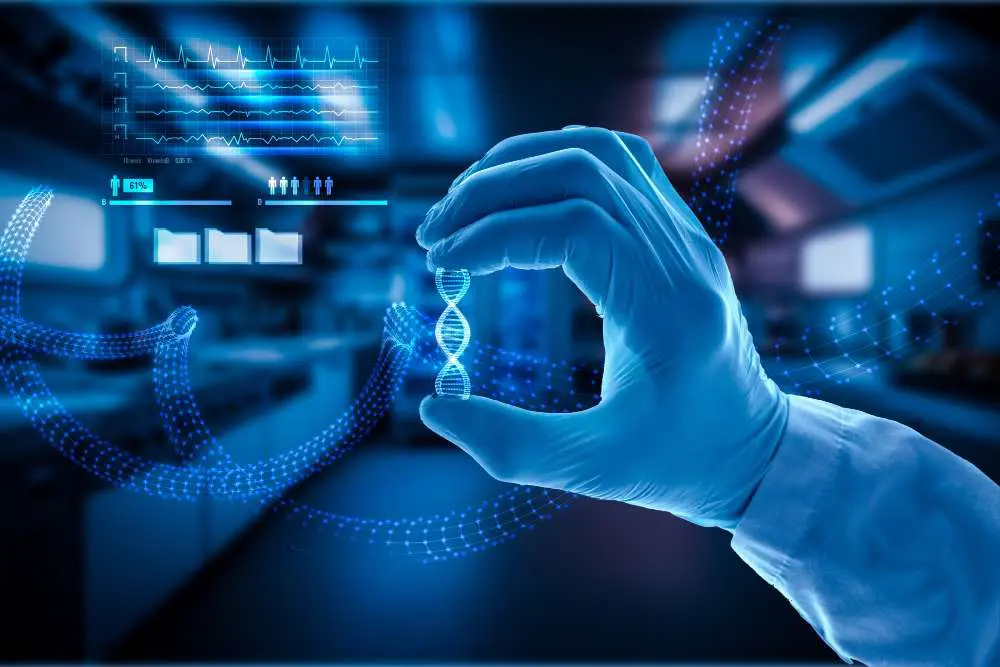
Nanomedicine refers to the medical application of nanotechnology—manipulating materials at the molecular or atomic level—to develop diagnostic tools, drug delivery systems, and treatment platforms.
Core Components of Nanomedicine
- Nanoparticles: Engineered to carry medications or genetic material to specific sites in the body.
- Nanocarriers: Precise drug delivery vehicles tailored to release medications in targeted areas.
- Biodegradable Nanomaterials: Designed to degrade safely within the body, minimizing long-term side effects.
These advancements enhance therapeutic effectiveness while reducing side effects, offering clinics a major upgrade over traditional methods.
Targeted Drug Delivery: The Game-Changer
Among the most impactful uses of nanomedicine is its ability to deliver drugs directly to affected tissues.
Benefits for Clinics and Patients
- Precision Targeting: Nanoparticles target diseased cells—like cancer cells—sparing healthy tissue.
- Reduced Toxicity: Fewer side effects improve patient comfort and compliance.
- Increased Drug Efficacy: High drug concentration at disease sites leads to better outcomes.
This precise targeting is being supported by clinic software that can track dosages and outcomes for continual optimization.
Advanced Diagnostics Through Nanotechnology
Nano healthcare technologies are revolutionizing diagnostic capabilities, enabling earlier detection and more accurate assessments.
Diagnostic Innovations
- Enhanced Imaging: Nanoparticles improve clarity in MRI, PET, and CT scans.
- Early Detection: Tumor-targeting particles identify cancers before they become symptomatic.
- Biomarker Monitoring: Nanosensors measure disease markers in bodily fluids like blood or saliva.
Modern clinic EMR platforms now support these advanced diagnostic tools by logging nanotech-generated data into comprehensive patient records.
Nanomedicine in Preventive and Therapeutic Care
Beyond detection and delivery, nanomedicine is influencing how clinics manage and prevent diseases.
Application in Clinical Practice
- Antimicrobial Treatments: Nanoparticles disrupt bacterial and viral replication.
- Cardiovascular Care: Nanocarriers deliver clot-busting drugs to arteries with pinpoint accuracy.
- Oncology: Functionalized nanoparticles improve chemotherapy and radiotherapy effectiveness.
These therapies can be tracked through clinic management platforms that provide real-time monitoring and automated alerts.
Regenerative Medicine Gets a Boost
Nanomedicine is also transforming regenerative medicine, particularly in fields like orthopedics, dermatology, and neurology.
Regenerative Innovations
- Wound Healing: Nanomaterials speed up recovery and reduce scar formation.
- Organ and Tissue Repair: Growth factors and stem cells are guided to injury sites.
- Neuroregeneration: Nanoparticles facilitate the regrowth of damaged neurons and synapses.
With healthcare software platforms, clinics can now integrate regenerative tracking with patient history, therapy plans, and recovery timelines.
Next-Gen Vaccines and Immune Therapies
Nano healthcare technologies are playing a pivotal role in vaccine and immunotherapy development.
Contributions to Immunization
- Stable Delivery: Nanoparticles protect antigens until they reach immune cells.
- Stronger Responses: Controlled release mechanisms boost immune efficiency.
- Simplified Logistics: Nanoparticle-based vaccines are easier to produce and distribute globally.
This is especially relevant in preventive care workflows managed via intelligent clinic EMR systems.
Antibacterial and Antiviral Defense at the Nanoscale
In an age of rising antibiotic resistance and emerging pathogens, nanomedicine provides essential new tools.
Cutting-Edge Innovations
- Antibacterial Nanomaterials: Physically disrupt bacterial membranes.
- Antiviral Nanoparticles: Block virus entry and replication at the cellular level.
These defense strategies are being logged and managed in real-time with EMR software that automates risk detection and treatment adjustments.
Nanomedicine and Environmental Health
The principles behind nanomedicine are also applicable in environmental safety, particularly in ensuring clinic hygiene and patient well-being.
Broader Implications
- Water Filtration: Nanomaterials purify water supplies in healthcare facilities.
- Air Quality: Nano-filters capture pathogens and pollutants from indoor air.
- Waste Reduction: Biodegradable nanomaterials minimize environmental footprint.
Clinic administrators using clinic management software are now exploring these cross-disciplinary innovations.
Future Trends: What’s Next for Nanomedicine?
Research is expanding the boundaries of what nanomedicine can achieve, from smart therapies to personalized drug designs.
Emerging Technologies
- Smart Nanocarriers: Respond to pH or temperature changes to release drugs only at disease sites.
- Cell-Mimicking Particles: Camouflage themselves with natural cell membranes to avoid immune detection.
- Tailored Therapies: Match nanoparticle characteristics to individual genetic and microbiome profiles.
These breakthroughs are already being explored within AI in health data analytics platforms and doctors dashboards.
Practical Implementation in Modern Clinics
Integrating nano healthcare technologies into daily practice can seem daunting—but with the right digital infrastructure, it’s seamless.
Implementation Strategies
- Inventory Optimization: Use AI in inventory management to stock nanoparticle-based drugs.
- Smart Billing: Leverage AI billing tools for nanomedicine treatments.
- Patient Engagement: Enhance communication and education with AI-driven patient engagement platforms.
Modern clinics using clinic management software can incorporate these tools effortlessly.
Conclusion: Nanomedicine and the Future of Smart Healthcare
Nanomedicine and nano healthcare technologies are no longer futuristic—they’re already transforming real-world clinics. From early detection and regenerative healing to advanced immunotherapies, these tiny innovations are driving massive change. By integrating clinic software, EMR software, and healthcare software solutions, clinics can stay ahead in delivering next-generation care.
To explore how EasyClinic can help your clinic adopt nanomedicine-ready systems, contact us today.