How AI Is Bringing Hospital-Grade Testing Into Everyday Clinics
A patient at a small clinic needs an ultrasound — or an ECG read, or a chest film interpreted. The clinic has neither the equipment nor the specialist on hand, so the patient is referred out: to a diagnostic centre across town, or a hospital, days later, with the cost, travel, and delay that come with it. Many never go at all. The clinic loses the revenue, the patient loses time and sometimes the diagnosis entirely, and a treatable condition quietly worsens in the gap between the visit and the test that never happened. For decades, “advanced diagnostics” simply meant “somewhere else.”
In 2026, that is changing fast, and point-of-care diagnostics is the reason. A scanner the size of a phone, guided by AI, can now place diagnostic-quality imaging in the hands of an ordinary clinician — no dedicated room, no specialist sonographer, no referral required. The shift this year is that affordable, portable, AI-guided devices have collapsed the old choice between owning expensive specialist equipment and sending every test away. The result is that the diagnosis — and the patient, and the revenue — can finally stay in the clinic.
This article is about that shift — why referring diagnostics out quietly costs clinics and patients so much, how AI is bringing testing to the bedside, and how a normal clinic in India can offer more without compromising safety.
The Core Problem Clinics Face
For most everyday clinics, the diagnostic ceiling is low by default. Advanced testing has always required costly machines and scarce specialists, so the rational choice was to refer patients elsewhere for anything beyond the basics. That single decision — “we don’t do that here” — carries a surprisingly heavy price, paid three times over.
The clinic pays for the lost revenue and lost continuity, as the diagnosis, and often the patient, moves to whoever does the test. The patient pays it in time, travel, and cost, and too often in a diagnosis that never happens because they simply do not follow through on the referral. And care itself pays it in delay: a condition that could have been caught on the spot instead festers in the days or weeks it takes to be seen elsewhere. In a country where a patient may travel far to reach a clinic in the first place, “come back after you’ve had a scan somewhere else” is frequently the end of the story, not a step in it. Modern point-of-care diagnostics exist precisely to close that gap.
So the real problem is not “Are we a capable clinic?” Often, the clinical judgement is excellent. It is sharper: how much diagnosis, revenue, and follow-through are we losing every week simply because the test has to happen somewhere else — and what if it no longer did?
Why This Problem Is Getting Worse
Three forces are widening the gap — and making the solution more urgent.
First, the need for early detection is rising. The growing burden of non-communicable diseases means more patients need timely imaging and testing to catch problems early. Every delay caused by a referral is a delay in detection, at exactly the moment early detection matters most.
Second, specialists and infrastructure are scarce. There are simply not enough sonographers, radiologists, and diagnostic centres to serve everyone quickly, especially outside big cities. Patients in smaller towns and rural areas face the longest waits and the greatest drop-off, so the clinics serving them lose the most to referrals.
Third, patients drop out of referral chains. Every extra step — another appointment, another location, another payment — is a point at which a patient can be lost. The more a clinic must send away, the more diagnoses quietly slip through the cracks. This is the leakage that in-clinic diagnostic devices are built to stop.
Rethinking the Problem: Bring the Test to the Patient
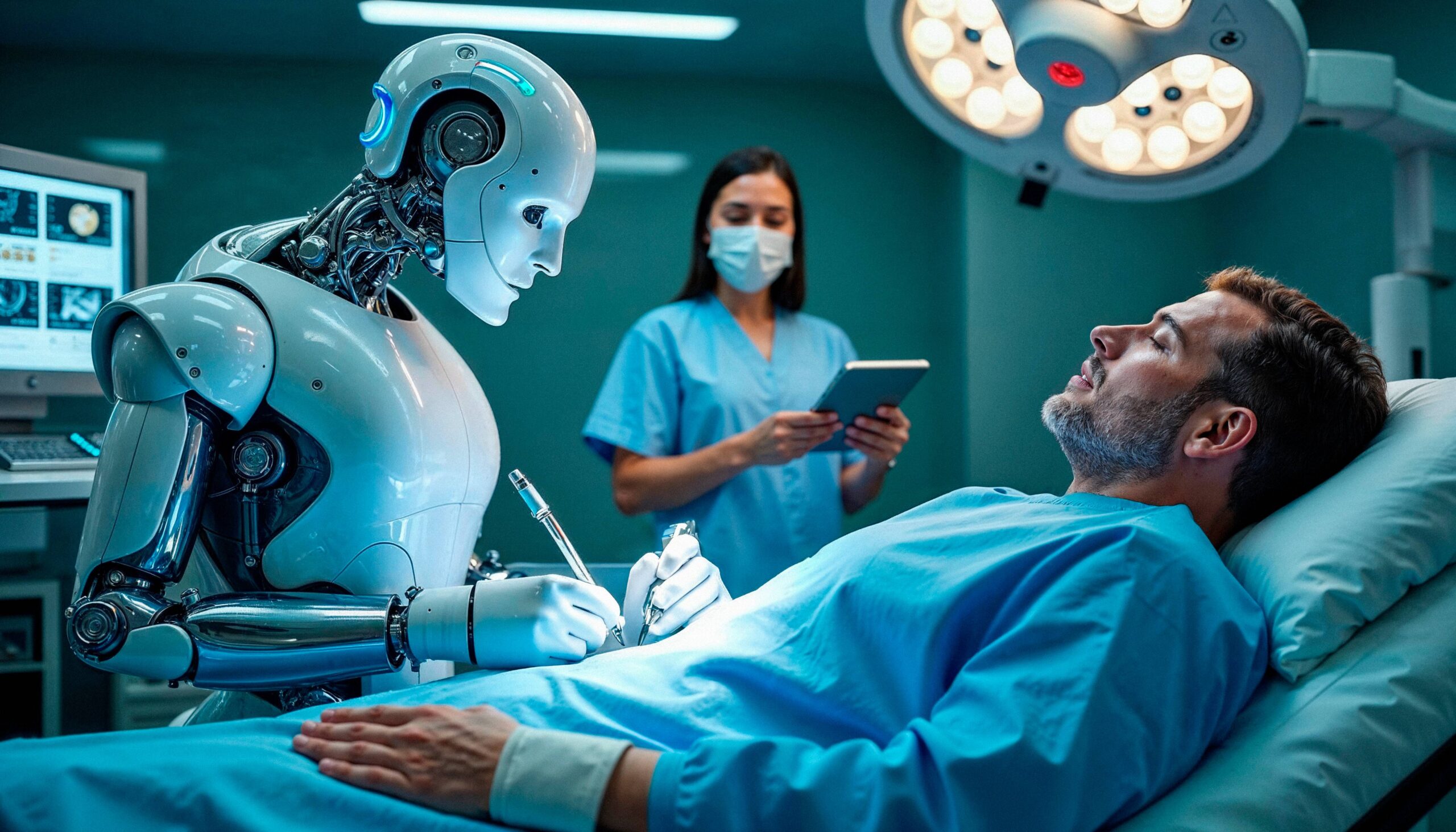
The mistake is to assume advanced diagnostics must belong to specialists in dedicated facilities. That was true when the equipment was bulky, and its interpretation demanded years of training. But AI has changed both halves of that equation: devices have shrunk to pocket size, and AI can now guide a non-specialist to capture a good image and help interpret it. The test no longer has to travel to the expert; the capability can come to the patient.
The shift in 2026 is to treat diagnostics as something a clinic does, not only something it orders. An AI-guided handheld ultrasound can complete a focused scan in a fraction of the time a traditional workup takes, with AI coaching the user toward diagnostic-quality images. Studies have shown novices reaching accuracy close to that of experienced scanners with such guidance. The reframe is simple: stop sending every test away, and start bringing the ones you safely can to the point of care — where the patient already is.
How EasyClinic Supports the Point-of-Care Diagnostics Shift
The way EasyClinic fits this shift is important to state honestly: it is not a scanner, and it does not perform or interpret the test. What it does is make the new capability actually count — because a diagnostic result only creates value if it is captured, acted on, billed, and followed up, and that is exactly where a clinic’s system either helps or fails.
In practice, that means when a clinic performs a point-of-care test, the result flows straight into the patient’s clinical record rather than living on a device or a slip of paper. The new service can be ordered, tracked, and billed properly, so the clinic actually captures the revenue it is now keeping in-house. Follow-up is scheduled so a finding is never lost. And because everything sits in one clinic management software, the diagnostic capability becomes a real, managed part of the clinic’s workflow instead of a disconnected gadget. The device brings the test to the patient; the system makes sure the result changes their care.
The Recent Point-of-Care Diagnostics Trends Worth a Clinic’s Attention
Here are the developments actually changing what an everyday clinic can offer this year.
1. AI-guided imaging for non-specialists. The headline shift is AI that coaches an ordinary clinician to capture a diagnostic-quality scan and helps flag findings. This is what turns a specialist-only skill into something a trained generalist can safely use, dramatically widening who can perform point-of-care diagnostics.
2. Diagnostics reaching primary and rural care. Portable, affordable devices are bridging gaps in resource-limited settings, bringing imaging to primary care and rural clinics that never had it. For India, this is the most consequential trend of all — catching disease where the diagnostic deserts have always been.
3. Beyond ultrasound. The wave extends across handheld ultrasound, AI-read ECGs, AI interpretation of chest X-rays — including Indian tools detecting tuberculosis with high accuracy — and AI-assisted retinal cameras. The common thread is diagnostic devices that pair simple hardware with intelligent software.
4. Faster answers and less leakage. On-the-spot testing means a patient gets an answer in the same visit rather than being sent away, which both improves care and stops the referral drop-off that quietly costs clinics diagnoses and revenue.
5. Training and oversight remain essential. The honest, crucial caveat: these tools deliver reliable results only when used within defined protocols by trained clinicians, with specialist oversight for complex cases. AI supports the clinician; it does not replace clinical judgement or the expertise a hard case still demands.
What Clinics Notice After Implementation
The change shows up quickly, in both the patient journey and the clinic’s books.
| Area | The “refer it out” past | With AI point-of-care diagnostics |
|---|---|---|
| Diagnostic capability | Basics only, rest referred | Expanded, safely, in-house |
| Patient journey | A second trip elsewhere | An answer in the same visit |
| Time to diagnosis | Days or weeks | Often minutes |
| Referral drop-off | Diagnoses lost in the gap | Captured on the spot |
| Revenue | Sent to the referral centre | Kept in the clinic |
| The result | On a device or a slip | In the record, acted on |
The numbers matter, but what the line owners repeat most is simpler: patients started getting answers before they left.
How the Patient Experience Quietly Improves
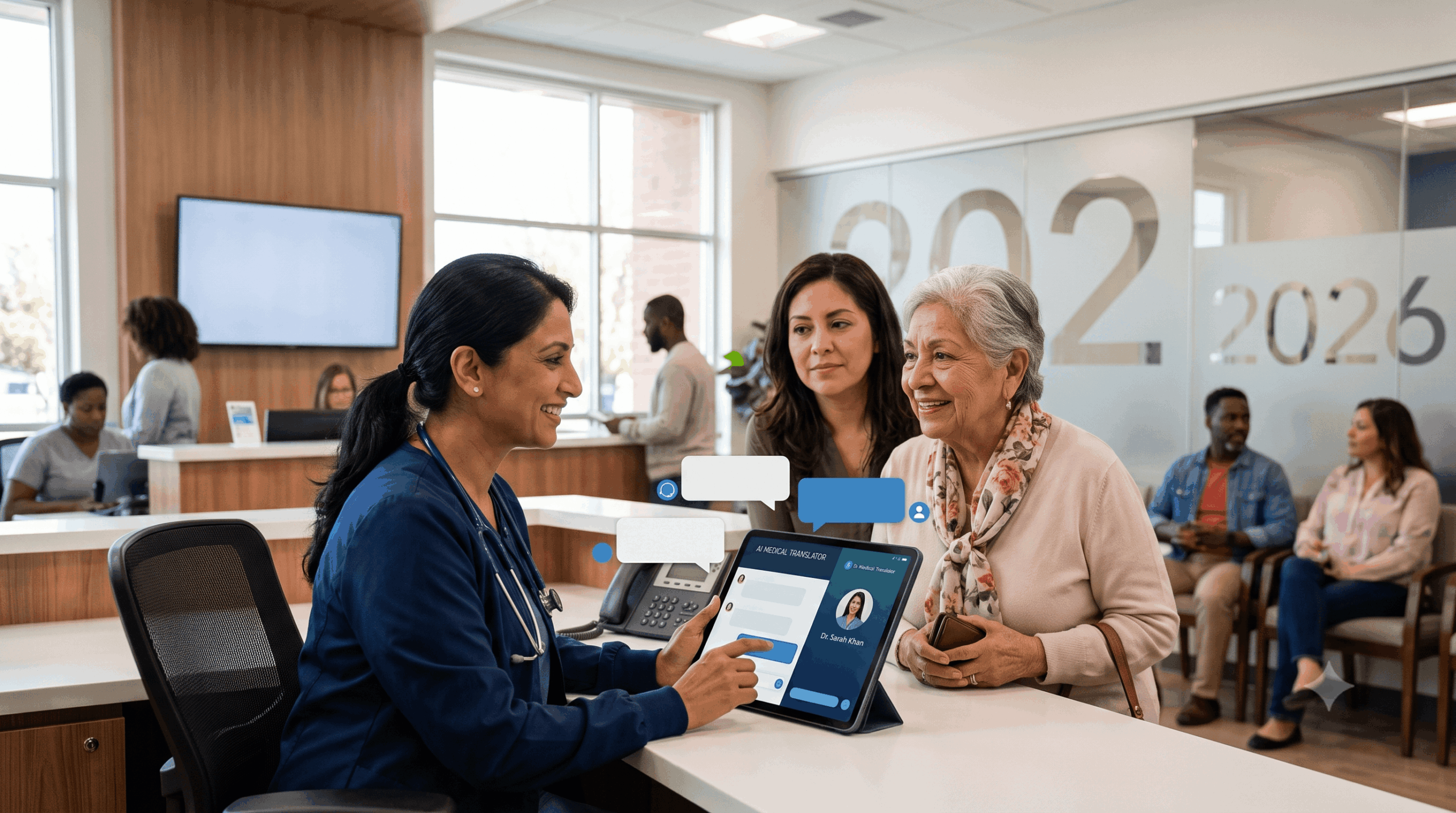
For patients, this is the difference between an answer today and an uncertain journey elsewhere. Instead of leaving with a referral slip and a vague worry, they get tested during the visit they already made, often with a result before they walk out the door. That spares them another trip, another cost, and another anxious wait — burdens that fall hardest on the elderly, the rural, and those who can least afford to travel. Earlier answers also mean earlier treatment, which is often the whole game in conditions where time matters. A patient who can be diagnosed where they already are, by a clinician they already trust, experiences care as something that finally comes to them. The real promise of point-of-care diagnostics is not a gadget in the clinic; it is a patient who gets their answer sooner, closer, and with far less lost along the way.
Why EasyClinic Is Built for This Moment
Owners considering a new diagnostic capability quickly realise the device is only half the story. A scan that is not recorded, a result that is not billed, a finding that is not followed up — these turn a promising investment into a missed opportunity. The clinics that benefit pair the right device with a system that turns each result into managed, revenue-generating, well-followed-up care.
That is the lane EasyClinic is designed for. It is built for clinics in India, where expanding access to diagnostics could not matter more, and where every captured diagnosis and every properly billed service count. By recording point-of-care results in the patient’s record, letting the new service be ordered and billed cleanly, ensuring findings are followed up, and holding it all in one clinic management software, it makes the new diagnostic capability a genuine, sustainable part of the practice rather than an underused gadget. It does not perform the test or replace the clinician’s judgement — trained use and specialist oversight remain essential — and it handles patient data with DPDP-aligned care. The goal is to help clinics safely offer more and make sure every result they generate actually improves a patient’s care.
10 FAQs Clinic Owners Actually Ask
1. What is point-of-care diagnostics, in plain terms? It means running diagnostic tests — like ultrasound, ECG, or certain scans — at the clinic during the patient’s visit, rather than referring them elsewhere. AI-guided devices now make this possible for ordinary clinicians, not just specialists.
2. Can a small clinic realistically afford and use this? Increasingly, yes. Diagnostic devices have become far more portable and affordable, and AI guidance lowers the skill barrier. The larger point is that keeping tests in-house can pay for itself by retaining revenue and patients previously referred away.
3. Does AI really let a non-specialist perform a scan? With proper training, it helps considerably — AI coaches the user toward good images and flags findings, and studies show novices reaching accuracy near that of experienced scanners. It is an aid to a trained clinician, not a shortcut around training.
4. Is it accurate and safe enough to rely on? Within defined protocols and with trained users, focused point-of-care tests can be highly reliable. But they require oversight, and complex cases still need specialist interpretation. The technology supports judgement; it does not replace it.
5. Which tests can clinics actually bring in-house? Commonly, AI-guided handheld ultrasound, AI-read ECGs, AI interpretation of chest X-rays, and retinal imaging, among others. The right mix depends on your patients and your clinicians’ training.
6. Does this genuinely reduce referrals and add revenue? Yes — that is much of the appeal. Answering a test in the same visit stops the referral drop-off, keeps the associated revenue in the clinic, and improves the patient experience, all at once.
7. Do I still need specialists and diagnostic centres? Absolutely, for complex cases, confirmation, and oversight. Point-of-care diagnostics handles the focused, common questions on the spot; it complements specialist services rather than replacing them.
8. Is this especially relevant for rural clinics? Very much so. Rural and underserved areas suffer the worst diagnostic access and the highest referral drop-off, so bringing safe, AI-guided testing closer to patients has the greatest impact there.
9. How do the results fit into my records and billing? That is exactly where a clinic system matters. Results should flow into the patient’s record,d and the new service should be billable and trackable within your clinic management software, so the capability is properly managed and monetised.
10. Where should a clinic start? Start with one high-value test your patients frequently need, and your clinicians can be trained to perform safely. Get the device, the training, and the record-and-billing workflow right together, then expand.
Conclusion
For most of medicine’s history, advanced diagnostics lived behind a wall of cost and specialist skill, and everyday clinics could only point patients toward it. In 2026, AI is quietly dismantling that wall — putting diagnostic-quality testing, safely and affordably, into the hands of ordinary clinicians. That is what point-of-care diagnostics delivers: answers in the same visit, diagnoses caught before they slip away, and care that comes to the patient instead of sending them chasing it elsewhere.
Clinics that understand this stop treating diagnostics as something only others can do and start offering, safely and within their limits, more of what their patients need. The result is not a reckless clinical playing specialist. It is a more capable and more caring one — where more answers arrive on the spot, more diagnoses are captured, and the value of every test finally stays with the clinic and the patient it was meant to serve.
Take the Next Step
If your clinic wants to safely offer more diagnostics and keep every result working for it, see how EasyClinic records point-of-care results, manages the service, and ensures follow-up in one connected system — and explore the platform built for everyday clinics when you are ready to begin.