How AI and Wearables Are Helping Clinics Prevent Emergencies Before They Happen
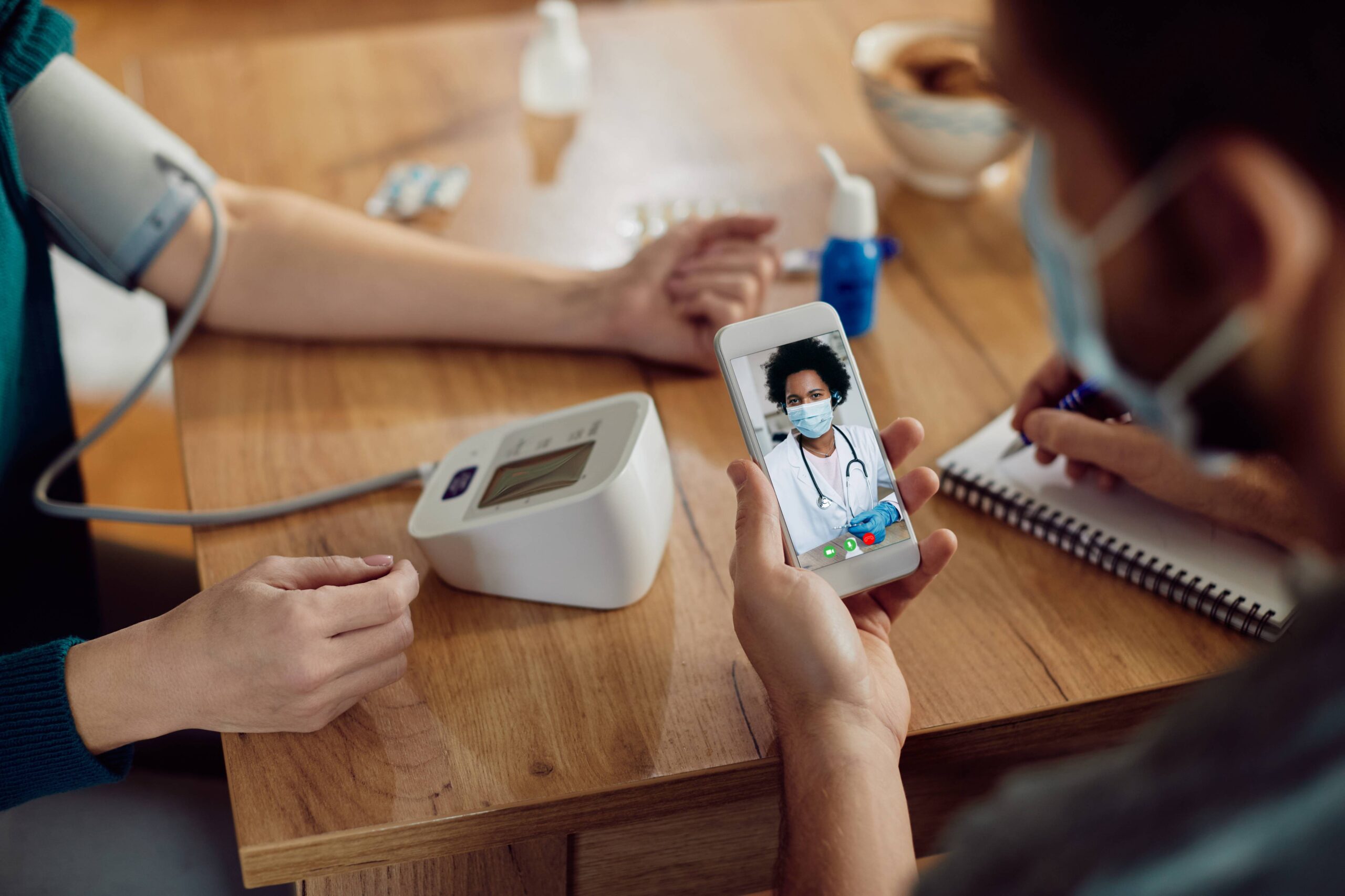
A patient with hypertension visits a clinic in India and says, “My BP is usually fine, doctor, but sometimes I feel uneasy at night.” Another patient with diabetes says, “My sugar goes up and down, but I forgot to note the readings.” For years, doctors have had to make decisions based on patient memory, scattered notebooks, and one-time clinic readings. This is exactly where the remote patient monitoring system is changing modern healthcare.
In simple terms, a remote patient monitoring system allows clinics to track patient health data outside the clinic using connected devices such as smartwatches, blood pressure monitors, pulse oximeters, ECG patches, and continuous glucose monitors. When paired with AI, this data can help doctors notice patterns earlier, guide follow-ups better, and shift care from reactive treatment to preventive care.
For clinics in India, this matters because chronic diseases like diabetes, hypertension, heart disease, respiratory conditions, and obesity are becoming everyday realities. Wearable devices and AI-supported monitoring are increasingly being used for chronic disease management, helping clinicians track health signals beyond the consultation room. (PMC)
What The Core Problem Clinics Face With Remote Patient Monitoring
Most clinics still work around a simple model: the patient visits, the doctor checks vitals, listens to symptoms, writes advice, and asks the patient to return later.
This works for many acute concerns. But chronic conditions behave differently.
Blood pressure changes throughout the day. Glucose levels shift after meals, exercise, stress, sleep, and medication. Heart rate can rise at unexpected times. Oxygen levels may fall during sleep or illness. Weight trends change slowly and may be missed during short visits.
Without a remote patient monitoring system, doctors often see only a tiny snapshot of the patient’s health.
Common problems include:
- Patients forgetting home readings
- Manual logs that are incomplete or inaccurate
- Delayed follow-ups after abnormal readings
- Doctors making decisions with limited data
- Front desk teams are calling patients repeatedly
- Chronic patients visit only after symptoms worsen
- No structured way to track progress between visits
- Difficulty identifying risk patterns early
This is why remote patient monitoring is becoming important for modern clinics. It helps doctors understand what is happening between consultations.
Why This Problem Is Getting Worse In India
India’s healthcare system is seeing a growing chronic disease burden. Patients are living with long-term conditions that need ongoing monitoring, not just occasional treatment.
At the same time, patients are becoming more digitally active. Many already use smartwatches, fitness bands, glucose monitors, BP machines, and mobile health apps. India’s wearable medical devices market was estimated at USD 1.2 billion in 2025 and is projected to grow strongly through 2034, driven by applications including remote patient monitoring and home healthcare. (IMARC Group)
This means clinics will increasingly receive health data from patients. The challenge is not only collecting that data. The challenge is making it clinically useful.
If a patient shows a doctor 90 smartwatch screenshots, the doctor cannot act efficiently. But if the clinic has a structured system that highlights trends, flags abnormal patterns, and connects readings to patient records, the same data becomes valuable.
That is where AI remote patient monitoring becomes powerful.
Rethinking The Problem: Care Should Not Start Only When Patients Feel Worse
Traditional care is often reactive. A patient feels worse, books an appointment, waits, visits the clinic, and then receives a treatment adjustment.
But chronic disease care should ideally become more preventive.
A remote patient monitoring system changes the question from “What is wrong today?” to “What has been changing over time?”
That shift matters.
A doctor can see whether blood pressure is rising slowly. A diabetes patient’s glucose spikes can be reviewed in context. A cardiac patient’s heart rate or rhythm alerts can be escalated earlier. A respiratory patient’s oxygen saturation trend can guide timely review.
The goal is not to create panic from every device reading. The goal is to identify meaningful patterns early enough for clinical action.
Remote Patient Monitoring Versus Traditional Follow-Up
| Care Area | Traditional Clinic Workflow | Remote Patient Monitoring Workflow |
| Patient readings | Shared from memory or paper logs | Captured through wearable health devices and connected tools |
| Chronic care | Reviewed only during visits | Tracked between visits with trend visibility |
| Follow ups | Based on fixed dates or symptoms | Guided by readings, alerts, and doctor review |
| Doctor decision-making | Based on limited visit data | Supported by a continuous patient context |
| Staff workload | Manual calls and reminders | More structured follow-up workflows |
| Patient engagement | Drops after consultation | Continues through monitoring and reminders |
| Emergency risk | Often noticed late | Abnormal patterns may be flagged earlier |
| Clinic operations | Reactive and fragmented | More proactive and organised |
This table shows why the remote patient monitoring system is not just a gadget trend. It is a new model for ongoing care.
How EasyClinic Solves This In Practice
EasyClinic helps clinics build the digital foundation needed for proactive patient care. Wearable health devices and connected monitors are useful, but clinics still need one organised place for patient records, appointments, prescriptions, billing, and follow-ups.
Imagine a patient with diabetes. The patient uses a glucose monitoring device at home. Instead of bringing scattered readings to the clinic, the care journey becomes more structured. The doctor reviews patient history, recent readings, previous prescriptions, lifestyle notes, and follow-up plans in one workflow.
This is how the remote patient monitoring system becomes practical for clinics.
EasyClinic supports clinics with:
- Digital patient records
- Appointment workflows
- Prescription management
- Billing coordination
- Follow-up tracking
- Chronic care history
- Staff coordination
- Clinic analytics
Clinics can explore these capabilities through the EasyClinic features page. When clinics are planning digital transformation, they can also review EasyClinic pricing to understand implementation fit.
How Wearable Health Devices Support Preventive Care
Wearable health devices are changing patient monitoring because they collect data in the background of daily life.
A smartwatch may track heart rate, sleep, activity, and irregular rhythm alerts. A BP monitor can record readings at home. A continuous glucose monitor can show glucose patterns across meals and sleep. A pulse oximeter can help monitor oxygen levels in selected patients.
The real value appears when this data is not treated as random numbers.
With patient monitoring technology, clinics can start looking for:
- Repeated blood pressure spikes
- Night-time glucose changes
- Low activity linked to worsening health
- Abnormal heart rate patterns
- Oxygen saturation changes
- Missed medication or follow-up patterns
- Weight trends in metabolic care
- Recovery progress after illness or procedure
Wearables help doctors see the patient’s real-world health story.
Practical Wow Use Cases Clinics Rarely Think About
1. The Hypertension Patient Whose BP Looks Normal In The Clinic
Some patients show normal blood pressure during the clinic visit but experience high readings at home. Without a remote patient monitoring system, these patterns can be missed.
Home BP tracking can help doctors understand whether the issue is occasional, persistent, stress-related, or medication timing-related. This supports more informed follow-up discussions.
India’s BP monitoring market is also seeing strong attention because hypertension prevalence is high, and home BP monitor usage remains relatively low but growing. (Reuters)
2. The Diabetes Patient With Hidden Night-Time Spikes
A patient may have reasonable fasting sugar but experience spikes after dinner or during late-night hours. A continuous glucose monitor can reveal patterns that a single clinic reading cannot.
This makes the AI remote patient monitoring system useful for diabetes care because the system can help highlight trends rather than isolated readings.
3. The Elderly Patient Who Lives Far From The Clinic
An elderly patient may not be able to visit frequently. Wearables and connected medical devices can help the clinic track selected readings remotely and decide when an in-person review is needed.
This is especially useful for patients in smaller towns, rural areas, or families managing care for older relatives.
4. The Cardiac Patient Who Needs Early Warning Signals
Heart rate trends, rhythm alerts, activity tolerance, and symptom logs can help doctors understand risk better. Healthcare wearables are not a replacement for medical evaluation, but they can support earlier conversations when abnormal patterns appear.
5. The Front Desk That Stops Chasing Every Follow-Up Manually
Many clinics depend on phone calls and staff memory to manage chronic care follow-ups. As patient volume grows, this becomes difficult.
A connected clinic system helps organise reminders, appointment reviews, and patient communication more smoothly.
What Clinics Notice After Implementation
When clinics adopt remote patient monitoring system workflows, the first improvement is visibility.
Doctors no longer depend only on what patients remember. Staff teams can manage follow-ups with more structure. Patients feel that the clinic is paying attention beyond the consultation. Clinic owners gain better insight into chronic care demand.
Clinics may notice:
- Better chronic disease tracking
- Fewer missed follow-ups
- More informed consultations
- Stronger patient engagement
- Reduced dependence on paper logs
- Better patient education
- More organised care plans
- Improved clinic efficiency
Research across Asian healthcare settings has found that internet-based remote monitoring systems can improve chronic disease management through automated monitoring, patient-reported tracking, and personalised communication approaches. (Dove Medical Press)
Patient Experience Transformation
Patients do not always want more clinic visits. They want more confidence between visits.
A remote patient monitoring system gives patients a sense that care is not limited to the consultation room. They feel guided when readings are tracked. They feel safer when abnormal trends are noticed. They feel more accountable when follow-ups are structured.
For patients, this means:
- Less dependence on memory
- Clearer health tracking
- Better chronic care support
- More confidence between visits
- Fewer unnecessary panic visits
- Better preparation before appointments
- More personalised conversations with doctors
This changes the emotional experience of chronic care. Patients no longer feel alone between visits.
Why EasyClinic Is Built For This Problem
EasyClinic is built for clinics that want to move from reactive workflows to smarter, connected care.
A remote patient monitoring system works best when patient readings are connected to the rest of the clinic journey. If monitoring data is separate from records, prescriptions, billing, and follow-ups, clinics still struggle.
EasyClinic helps clinics connect the operational foundation:
- Patient history
- Doctor notes
- Appointment scheduling
- Prescription records
- Follow-up planning
- Billing workflows
- Inventory visibility
- Clinic analytics
This makes EasyClinic a practical platform for clinics preparing for AI-supported chronic care, connected monitoring, and future-ready workflows.
Clinics can visit EasyClinic to explore how digital records and clinic management can support preventive care.
Responsible Use Of AI Remote Patient Monitoring
AI and wearables can improve care, but clinics must use them responsibly.
Not every device reading is clinically meaningful. Not every alert requires emergency action. Not every wearable is medical grade. Doctors need clear protocols for how readings are reviewed, escalated, and documented.
A responsible remote patient monitoring system should include:
- The doctor defined alert thresholds
- Clear patient consent
- Secure data handling
- Staff training
- Human review of important alerts
- Clear emergency guidance
- Device accuracy awareness
- Documentation inside the patient record
Wearable and AI-based remote monitoring systems can support early warning and continuous tracking, but they require proper integration and clinical oversight. (Springer Link)
How Remote Patient Monitoring Helps Clinics Scale Preventive Care
Preventive care is difficult when every interaction requires a clinic visit. Remote patient monitoring helps clinics extend care without increasing the burden in the same way.
A doctor can review trends before a visit. The front desk can schedule follow-ups based on care plans. Patients can share updates more consistently. Clinic owners can understand chronic care demand.
This supports:
- Better diabetes care programs
- Better hypertension follow-up
- Better elderly care coordination
- Better cardiac risk monitoring
- Better post-procedure tracking
- Better preventive health packages
- Better long-term patient retention
This is how clinics shift from one-time visits to ongoing care relationships.
10 FAQs
1. What is remote patient monitoring?
A remote patient monitoring system is the use of connected devices and digital systems to track patient health data outside the clinic and support ongoing care.
2. How does AI remote patient monitoring work? An
AI remote patient monitoring system uses AI to analyse patient readings, identify trends, flag abnormal patterns, and support doctors with more organised information.
3. What wearable health devices are used in clinics?
Common wearable health devices include smartwatches, fitness bands, ECG patches, pulse oximeters, blood pressure monitors, and continuous glucose monitors.
4. Can remote patient monitoring help diabetes patients?
Yes. A remote patient monitoring system can support diabetes care by tracking glucose patterns, improving follow-up discussions, and helping doctors understand trends between visits.
5. Can remote patient monitoring help hypertension patients?
Yes. Home BP tracking and connected monitors can help doctors understand blood pressure patterns beyond one clinic reading.
6. What is patient monitoring technology?
Patient monitoring technology includes devices, apps, sensors, and digital platforms that collect and organise health data for clinical review.
7. Are healthcare wearables accurate enough for medical care?
Some healthcare wearables are useful for tracking trends, but clinics should understand device limitations and rely on doctor review for clinical decisions.
8. Does EasyClinic support chronic care workflows?
EasyClinic helps clinics manage records, appointments, prescriptions, billing, follow-ups, and patient history, which supports chronic care workflows.
9. Does remote monitoring replace clinic visits?
No. A remote patient monitoring system supports care between visits, but in-person consultations and doctor evaluation remain important.
10. Where can clinics explore EasyClinic?
Clinics can visit EasyClinic, explore features, or review pricing for implementation planning.
Conclusion
A remote patient monitoring system is changing chronic care by helping clinics understand what happens between appointments. Instead of waiting for patients to feel worse, doctors can review trends, identify warning patterns, and support preventive care more effectively.
For clinics in India, this shift is especially important. Diabetes, hypertension, cardiac conditions, and other chronic diseases need ongoing visibility. Wearable health devices, AI remote patient monitoring, patient monitoring technology, and healthcare wearables can help clinics move from reactive treatment to proactive care.
But devices alone are not enough. Clinics need connected records, appointments, prescriptions, billing, follow-ups, and analytics to make monitoring useful.
EasyClinic helps clinics build that connected foundation. To prepare your clinic for smarter chronic care and future-ready patient monitoring workflows, explore EasyClinic and its complete clinic management features.