Staying informed about Revolutionary Medical Advancements is crucial for doctors and healthcare practitioners committed to offering state-of-the-art patient care. In 2025, new treatments and healthcare innovations promise to transform clinical practice and patient outcomes dramatically. This guide highlights the top five breakthrough treatments every doctor must know to enhance their clinical expertise and stay competitive.
Why Medical Advancements Matter for Doctors
Embracing medical advancements allows doctors to deliver advanced care, improve patient outcomes, and maintain their competitive edge. Innovations in treatments continually redefine the medical landscape, making ongoing education essential for healthcare providers.
1. CRISPR Gene Editing for Genetic Disorders
CRISPR technology is among the most promising medical advancements, enabling precise modifications in the genetic code to treat hereditary conditions.
Benefits of CRISPR in Healthcare
- Targeted treatment for genetic disorders
- Potential cure for previously untreatable diseases
- Reduction in genetic disease prevalence
Learn more about related healthcare innovations on EasyClinic’s resource page.
2. Personalised Cancer Vaccines
Personalised cancer vaccines represent a significant healthcare innovation by utilising patient-specific tumour information to stimulate an immune response.
Advantages of Personalised Cancer Vaccines
- Increased effectiveness compared to traditional treatments
- Lower side effects and improved patient comfort
- Customised approach based on individual genetic profiles
Explore more on innovative treatment methods at EasyClinic.
3. Artificial Intelligence in Diagnostics
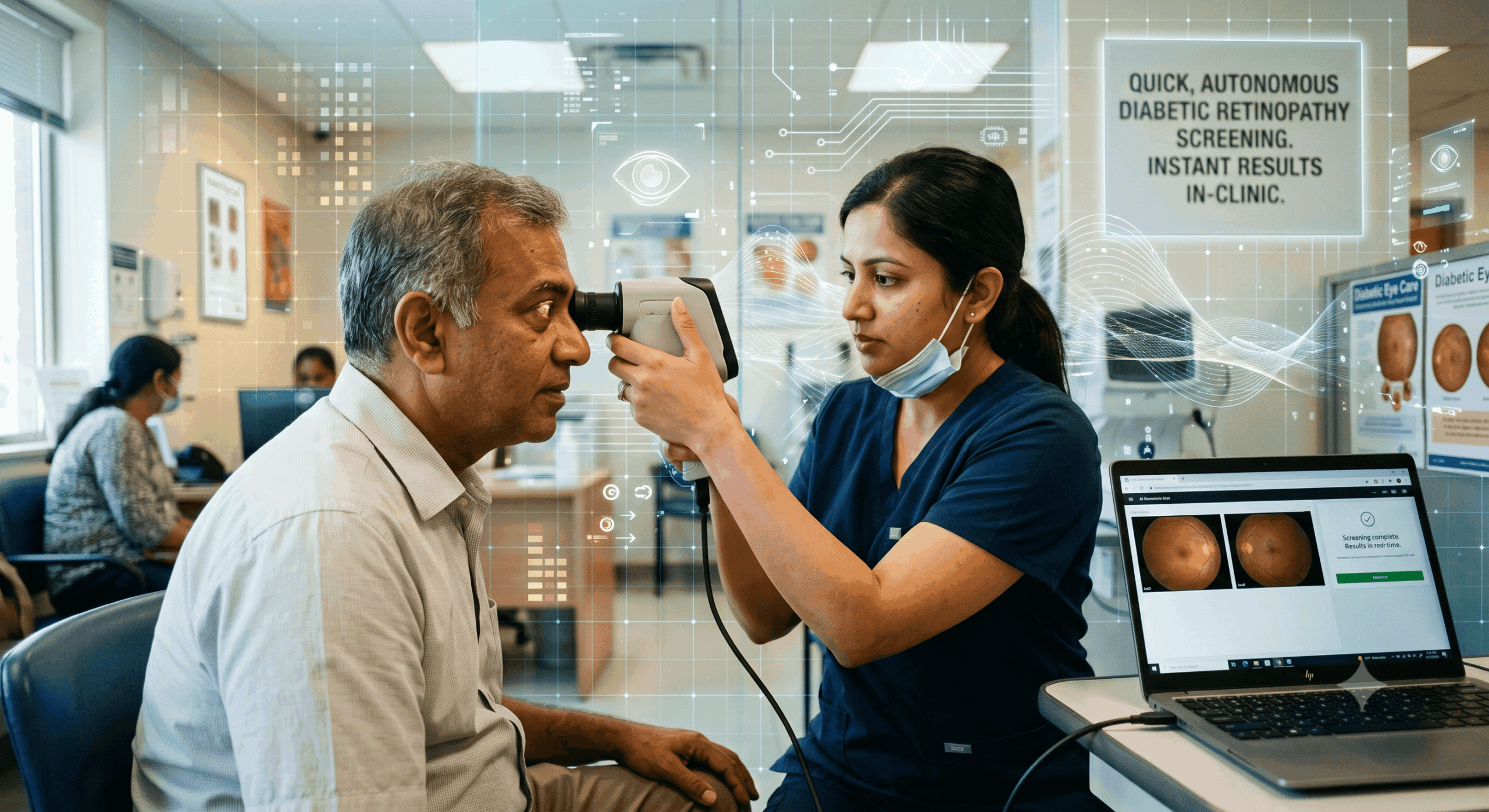
AI is reshaping diagnostics by providing accurate, rapid, and early detection of diseases through sophisticated algorithms.
Impact of AI on Medical Diagnosis
- Early detection of complex diseases
- Enhanced diagnostic accuracy
- Streamlined workflow for healthcare providers
Integrate cutting-edge diagnostic tools into your practice with insights from EasyClinic’s guide.
4. Telemedicine and Virtual Reality in Patient Care
Telemedicine combined with virtual reality (VR) technology is enhancing remote patient care, significantly broadening healthcare accessibility.
Advantages of Telemedicine and VR
- Improved patient accessibility
- Enhanced patient-provider interactions
- Cost-effective remote treatment options
Discover effective telemedicine solutions for your clinic on EasyClinic’s dedicated page.
5. 3D Bioprinting for Organ and Tissue Repair
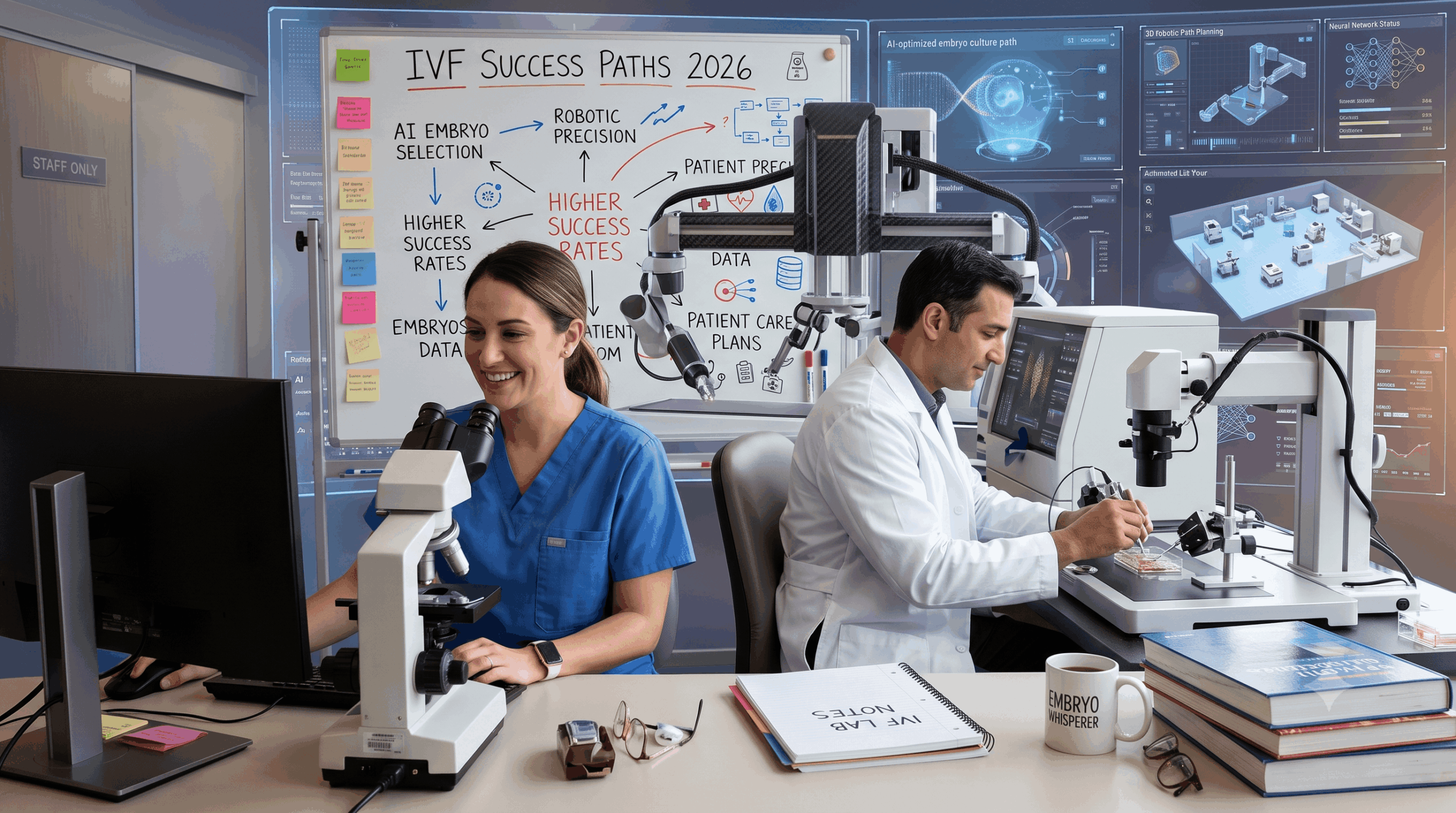
3D bioprinting marks an impressive advancement in regenerative medicine, offering solutions for organ and tissue replacement.
Benefits of 3D Bioprinting
- Customised tissue and organ development
- Reduced dependency on donor organs
- Improved surgical outcomes and recovery
How Revolutionary Medical Advancements Are Reducing Doctor Burnout in 2025
Revolutionary medical advancements are not only transforming patient outcomes but also reshaping how doctors work. In 2025, automation, AI-assisted diagnostics, and precision therapies will reduce repetitive clinical workload and decision fatigue.
Doctors now rely on intelligent systems to summarise patient data, flag risks, and suggest evidence-based treatments. This allows clinicians to focus more on patient interaction and complex decision-making rather than administrative tasks.
Key benefits include:
• Faster clinical decision support
• Reduced documentation burden
• Better work-life balance for practitioners
Revolutionary medical advancements are becoming a critical tool for sustainable medical practice, not just innovation.
What Makes Revolutionary Medical Advancements Different From Past Breakthroughs
Unlike earlier medical innovations that improved isolated treatments, revolutionary medical advancements in 2025 operate across entire care ecosystems. They combine genetics, AI, remote care, and regenerative medicine into unified treatment pathways.
What sets today’s advancements apart:
• Data-driven personalisation at scale
• Predictive rather than reactive care
• Continuous learning systems improving outcomes over time
This shift marks a move from episodic treatment to precision-guided lifelong care.
Why Doctors Who Ignore Revolutionary Medical Advancements Will Fall Behind
Healthcare is entering a competitive, value-based era. Clinics and doctors who fail to adopt revolutionary medical advancements risk:
• Lower patient trust
• Poor clinical outcomes
• Inefficient workflows
• Reduced referral credibility
Patients increasingly expect modern diagnostics, minimally invasive treatments, and digital accessibility. Doctors aligned with revolutionary medical advancements will define the next generation of trusted healthcare providers.
How Revolutionary Medical Advancements Are Personalising Treatment Like Never Before
Personalisation is the cornerstone of revolutionary medical advancements. Treatments are now guided by:
• Genomic data
• Lifestyle indicators
• Disease progression patterns
• Real-time monitoring
From oncology to cardiology, doctors can design therapies unique to each patient rather than relying on generalised protocols. This reduces adverse reactions and improves long-term success rates.
What Role AI Plays in Accelerating Revolutionary Medical Advancements
Artificial intelligence is the engine powering revolutionary medical advancements. AI models analyse millions of clinical data points to:
• Predict disease progression
• Detect abnormalities earlier
• Optimise treatment plans
• Reduce diagnostic errors
In diagnostics, AI acts as a second clinical brain, supporting faster and safer decision-making without replacing physician judgment.
How Revolutionary Medical Advancements Are Reshaping Preventive Healthcare
Preventive care is no longer limited to annual checkups. Revolutionary medical advancements enable continuous risk detection, allowing doctors to intervene before symptoms escalate.
Examples include:
• AI-based risk scoring
• Wearable-driven health monitoring
• Predictive genetic screening
This proactive approach reduces hospitalisations and improves population-level health outcomes.
When Clinics Should Start Preparing for Revolutionary Medical Advancements
The best time to prepare was yesterday. The second-best time is now.
Clinics should begin by:
• Training staff on emerging technologies
• Updating clinical workflows
• Integrating digital diagnostics and analytics
• Establishing ethical review protocols
Early adopters of revolutionary medical advancements gain long-term operational and clinical advantages.
Why Ethical Governance Is Essential for Revolutionary Medical Advancements
With great innovation comes responsibility. Revolutionary medical advancements raise critical ethical questions around:
• Genetic modification
• AI bias
• Data privacy
• Access equity
Clinics must implement strong governance frameworks to ensure innovation benefits all patients safely and ethically.
How Revolutionary Medical Advancements Are Improving Patient Trust
Patients trust care that feels modern, transparent, and personalised. Revolutionary medical advancements enhance trust by:
• Explaining care visually
• Providing data-backed decisions
• Reducing treatment uncertainty
• Improving outcomes consistency
Trust is no longer built only on bedside manner, but also on technological confidence.
What the Next Decade Holds After These Revolutionary Medical Advancements
2025 is only the beginning. The next decade will see:
• AI-assisted clinical autonomy
• Fully personalised drug synthesis
• Bio-printed organs at scale
• Preventive genomics as standard care
Doctors who embrace revolutionary medical advancements today will lead tomorrow’s healthcare landscape.
Preparing Your Clinic for New Treatments
Staying updated with these new treatments and incorporating them into clinical practice requires strategic preparation, including training staff and updating infrastructure.
- Invest in specialised staff training programs.
- Upgrade medical equipment and facilities.
- Leverage technology for seamless integration
How Revolutionary Medical Advancements Are Changing Medical Education and Training
Revolutionary medical advancements are not only transforming patient care but also redefining how doctors learn and upskill. Traditional medical education models are being replaced by AI-assisted simulations, real-time clinical decision support, and continuous learning systems embedded directly into clinical workflows.
Doctors in 2025 are increasingly trained through:
• AI-powered diagnostic simulators
• Virtual reality surgical rehearsals
• Real-world case pattern learning from global datasets
• Instant clinical guidance during live consultations
This shift ensures that doctors remain updated without stepping away from practice, making revolutionary medical advancements a cornerstone of modern medical education.
Why Revolutionary Medical Advancements Will Define Patient Expectations in the Next 5 Years
Patient expectations are evolving rapidly, and revolutionary medical advancements are at the centre of this shift. Patients are no longer satisfied with delayed diagnoses, generic treatment plans, or limited follow-up visibility.
In the coming years, patients will expect:
• Faster and more accurate diagnoses
• Data-backed explanations for treatment decisions
• Personalised therapies based on genetics and lifestyle
• Ongoing monitoring instead of episodic care
Clinics that align with revolutionary medical advancements will meet these expectations effortlessly, while those that don’t risk losing patient trust and relevance.
Ethical Considerations in Adopting New Treatments
Adopting healthcare innovation responsibly involves addressing ethical concerns, such as patient privacy, informed consent, and equitable access to new treatments.
- Establish clear ethical guidelines.
- Prioritise patient safety and consent
- Promote equitable access to innovative treatments
Enhancing Patient Care with Medical Advancements
Adopting these cutting-edge medical advancements can substantially improve patient care quality, resulting in better health outcomes and patient satisfaction.
- Continuous education on new treatments
- Effective communication with patients about new treatment options
- Personalised patient care approaches
Future Prospects in Healthcare Innovation
As medical advancements evolve, staying ahead requires healthcare practitioners to remain adaptive, knowledgeable, and open to continuous learning and healthcare innovation.
- Anticipate emerging trends
- Foster a culture of innovation within your clinic
- Utilise resources from reputable industry leaders
Expanded FAQ Section
What are revolutionary medical advancements?
Revolutionary medical advancements refer to breakthrough technologies and treatments that fundamentally change how diseases are diagnosed, treated, and prevented using AI, genetics, and regenerative medicine.
How do revolutionary medical advancements impact daily clinical practice?
They reduce manual workload, improve diagnostic accuracy, and enable personalised treatment plans, allowing doctors to focus more on patient care.
Are revolutionary medical advancements affordable for clinics?
Many advancements scale through digital platforms, making them increasingly accessible even to mid-sized and growing practices.
Do revolutionary medical advancements replace doctors?
No. They enhance clinical judgment by providing data-driven insights while keeping decision-making in human hands.
How can clinics prepare for revolutionary medical advancements?
By upgrading digital infrastructure, training staff, and adopting interoperable clinical systems.
Are revolutionary medical advancements safe for patients?
Yes, when governed ethically and supported by clinical validation and regulatory oversight.
What specialities benefit most from revolutionary medical advancements?
Oncology, genetics, cardiology, neurology, and diagnostics see the fastest impact, though benefits extend across specialities.
How do revolutionary medical advancements improve patient outcomes?
They enable early detection, precision treatment, and continuous monitoring, significantly reducing complications.
What role does AI play in revolutionary medical advancements?
AI analyses large datasets to support diagnosis, risk prediction, and treatment optimisation.
Why should doctors stay updated on revolutionary medical advancements?
Continuous learning ensures clinical relevance, better patient outcomes, and long-term practice sustainability.
Conclusion: Embrace Medical Advancements for Clinical Excellence
Medical advancements, new treatments, and healthcare innovations are revolutionising patient care, offering unprecedented opportunities for doctors to enhance their practices. Embracing these top five breakthrough treatments positions healthcare providers to deliver exceptional patient care and achieve clinical excellence. Stay connected with industry-leading insights and practical guidance through EasyClinic.