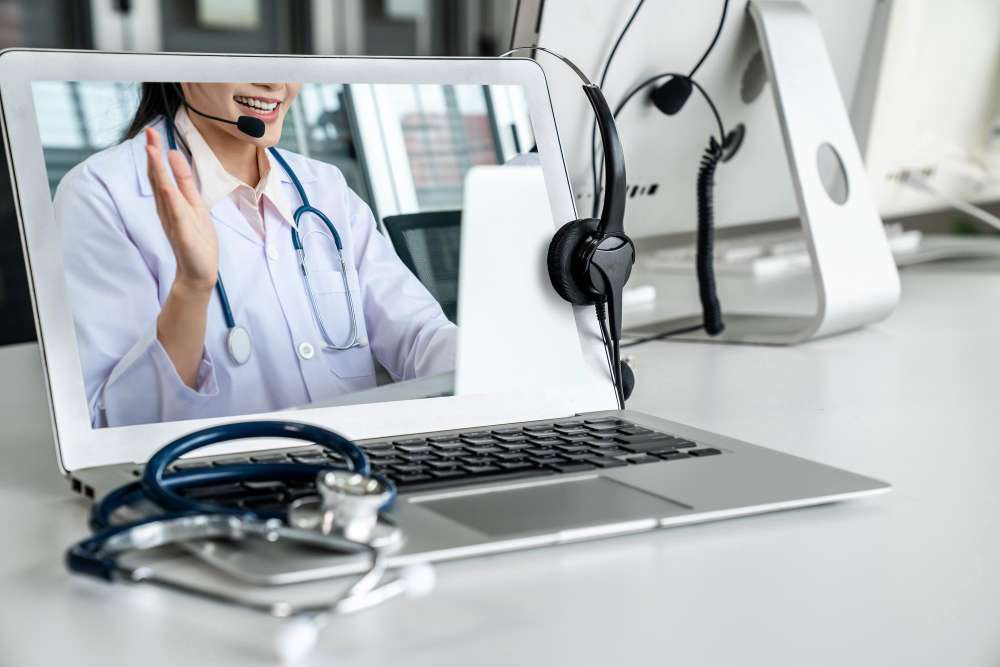
In today’s healthcare landscape, digital tools like remote patient monitoring (RPM) are changing the way clinics provide care. From managing chronic diseases to improving post-operative recovery, RPM offers a scalable and patient-centered approach that integrates seamlessly with telehealth tools and healthcare IoT innovations. For clinics looking to enhance efficiency, patient satisfaction, and outcomes, RPM is no longer optional—it’s essential.
This guide outlines everything clinic practitioners need to know about implementing remote patient monitoring effectively using modern clinic software and digital health strategies.
Understanding Remote Patient Monitoring
What Is RPM?
Remote patient monitoring refers to the use of digital devices and connected platforms that allow healthcare providers to monitor and manage patients’ health outside the traditional clinical setting. This typically involves devices that collect vital health data—such as heart rate, blood pressure, oxygen levels, and glucose—and transmit it back to a central healthcare system.
Why RPM Matters for Clinics
Incorporating RPM allows clinics to:
- Extend care beyond the clinic walls
- Reduce unnecessary in-person visits
- Intervene proactively before complications arise
- Provide continuity of care for patients with chronic or high-risk conditions
EasyClinic supports integration with advanced telehealth tools and patient engagement solutions
Benefits of Remote Patient Monitoring for Clinics
1. Improved Patient Outcomes
RPM ensures round-the-clock health monitoring, allowing for early detection of abnormal trends and timely interventions. This is especially critical in managing chronic conditions like diabetes, hypertension, or heart disease.
2. Increased Patient Satisfaction
Patients appreciate the convenience of home-based monitoring and fewer clinic visits, especially those in rural or underserved areas.
3. Enhanced Operational Efficiency
RPM enables your clinical team to monitor multiple patients simultaneously, optimize appointment scheduling, and reduce administrative load.
Explore how EasyClinic improves healthcare workflow and staff productivity
4. Lower Healthcare Costs
By preventing hospital readmissions and reducing in-person consultations, RPM helps both clinics and patients save money.
Types of Remote Monitoring Devices Used in Clinics
H3: Wearable Devices
Smartwatches, fitness trackers, and continuous glucose monitors collect data like:
- Heart rate
- Physical activity
- Sleep cycles
- Blood sugar levels
These wearable devices are a core part of the healthcare IoT landscape.
H3: Home Medical Devices
Common RPM tools include:
- Digital blood pressure monitors
- Glucometers
- Weight scales
- Pulse oximeters
- Thermometers
They transmit data directly to your clinic software or EMR in real time.
H3: Mobile Health Apps
These apps enable patients to:
- Record symptoms or lifestyle habits
- Chat with care providers
- View past results
- Receive medication or appointment reminders
Mobile RPM apps should integrate with your EMR software to ensure seamless documentation and follow-up.
Integrating RPM Into Your Clinic’s Healthcare Management System
1. Choose Compatible RPM Technology
Select telehealth tools and devices that:
- Are clinically validated
- Support Bluetooth or Wi-Fi syncing
- Are easy for patients to use
- Integrate with your existing clinic EMR
Learn how EasyClinic’s doctor-friendly interface simplifies EMR and device integration
2. Sync With Your EMR System
For successful RPM, data from remote devices should flow directly into your EMR or healthcare management system. This prevents duplication, reduces errors, and streamlines workflows.
EasyClinic offers seamless EMR integrations for smarter data workflows
3. Establish Monitoring Protocols
Decide:
- Which patients are eligible
- What vitals to track
- Alert thresholds for provider intervention
- How often data is reviewed
Assign specific staff to monitor alerts and escalate care when needed.
4. Educate and Train Patients
RPM works only when patients:
- Understand how to use their devices
- Know what data is being tracked
- Trust the system
Provide training videos, printed instructions, and support helplines for patients new to remote care.
5. Train Your Clinic Team
Ensure your doctors, nurses, and assistants are trained on:
- Monitoring dashboards
- Responding to alerts
- Documenting within your clinic software
- Discussing RPM insights with patients during follow-ups
See how EasyClinic enhances staff training and development
Common Use Cases for Remote Patient Monitoring
Chronic Disease Management
- Diabetes: Track blood sugar levels
- Hypertension: Monitor blood pressure
- Heart failure: Watch for signs of fluid overload
- COPD: Monitor oxygen saturation and respiratory rate
Post-Surgical Follow-Ups
Patients recovering at home can send vital stats like temperature, weight, and pain levels to their care teams for monitoring complications.
Geriatric Care
RPM allows seniors to age in place safely, with automatic alerts if falls, changes in vitals, or medication non-adherence are detected.
Pediatric Follow-Ups
Track growth, sleep, and medication adherence remotely, improving outcomes and reducing parental stress.
Security & Privacy in RPM
Data privacy is paramount in remote patient monitoring. Clinics must ensure:
- End-to-end encryption of patient data
- HIPAA-compliant data handling
- Role-based access control
- Regular audits of device security protocols
EasyClinic supports data compliance and audit tracking features
Challenges and How to Overcome Them
| Challenge | Solution |
| Patient Non-Adherence | Offer clear training and 24/7 support |
| Data Overload | Use filters and alert thresholds |
| Device Connectivity Issues | Choose high-reliability devices |
| Staff Resistance to Tech | Offer training and ease of use |
| Integration Problems | Use systems with EMR interoperability |
Reach out to EasyClinic for integration assistance
How RPM Complements Clinic Software Tools
By combining RPM with clinic management software, you can:
- Schedule automated follow-ups
- Generate condition-specific reports
- Engage patients via SMS/email
- Trigger alerts based on RPM readings
- View longitudinal health trends
EasyClinic supports smart automation and patient communication
Key Features to Look For in RPM-Ready Clinic Software
- Real-time dashboard alerts
- Mobile access for staff
- Integration with healthcare IoT devices
- Customizable care plans
- Compliance-ready reporting
- Multi-location scalability
See how EasyClinic delivers all this in one platform
Conclusion: Why Remote Patient Monitoring Matters More Than Ever
Remote patient monitoring is a game-changer for proactive, personalized healthcare. For clinics, it means improved patient outcomes, smarter use of staff resources, and reduced operational costs. Whether you’re a solo practice or a multi-specialty facility, embracing remote patient monitoring, telehealth tools, and healthcare IoT can transform your care delivery in 2025 and beyond.
Integrating RPM with your clinic software helps close the gap between in-clinic care and daily patient experiences. It’s not just about technology—it’s about staying connected, informed, and responsive.
For clinics ready to lead with innovation, EasyClinic offers an all-in-one system to support your digital transformation journey.