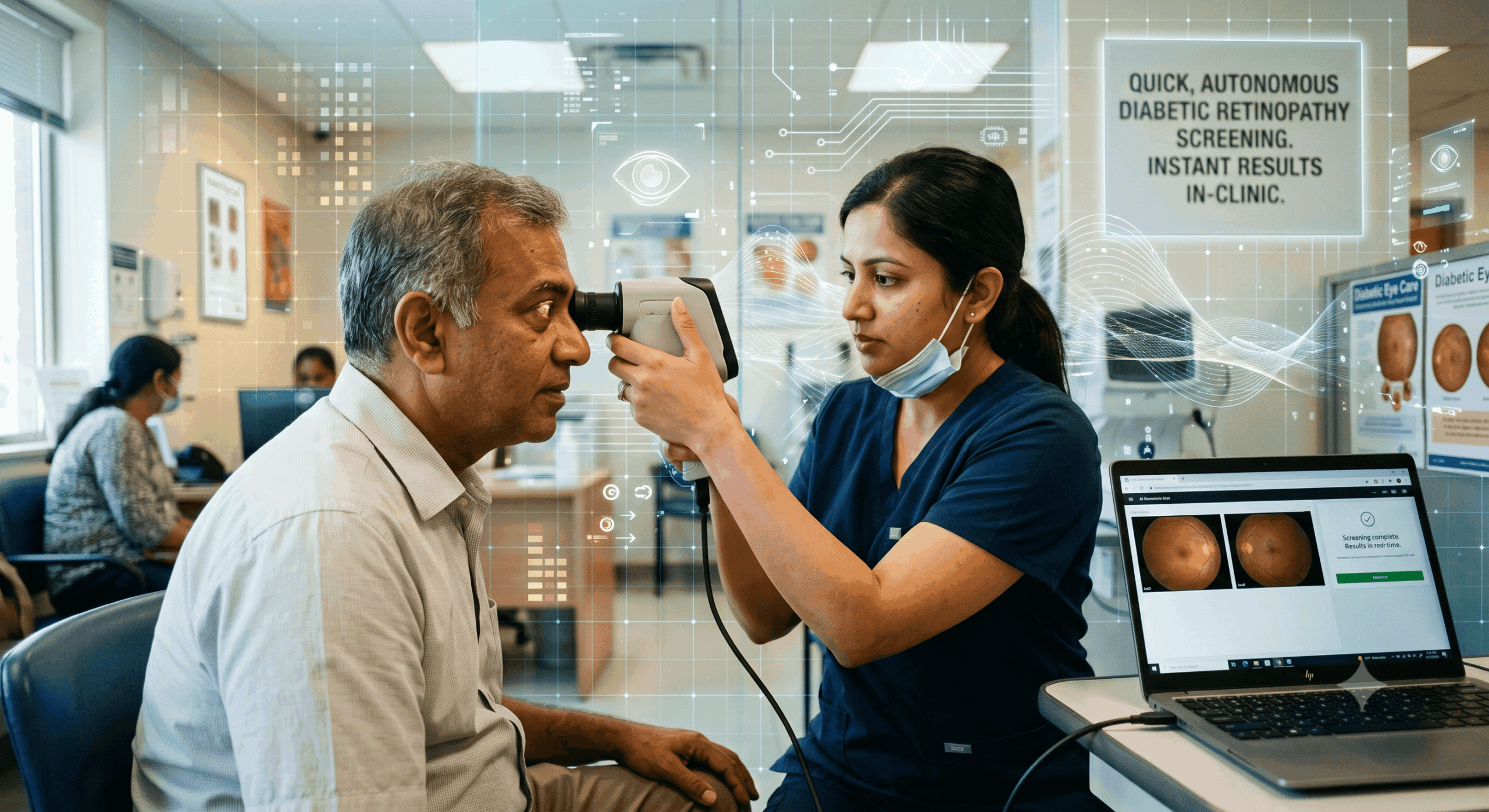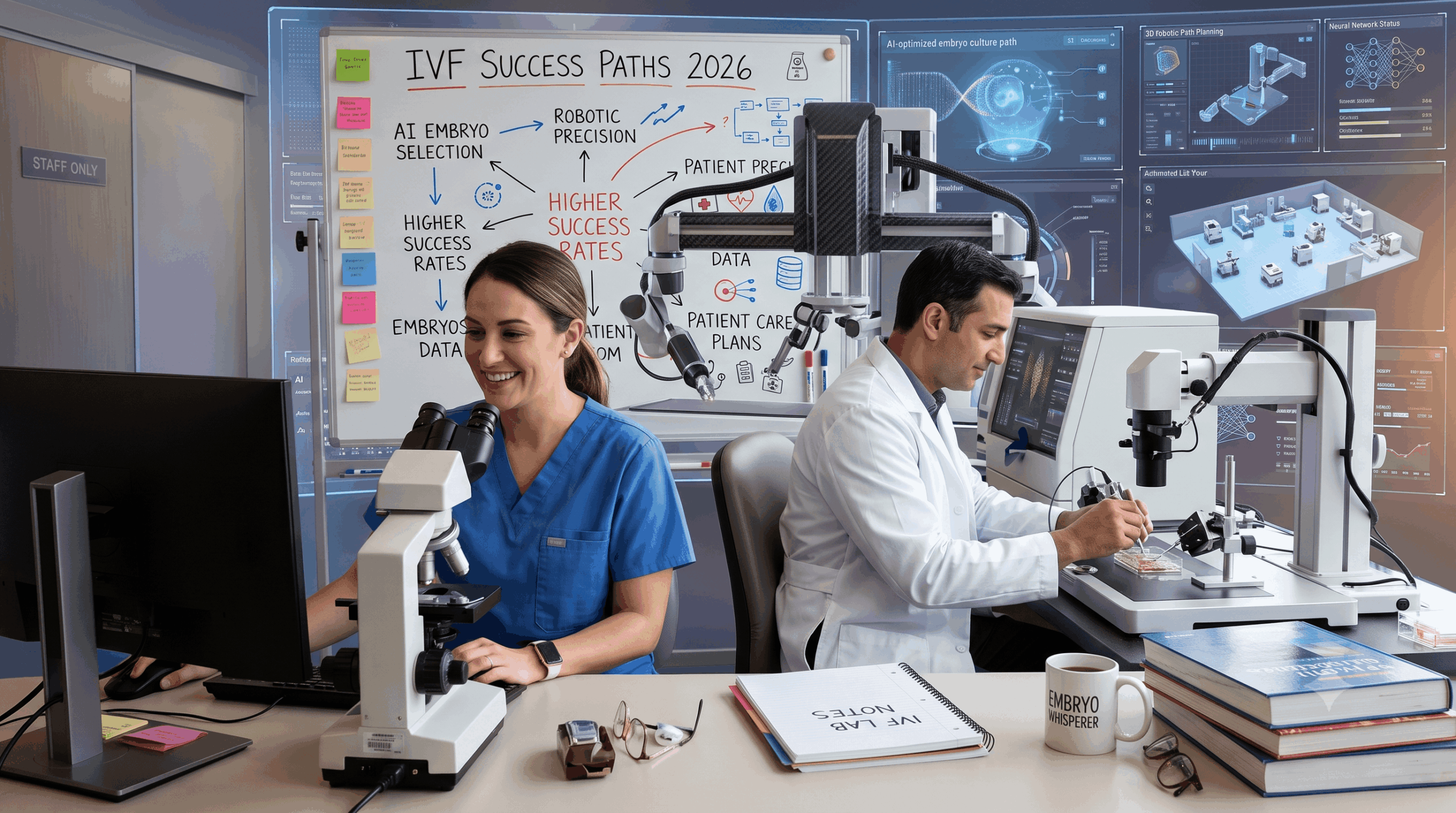
A patient walks into a surgical clinic in India after being told they may need a minimally invasive procedure. Their first question is not only about the surgeon’s experience. It is also, “Will recovery be faster?” “Will the incision be smaller?” “Does your clinic use the latest technology?” This is where robotic surgery for clinics becomes a serious business and patient care conversation.
Across India, surgical robotics is moving from being a premium hospital feature to a technology that more healthcare leaders are actively evaluating. India is considered one of the fastest-growing surgical robotics markets, with strong demand linked to minimally invasive care, healthcare infrastructure growth, and advanced medical technology adoption. (Trade.gov)
For clinic owners, doctors, administrators, and front desk teams, the question is not simply, “Should we buy a robot?” The better question is, “Is our clinic operationally ready for robotic surgery for clinics?”
What The Core Problem Clinics Face
The biggest challenge with robotic surgery for clinics is not only the machine. It is the ecosystem around the machine.
A clinic may invest in advanced surgical technology, but if appointments, patient records, consent workflows, preoperative instructions, billing, inventory, reports, and follow-ups are still manual, the robotic surgery journey can feel fragmented.
Clinics often struggle with:
- Poor surgical scheduling visibility
- Scattered patient history
- Manual preoperative documentation
- Delayed billing coordination
- Weak inventory tracking for surgical consumables
- Follow up gaps after procedures
- Limited patient education before surgery
- No clear view of surgical workflow performance
This is why robotic surgery for clinics should not be treated as a device purchase alone. It should be treated as a full clinic transformation project.
Why This Problem Is Getting Worse
Patients are becoming more aware of minimally invasive procedures, shorter recovery journeys, and advanced surgical options. At the same time, hospitals and advanced care centres in India are increasingly adopting robotic surgery systems across specialities. Recent reports show new robotic surgical systems being introduced in Indian hospitals, including systems used for procedures such as colectomy, hysterectomy, nephrectomy, prostatectomy, thyroidectomy, and cancer-related surgeries. (The Times of India)
The market signal is clear. Surgical robotics is growing. The global robotic surgery market is also forecast to expand strongly through the next decade, driven by demand for minimally invasive surgery and technology improvements. (Coherent Market Insights)
But growth creates pressure. If a clinic wants to participate in this future, it needs more than surgical ambition. It needs digital readiness.
That includes:
- Strong EMR workflows
- Clean patient records
- Structured preoperative and postoperative pathways
- Digital consent and documentation support
- Inventory and billing visibility
- Patient communication systems
- Analytics for surgical operations
This is where EasyClinic becomes relevant. Before clinics think about robotics, they need a strong digital operating layer.
Rethinking The Problem
Many clinic owners ask, “Can we afford robotic surgery systems?”
A better question is, “Can we support the entire robotic surgery workflow?”
Robotic surgery for clinics is not only about the surgeon at the console. It includes the patient’s full journey.
That journey starts when the patient first asks about the procedure. It continues through consultation, diagnosis, counselling, risk explanation, preoperative preparation, procedure scheduling, consumable management, billing, discharge instructions, and follow-up.
If any part of this journey is weak, the patient experience suffers.
The smartest clinics will not rush into robotics only because the technology is trending. They will first build the systems needed to manage advanced surgical care professionally.
Robotic Surgery For Clinics: What Changes Operationally?
| Clinic Area | Traditional Surgical Workflow | Robotic Surgery Ready Workflow |
| Patient records | Paper or scattered files | Centralised digital EMR |
| Surgery counseling | Verbal explanation and manual notes | Structured documentation and patient education |
| Scheduling | Manual coordination | Organised appointment and procedure planning |
| Inventory | Staff memory and manual stock checks | Better visibility of surgical consumables |
| Billing | Separate manual process | Connected billing workflow |
| Follow up | Phone calls and paper reminders | Structured postoperative tracking |
| Clinic visibility | Limited performance data | Better operational analytics |
This table shows why robotic surgery for clinics needs strong clinic management before advanced equipment can deliver its full value.
How EasyClinic Solves This In Practice
EasyClinic helps clinics build the digital foundation needed for advanced care delivery.
Imagine a patient coming for a laparoscopic or robotic-assisted surgery consultation. The doctor reviews previous records, diagnostic reports, prescriptions, and notes in one place. The front desk schedules the next step. Billing is coordinated. Inventory needs are visible. Follow-up instructions are documented. The patient does not feel lost between consultation and procedure.
This is how clinic management software supports robotic surgery for clinics.
EasyClinic helps clinics manage:
- Patient records
- Appointments
- Doctor notes
- Digital prescriptions
- Billing workflows
- Inventory visibility
- Follow-up tracking
- Clinic analytics
- Multi-user coordination
The platform does not replace robotic surgery systems. It supports the operational foundation that advanced surgical clinics need.
Where AI Robotic Surgery Fits In
AI robotic surgery is one of the most discussed areas in surgical innovation. AI can support planning, visualisation, workflow assistance, training, and decision support in certain surgical environments. Broader healthcare discussions in India also show growing interest in combining robotics, AI, and advanced technology into healthcare systems. (The Times of India)
However, clinics should remain practical. AI does not remove the need for surgeons, trained teams, patient counselling, and safe workflows.
AI robotic surgery should be understood as support for precision, workflow, and surgical intelligence. It is not a shortcut around clinical responsibility.
Should Clinics Invest Now?
The answer depends on the type of clinic.
A small general clinic may not need to buy robotic surgery systems immediately. But it should start preparing digitally if it wants to refer, coordinate, partner, or expand into advanced procedures later.
A surgical clinic, day care procedure centre, speciality clinic, or multi-speciality group may need to evaluate robotic-assisted surgery more seriously.
Before investing, clinic owners should assess:
- Patient demand
- Surgical specialty fit
- Surgeon training
- Procedure volume
- Infrastructure readiness
- Consumable and maintenance planning
- Digital workflow maturity
- Patient education process
- Financial sustainability
- Referral network strength
For many clinics, the first investment should not be the robot. It should be the workflow foundation.
Practical Wow Use Cases Clinics Rarely Think About
1. The Patient Who Needs Counselling Before Saying Yes
Robotic procedures can sound impressive, but patients still need clarity. They want to understand why a procedure is recommended, what preparation is needed, what recovery may involve, and what follow-up looks like.
A digital system helps the clinic document counselling, instructions, reports, and follow-ups more clearly.
2. The Surgical Consumable That Runs Out On Procedure Day
Advanced surgery often depends on specific instruments, consumables, and preparation steps. If inventory is tracked manually, one missing item can delay the entire schedule.
Inventory visibility is an underrated requirement for robotic surgery for clinics.
3. The Follow-Up That Determines Patient Confidence
A patient may judge the clinic not only by the surgery but also by how well the clinic handles recovery instructions, wound checks, reports, and follow-up visits.
Structured follow-up tracking improves patient confidence.
4. The Front Desk That Cannot Explain The Next Step
In advanced surgical care, patients and families ask many questions. If the front desk has no structured workflow, they keep disturbing the doctor for every update.
A connected clinic system gives staff better visibility into appointments, billing, and follow-up stages.
5. The Clinic Owner Planning Expansion
A clinic may want to invest in surgical robotics, but before that, the owner must know procedure volumes, patient demand, doctor load, revenue patterns, and operational bottlenecks.
Analytics makes investment planning more practical.
What Clinics Notice After Implementation
When clinics build strong digital workflows before adopting advanced surgical technology, the daily difference is clear.
Patients move through the surgical journey with less confusion. Doctors access records faster. Staff members coordinate more smoothly. Billing becomes clearer. Inventory becomes less stressful. Follow-ups become easier to manage.
Clinics may notice:
- Better preoperative documentation
- Cleaner patient records
- Faster coordination between teams
- Reduced front desk confusion
- More structured surgical planning
- Improved follow-up discipline
- Better inventory awareness
- Stronger patient trust
This is why robotic surgery for clinics should be supported by operational readiness.
Patient Experience Transformation
Patients do not choose advanced surgical care only because of technology. They choose confidence.
They want to feel that the clinic is organised. They want clear instructions. They want their records available. They want billing to be transparent. They want follow-ups to be planned. They want the surgeon and clinic team to feel coordinated.
Robotic-assisted surgery can improve the perception of advanced care, but the patient experience depends on the full journey.
A clinic using strong digital workflows can offer:
- Clearer consultation records
- Better surgical preparation
- Easier follow-up communication
- More organized billing
- Stronger continuity after discharge
- Better confidence for family members
This is where technology becomes meaningful. It makes the patient feel guided, not overwhelmed.
Why EasyClinic Is Built For This Problem
EasyClinic is built for clinics that want to grow with structure. Advanced care models like robotic surgery for clinics need more than clinical skill. They need a connected operating system.
EasyClinic supports the non-surgical but essential side of advanced procedures:
- Patient data organisation
- Appointment coordination
- Prescription management
- Billing workflows
- Inventory visibility
- Follow-up tracking
- Operational analytics
- Multi-user access for teams
This makes EasyClinic useful for clinics preparing for advanced surgical workflows, speciality expansion, or digital transformation.
Clinics can explore EasyClinic, review its features, and plan implementation through the pricing page.
The Real Investment Question
The future of surgery is becoming more robotic, but not every clinic should invest at the same pace.
Some clinics should invest directly in robotic surgery systems.
Some should partner with surgical centres.
Some should prepare through digital workflow transformation first.
Some should focus on speciality growth before moving into surgical robotics technology.
The most responsible path is to build readiness step by step.
A clinic should ask:
- Do we have enough patient demand?
- Do we have trained surgeons?
- Can our team manage advanced surgical workflows?
- Are our records digital and reliable?
- Can we manage follow-ups properly?
- Do we understand our procedure volumes?
- Can we explain the value clearly to patients?
- Is our clinic operationally mature enough?
This makes robotic surgery for clinics a strategic decision, not a trend-based purchase.
FAQs
1. What is robotic surgery for clinics?
Robotic surgery for clinics refers to the use of robotic-assisted surgical systems and supporting digital workflows to help surgeons perform certain procedures with greater control, visualisation, and precision.
2. Are robotic surgery systems suitable for small clinics?
Not always. Small clinics may not need robotic surgery systems immediately, but they can prepare through digital records, better workflows, referral coordination, and patient follow-up systems.
3. What is robotic-assisted surgery?
Robotic-assisted surgery is surgery where a trained surgeon controls robotic instruments to perform certain procedures, usually through minimally invasive techniques.
4. What is AI robotic surgery?
AI robotic surgery refers to the use of artificial intelligence in surgical workflows, planning, visualisation, guidance, training, or decision support, depending on the system.
5. Should Indian clinics invest in robotic surgery now?
Clinics should invest only after assessing patient demand, speciality fit, surgeon training, infrastructure, procedure volume, and digital readiness.
6. What specialities use surgical robotics technology?
Surgical robotics technology is commonly discussed in specialities such as urology, gynaecology, gastrointestinal surgery, oncology surgery, thoracic surgery, and some minimally invasive procedures.
7. Can EasyClinic manage robotic surgery systems?
EasyClinic supports clinic workflows such as EMR, appointments, prescriptions, billing, inventory, follow-ups, and analytics. It helps clinics build operational readiness around advanced care.
8. Why is EMR important before robotic surgery investment?
EMR helps maintain patient history, surgical notes, prescriptions, reports, consent details, and follow-up records, which are essential for advanced surgical workflows.
9. Is robotic surgery replacing surgeons?
No. Robotic surgery systems assist trained surgeons. The surgeon remains responsible for clinical judgment and procedure execution.
10. Where can clinics explore EasyClinic?
Clinics can visit EasyClinic, explore features, or review pricing for implementation planning.
Conclusion
The future of surgery is becoming more robotic, but the smartest clinics will not rush into technology without preparation. Robotic surgery for clinics requires more than advanced machines. It needs trained teams, structured workflows, clean records, organised billing, inventory visibility, and disciplined follow-up.
For clinics in India, the real opportunity is to prepare now. Some clinics may invest directly in robotic surgery systems. Others may begin by building the digital foundation needed for advanced surgical care.
Either way, robotic surgery for clinics is not only a surgical decision. It is an operational decision.
To prepare your clinic for future-ready surgical workflows, explore EasyClinic and its complete clinic management features.