Introduction
In 2025, India crossed an extraordinary milestone in orthopaedic innovation: over 25,000 robotic-assisted joint replacement surgeries were performed nationwide, marking a 30% increase from the previous year. According to the Indian Journal of Orthopaedics, more than 60 hospitals and speciality clinics now deploy surgical robotics systems for knee, hip, and spine surgeries.
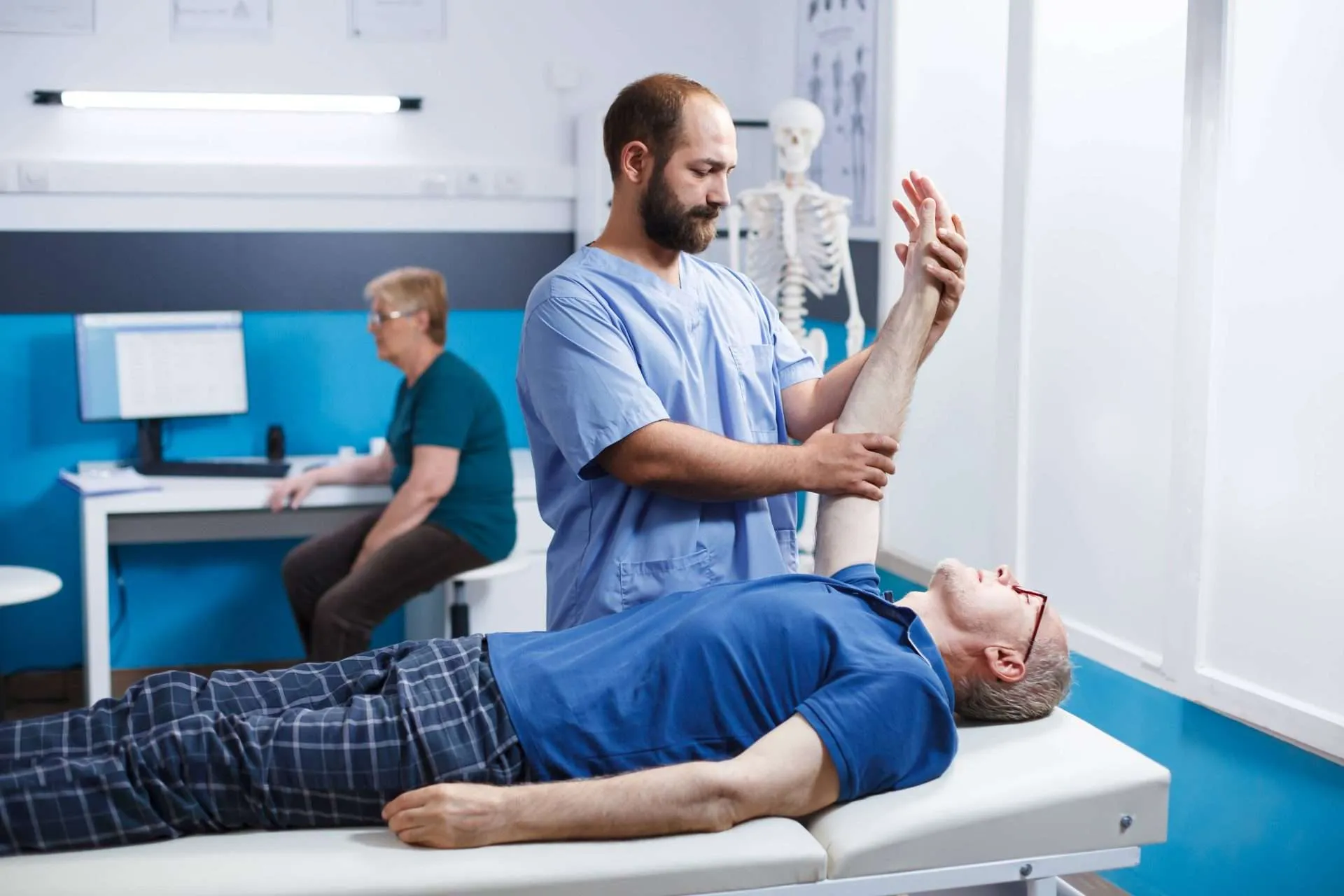
Orthopaedics—one of the busiest specialities in India’s private healthcare system—has long been defined by the surgeon’s hand, skill, and experience. But even the most talented human hands face limits. Millimetre deviations in bone alignment can mean the difference between a lifelong recovery and persistent pain. And for surgeons performing multiple joint replacements daily, fatigue and inconsistency are hard realities.
This is where robotics in orthopaedics clinics has redefined precision, performance, and patient trust. What began as a futuristic experiment is now the cornerstone of next-generation surgical care—helping Indian orthopaedic specialists operate smarter, faster, and safer than ever before.
As AI-powered robotics blend with clinical workflows and EMR platforms like EasyClinic, India’s orthopaedic sector is entering a new era—one where technology amplifies the surgeon’s precision rather than replaces it.
The Everyday Problems in Orthopaedic Clinics Across India
Despite rapid modernisation, many orthopaedic clinics in India continue to battle operational and procedural inefficiencies that limit care quality and patient outcomes.
Common pain points include:
- Manual documentation and record gaps: Surgical notes, x-ray readings, and post-op assessments are often handwritten or stored in disparate systems.
- Inconsistent precision: Even minor tremors or manual errors during bone cuts or implant placements can affect patient recovery.
- Patient miscommunication: Missed follow-ups, unclear rehabilitation instructions, and lack of postoperative monitoring often lead to complications.
- Administrative overload: Surgeons juggle between diagnostics, consultations, and billing tasks—leaving little time for post-surgery reviews.
A Real-World Example
At a mid-sized orthopaedic clinic in Pune, Dr Suresh Kulkarni performed an average of 12 knee replacements per month. While outcomes were generally positive, about one in five patients returned within a year due to misalignment or post-surgery discomfort. Manual surgical planning, combined with inconsistent post-op tracking, created unpredictable results and patient anxiety.
When the clinic adopted AI-powered robotic assistance integrated with EasyClinic’s EMR and patient engagement tools, follow-up accuracy improved dramatically, and revision cases dropped by nearly 40% in six months.
This illustrates the shift that’s happening across Indiaorthopaedicc care is moving from manual craftsmanship to data-backed precision medicine.
The Digital Transformation Story: How Robotic Tools Are Changing Orthopaedic Care
Orthopaedic robotics is not just about surgical automation—it’s a complete transformation of how surgeons plan, execute, and track procedures.
In the past, orthopaedic surgeries relied on X-rays, manual cutting guides, and the surgeon’s experience to determine alignment angles and implant positioning. While this worked for decades, small variances often led to uneven wear and joint instability.
With AI-powered robotic systems, every step of the process is optimised:
- Pre-surgical imaging is mapped in 3D for exact anatomical alignment.
- The robotic arm guides the surgeon’s hand for sub-millimetre accuracy.
- The AI system continuously analyses data during surgery to minimise deviations.
Before Robotics:
Dr Mehta’s Delhi-based orthopaedic team planned every knee replacement manually. Implant angles varied by up to 2°, leading to differing recovery experiences.
After Robotics:
The same clinic introduced a robotic system synced with EasyClinic’s digital records. Every movement was tracked, analysed, and stored automatically. The result: implant precision improved, post-surgery recovery time dropped by 25%, and documentation was fully automated.
AI robotics doesn’t just make surgeries more accurate—it makes the entire patient journey more predictable, from consultation to rehabilitation.
What Is a Robotic Automation Tool for Orthopaedic Clinics?
In orthopaedic surgery, robotic automation tools combine mechanical precision, AI analytics, and real-time data integration to enhance surgical accuracy and clinical workflow.
Unlike traditional surgical tools, these systems use 3modellingng and intraoperative sensors to ensure every bone cut, screw placement, and joint alignment matches preoperative plans with micro-level precision.
Why It Matters for India
India performs over 250,000 joint replacements annually, yet access to high-precision surgery remains concentrated in metros. Robotics democratizes access—allowing mid-tier clinics to offer world-class outcomes with scalable, modular systems.
When paired with platforms like EasyClinic, robotic systems seamlessly connect with:
- EMR data for surgical planning
- Inventory and billing modules for cost tracking
- Post-operative dashboards for patient recovery monitoring
This ecosystem helps orthopaedic clinics deliver end-to-end, tech-enabled patient care while maintaining compliance with NDHM and hospital accreditation standards.
Core Features of AI Robotic Automation Tools for Orthopaedic Clinics
1. Surgical Planning and Simulation
- 3D imaging creates a digital twin of the patient’s joint before surgery.
- Simulations help doctors pre-plan implant positioning and cutting angles.
2. Precision-Guided Robotic Arm
- Translates surgeon movements into tremor-free, micro-scaled actions.
- Ensures uniform bone resurfacing and precise implant placement.
3. Intraoperative Data Analytics
- Real-time AI feedback during surgery to correct trajectory deviations.
- Monitors metrics like alignment accuracy, tissue strain, and pressure.
4. EMR and EasyClinic Integration
- EasyClinic syncs intraoperative data with EMR for automatic documentation.
- Generates post-operative reports and billing in seconds.
5. Patient Engagement and Follow-Up
- Automated notifications and physiotherapy reminders via SMS or WhatsApp.
- Rehab tracking is integrated with EasyClinic’s patient management tools.
6. Financial and Inventory Management
- AI-driven billing automation and stock tracking for implants and consumables.
- Linked directly with EasyClinic’s pricing system for transparent costing.
Together, these features eliminate the friction between surgery, documentation, and administration—helping orthopaedic teams focus on what matters most: patient recovery.
The Indian Healthcare Context
Orthopaedic disorders are on the rise in India, largely due to ageing populations and lifestyle changes. Studies estimate that 1 in 8 Indians over 50 suffers from knee osteoarthritis, and the demand for joint replacements is projected to grow fivefold by 2030.
Yet, nearly 60% orthopaedic clinics still use manual record systems and operate without digital integration. Staff shortages, infrastructure gaps, and a lack of standardised rehabilitation protocols further complicate care.
The government’s National Digital Health Mission (NDHM) is promoting interoperability between hospitals, diagnostics, and EMR systems—creating an opportunity for solutions like robotics and EasyClinic to bridge clinical and administrative gaps.
By aligning with these national goals, orthopaedic robotics combined with EasyClinic’s digital suite not only enhances surgical accuracy but also ensures compliance, data security, and patient transparency.
Problem–Solution–Result Framework
1. Problem: Manual Errors in Joint Alignment
A Chennai hospital reported recurring cases of minor misalignment in total knee replacements, often requiring follow-up corrective surgery.
Solution:
The hospital adopted a robotic-assisted system connected to EasyClinic’s EMR. AI analysed pre-op CT scans and adjusted intraoperative cuts in real-time.
Result:
Revision surgeries reduced by 70%, saving both patient costs and operating time.
2. Problem: Inefficient Documentation and Coordination
In a Lucknow orthopaedic clinic, surgeons and admin teams spent nearly two hours daily compiling surgery notes, discharge summaries, and invoices.
Solution:
EasyClinic integrated with the clinic’s robotic platform, automatically generating surgical records, billing details, and insurance-ready reports.
Result:
Documentation time dropped by 80%, and patient discharge processes became twice as fast.
3. Problem: Missed Follow-Ups and Patient Dissatisfaction
A Jaipur-based practice found many joint replacement patients failing to attend physiotherapy sessions. Recovery times increased, and satisfaction rates declined.
Solution:
Using EasyClinic’s patient engagement tools, the clinic set up automated reminders, progress tracking, and digital rehab check-ins.
Result:
Follow-up adherence rose to 88%, and online patient reviews improved significantly.
Cost and Pricing Models in India
Robotic systems have traditionally been seen as cost-prohibitive, but modular platforms and cloud-based software integration are changing the economics.
| Component | Approximate Cost (INR) | Type |
| Robotic Surgical Console | ₹6–8 crore | One-time hardware |
| AI & EMR Software Integration | ₹20,000–₹60,000/month | Subscription (SaaS) |
| EasyClinic Software Suite | Transparent Pricing | Monthly/annual plans |
Clinics that combine robotics with EasyClinic report 25–35% higher operational efficiency and faster ROI through reduced administrative overhead, lower error rates, and improved patient retention.
Overcoming Challenges in Adopting Robotics
Adopting robotics in orthopaedic clinics comes with challenges—training, scepticism, and infrastructure being key among them.
| Challenge | Barrier | EasyClinic’s Solution |
| Cost of Technology | High initial investment | Integration with modular robotic systems for scalability |
| Training Requirements | Surgeons need time to adapt | AI-assisted onboarding and simulation tools |
| Resistance to Change | Preference for traditional methods | EasyClinic’s intuitive interface eases transition |
| Connectivity Issues | Semi-urban areas face internet gaps | Offline EMR sync and cloud backup options |
By addressing these challenges, EasyClinic ensures that technology adoption becomes practical—not burdensome—for every orthopaedic practice.
Measurable Outcomes of Robotic Integration
After integrating robotics and AI-driven management systems, orthopaedic clinics across India have reported:
- 30–40% reduction in surgical errors
- 25% faster recovery for knee and hip replacement patients
- 50% drop in manual data entry and billing mistakes
- Higher patient satisfaction, with 90% rating robotic surgeries as “superior”
A 2025 Nature Scientific Reports article concluded that orthopaedic robotics enhances precision while simultaneously improving surgeon confidence—particularly in complex procedures like total knee arthroplasty.
Future Trends: Where Orthopaedic Robotics Is Headed in India
The next wave of innovation will see AI-driven predictive planning, cloud-based robotics, and remote orthopaedic consultations converge.
- Predictive Surgery Models: Machine learning will pre-plan surgeries using aggregated patient data.
- Affordable Robotics: Indigenous Indian systems like MISSO are reducing costs by up to 40%.
- EMR-Driven Post-Surgery Analytics: EasyClinic’s integration will soon allow real-time implant performance tracking.
By 2030, robotics will no longer be a premium offering but a standard of care—and EasyClinic is building the digital backbone to support that transformation.
Comparison: EasyClinic vs Generic Integrations
| Feature | Generic Systems | EasyClinic |
| EMR Integration | Limited | Full EMR + robotic sync |
| Compliance | Generic templates | NDHM-aligned |
| Language Options | English only | Regional languages supported |
| Analytics | Basic | AI-driven outcome dashboards |
| Cost Transparency | Variable | Clear, modular pricing |
EasyClinic’s localised adaptability makes it the ideal partner for clinics embracing robotics—combining international precision with Indian practicality.
Conclusion
Orthopaedic surgeons across India are discovering a new kind of ally—one made not of flesh and bone, but AI-driven precision.
When steady hands met robotic accuracy, surgery outcomes transformed. From Mumbai to Kochi, orthopaedic clinics are now achieving millimetre-perfect implant alignments, faster recovery times, and higher patient confidence.
The future of robotics in orthopaedics clinics isn’t about replacing the surgeon—it’s about empowering them. With EasyClinic managing the digital ecosystem behind every successful surgery—billing, records, inventory, and patient engagement—clinics can focus on what they do best: restoring mobility and quality of life.
To explore how EasyClinic’s smart platform can complement your orthopaedic practice, visit:
???? EasyClinic Homepage
???? Explore Features
???? View Pricing