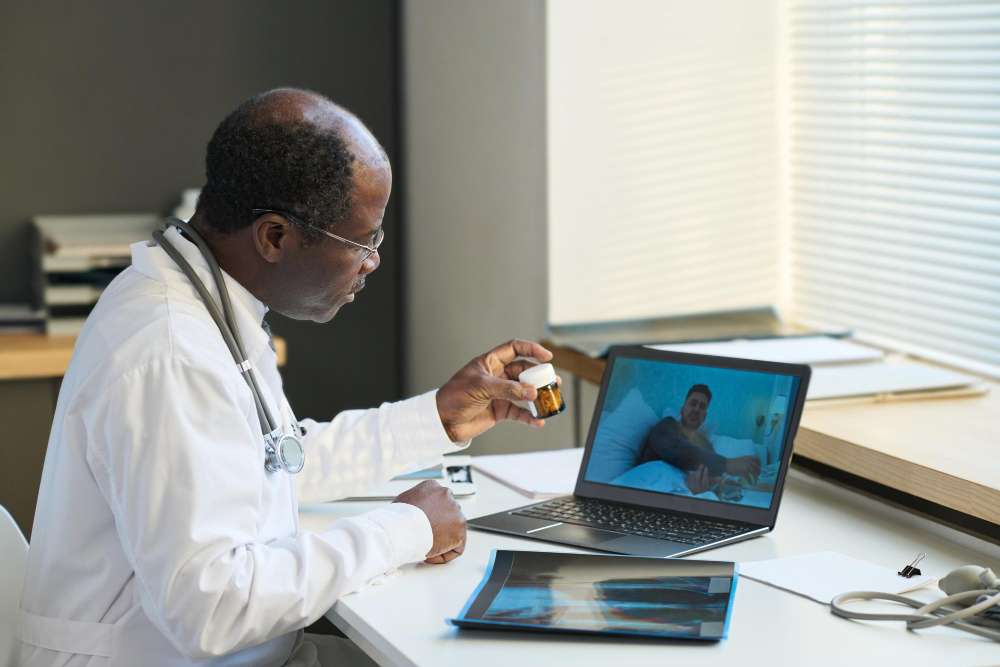
Are you wondering how I can use telemedicine to grow my clinic in Kenya? Telemedicine in Kenya, a relatively new practice in Kenya, allows doctors to provide care remotely using technology like video calls, phone consultations, or messaging apps. Recognised under the Health Act of 2017 as part of e-health, telemedicine for clinics in Kenya has gained traction, especially since the COVID-19 pandemic, to deliver healthcare services in Kenya. This guide will walk you through how I use telemedicine to grow your clinic in Kenya, covering its benefits, implementation steps, types of telemedicine, legal considerations, and tips for success. We’ll also highlight how platforms like EasyClinic can simplify the process, making telemedicine accessible for your practice. Let’s explore how telemedicine can transform your practice in the health sector in Kenya.
Table of Contents
- Why Use Telemedicine for Clinics in Kenya?
- Benefits of Telemedicine for Clinic Growth
- Types of Telemedicine for Clinics in Kenya
- Steps on How I Use Telemedicine to Grow My Clinic in Kenya
- Choosing the Right Telemedicine Platform: Why EasyClinic?
- Ensuring Compliance, Security, and Data Protection in Telemedicine
- Tips for a Successful Telemedicine Implementation in Kenya
- Conclusion
1. Why Use Telemedicine for Clinics in Kenya?
Telemedicine is an unconventional yet growing method in Kenya, alongside mobile clinics, home visits, air medical services, and online pharmaceutical care, to deliver healthcare services in Kenya. The Health Act of 2017 recognises e-health, including telemedicine, as a legitimate mode of health service delivery. However, challenges like inadequate funding, ICT illiteracy, poor internet connectivity, lack of awareness, and a weak regulatory framework have historically limited its growth in the past.
The COVID-19 pandemic accelerated the adoption of telemedicine, with providers emerging to detect cases and offer remote care, reducing the need for physical contact. For a private clinic in Kenya, telemedicine can expand your reach beyond your physical location. Patients in rural areas, such as Kitui or Turkana, can consult with you without travelling to urban centres like Nairobi, improving access to healthcare in Kenya. With Kenya’s growing digital landscape—over 60% of Kenyans own smartphones—adopting telemedicine for clinics in Kenya can position your healthcare clinic in Kenya as a leader in innovative care.
2. Benefits of Telemedicine for Clinic Growth
Expanded Patient Reach
Telemedicine allows you to serve patients across Kenya, even in remote areas, increasing your patient base for your private clinic in Kenya. This is crucial for growth in healthcare services in Kenya.
Improved Patient Satisfaction
Patients value convenience. Offering virtual consultations at your healthcare clinic in Kenya reduces travel time and costs, making healthcare more accessible and improving satisfaction with healthcare in Kenya.
Increased Revenue
More patients mean more revenue. Telemedicine enables you to handle more consultations daily at your medical, boosting income in the health sector in Kenya.
Better Resource Management
Virtual consultations reduce the need for physical space and staff, allowing your private clinic in Kenya to manage resources efficiently while providing quality healthcare services in Kenya.
3. Types of Telemedicine for Clinics in Kenya
Understanding the types of telemedicine can help you choose the best approach for your healthcare clinic in Kenya. There are three main types, categorised by the timing of information exchange:
Store-and-Forward
This method involves storing patient data, such as test results or medical images, and transmitting it to a healthcare provider for later review. There’s no real-time interaction, making it ideal for non-urgent cases like dermatology consultations at your medical clinic in Kenya.
Remote Monitoring
Remote monitoring uses technological devices to track a patient’s health remotely, often for chronic conditions like diabetes or cardiovascular disease. This can help your private clinic in Kenya manage patients with ongoing needs in healthcare needs.
Synchronous/Real-Time Interactive Services
This approach features live, face-to-face communication via video or phone calls. It includes taking medical histories, consultations, discussing treatment plans, and offering counselling, making it a versatile option for.
4. Steps on How I Use Telemedicine to Grow My Clinic in Kenya
Step 1: Assess Your Clinic’s Needs
Evaluate your goals:
Determine which services, like follow-ups, chronic disease management, or counselling, can be offered via telemedicine at your healthcare clinic in Kenya.
Identify patient groups, such as rural patients or those with chronic conditions, who would benefit most in healthcare in Kenya.
Step 2: Choose a Telemedicine Platform
Select a reliable platform:
Look for platforms that support video calls, messaging, and scheduling for telemedicine for clinics in Kenya. A platform like EasyClinic, designed specifically for Kenyan clinics, offers these features with a focus on ease of use and local relevance.
Ensure the platform supports the type of telemedicine (e.g., synchronous or store-and-forward) you plan to use at your medical clinic in Kenya.
Step 3: Train Your Staff
Prepare your team:
Train your staff on using the telemedicine platform and handling virtual consultations at your private clinic in Kenya. EasyClinic provides training resources to help your team address ICT illiteracy and get started quickly.
Teach them to guide patients on using the technology, addressing ICT illiteracy challenges in healthcare services in Kenya.
Step 4: Set Up Infrastructure
Get the right tools:
Ensure a stable internet connection, a computer or smartphone, and a quiet space for consultations at your healthcare clinic in Kenya.
Address poor internet connectivity by having a backup plan, like a mobile hotspot, for healthcare in Kenya.
Step 5: Promote Your Telemedicine Services
Spread the word:
Use SMS, WhatsApp, or social media to inform patients about your telemedicine services at your medical clinic in Kenya, addressing the lack of awareness. Highlight how EasyClinic makes virtual care seamless and accessible.
Emphasise the convenience of virtual care for patients in the health sector in Kenya.
Step 6: Monitor and Improve
Track performance:
Collect feedback from patients about their telemedicine experience at your private clinic in Kenya. EasyClinic offers analytics to help you monitor patient satisfaction and improve services.
Use this to improve your services and grow your healthcare clinic in Kenya, ensuring patient satisfaction.
5. Choosing the Right Telemedicine Platform: Why EasyClinic?
Ease of Use
Pick a platform that’s simple for both you and your patients to use at your healthcare clinic in Kenya. EasyClinic is designed with Kenyan users in mind, offering an intuitive interface that makes it accessible for all, even for patients with limited digital literacy.
Features
Look for features like:
Support for synchronous (real-time) and store-and-forward telemedicine.
Appointment scheduling, reminders, and remote monitoring capabilities, all of which EasyClinic provides to streamline operations.
Integration with Electronic Medical Records (EMRs) for your medical clinic in Kenya.
Data Security
Ensure the platform supports end-to-end encryption and complies with the Data Protection Act, safeguarding patient data at your private clinic in Kenya. EasyClinic prioritises security with encrypted consultations and secure data storage.
Cost and Support
EasyClinic offers affordable pricing tailored for Kenyan clinics, addressing the challenge of inadequate funding in e-health systems. It also provides dedicated customer support to help with setup and technical issues, ensuring smooth operations in healthcare services in Kenya.
6. Ensuring Compliance, Security, and Data Protection in Telemedicine
Follow Kenyan Regulations
Adhere to legal frameworks:
Comply with the Health Act (2017), which recognises telemedicine, and other laws like the Data Protection Act (2019) and the Pharmacy and Poisons Act at your healthcare clinic in Kenya.
Note that the Cabinet Secretary was mandated to enact specific telemedicine legislation by 2020, though uniform standards for services, prescriptions, and informed consent are still lacking in the health sector in Kenya.
Protect Patient Data
Secure sensitive health data:
Health data, such as test results for sexually transmitted diseases or drug use history, is highly sensitive and can cause social stigma if mishandled.
Under the Data Protection Act, personal health data must be processed only by healthcare providers or those under professional secrecy obligations at your medical clinic in Kenya. ensures compliance with end-to-end encryption and secure data handling.
Implement system security with data encryption, passwords, and endpoint encryption to prevent unauthorised access, as per ICT standards from the Ministry of Health in healthcare in Kenya.
Register as a data controller or processor with the Office of the Data Commissioner, ensuring compliance with patient rights like access, correction, and deletion of data.
Educate Patients
Build trust:
Inform patients about their rights under the Data Protection Act, such as consenting to data use, and how their data is protected during virtual consultations with EasyClinic at your private clinic in Kenya.
This ensures confidence in your healthcare services in Kenya and addresses privacy concerns.
7. Tips for a Successful Telemedicine Implementation in Kenya
Start Small
Begin with a few services:
Offer telemedicine for follow-ups or chronic disease management using remote monitoring before expanding to real-time consultations at your healthcare clinic in Kenya.
Address Connectivity Challenges
Ensure reliability:
Have a backup internet plan, like a mobile hotspot, to overcome poor internet connectivity, a common challenge in healthcare in Kenya. EasyClinic offers offline features to support store-and-forward telemedicine when connectivity is limited.
Use Local Languages
Communicate effectively:
EasyClinic supports consultations in languages like Swahili or Kikuyu, making patients feel comfortable at your medical clinic in Kenya and addressing ICT illiteracy.
Train Health Records Managers
Ensure compliance:
Train and register health records managers as per the Health Records and Information Managers Act to handle patient data securely at your private clinic in Kenya. EasyClinic provides training modules for compliance.
Raise Awareness
Educate patients:
Use community outreach or local media to increase awareness of telemedicine, leveraging EasyClinic’s user-friendly platform to address the lack of awareness in the health sector in Kenya.
8. How Telemedicine in Kenya 2025 Is Addressing Doctor Shortages in Rural Clinics
One of the biggest barriers to healthcare access has always been the unequal distribution of doctors. Urban centres like Nairobi and Mombasa have far more specialists per capita than counties such as Turkana, Marsabit, or Tana River. Telemedicine in Kenya 2025 is directly addressing this imbalance by allowing clinics to extend specialist care virtually.
With telemedicine, a single doctor can consult patients across multiple counties in one day without travelling. Clinics can:
-
Offer specialist consultations remotely without hiring full-time specialists
-
Reduce patient wait times caused by doctor shortages
-
Provide continuity of care for chronic and follow-up cases
-
Support community health workers with real-time clinical supervision
For clinic owners, this means your physical location no longer limits your reach. Telemedicine in Kenya 2025 enables even small clinics to function like regional care hubs, improving healthcare equity while growing your clinic’s influence and patient base.
9. What Makes Telemedicine in Kenya 2025 More Scalable Than Traditional Clinic Expansion
Expanding a clinic traditionally requires significant capital: larger premises, more staff, more equipment, and more regulatory approvals. Telemedicine in Kenya 2025 changes this model completely by enabling digital expansion without heavy infrastructure investment.
Instead of opening new branches, clinics can:
-
Add virtual consultation slots without increasing floor space
-
Serve new regions without registering physical facilities
-
Scale services faster during peak demand periods
-
Reduce overhead costs while increasing consultation volume
This scalability makes telemedicine especially powerful for:
-
Solo practitioners looking to grow sustainably
-
Private clinics aiming to reach rural and peri-urban patients
-
Speciality clinics offering follow-ups and second opinions
Telemedicine in Kenya 2025 allows clinics to grow horizontally across geography rather than vertically through infrastructure, making expansion faster, safer, and more profitable.
10. Why Telemedicine in Kenya 2025 Is Becoming a Competitive Advantage for Private Clinics
Patients today compare clinics not just on price, but on convenience, access, and responsiveness. Clinics that offer telemedicine are increasingly seen as modern, patient-centric, and trustworthy. Telemedicine in Kenya 2025 is no longer optional—it is a competitive differentiator.
Clinics using telemedicine gain:
-
Higher patient retention through easy follow-ups
-
Better reputation as a tech-enabled healthcare provider
-
Stronger patient relationships through continuous care
-
Increased referrals from satisfied patients
As more Kenyans become comfortable with digital services like mobile banking and online education, expectations for healthcare are evolving too. Clinics that adopt telemedicine early position themselves ahead of competitors who still rely solely on physical visits.
FAQ SECTION: Telemedicine in Kenya 2025
Frequently Asked Questions
1. What is telemedicine in Kenya 2025, and how does it work for clinics?
Telemedicine in Kenya 2025 refers to delivering healthcare services remotely using digital tools such as video calls, phone consultations, messaging, and remote monitoring, allowing clinics to reach patients beyond physical locations.
2. Is telemedicine legal for clinics in Kenya in 2025?
Yes. Telemedicine is recognised under the Health Act of 2017 as part of e-health, and clinics must comply with the Data Protection Act and other healthcare regulations.
3. How can telemedicine in Kenya 2025 help grow my clinic revenue?
Telemedicine increases consultation volume, reduces no-shows, enables remote follow-ups, and allows clinics to serve patients in new regions without opening new facilities.
4. What types of clinics benefit most from telemedicine in Kenya in 2025?
General practices, chronic care clinics, mental health providers, speciality clinics, and follow-up-heavy practices benefit the most from telemedicine adoption.
5. Do patients in rural Kenya accept telemedicine consultations?
Yes. With smartphone usage exceeding 60 per cent nationwide, patients increasingly accept telemedicine, especially when travel costs and wait times are reduced.
6. How does telemedicine in Kenya 2025 improve patient satisfaction?
Patients save time, reduce transport expenses, receive faster care, and enjoy flexible consultation options, leading to higher satisfaction and trust.
7. What infrastructure do I need to start telemedicine in my clinic?
You need a stable internet connection, a smartphone or computer, basic audio-video equipment, and a secure telemedicine platform like EasyClinic.
8. How do clinics ensure patient data security in telemedicine?
Telemedicine platforms must use encryption, secure authentication, and access controls, and comply with Kenya’s Data Protection Act to protect sensitive health data.
9. Can telemedicine replace physical clinic visits completely?
No. Telemedicine complements physical care. It works best for consultations, follow-ups, monitoring, and triage, while physical exams and procedures still require in-person visits.
10. Why is telemedicine in Kenya 2025 considered future-proof for clinics?
Telemedicine aligns with Kenya’s digital transformation, improves resilience during health crises, and allows clinics to scale efficiently as healthcare demand grows.
8. Conclusion
Understanding how I can use telemedicine to grow my clinic in Kenya can transform your practice. Telemedicine, recognised under the Health Act of 2017, offers a way to reach more patients, improve care, and increase revenue for your healthcare clinic in Kenya, despite challenges like poor connectivity and regulatory gaps. By choosing the right type of telemedicine—store-and-forward, remote monitoring, or synchronous—assessing your needs, and ensuring compliance with laws like the Data Protection Act, you can successfully implement.
Promote your services, secure patient data, and address local challenges with a platform like EasyClinic, which offers user-friendly, secure, and affordable telemedicine solutions tailored for Kenyan clinics. With EasyClinic, your private clinic in Kenya can lead the way in delivering innovative healthcare services in Kenya, contributing to better healthcare in Kenya.