1. The Cancer Care Shift No One Can Ignore in 2026
Cancer care is no longer confined to hospital wards, infusion rooms, or weekly in-person visits. In 2026, oncology is undergoing a structural transformation driven by virtual hospitals for cancer clinics, continuous remote monitoring, and intelligent care orchestration.
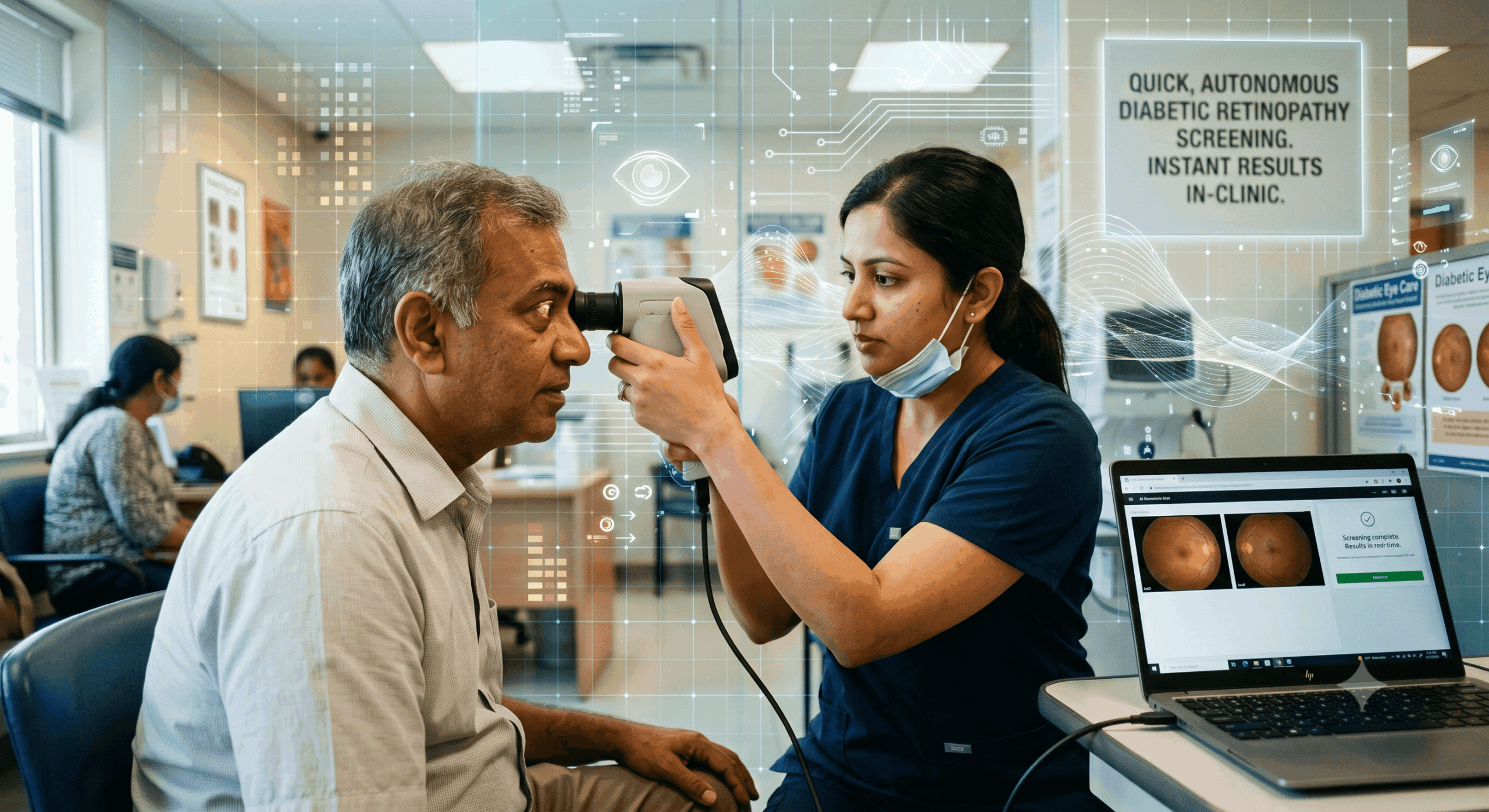
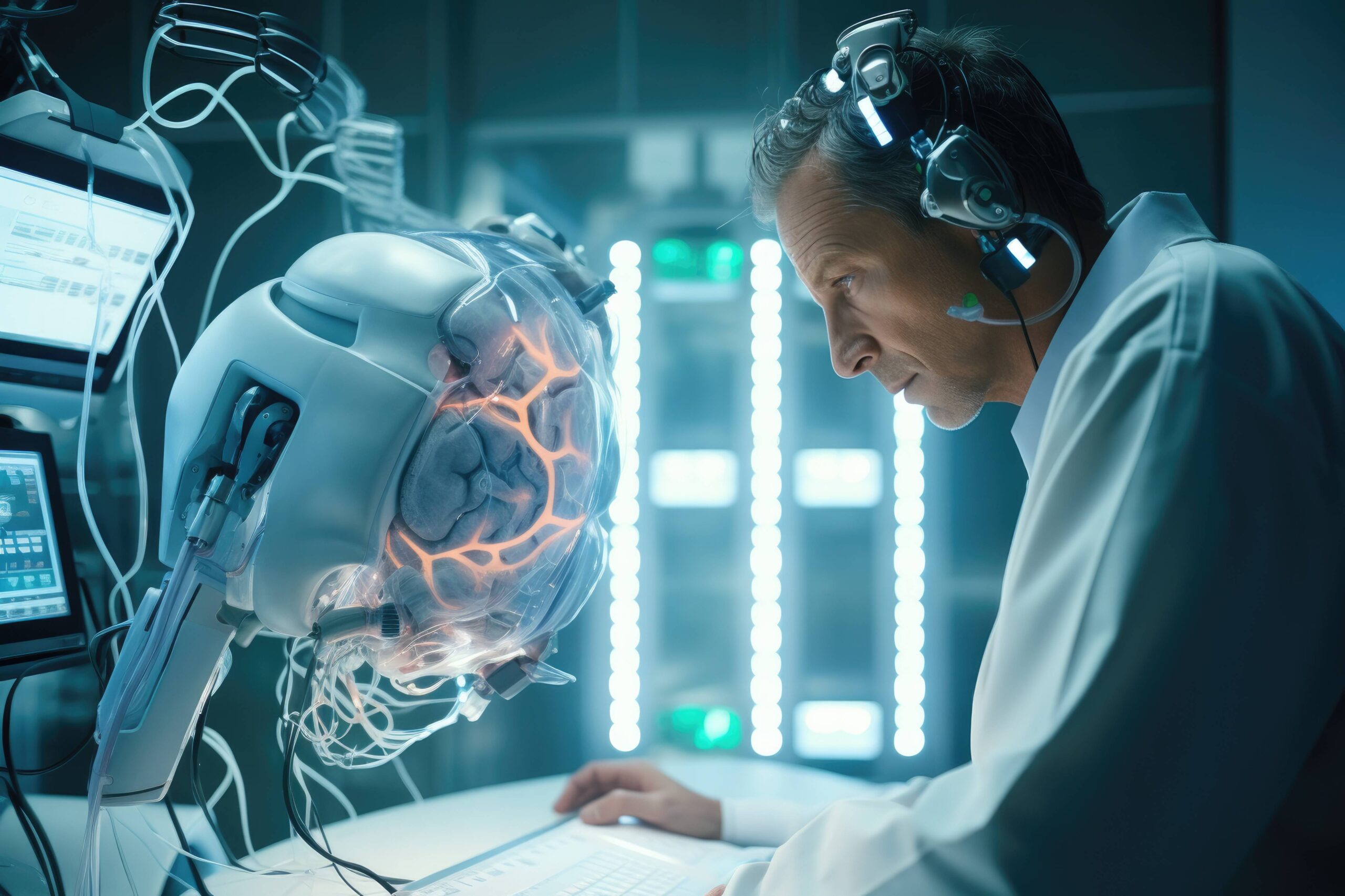
AI-powered diagnostics are accelerating detection timelines. Robotics is redefining precision surgery. Smart wearables and IoMT devices are now monitoring patients at home in real time. What once required hospital admission is increasingly delivered through connected care models.
For oncology clinics in India, this shift is not optional. Rising cancer prevalence, limited specialist availability, and patient demand for comfort-centric care are forcing a rethink of how cancer services are delivered.
Forward-looking clinics are already transitioning toward virtual cancer hospital platforms powered by intelligent clinic management systems like EasyClinic, an AI-driven EMR platform designed to support modern oncology workflows from diagnosis to long-term survivorship.
The critical question is no longer whether virtual oncology will arrive. The question is whether your clinic will lead or struggle to catch up.
2. 2026 Technology Trends Powering Virtual Oncology Care
Augmented Reality, Virtual Reality, and AI Automation in Oncology
| Technology Trend | 2026 Oncology Use Case | Clinical Impact |
| AI-assisted diagnostics | Early tumour detection using imaging and pathology AI | Faster diagnosis and earlier intervention |
| Virtual reality planning | Pre-operative visualisation of tumour margins | Reduced surgical errors |
| Augmented reality overlays | Real-time guidance during oncology procedures | Higher precision and safety |
| Robotics-assisted oncology surgery | Minimally invasive tumour resections | Faster recovery and fewer complications |
| IoMT-based remote monitoring | Continuous vitals and symptom tracking | Early detection of adverse events |
| AI-powered care coordination | Predictive follow-ups and intervention triggers | Reduced emergency admissions |
| Virtual oncology clinics | End-to-end cancer care from home | Expanded access and scalability |
These innovations are transforming oncology from episodic treatment into continuous care.
3. Why Oncology Clinics in India Are Under Severe Pressure
Cancer has become a long-term condition rather than an acute episode. Yet many oncology clinics are still structured around outdated care delivery models.
Indian oncology clinics face a convergence of challenges:
- Rapidly rising cancer incidence
• Shortage of oncologists and oncology nurses
• Overburdened hospital infrastructure
• Increasing regulatory and data compliance requirements
• Patients expecting digital-first and home-based care
Many clinics are managing 2025 patient volumes using systems designed in 2010.
AAI-powered platforms such as EasyClinic clinic management software are helping oncology practices modernise care delivery without operational disruption by enabling hybrid and fully virtual care models.
4. The Operational Bottlenecks Holding Oncology Clinics Back
Despite clinical excellence, operational inefficiencies are silently eroding oncology outcomes.
Common pain points include:
- Manual appointment scheduling across multiple treatment phases
• Fragmented patient records across diagnostics, surgery, and follow-ups
• Billing leakage caused by complex oncology billing structures
• Missed follow-ups during chemotherapy or post-surgery recovery
• Lack of real-time visibility into patient health between visits
Consider a busy oncology clinic where chemotherapy side effects escalate at home but remain invisible until emergency admission. This is not a clinical failure. It is a system failure.
5. Why AI, AR, VR, and Robotics Are Exploding in Oncology Clinics in 2026
Oncology is uniquely suited for advanced technology adoption because cancer care is data-intensive, longitudinal, and outcome-sensitive.
Key drivers of adoption include:
- AI-assisted diagnostics are improving accuracy in imaging and pathology
• Robotics enabling minimally invasive cancer surgeries
• Predictive analytics identifying high-risk patients early
• AI copilots supporting oncologists with clinical insights
• Automation replacing administrative overhead
AI does not replace oncologists. It replaces blind spots.
Platforms like EasyClinic AI-powered clinic features form the backbone of this transformation by connecting diagnostics, treatment planning, and long-term monitoring in one unified system.
6. How AI-Powered EMR Software Solves Oncology Workflow Challenges
The foundation of virtual oncology care is an intelligent EMR.
EasyClinic EMR software addresses oncology challenges through structured automation.
Problem to Solution Mapping
- Missed appointments → AI-driven scheduling and reminders
• Fragmented records → Centralised oncology EMR
• Treatment delays → Predictive alerts and dashboards
• Revenue leakage → Automated oncology billing audits
• Poor visibility → Real-time patient monitoring insights
By embedding AI into everyday workflows, oncology clinics gain operational clarity and clinical confidence.
Clinics exploring scalable growth increasingly rely on EasyClinic pricing plans that align with long-term oncology care models.
7. Real World Use Cases Clinics Can Relate To
Case 1: Multi-Speciality Cancer Centre
Problem: High post-chemotherapy emergency admissions
AI Adoption: Remote monitoring and predictive alerts
Result: 30 per cent reduction in unplanned hospital visits
Case 2: Urban Oncology Clinic
Problem: Lost follow-ups during the survivorship phase
AI Adoption: Automated follow-up workflows via EMR
Result: Improved patient retention and continuity of care
Case 3: Regional Oncology Network
Problem: Specialist shortage across locations
AI Adoption: Virtual oncology consultations and centralised EMR
Result: Expanded reach without hiring surge
These outcomes are becoming standard as clinics adopt EasyClinic AI-powered oncology systems.
8. Robotics, AR/VR, AI, and EMR — The Bigger Picture in Virtual Oncology Hospitals
Virtual oncology hospitals do not succeed because of one breakthrough technology. They succeed because multiple advanced systems work together in a tightly coordinated ecosystem. When even one layer is missing, the entire model weakens.
Here is how the complete virtual oncology stack comes together in 2026.
How Each Technology Contributes to the Virtual Oncology Model
- Robotic oncology systems perform highly precise surgical and interventional procedures, generating detailed intraoperative data on tissue response, margins, blood loss, and recovery parameters.
• AR and VR platforms convert complex imaging, pathology, and surgical data into intuitive 3D visualisations that support treatment planning, tumour board discussions, and patient education.
• IoMT devices and wearables continuously capture vitals, symptoms, medication adherence, and post-treatment side effects from patients at home.
• AI engines analyse this massive stream of structured and unstructured data to detect patterns, predict deterioration, and recommend early interventions.
• EMR platforms orchestrate everything by storing, connecting, validating, and operationalising the data across the entire oncology care lifecycle.
Without this final EMR layer, even the most advanced robotics or AI tools become isolated innovations instead of clinical systems.
Why EMR Is the Operational Core of Virtual Cancer Care
Robotics and remote monitoring generate value only when their insights lead to action. This requires an EMR that is designed not just for documentation, but for decision enablement.
A modern oncology EMR must:
- Aggregate robotic surgery data, imaging, pathology, and lab reports into a single longitudinal patient record
• Convert IoMT and wearable signals into actionable alerts instead of raw data noise
• Enable AI-driven risk stratification and prioritisation across hundreds or thousands of oncology patients
• Trigger automated workflows for follow-ups, medication changes, investigations, or emergency escalation
• Provide real-time dashboards for oncologists, care coordinators, and clinic administrators
This is where AI-powered EMR platforms like EasyClinic become critical infrastructure rather than optional software.
From Fragmented Tools to a True Virtual Oncology Hospital
Many clinics adopt technology in silos. A robotic system in one department. Teleconsultations in another. Wearables are managed externally. This creates complexity instead of efficiency.
In contrast, a true virtual oncology hospital operates as a single digital organism.
- Robotic procedures feed directly into the patient’s digital oncology timeline
• Imaging and pathology updates instantly inform AI risk models
• Remote monitoring data adjusts treatment plans between visits
• Billing, compliance, and documentation stay synchronised automatically
• Patients experience continuous care rather than episodic touchpoints
This level of coordination is only possible when clinic management platforms like EasyClinic act as the central nervous system of the organisation.
Why Oncology Clinics Without Integrated EMRs Will Fall Behind
By 2026, oncology clinics that rely on disconnected tools will face growing disadvantages.
- Higher emergency admissions due to missed early warning signs
• Increased clinician burnout from manual data reconciliation
• Poor patient confidence in long-term treatment journeys
• Limited scalability beyond physical infrastructure
• Difficulty meeting evolving digital health and compliance standards
Virtual hospitals demand orchestration, not just innovation.
EasyClinic as the Backbone of the Virtual Oncology Ecosystem
EasyClinic AI-powered clinic management and EMR software is designed to support this exact future.
It enables oncology clinics to:
- Integrate robotic, diagnostic, and monitoring data into one intelligent platform
• Deliver hybrid and fully virtual cancer care workflows
• Maintain continuous visibility into patient health outside hospital walls
• Scale services without proportionally increasing staff workload
• Transition confidently toward virtual hospital models aligned with India’s digital health ecosystem
In virtual oncology, technology alone does not create an advantage.
Coordination does.
And coordination starts with the right EMR backbone.
9. What Oncology Clinics in India Must Do to Stay Competitive
To remain relevant in 2026, oncology clinics must:
- Digitise end-to-end patient journeys
• Adopt AI-first clinic management systems
• Enable home-based monitoring and virtual follow-ups
• Prepare infrastructure for robotics and IoMT integration
• Choose scalable platforms designed for oncology
EasyClinic oncology management software enables clinics to transition into AI-powered virtual care without disrupting existing operations.
10. Cost, ROI, and Business Impact of Virtual Oncology Platforms
The cost of not adopting AI-driven virtual care is invisible but massive.
Hidden costs include:
- Emergency admissions due to missed symptoms
• Patient drop-offs during long treatment cycles
• Underutilised clinical capacity
• Revenue leakage from manual billing
Clinics using EasyClinic pricing-aligned solutions report measurable ROI through improved efficiency, higher patient retention, and scalable growth.
11. Be a Breakthrough Pioneer in AI-Powered Oncology Care
Be a Breakthrough Pioneer in AI-Powered EMR Software for Oncology Clinics in India
Early adopters are not experimenting. They are winning.
AI-powered virtual hospitals are already reshaping cancer care delivery. Oncology clinics that modernise now will define standards for the next decade.
Talk to the EasyClinic clinic management platform to explore how AI-powered EMR software can transform your oncology practice.
12. Frequently Asked Questions
What is a virtual hospital for cancer care?
A virtual hospital delivers oncology services using telehealth, remote monitoring, AI, and EMR systems without requiring constant in-person visits.
How does IoMT improve cancer care?
IoMT devices enable continuous monitoring of vitals and symptoms, allowing early intervention.
Is virtual oncology safe?
Yes. Global bodies like the World Health Organisation support digitally enabled chronic care models.
Can virtual care replace hospitals?
No. It complements hospitals by shifting routine and monitoring tasks to home settings.
Does India support virtual oncology?
Yes, through frameworks from the Ministry of Health and Family Welfare and Ayushman Bharat Digital Mission.
How does EasyClinic support oncology workflows?
EasyClinic integrates diagnostics, treatment plans, follow-ups, billing, and monitoring in one platform.
What types of cancer benefit most from virtual care?
Chronic and long-term cancers such as breast, prostate, colorectal, and haematological cancers.
Is data secure in virtual hospitals?
Yes, when compliant EMR platforms are used.
Does virtual care reduce costs?
Yes, by preventing complications and reducing hospital stays.
When should clinics start adopting this model?
Now. The transition window is closing.
13. The Future of Oncology Is Already Here
Cancer care in 2026 is continuous, connected, and patient-centric.
Virtual hospitals powered by AI, IoMT, and intelligent EMRs are becoming the new standard. Clinics that delay risk falling behind technologically enabled competitors.
The future belongs to oncology clinics that extend care beyond hospital walls.
Explore the future with the EasyClinic homepage, EasyClinic features, and EasyClinic pricing, and begin building your virtual oncology hospital today.